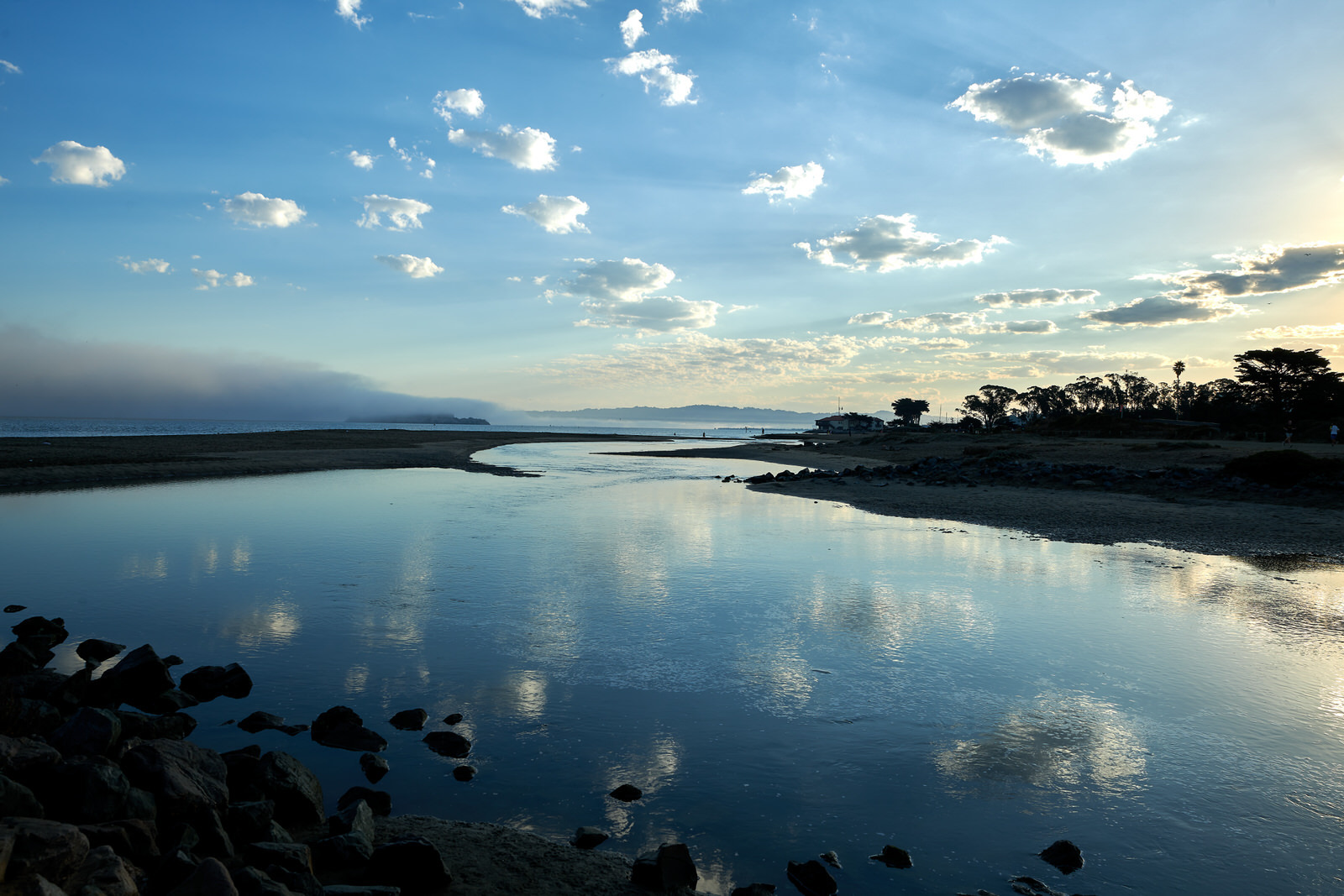
There is something rather theatrical about San Francisco in October. We were watching the sunset from Corona Heights when the fog began its slow advance over the surrounding hills, spilling in from both sides with an almost deliberate sense of timing. For a few moments, the city remained suspended in golden light, caught between the warmth of the setting sun and the grey gathering beyond it. Then the two banks of fog met above the skyline, and the buildings began disappearing, one by one, as though someone had decided the city had enjoyed quite enough attention for one evening. It was an extraordinary spectacle, and a reminder that San Francisco’s famous fog is rather more than an atmospheric curiosity. It may look soft and harmless, but its arrival brings a dramatic change in temperature and wind.
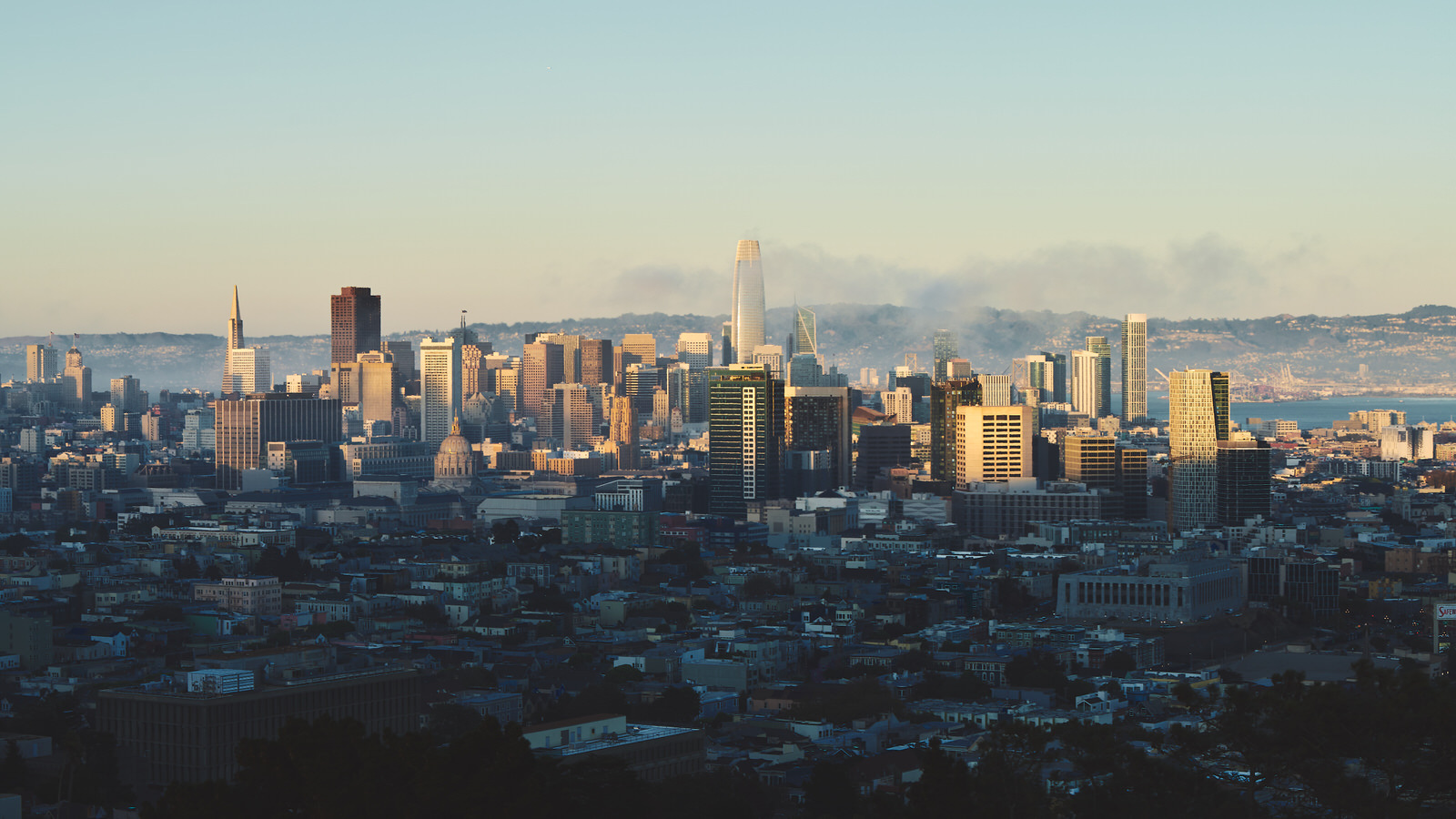
That change in atmosphere seemed to capture something essential about San Francisco: a city of constantly shifting moods, where the landscape is as much a part of its character as its architecture. Of all the things that make it special, it is perhaps its geography that I find most compelling. The hills, winding streets and architecture seem to work with rather than against the landscape. North Beach is a particular delight, with its colourful buildings, intimate storefronts and glimpses of the bay. Elsewhere, the Mission offers vibrant murals and Victorian facades, the Richmond has a wonderfully multicultural character, and Haight-Ashbury and Alamo Square showcase some extraordinary residential architecture. Russian Hill, meanwhile, makes even walking uphill feel worthwhile, largely because of the views.

The city’s relationship with nature is equally impressive. Crissy Field offers sweeping waterfront views of the Golden Gate Bridge, the Presidio provides a variety of trails and a welcome escape, and Golden Gate Park could happily occupy an entire afternoon. These spaces feel less like decorative additions and more like essential parts of the city’s identity.
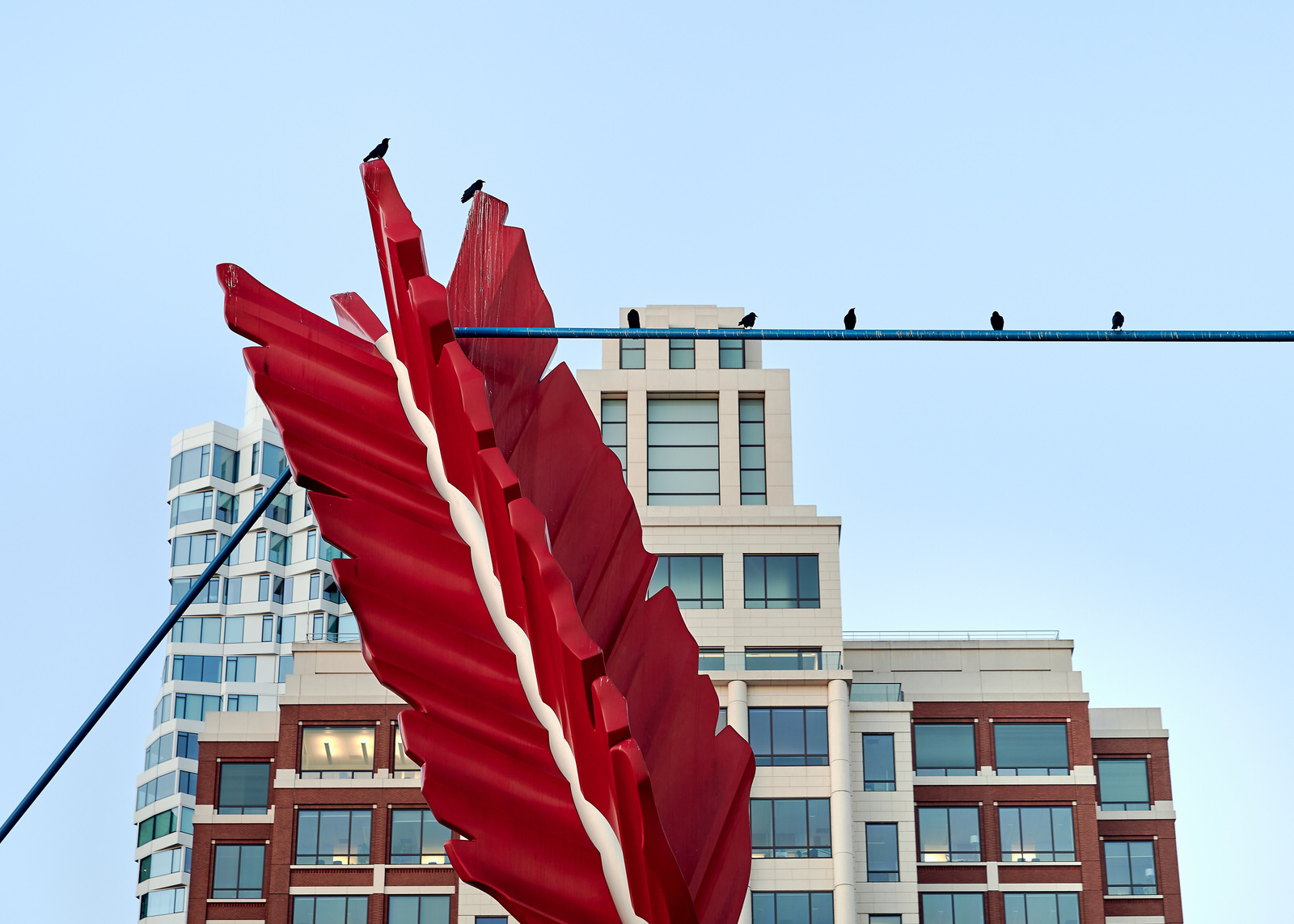
San Francisco also has plenty of personality in its streets, from its colorful historic cable cars to its countless murals and public sculptures. One unexpected highlight was the Exploratorium, which I had initially worried might cater too heavily to children. Happily, its excellent interactive exhibits quickly dispelled that concern. Food was another consistent pleasure, with an impressive variety of cuisines, excellent bakeries (shout out to Le Carousel Patisserie & Juniper) and an abundance of healthy options. Ironically, our most expensive meal was also the most disappointing. .
I had also heard that Bay Area residents could be rather unfriendly, but this certainly wasn’t our experience. Both San Francisco and Berkeley felt relaxed and welcoming, particularly compared with the rather more frenetic atmosphere of cities such as New York and Chicago.
While many great cities share familiar traits, each has its own cultural markers, those distinctive little details that give it a personality all its own. San Francisco is no exception, although there is one rather significant aspect of city life that is much harder to celebrate. For all its extraordinary wealth, innovation and opportunity, the city has a deeply troubling homelessness problem. The visible suffering is difficult to ignore,with people struggling withaddiction and mental illness evident throughout parts of the city. Even public transportation, which I otherwise found commendable, occasionally presented uncomfortable situations. The contrast is particularly difficult to reconcile when you consider the city’s prosperity. There is something deeply unsettling about enjoying one of the finest pastries of your life while, just a few feet away, someone has made a makeshift home on the sidewalk. Having spent time in Asia, where I encountered considerably less visible street homelessness, I found the experience somewhat jarring.
This is not a problem unique to San Francisco, but its scale feels particularly indefensible in a city with such extraordinary resources. Ultimately, we, as Americans, must do better. We have allowed wealth and political influence to become increasingly concentrated while ordinary people bear the consequences. Our frustration should be directed not at those suffering in plain sight, but at those with the power to change things and the incentive to leave them as they are. It is difficult to admire a city’s prosperity without questioning why so many of its residents are excluded from it.
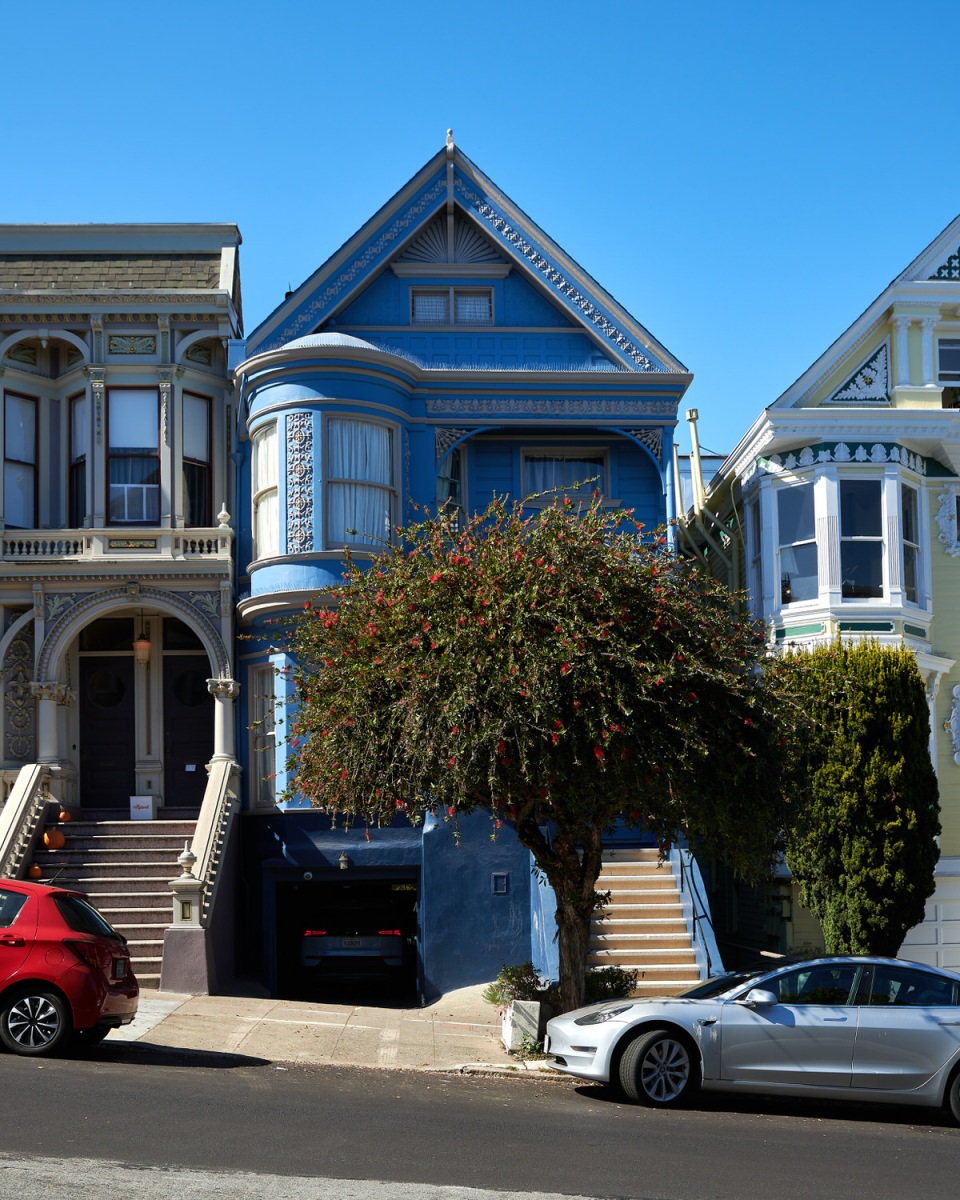
And so I leave San Francisco with mixed feelings, although predominantly positive ones. I will remember the extraordinary architecture, the steep streets, the excellent food, the welcoming neighborhoods and, above all, that October evening when the fog swallowed the skyline. San Francisco is beautiful, occasionally unpredictable and thoroughly captivating. It is a city that rewards curiosity, invites exploration and manages to feel both grand and wonderfully intimate. I would happily return, if only to discover what other surprises it has waiting around the next corner.