A Familiar Wild
The Midwest rarely makes a grand entrance. No towering mountains, dramatic coastlines, or famous wilderness vistas. Its beauty is quieter, but no less compelling. It lives in the twisted branches of an old oak, the morning mist rising from a field, the brilliant wings of a butterfly, and the warm light filtering through a woodland canopy. These are places we pass every day, often without noticing. Yet look a little closer, and an extraordinary world begins to emerge. That is the appeal of photographing the Midwest: discovering something remarkable in places we thought we already knew.
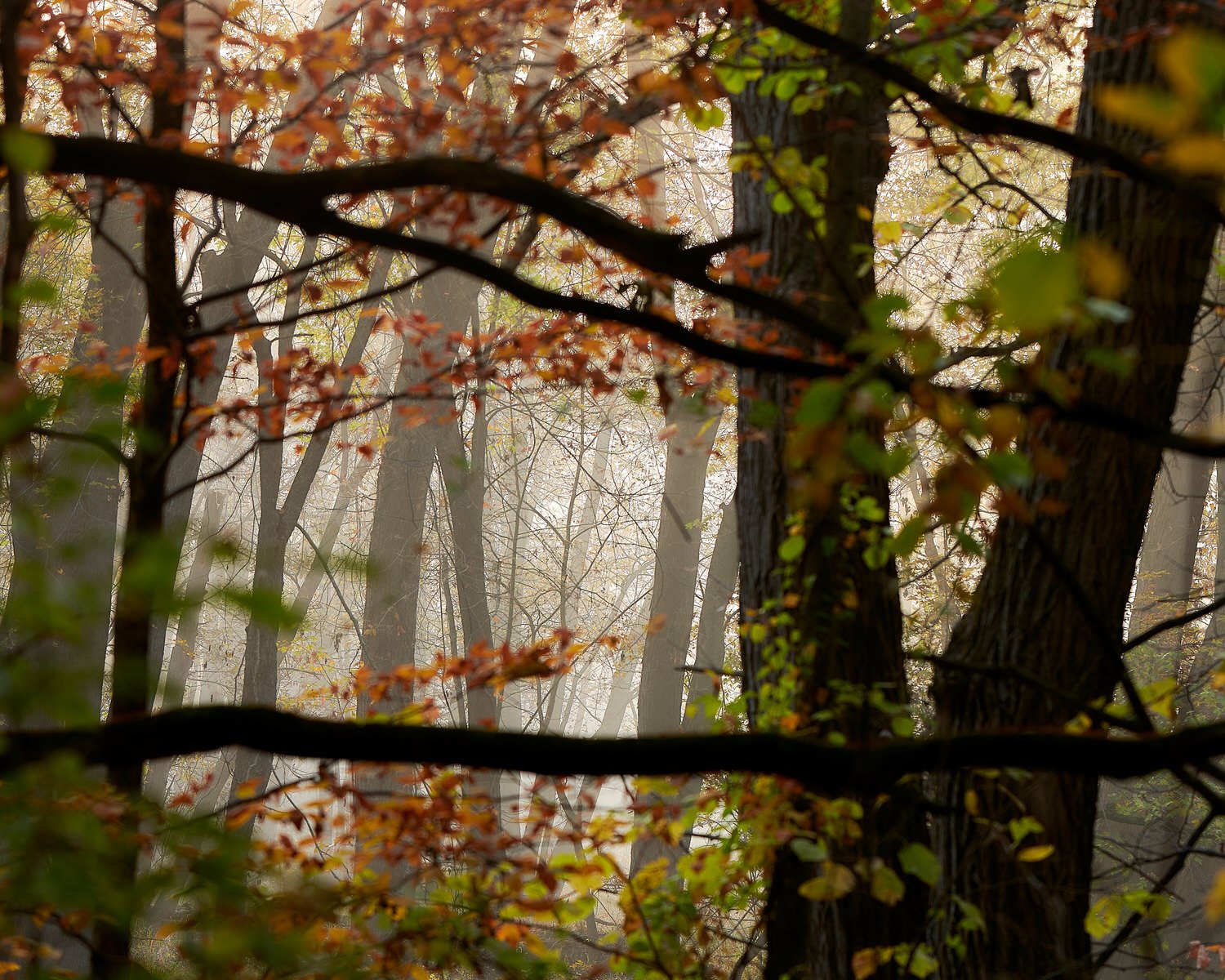
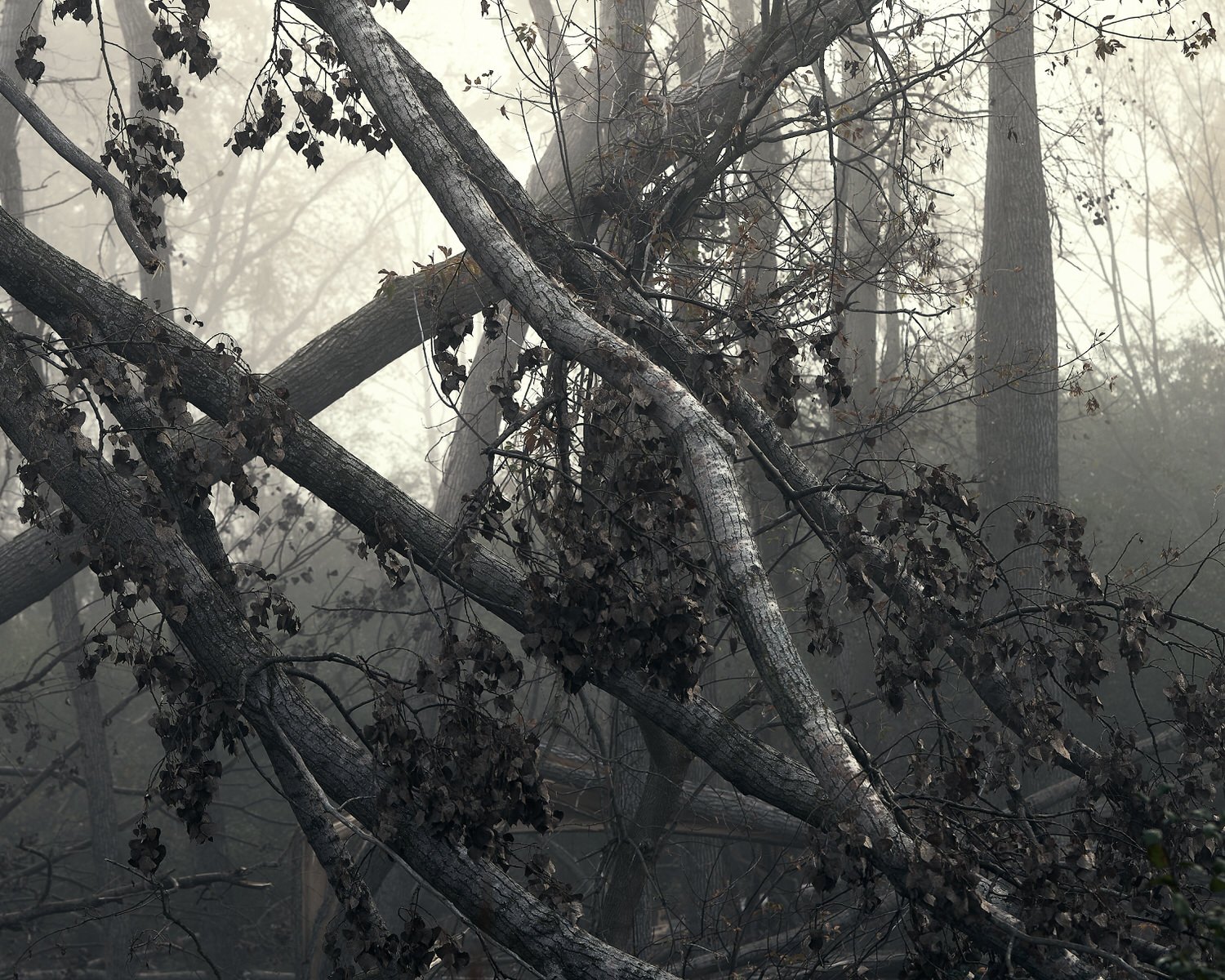
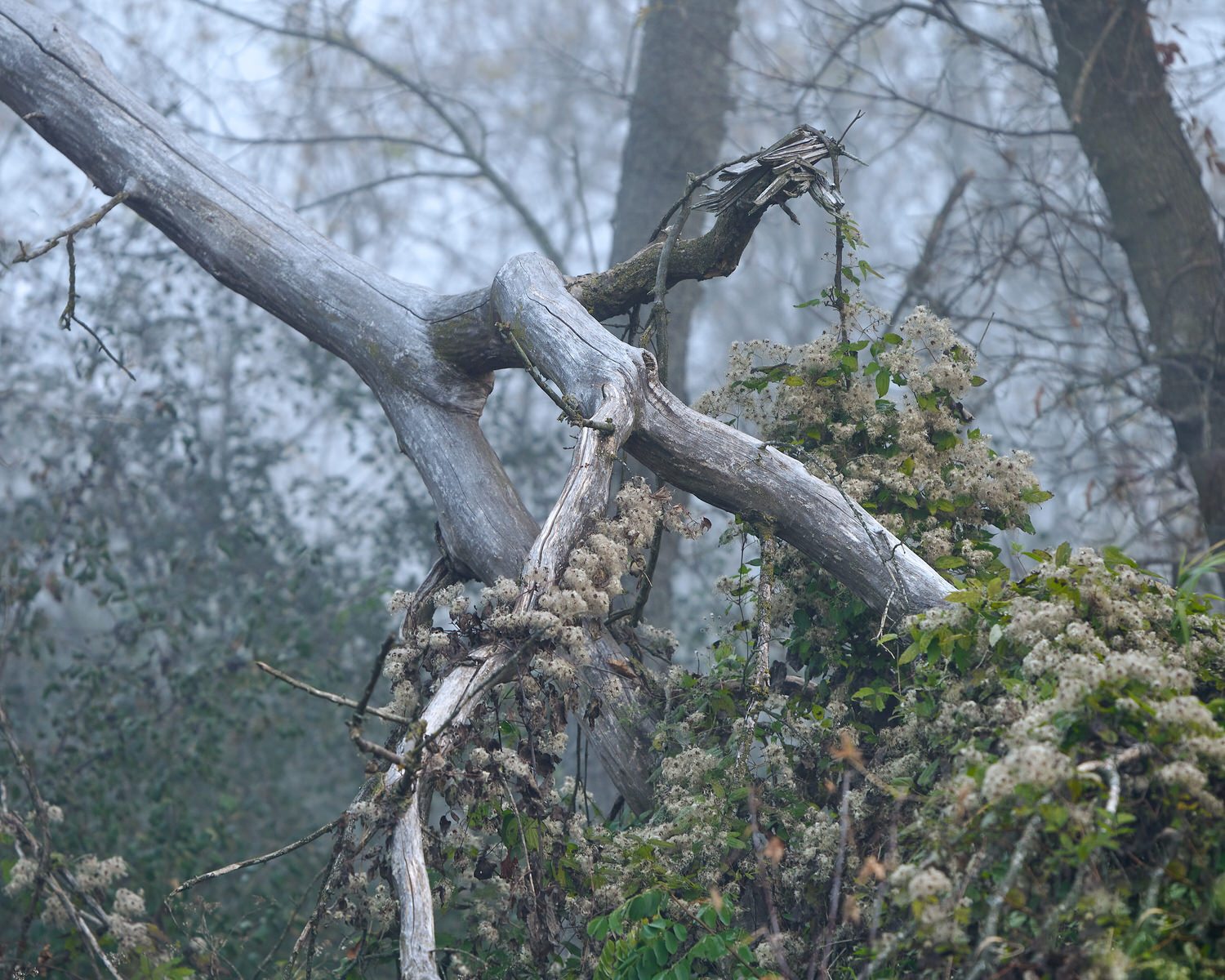
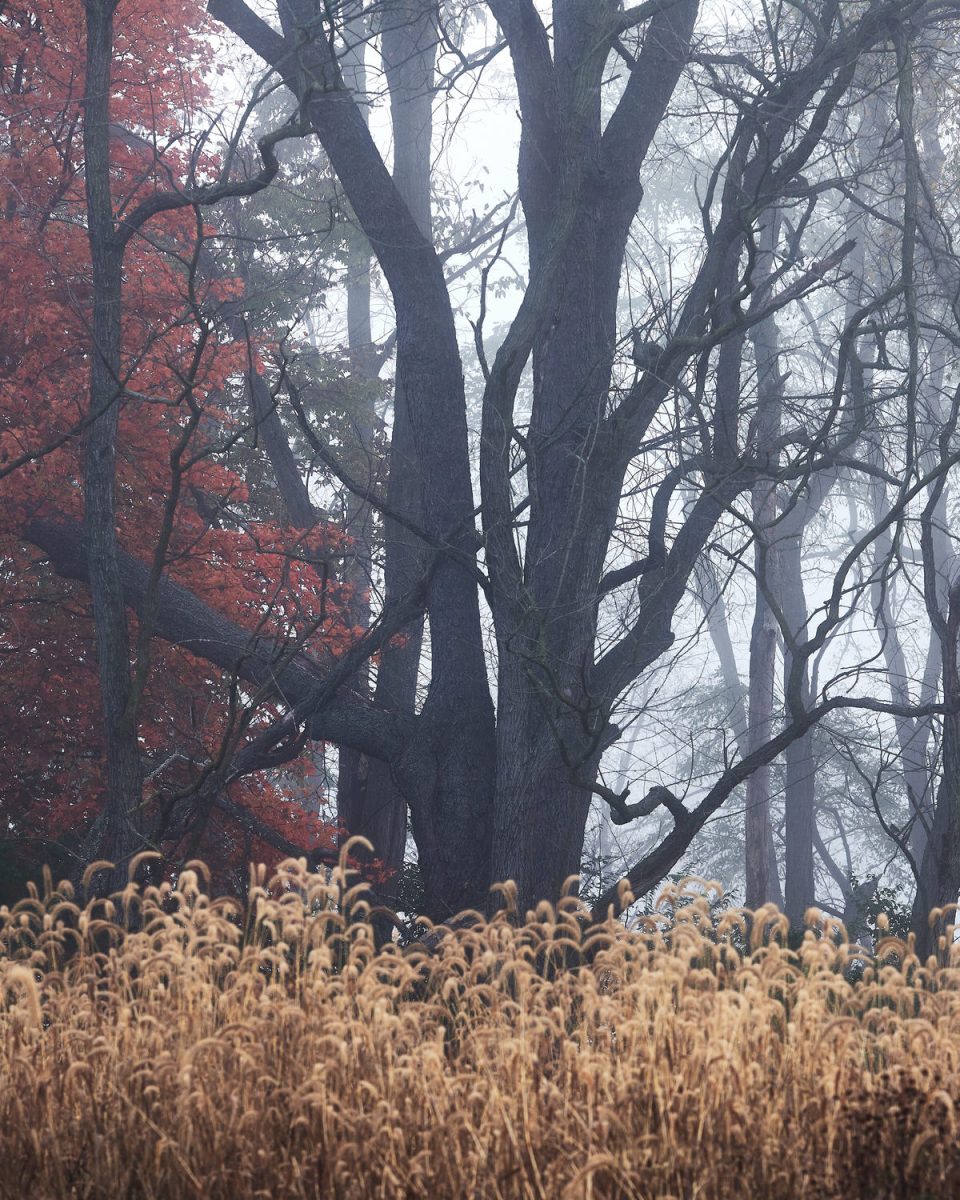
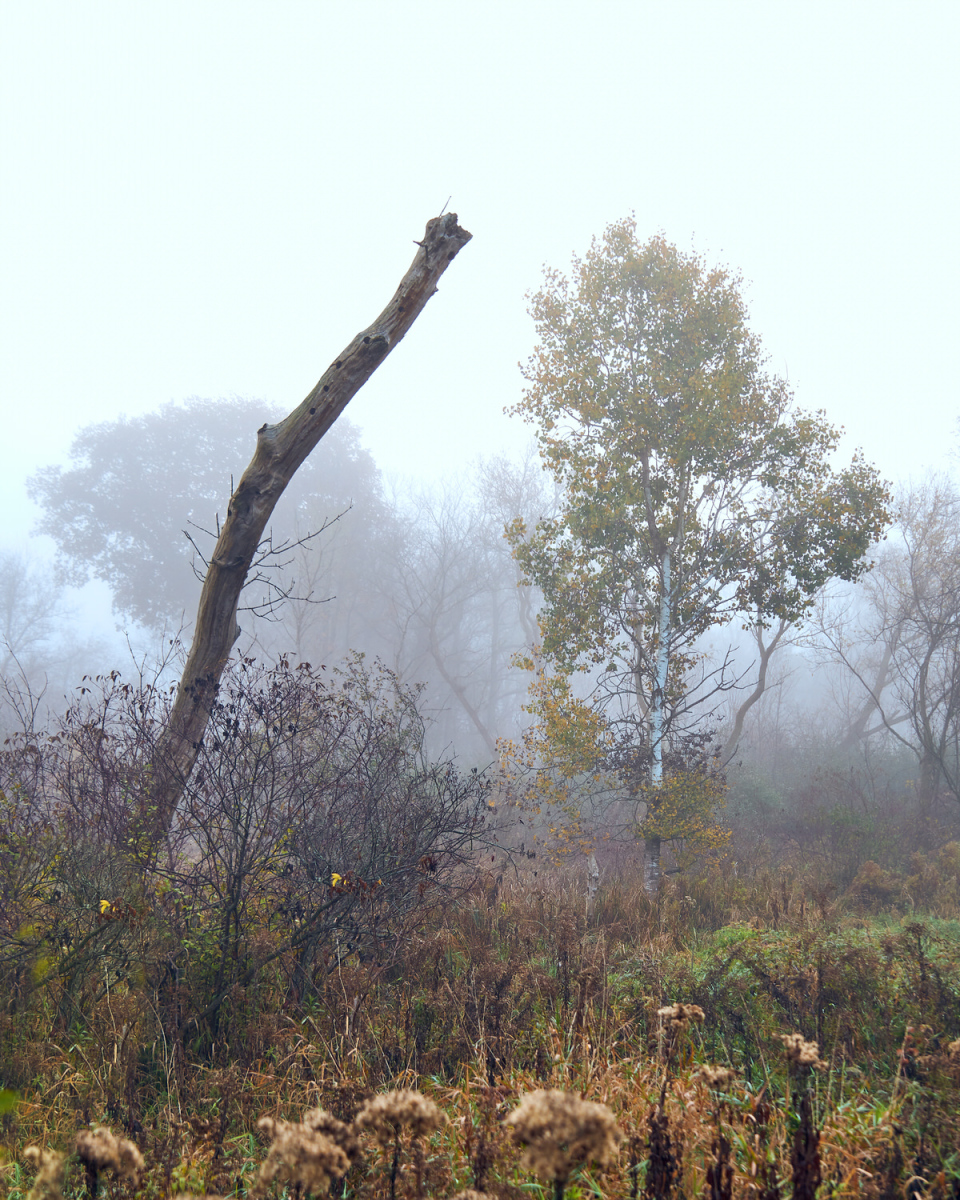
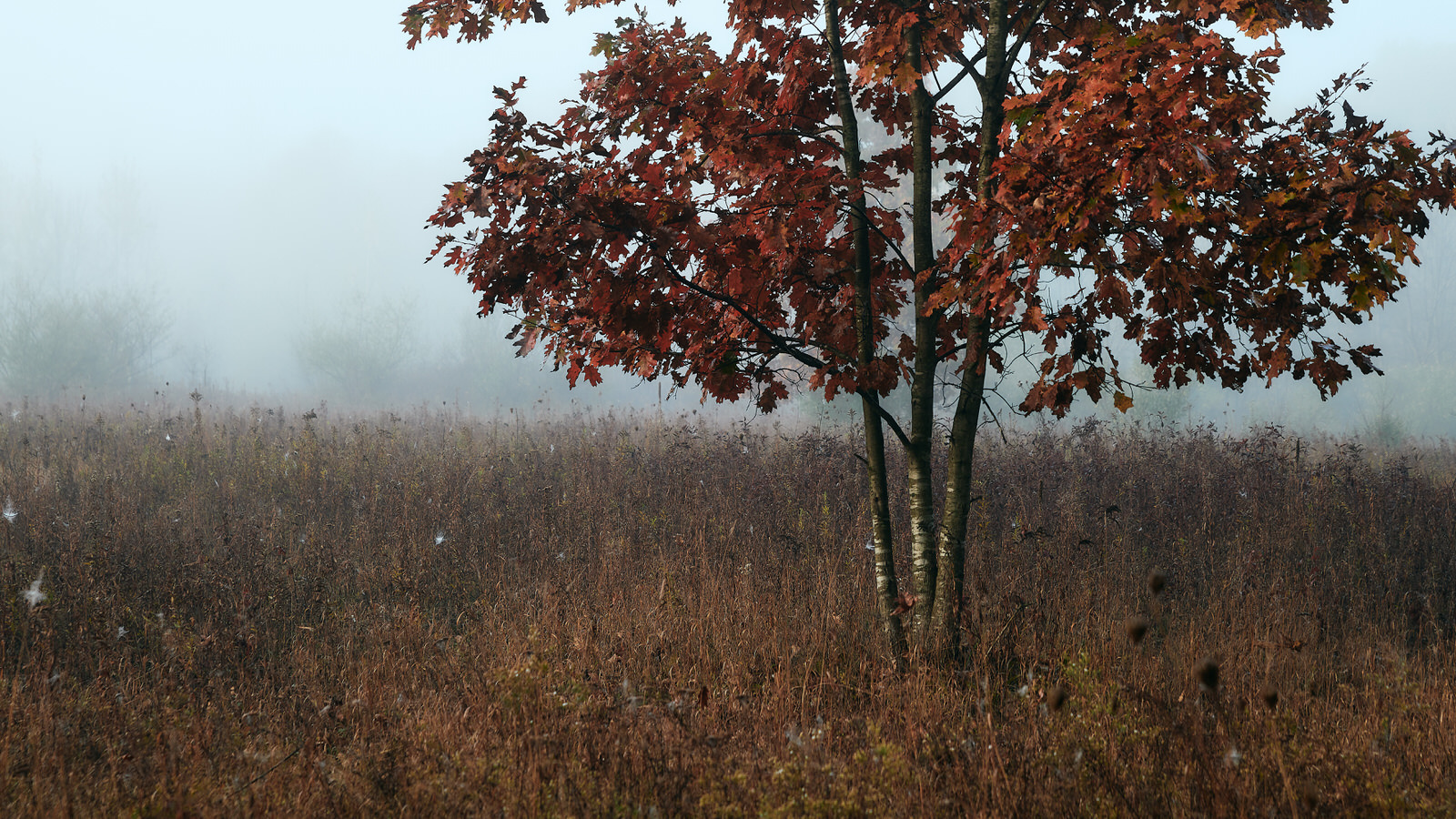
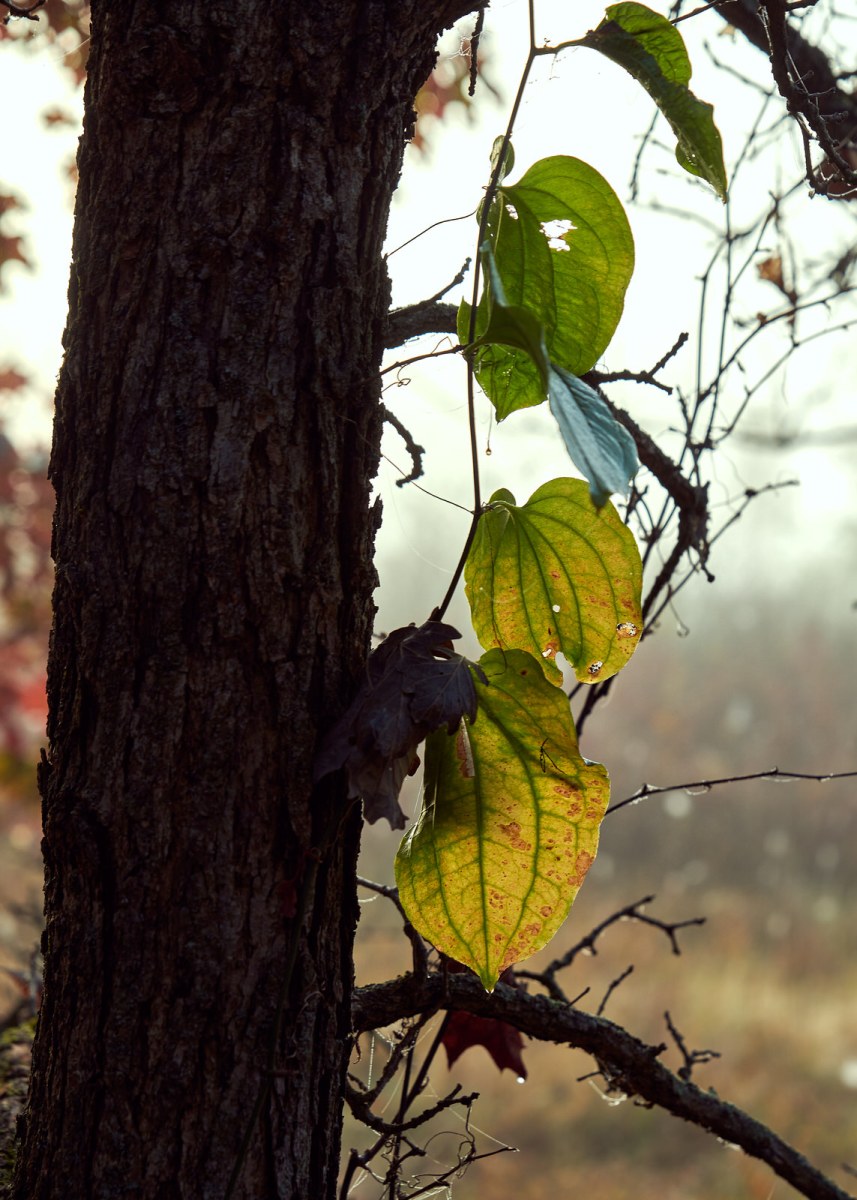
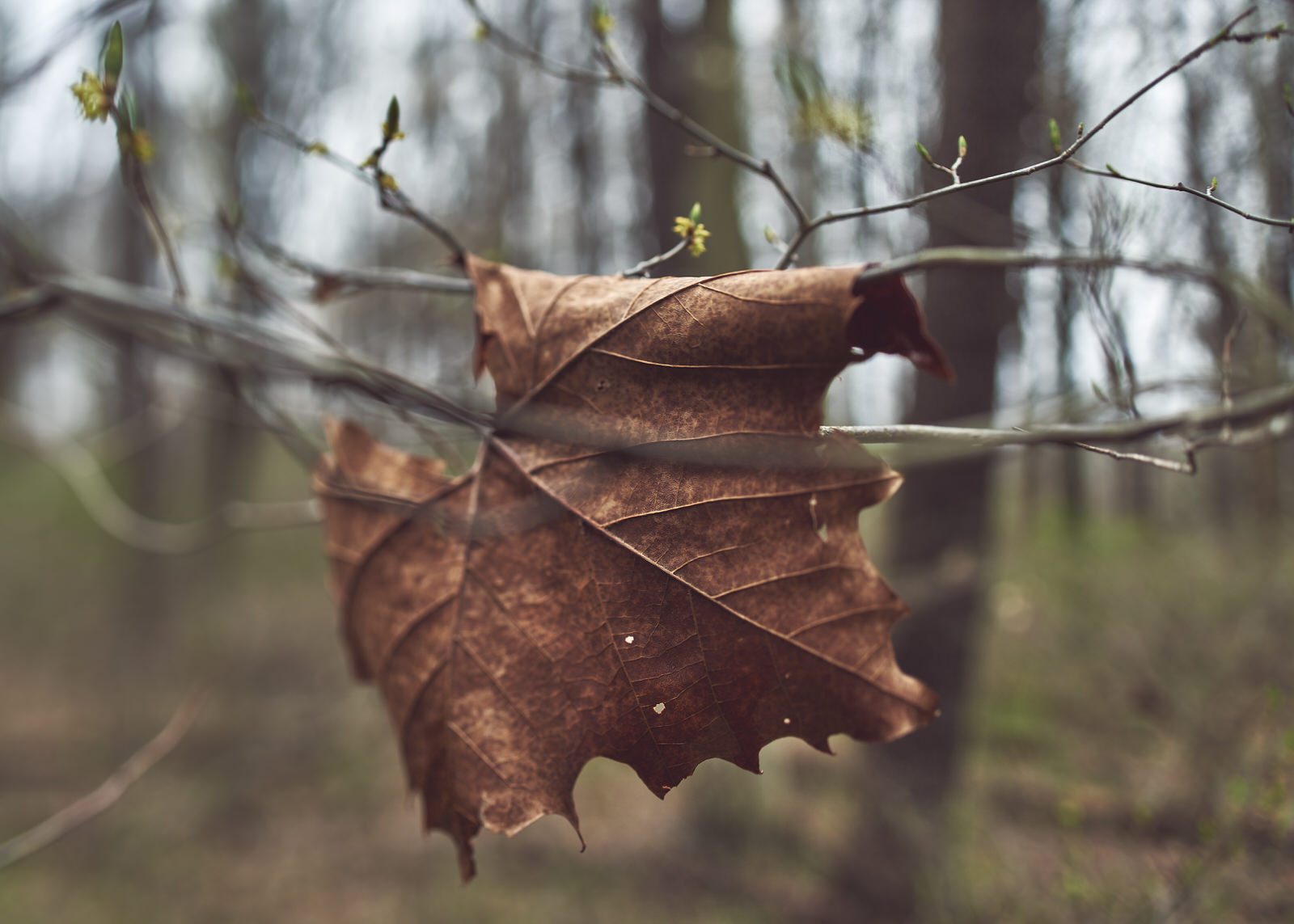
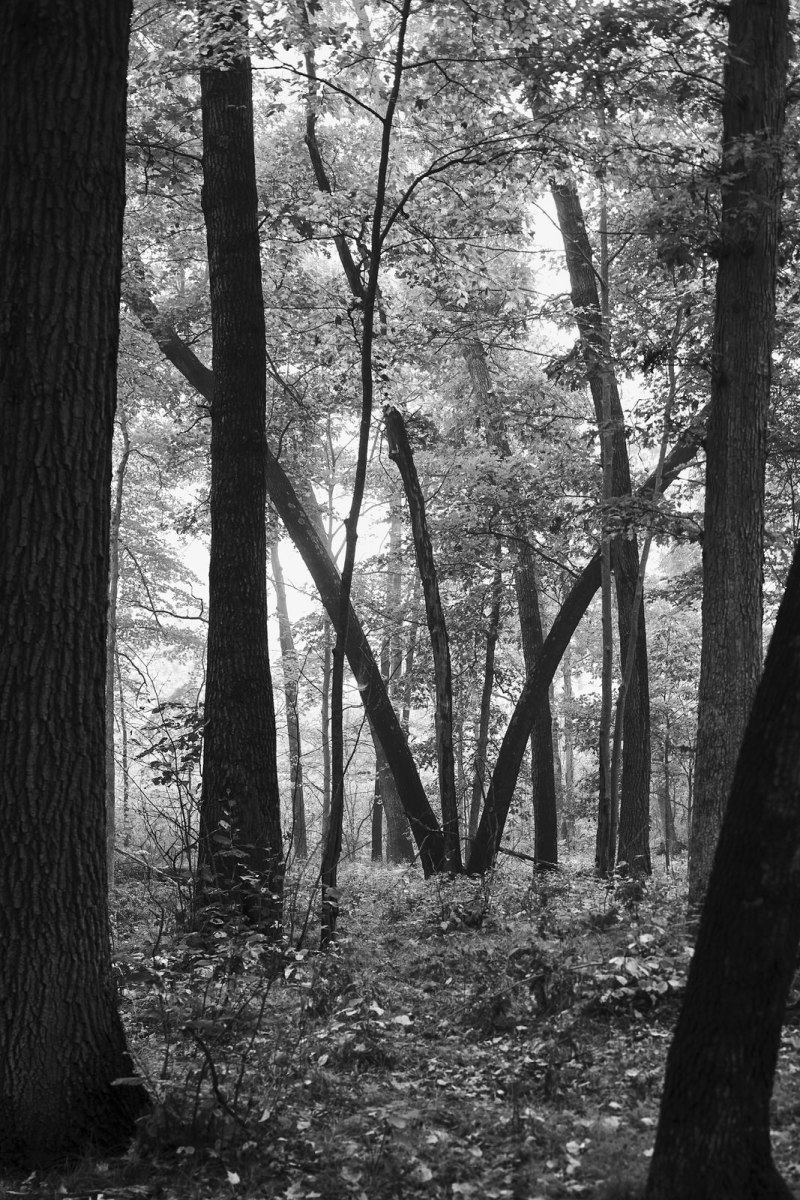
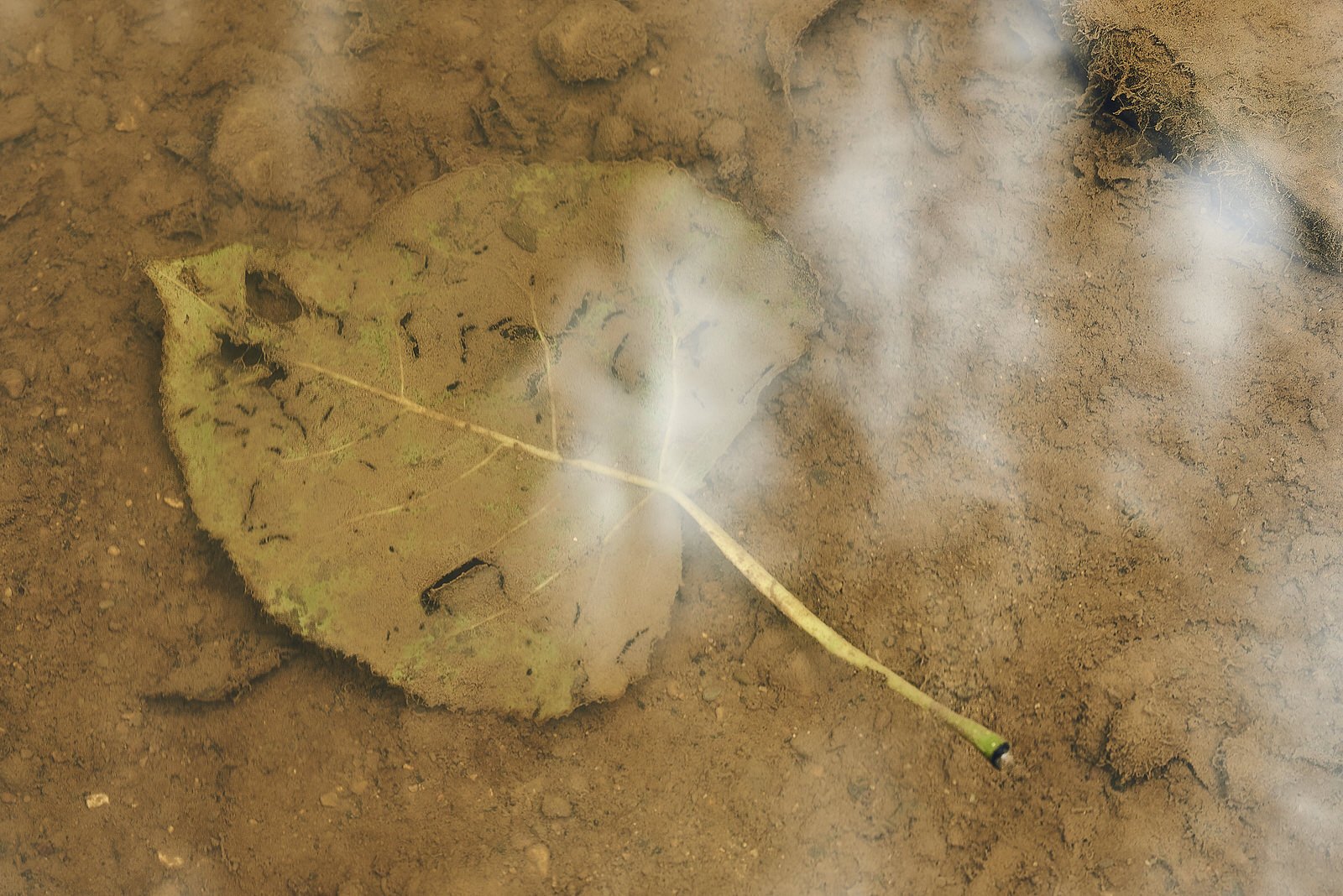
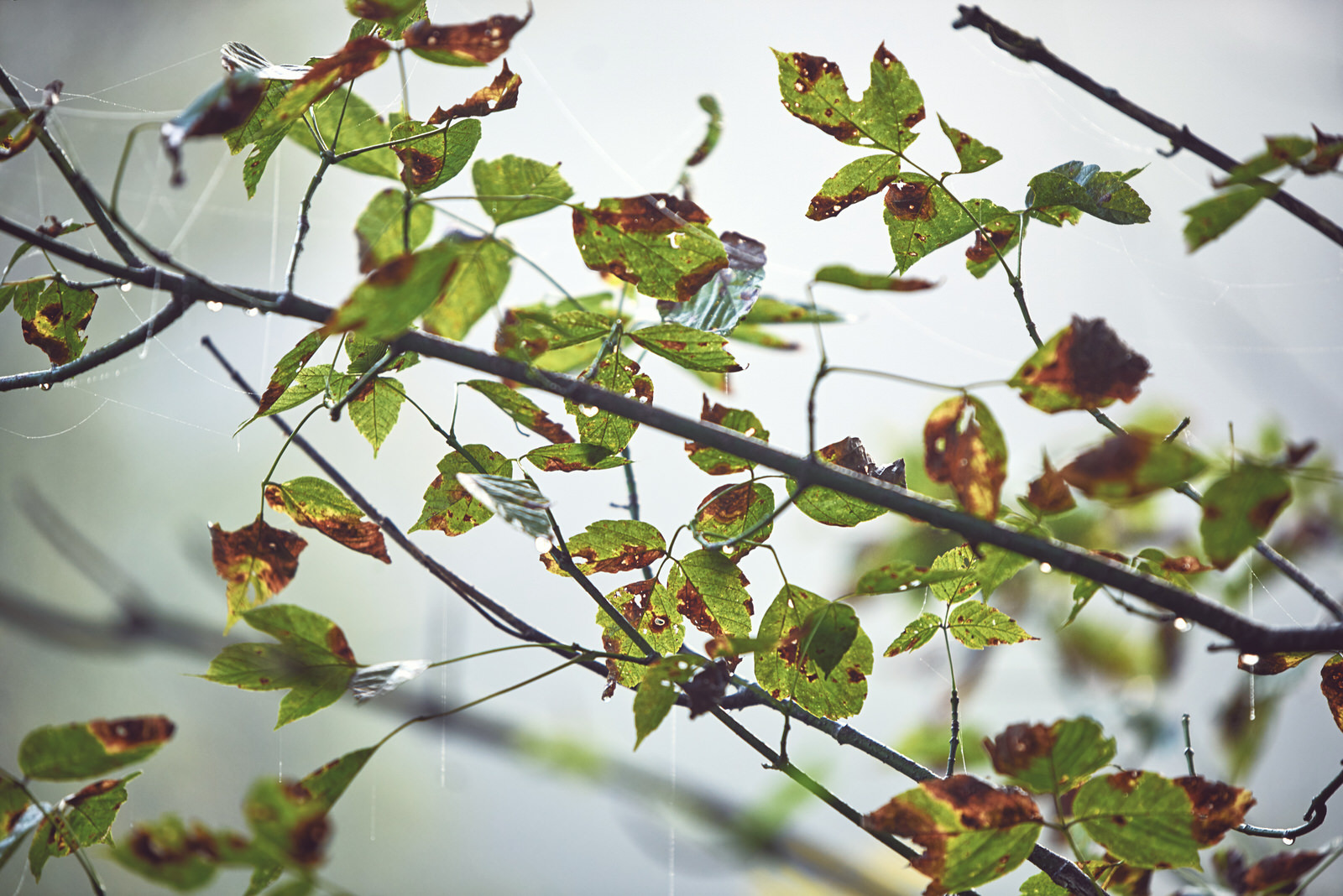
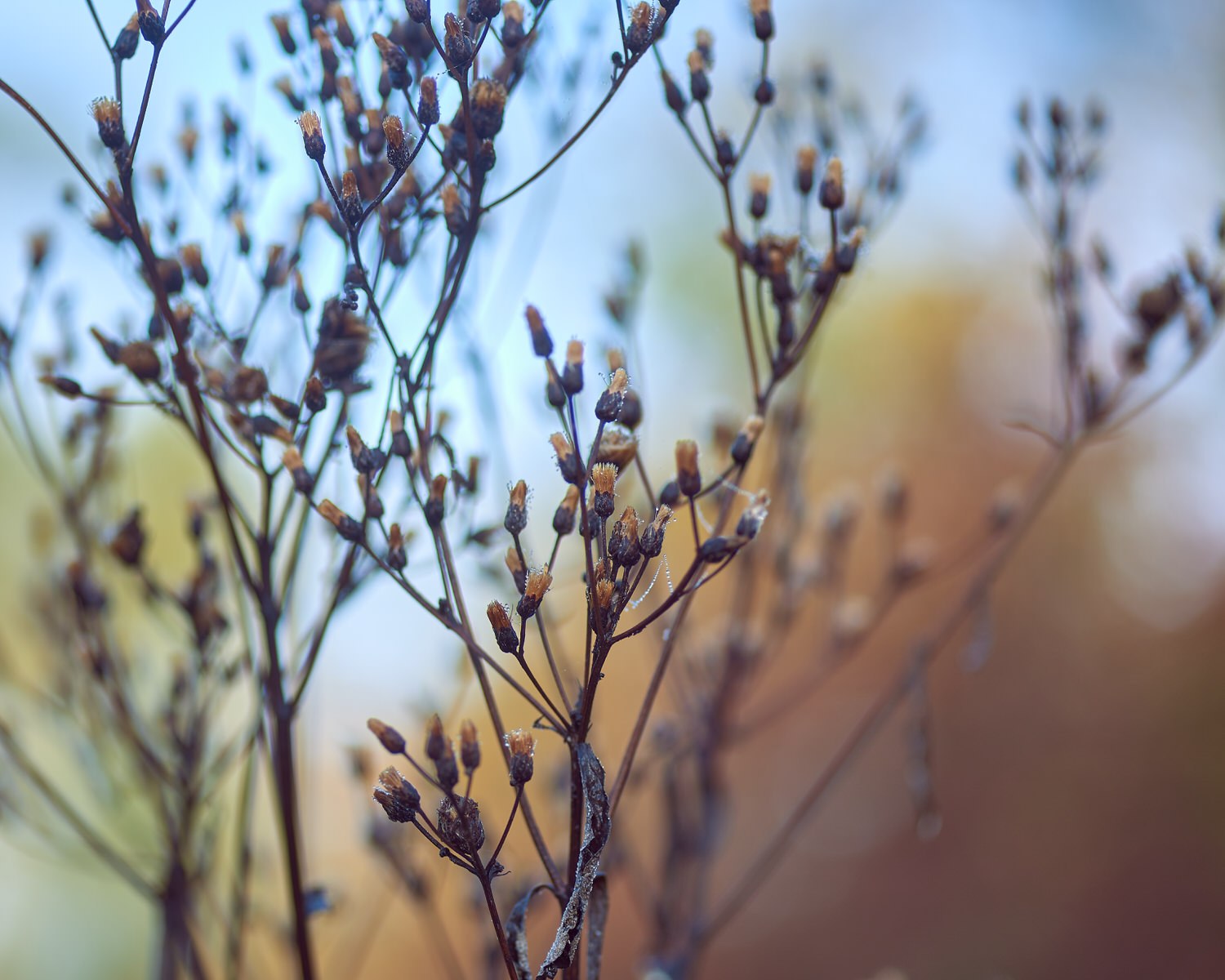
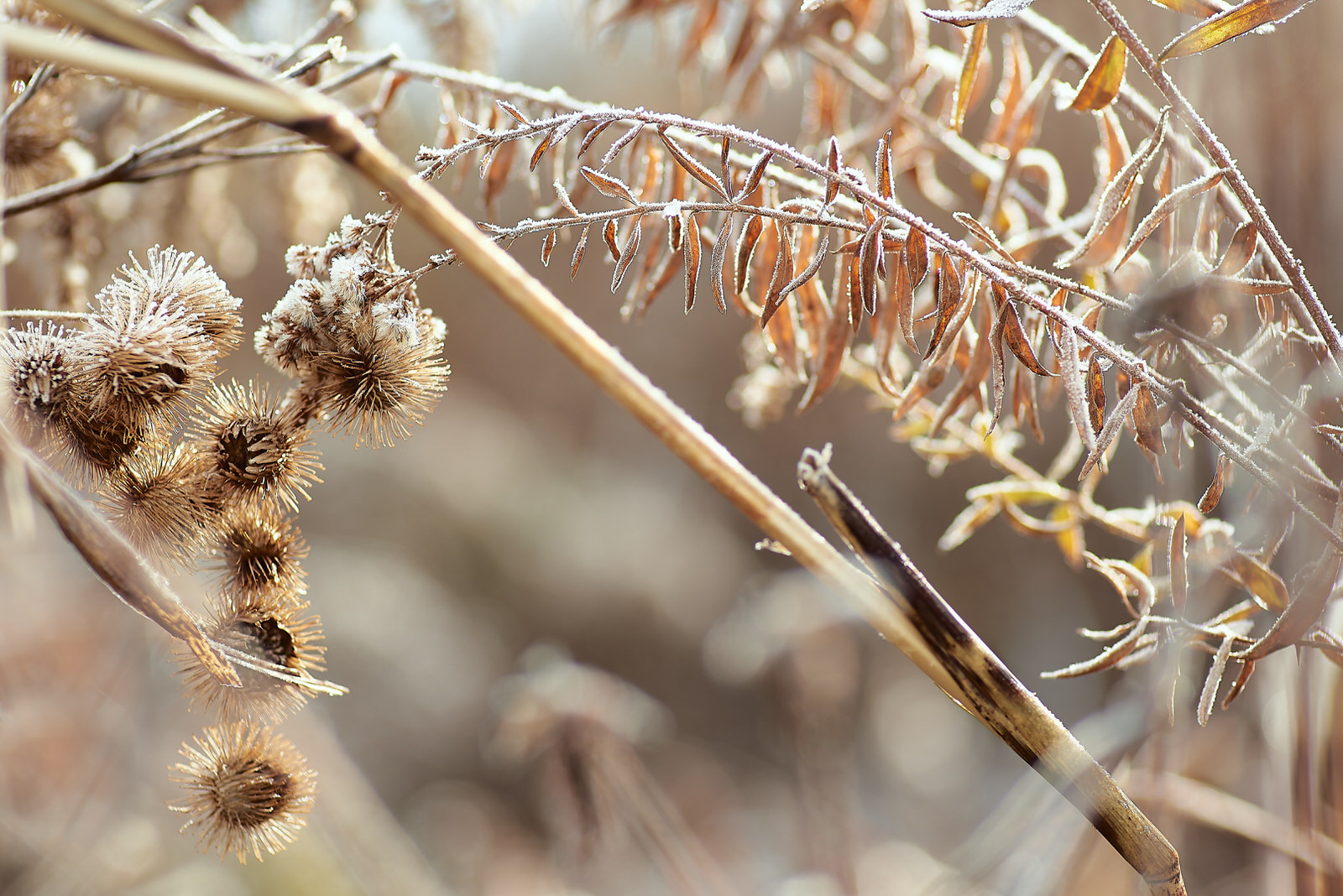
Our woodlands are full of photographic possibilities. Ancient oaks, graceful maples, tangled branches, moss-covered logs, and carpets of autumn leaves offer endless combinations of texture, color, and form. Spring brings woodland wildflowers, including trilliums, bloodroot, and spring beauties, pushing through last year’s leaves. Summer fills the canopy with green, while autumn transforms familiar woods into brilliant displays of copper, gold, and crimson. Even winter has its attractions, when bare branches reveal elegant patterns against a quiet sky. Every season offers a different photograph, often in the very same place.
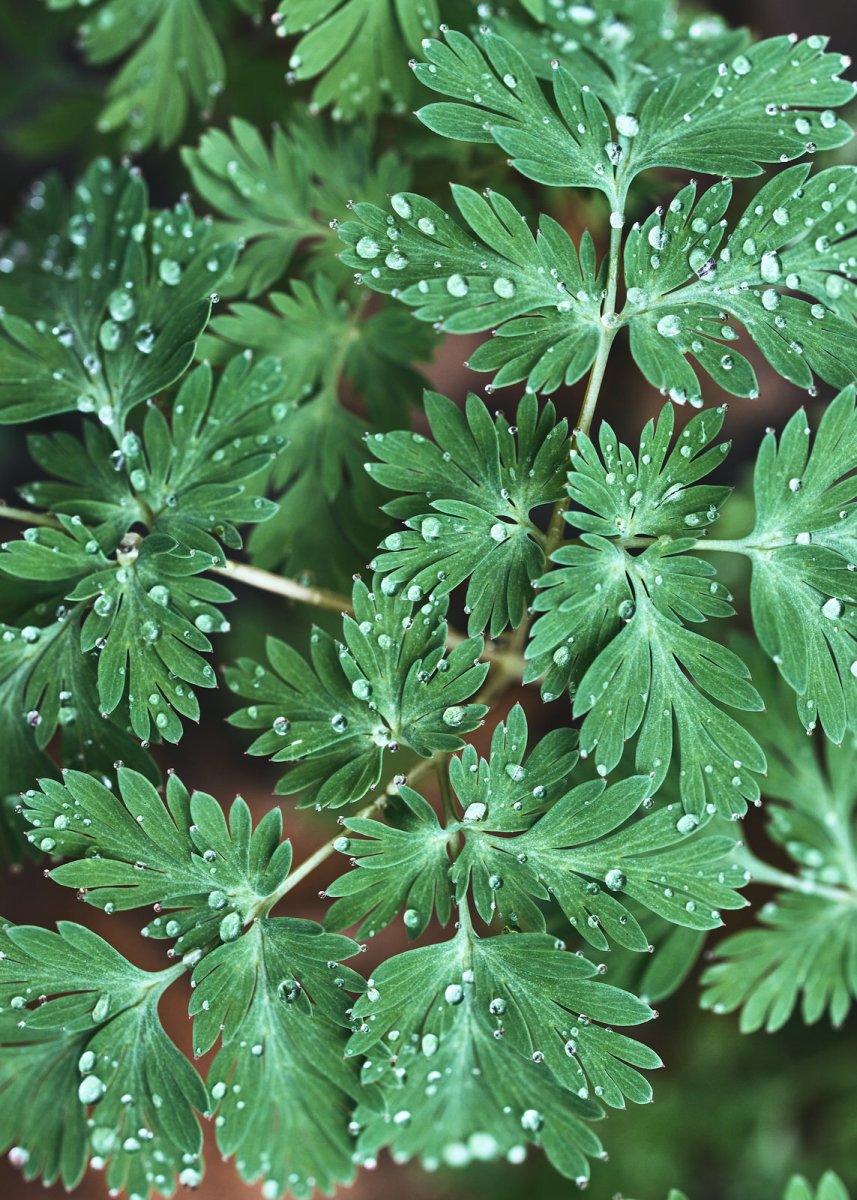
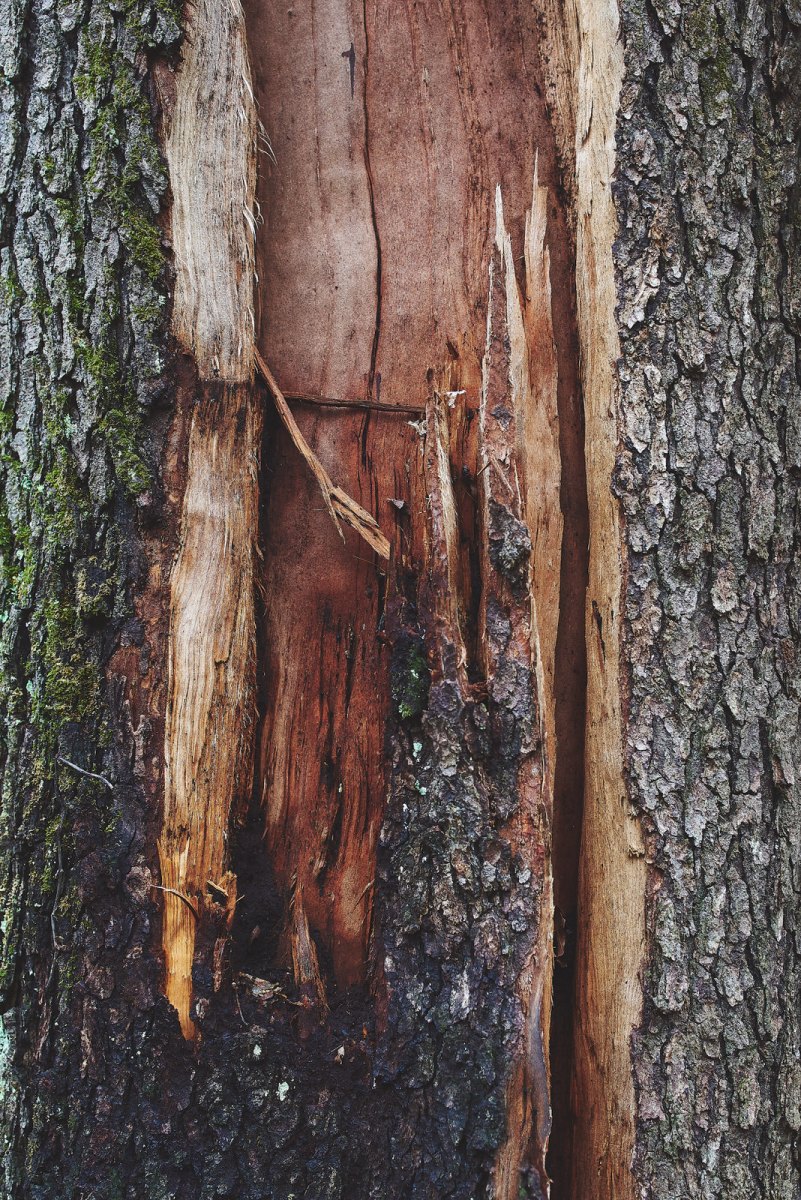
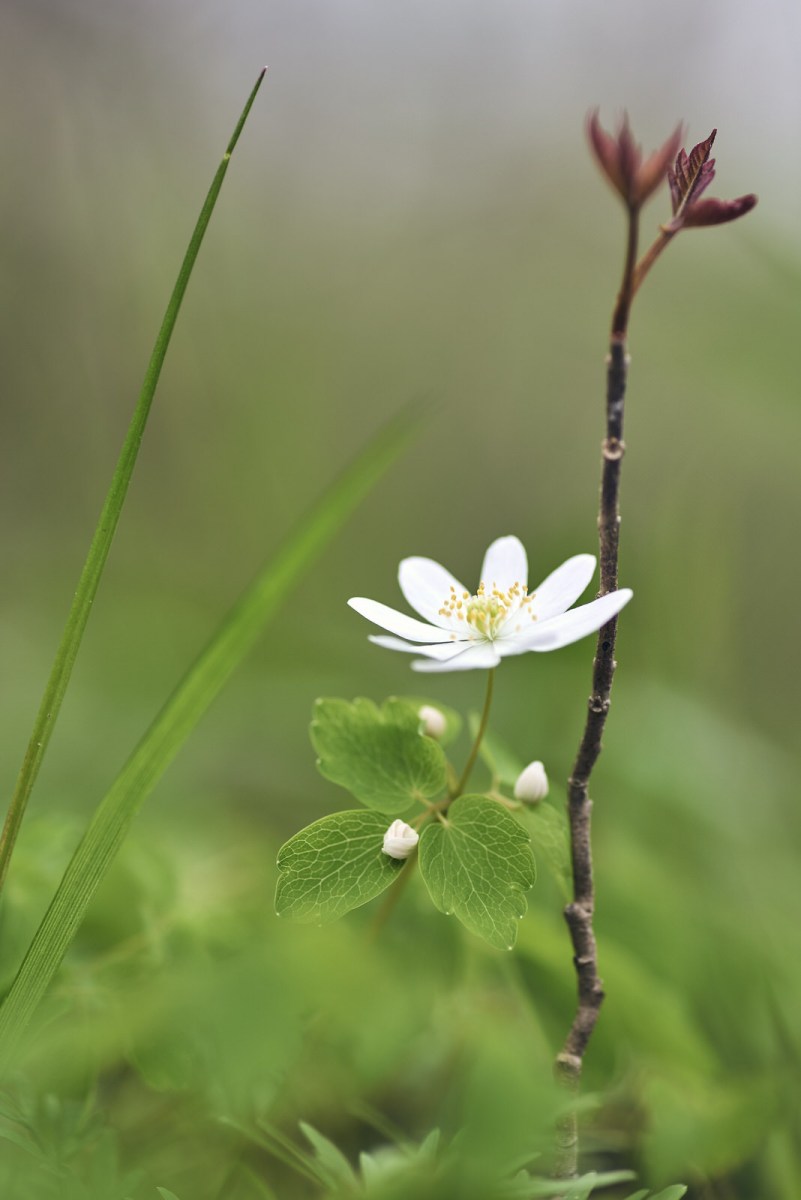
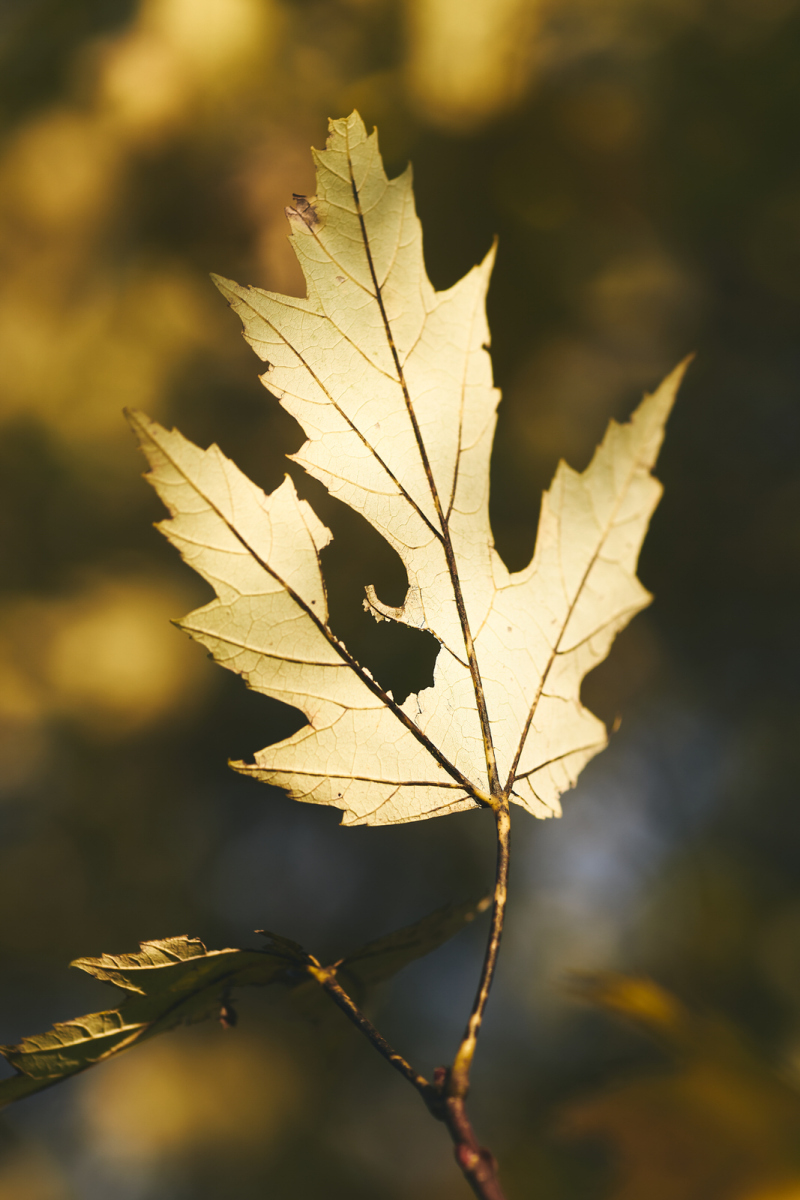
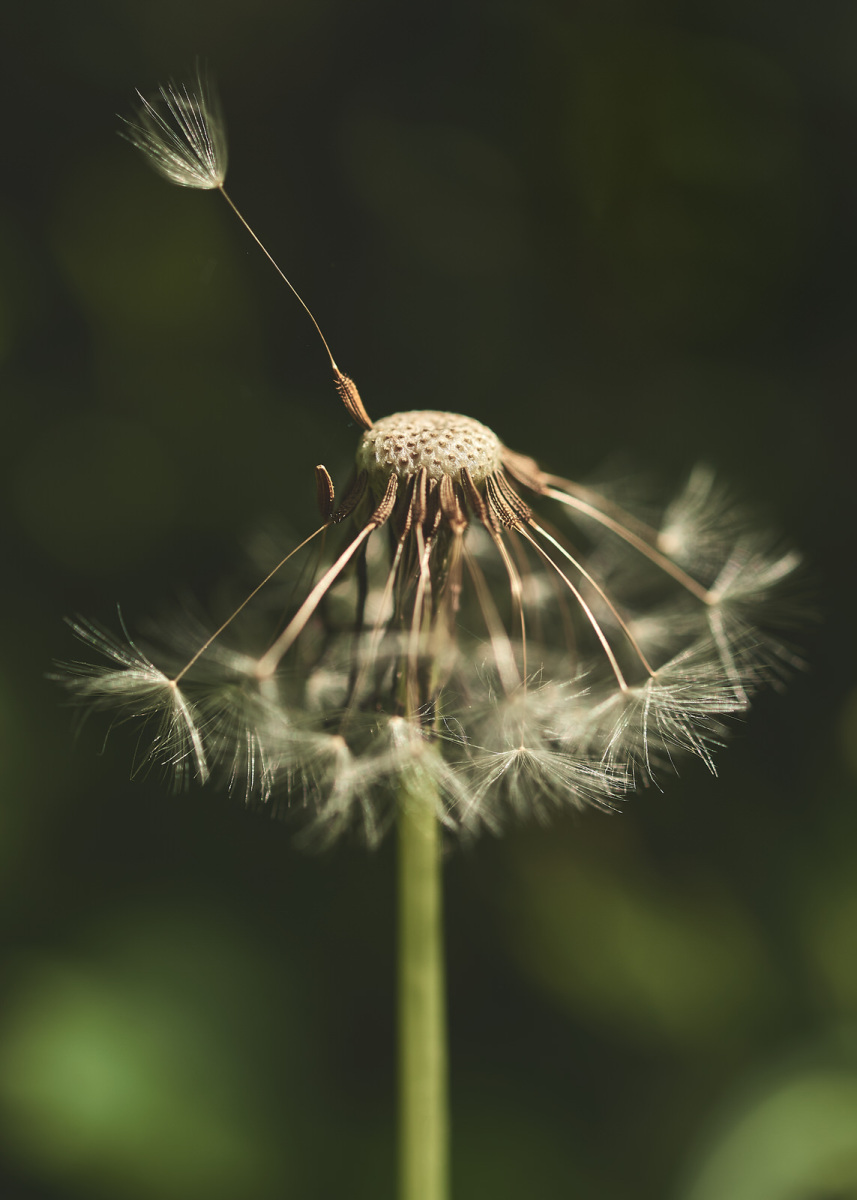
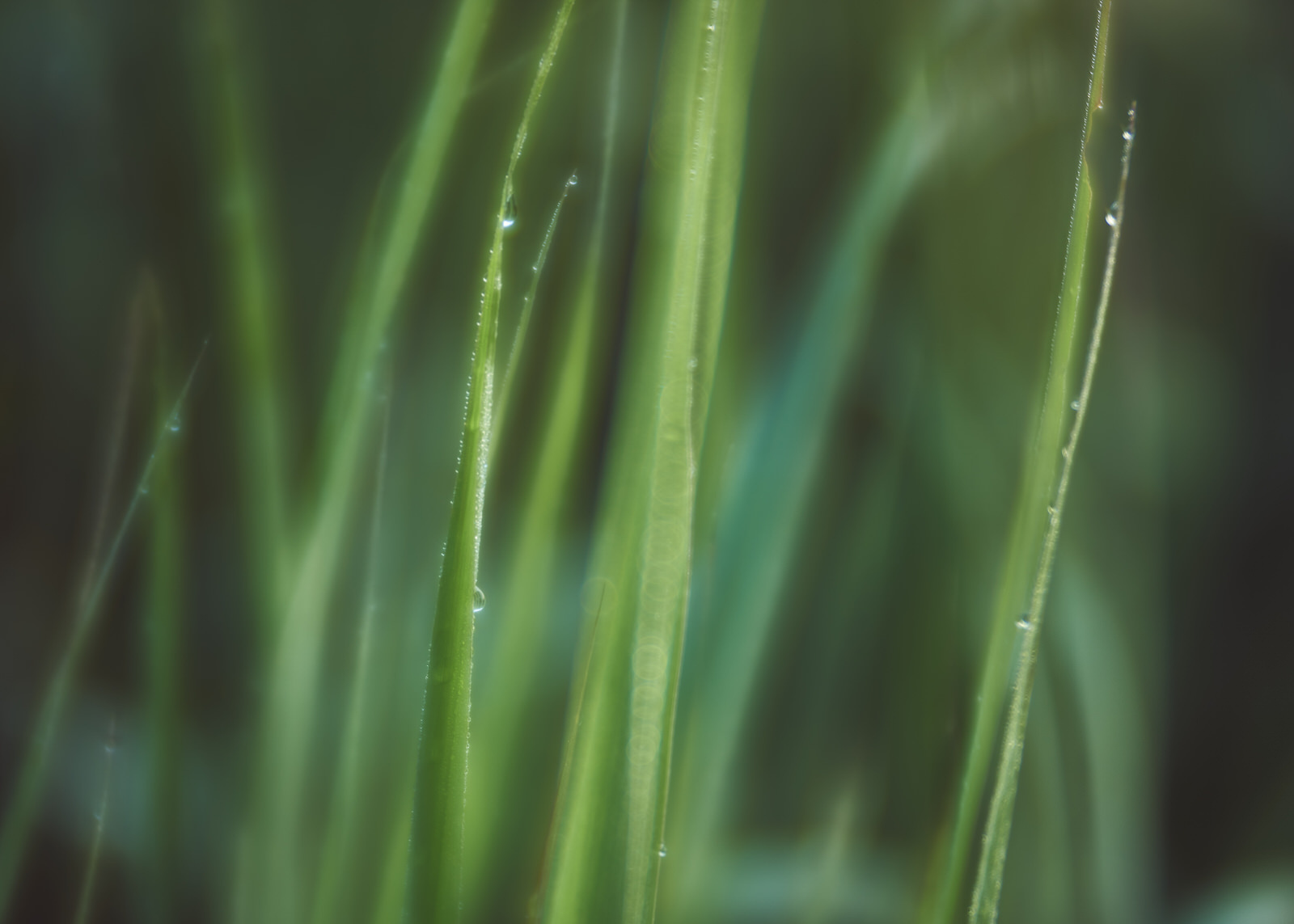
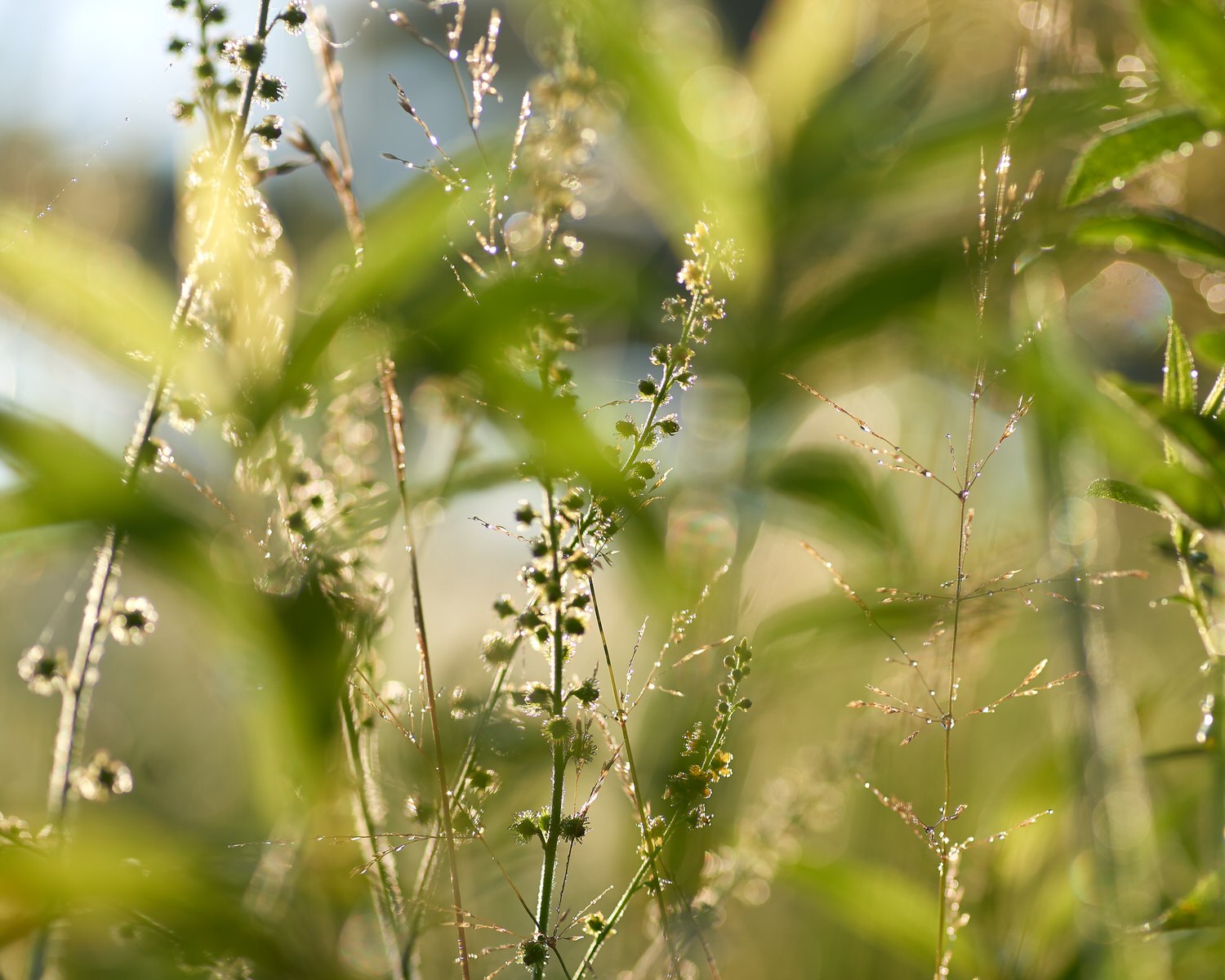
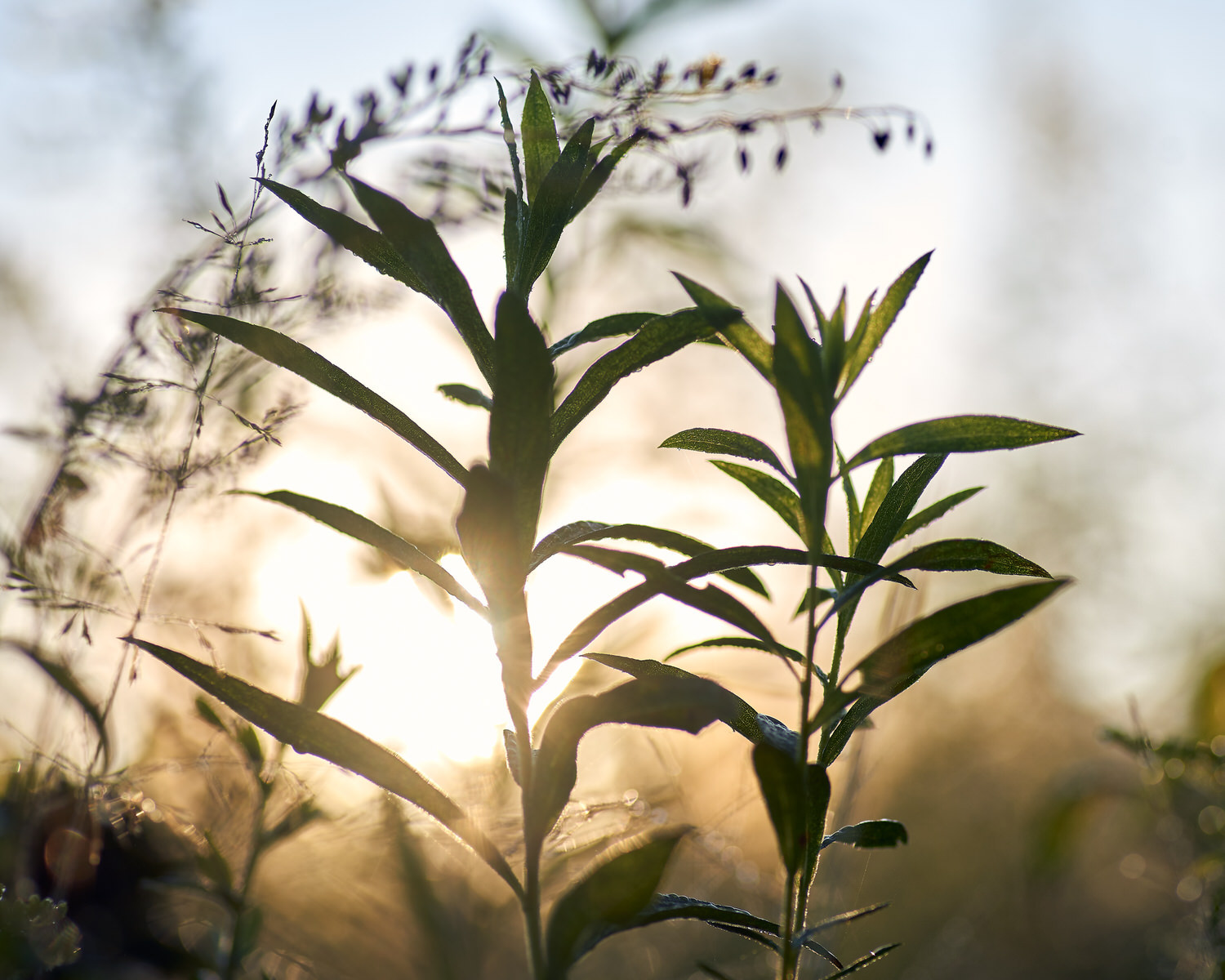
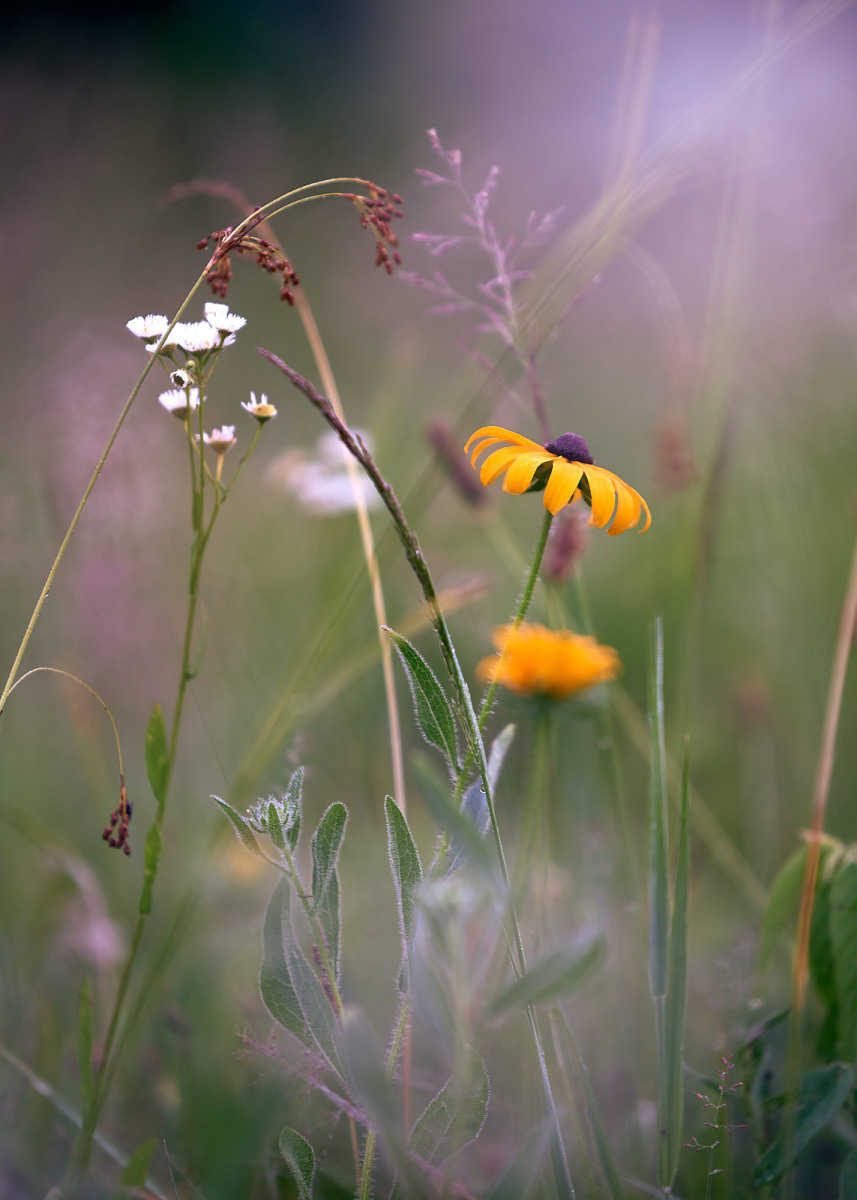
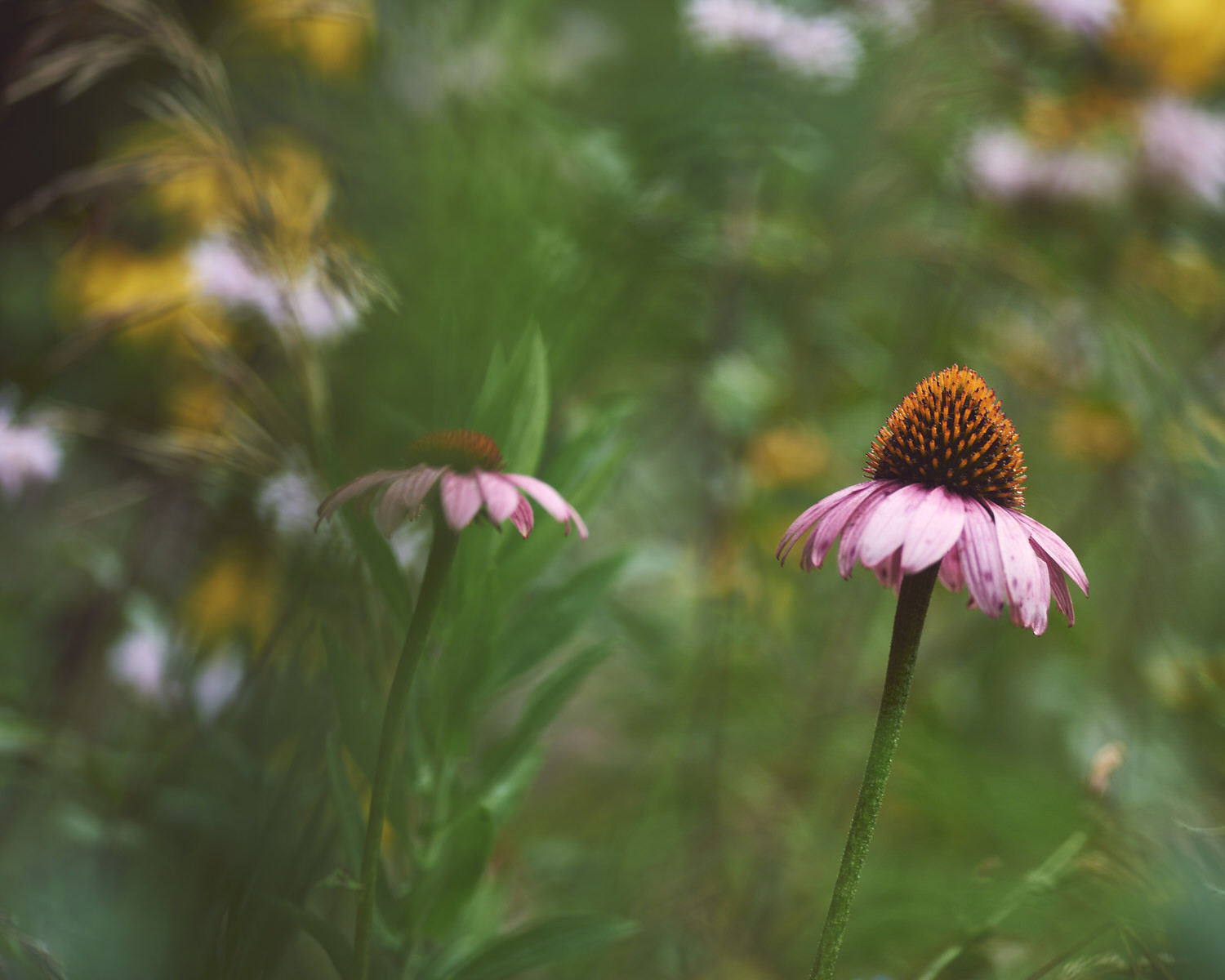
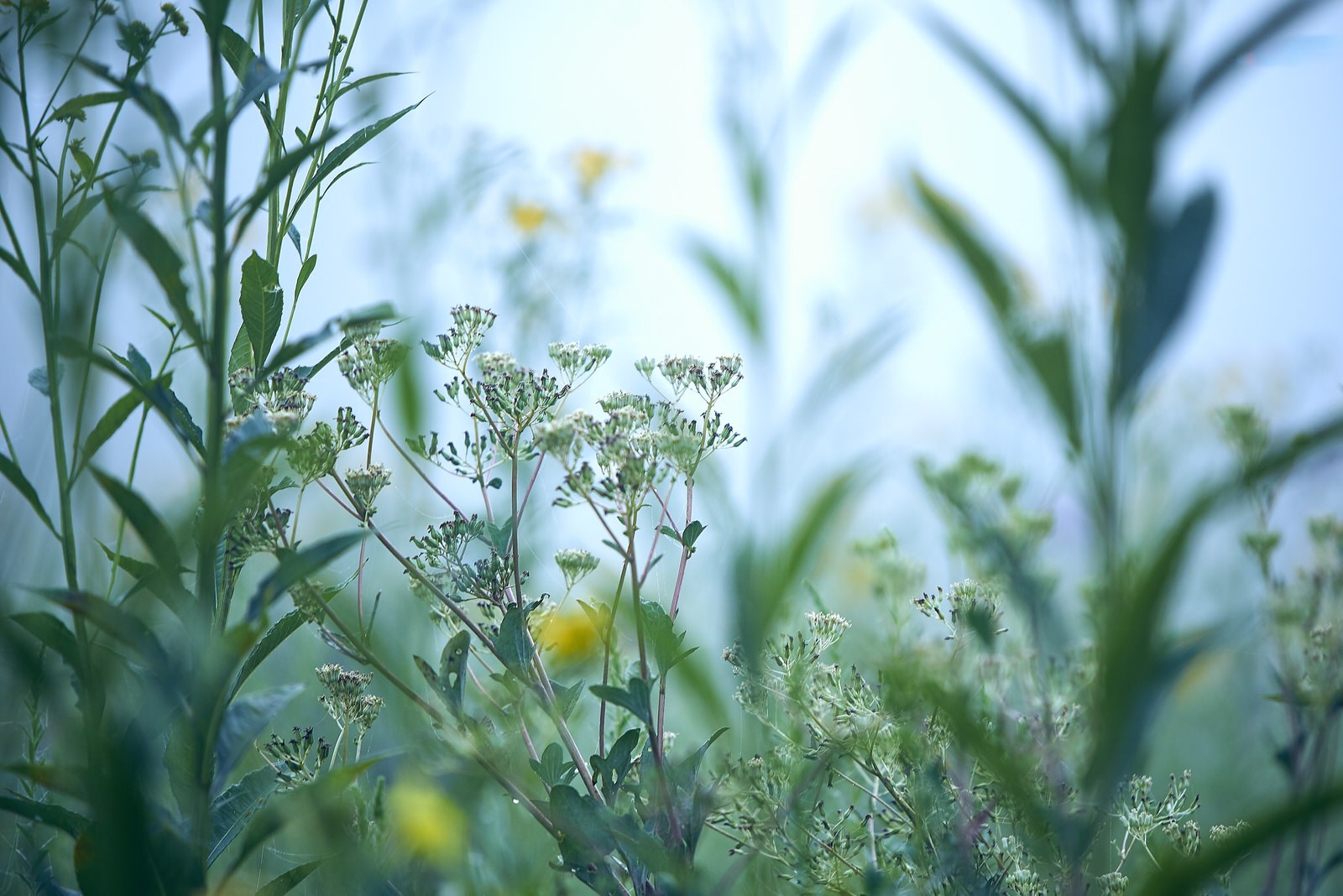
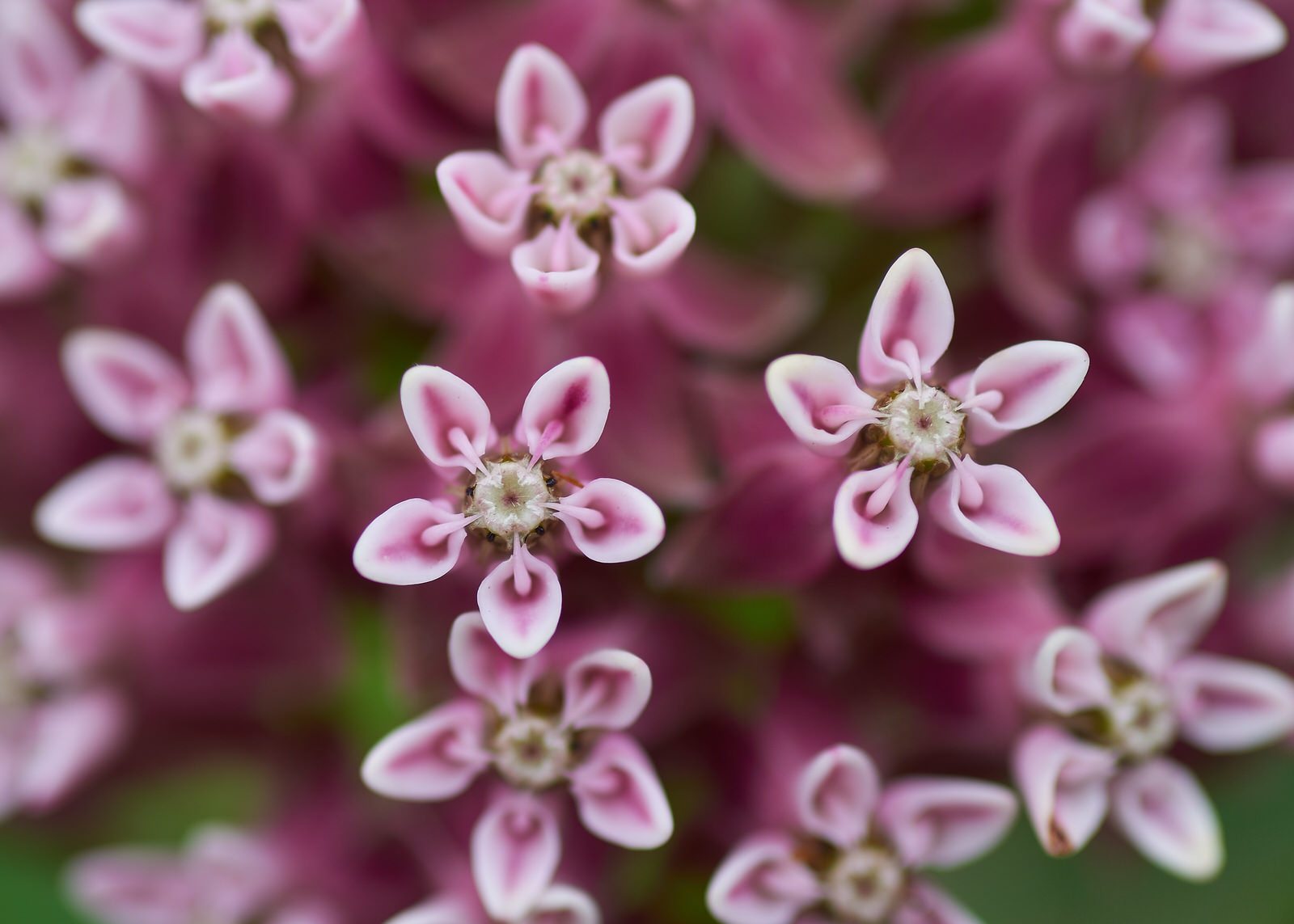
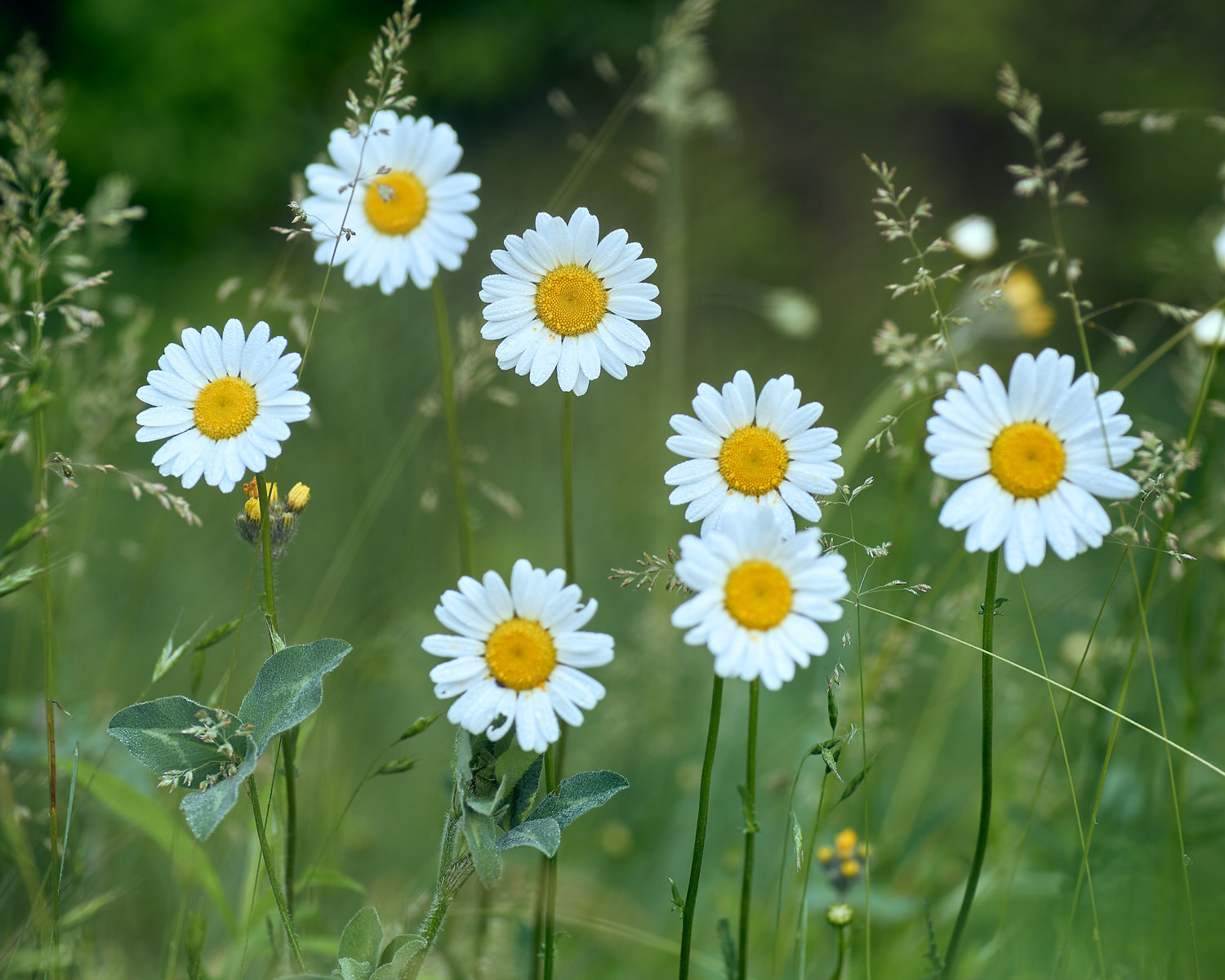
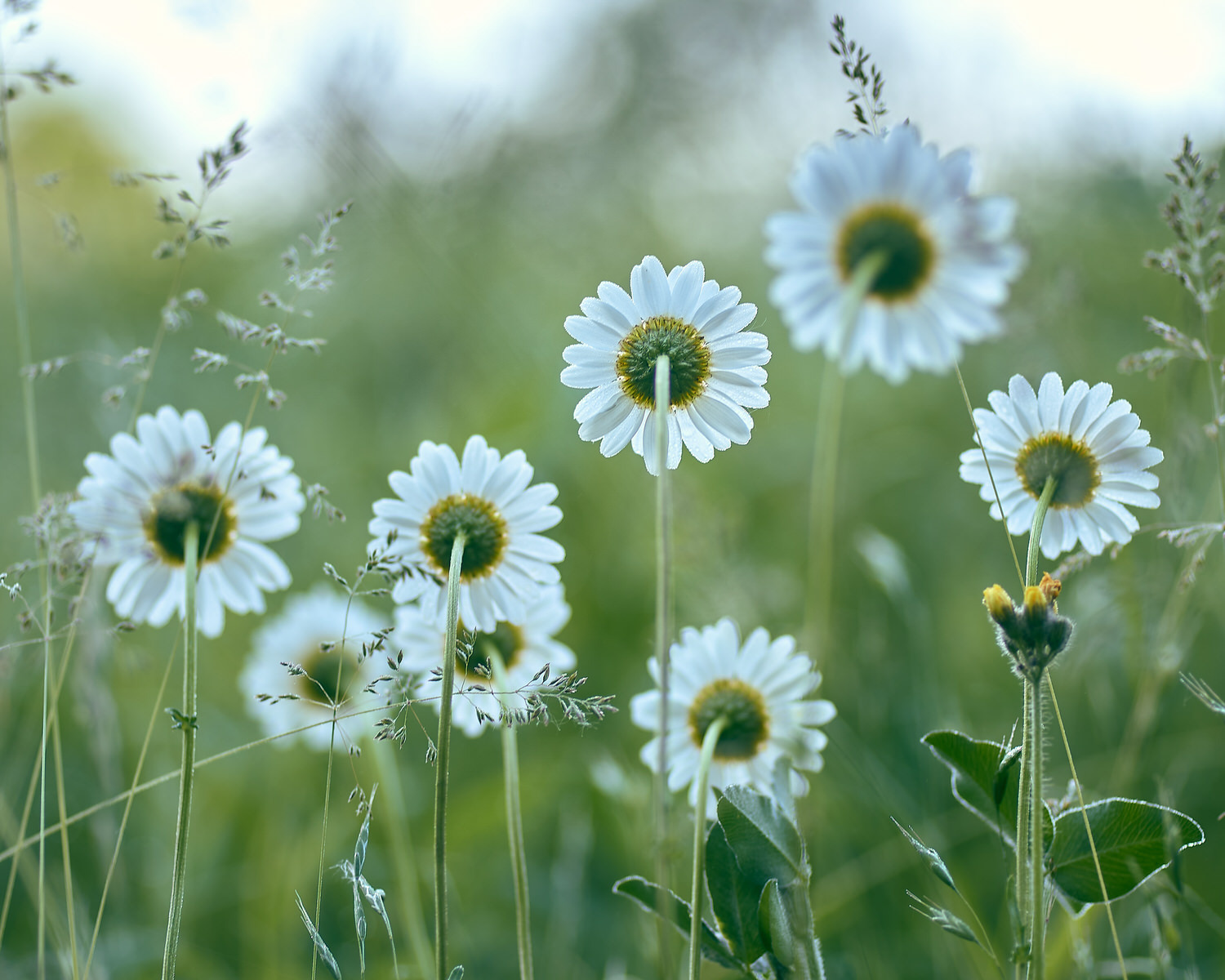
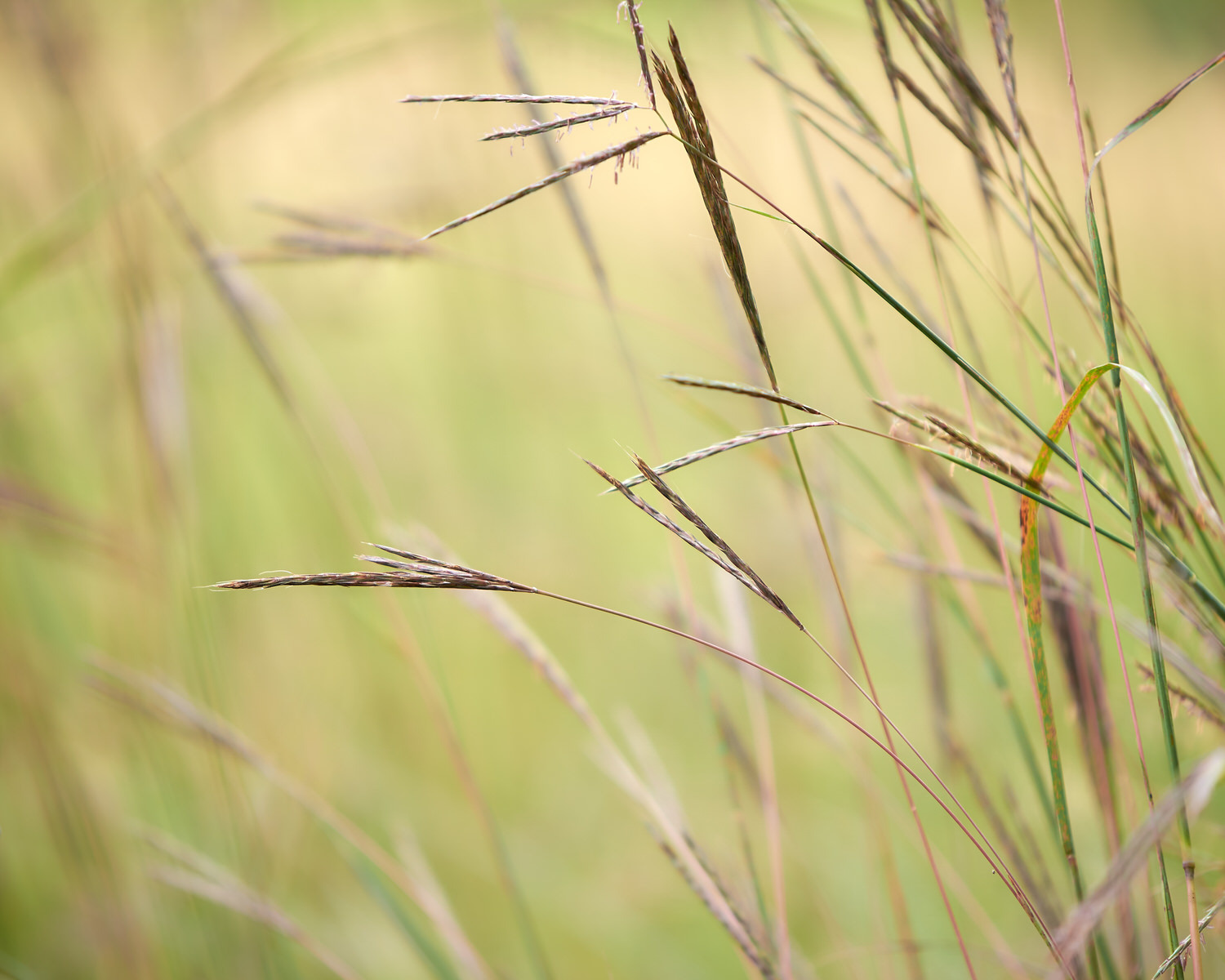
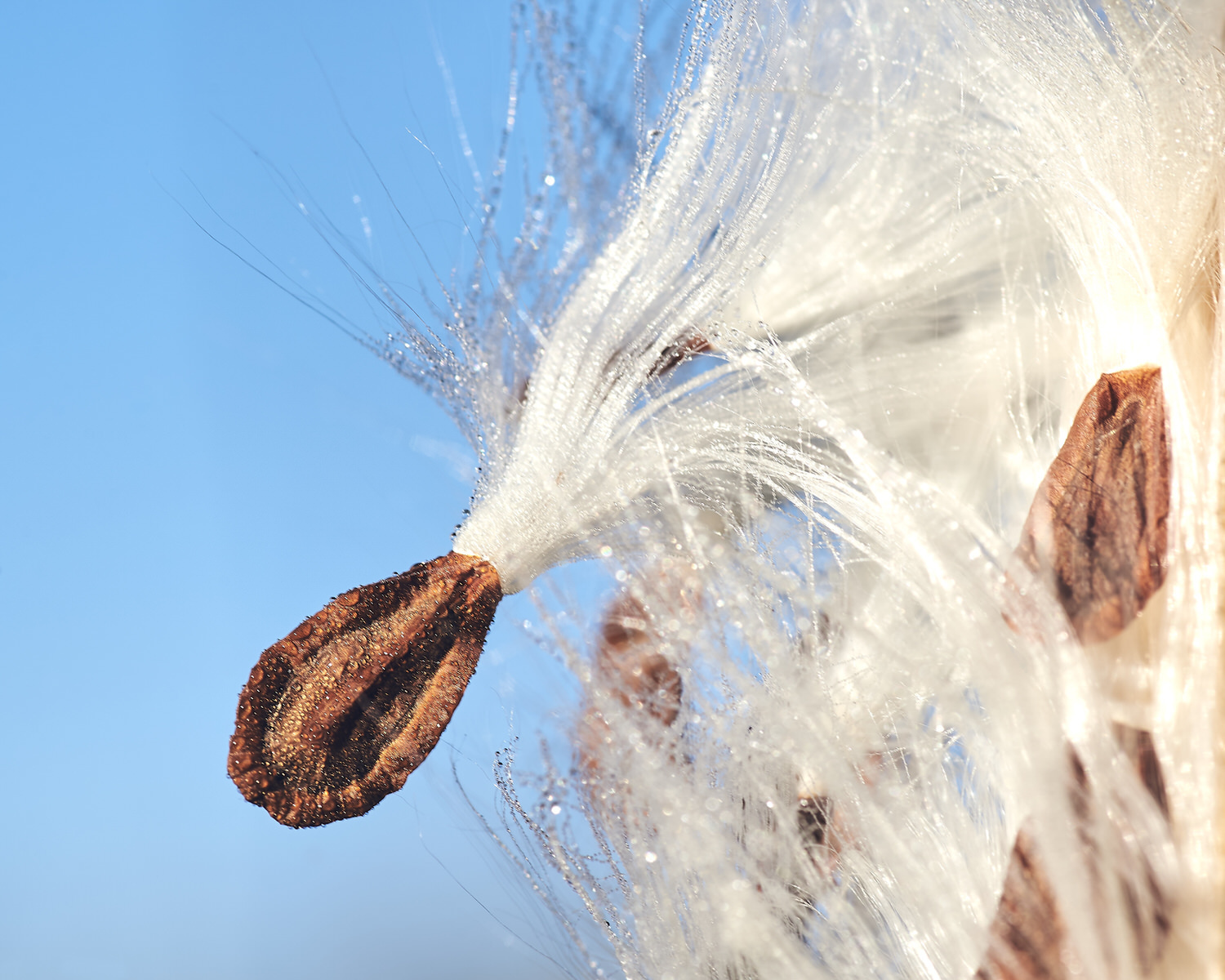
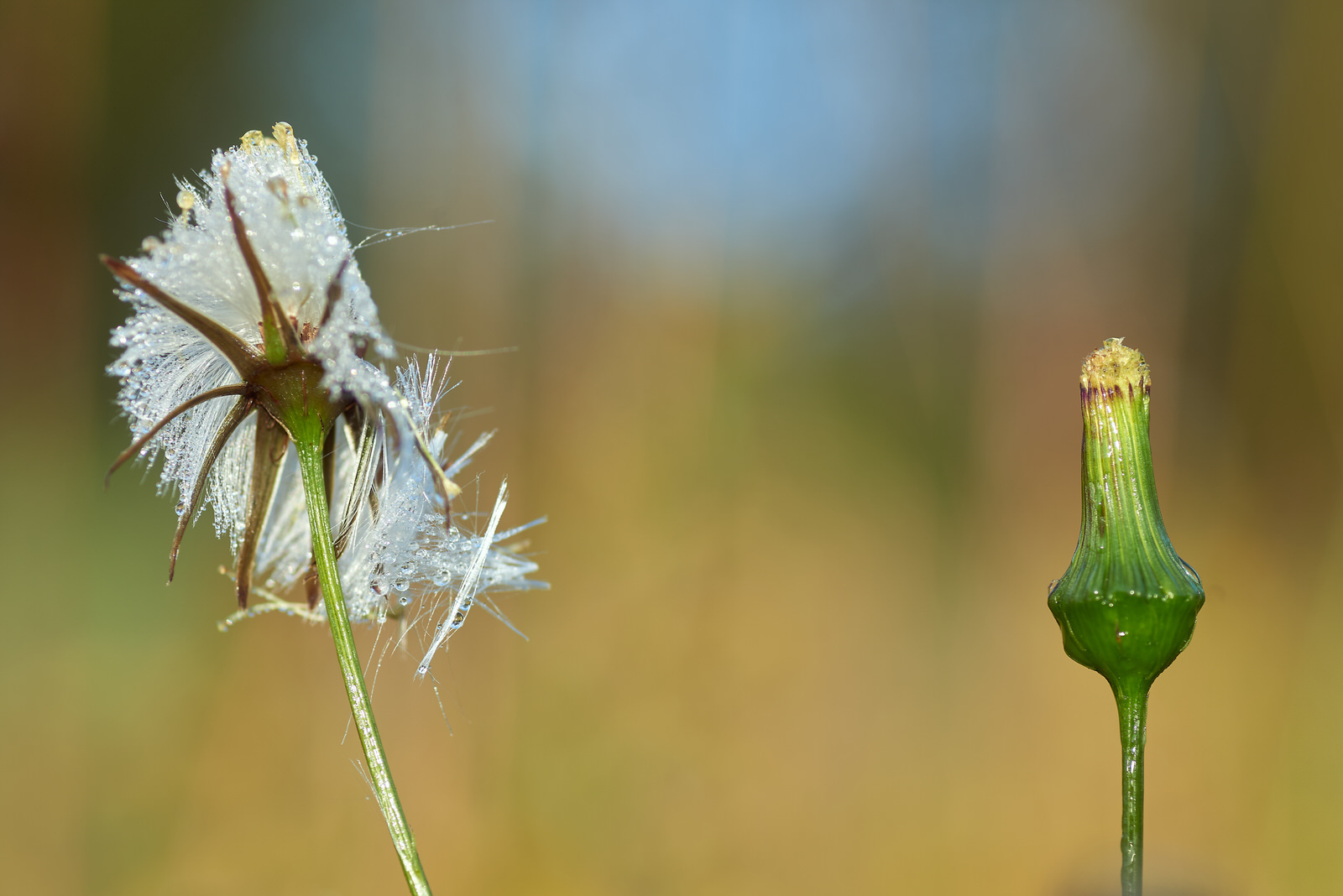
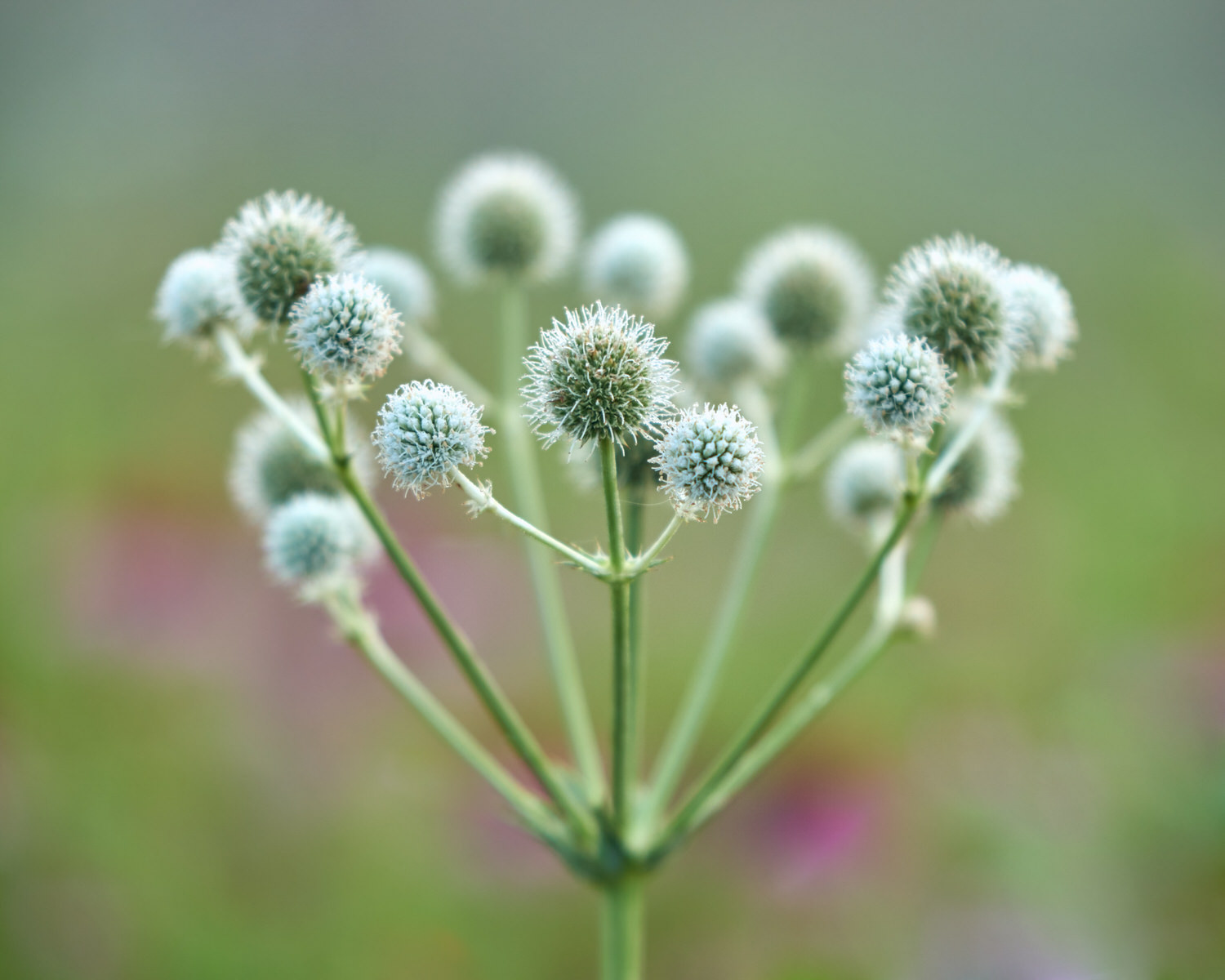
The fields are equally captivating. A Midwestern meadow in summer can be a wonderful tangle of grasses, wildflowers, and movement. Black-eyed Susans, purple coneflowers, milkweed, goldenrod, and asters create a changing palette of color. Morning mist, dramatic clouds, and late-afternoon sunlight add another dimension. Sometimes the best photograph is a sweeping landscape; sometimes it is a single flower standing above the grass. The trick is knowing when to step back and when to get closer.
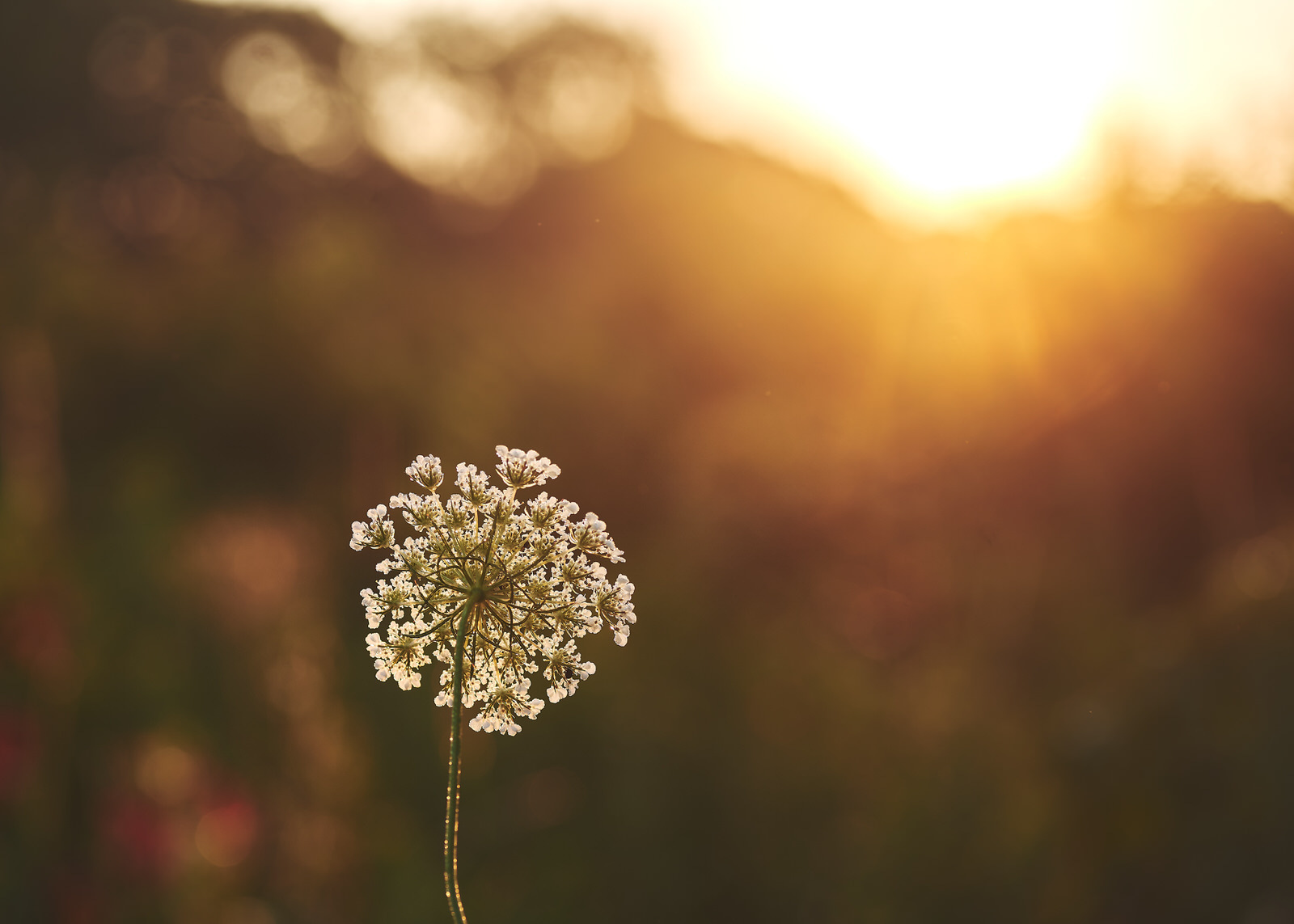
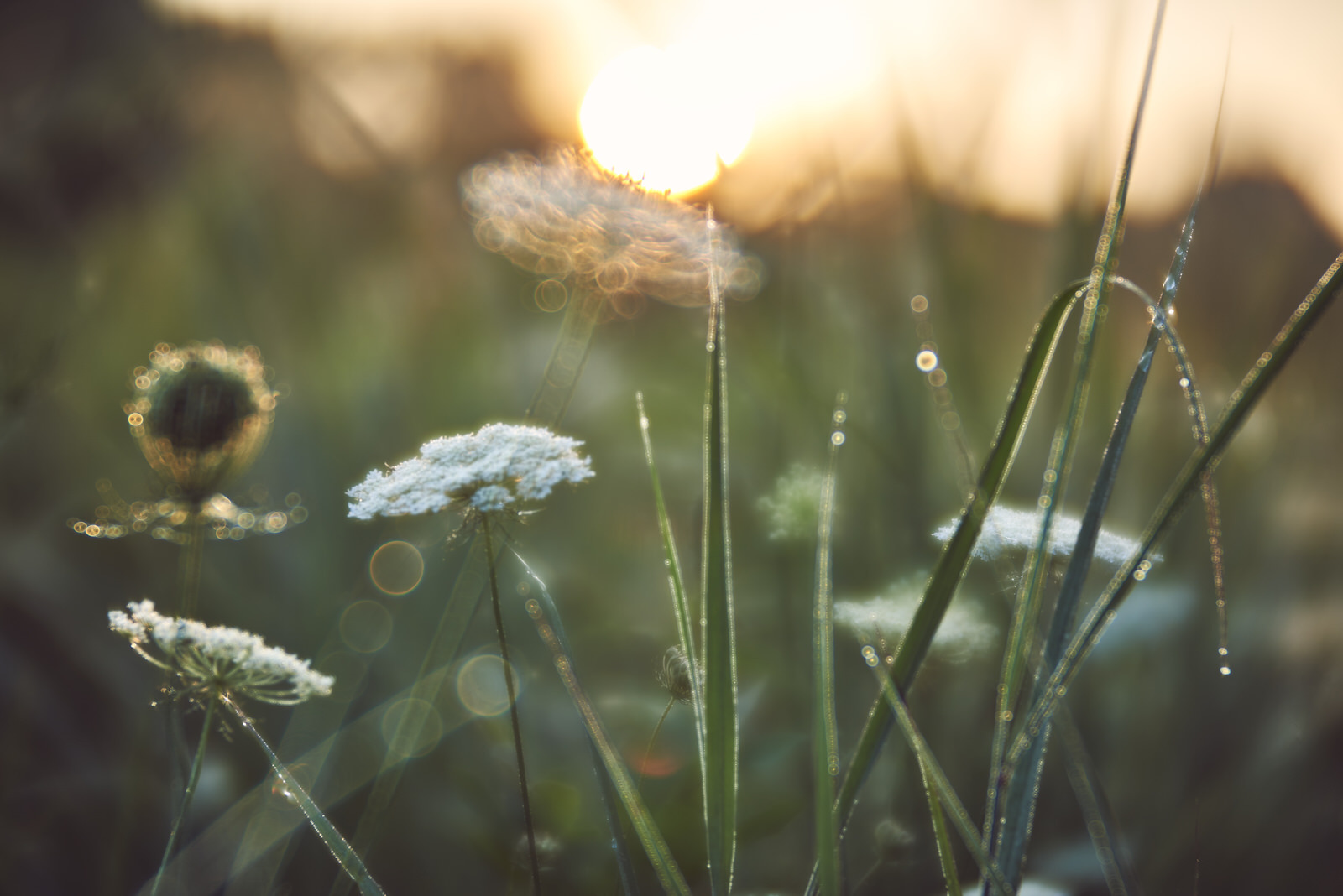
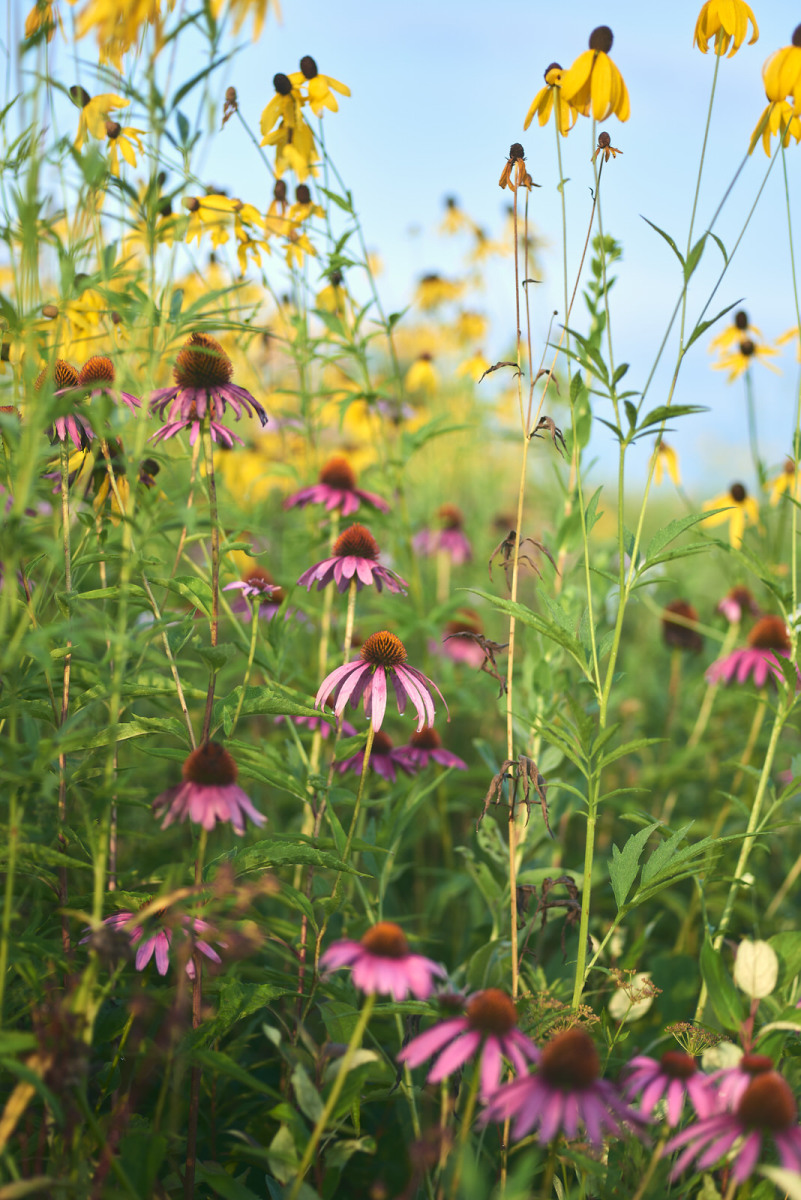
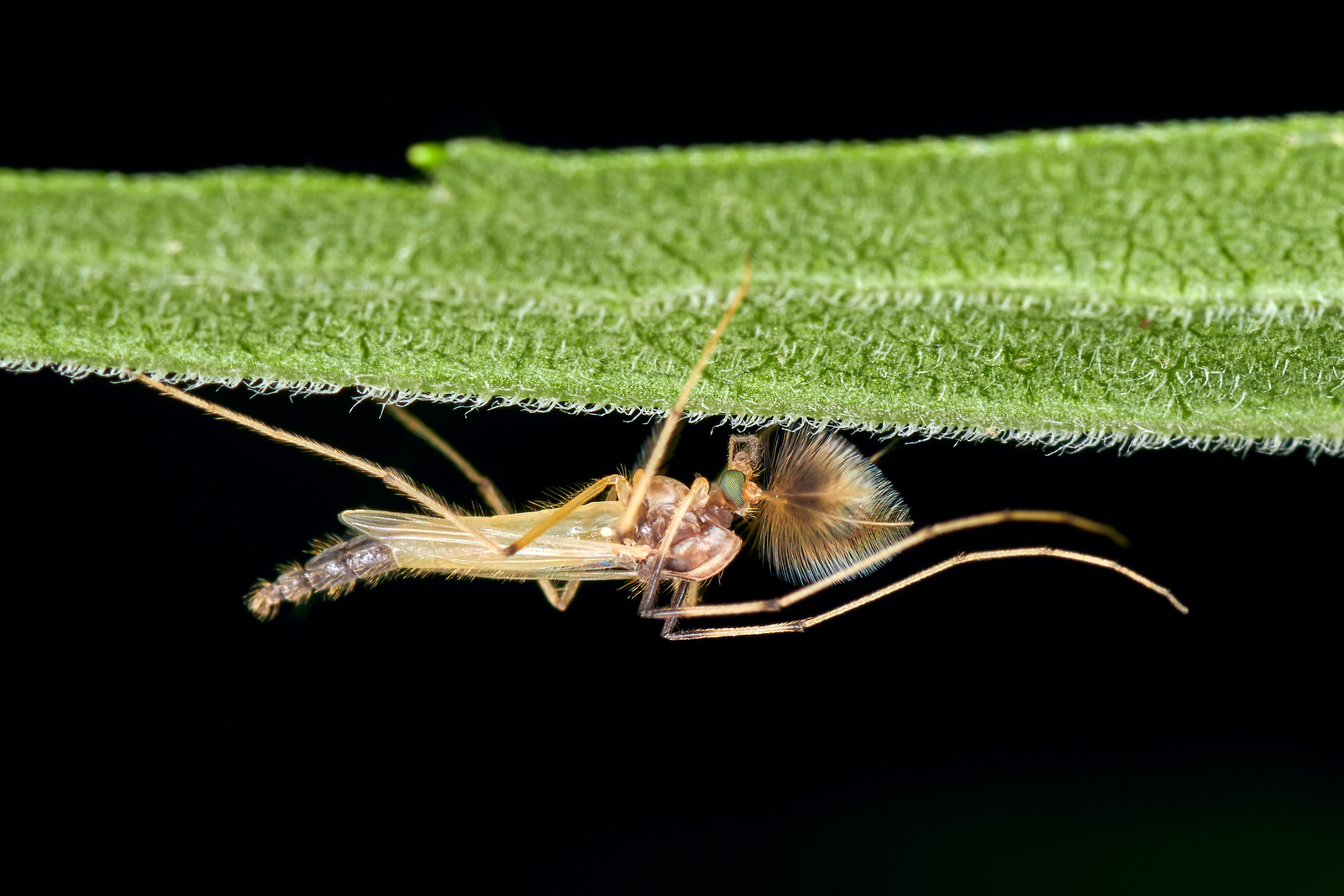
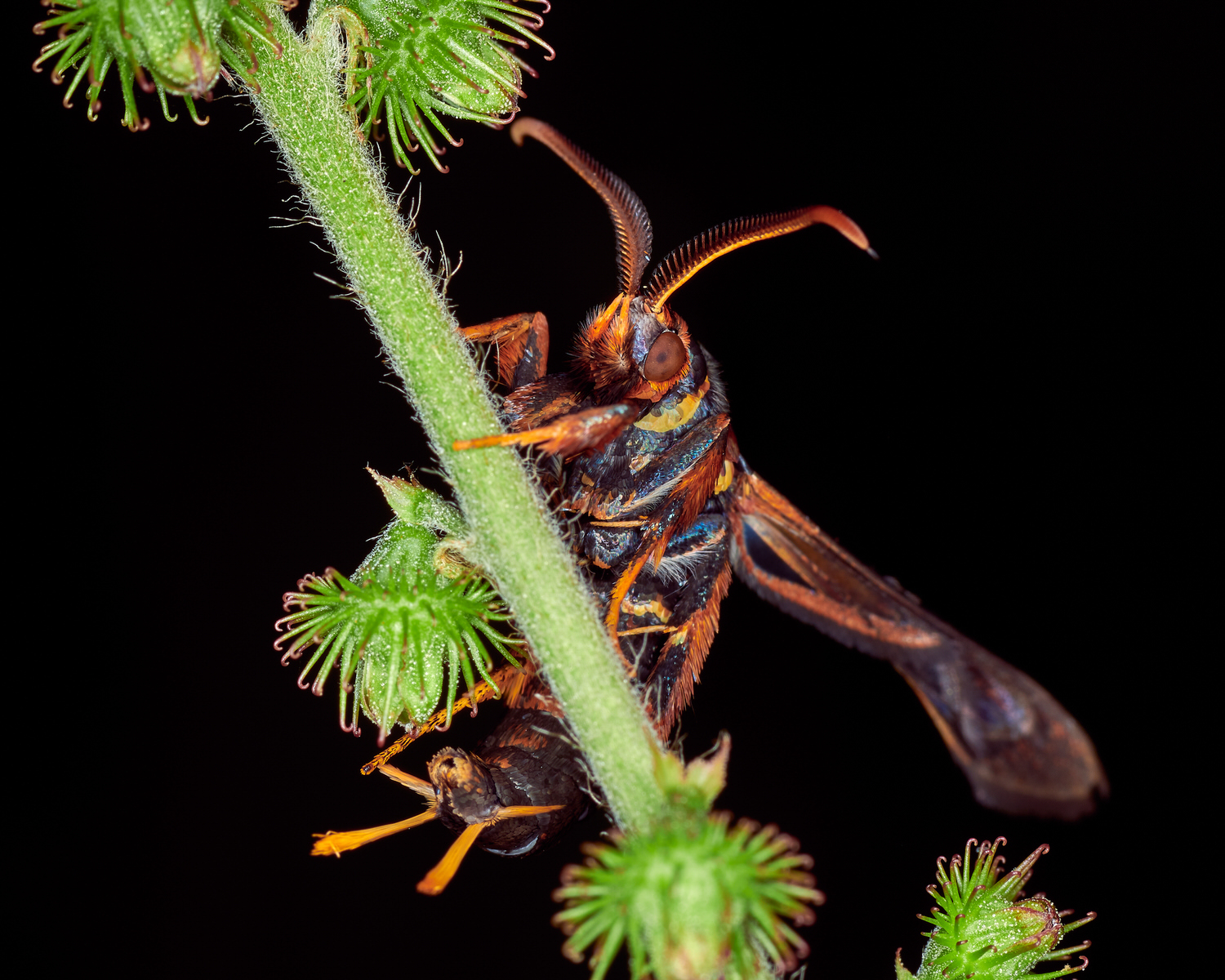
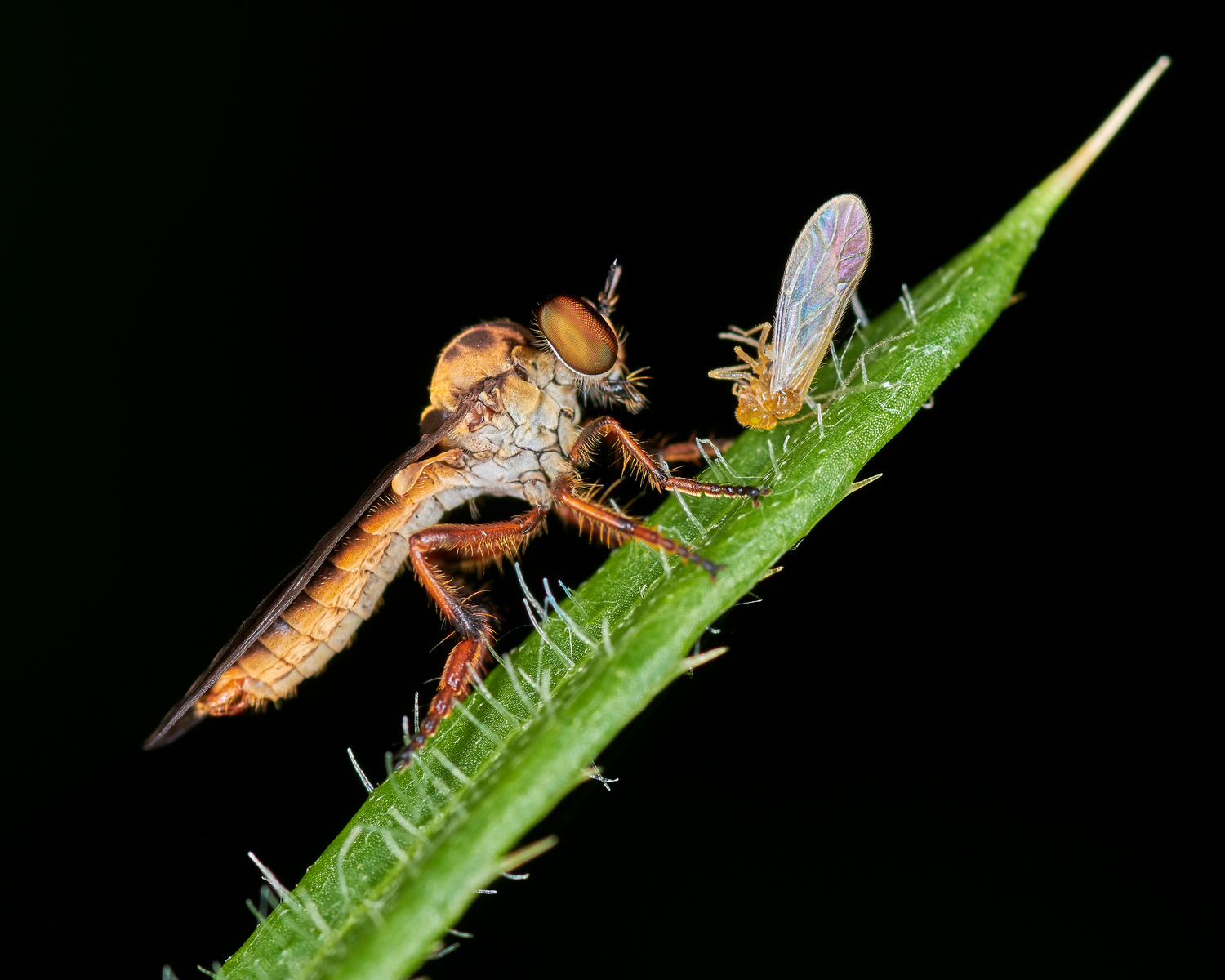
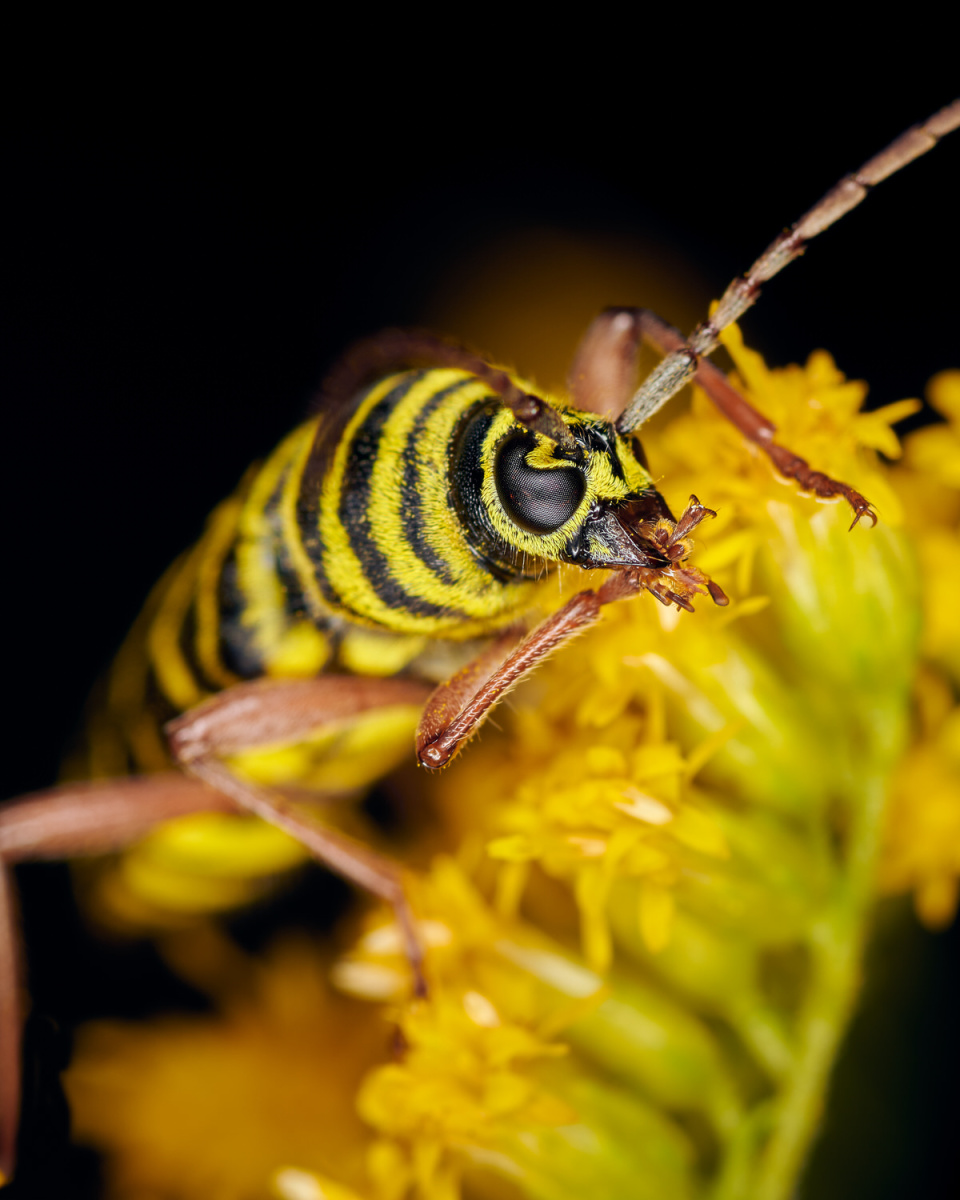
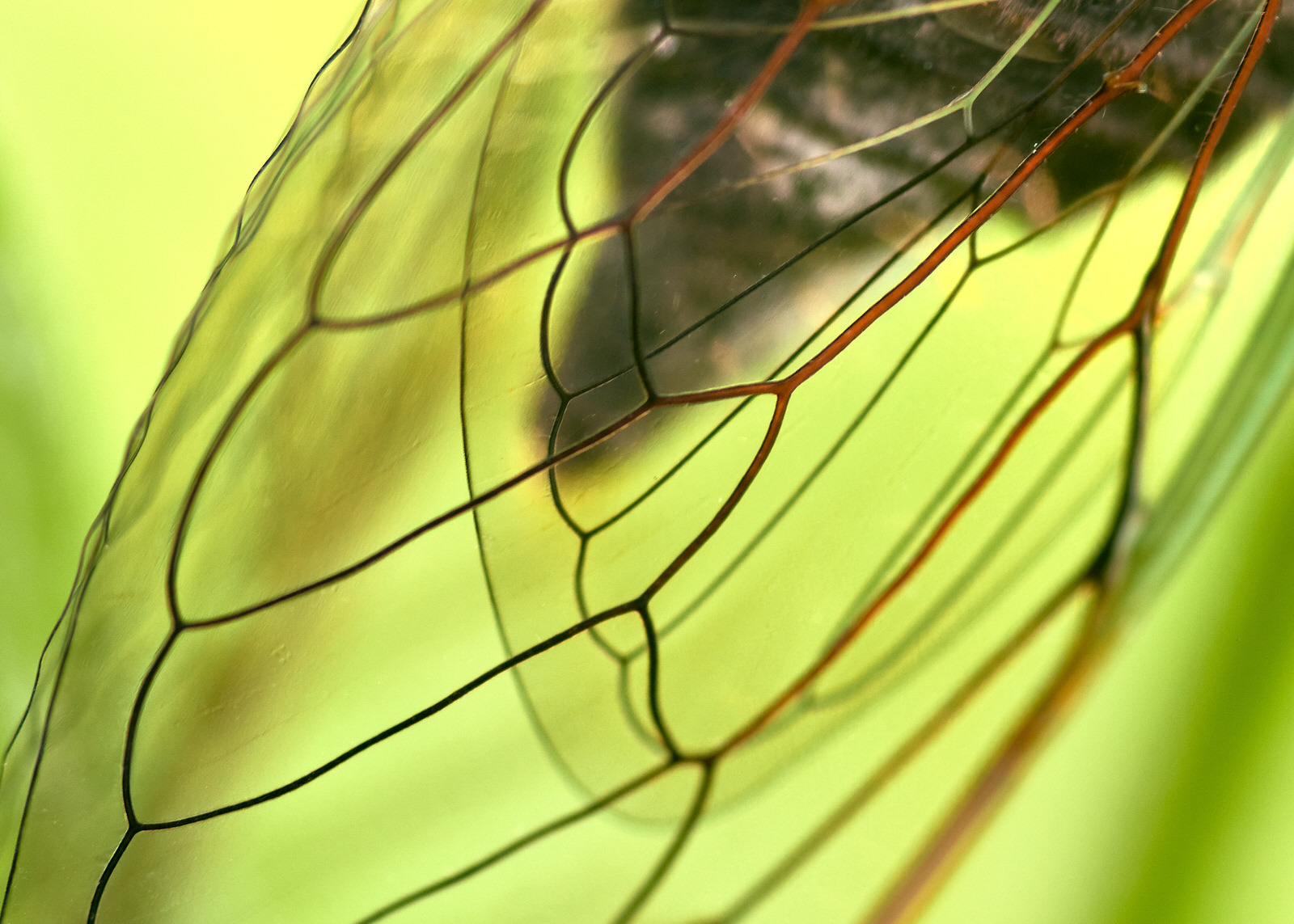
And then there are the insects. Small, often overlooked, and endlessly fascinating, they bring the fields and woodlands to life. Dragonflies hover like miniature helicopters, metallic beetles catch the sunlight, and grasshoppers launch themselves into the vegetation just as the camera comes into focus. Bees work the flowers, praying mantises wait patiently for lunch, and spiders construct remarkable architecture between stems and branches. There is an entire photographic world operating just beneath our usual field of vision.
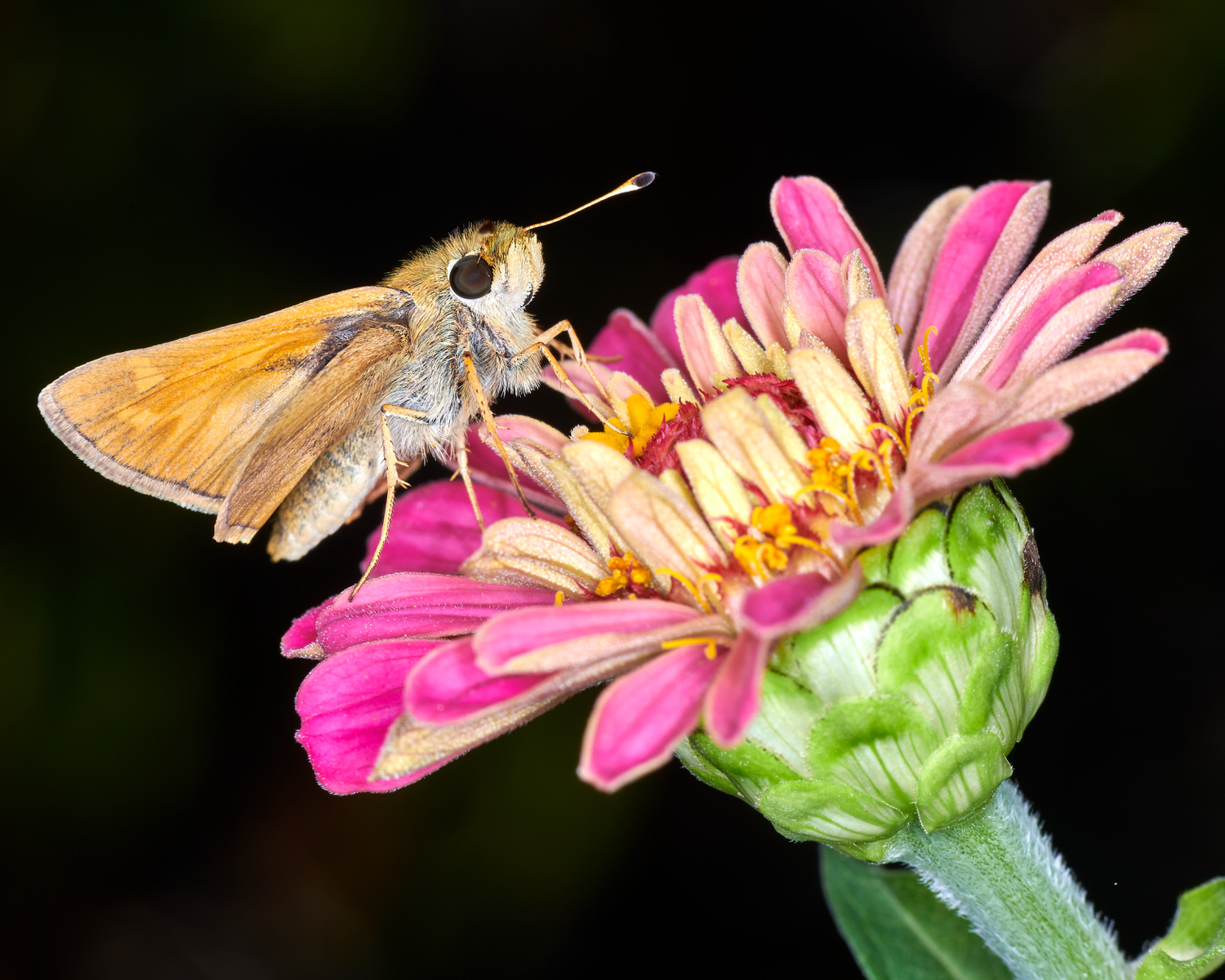
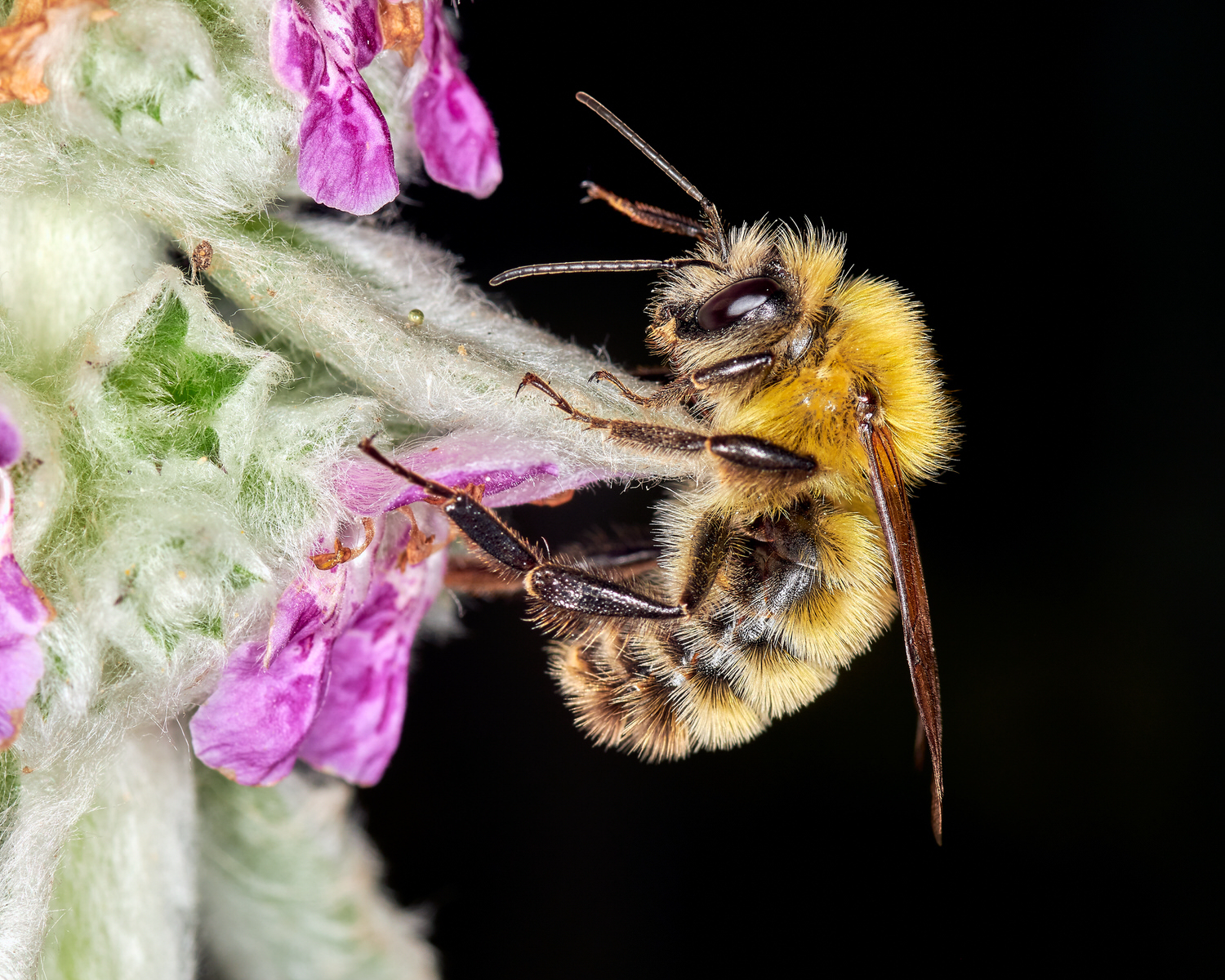
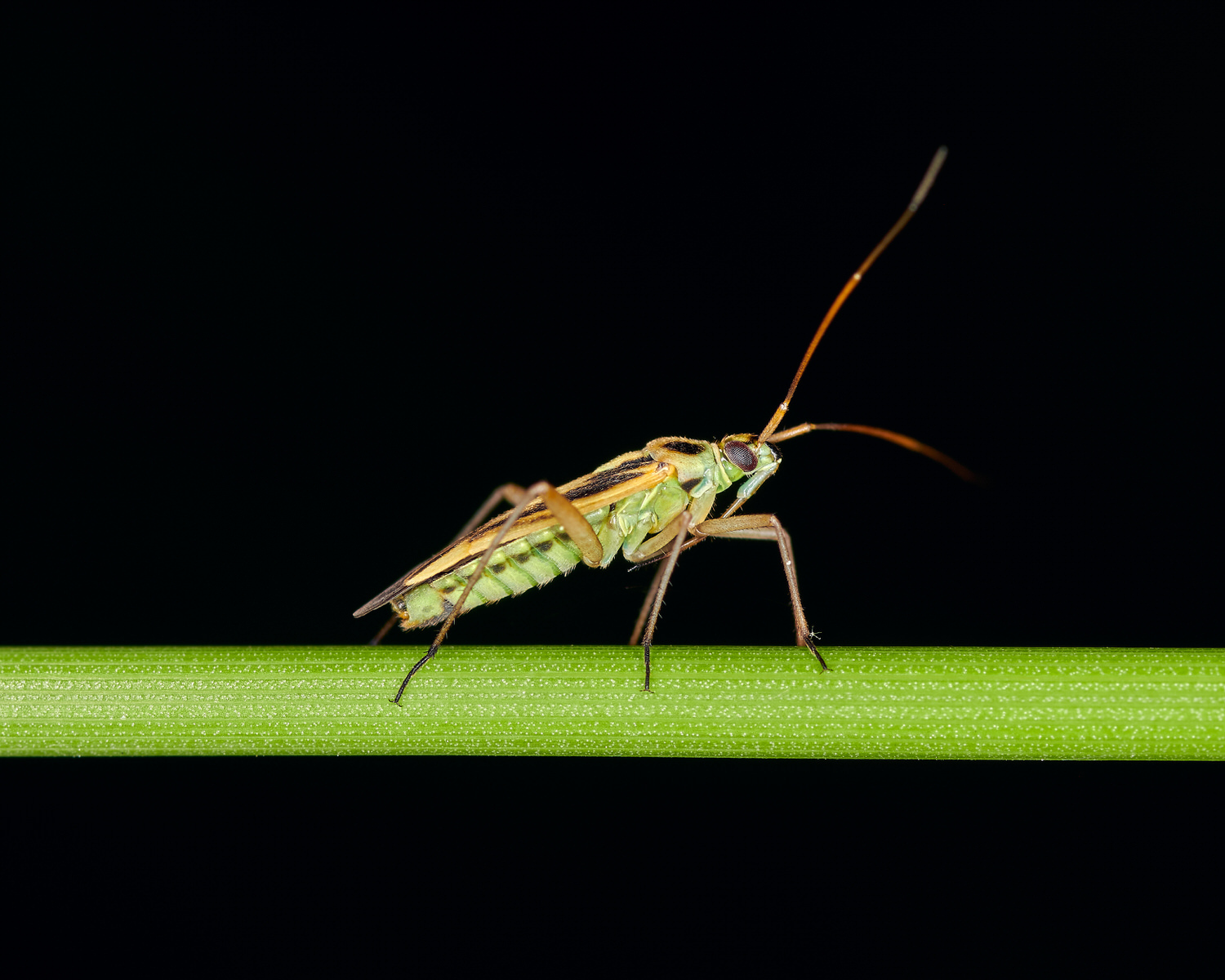
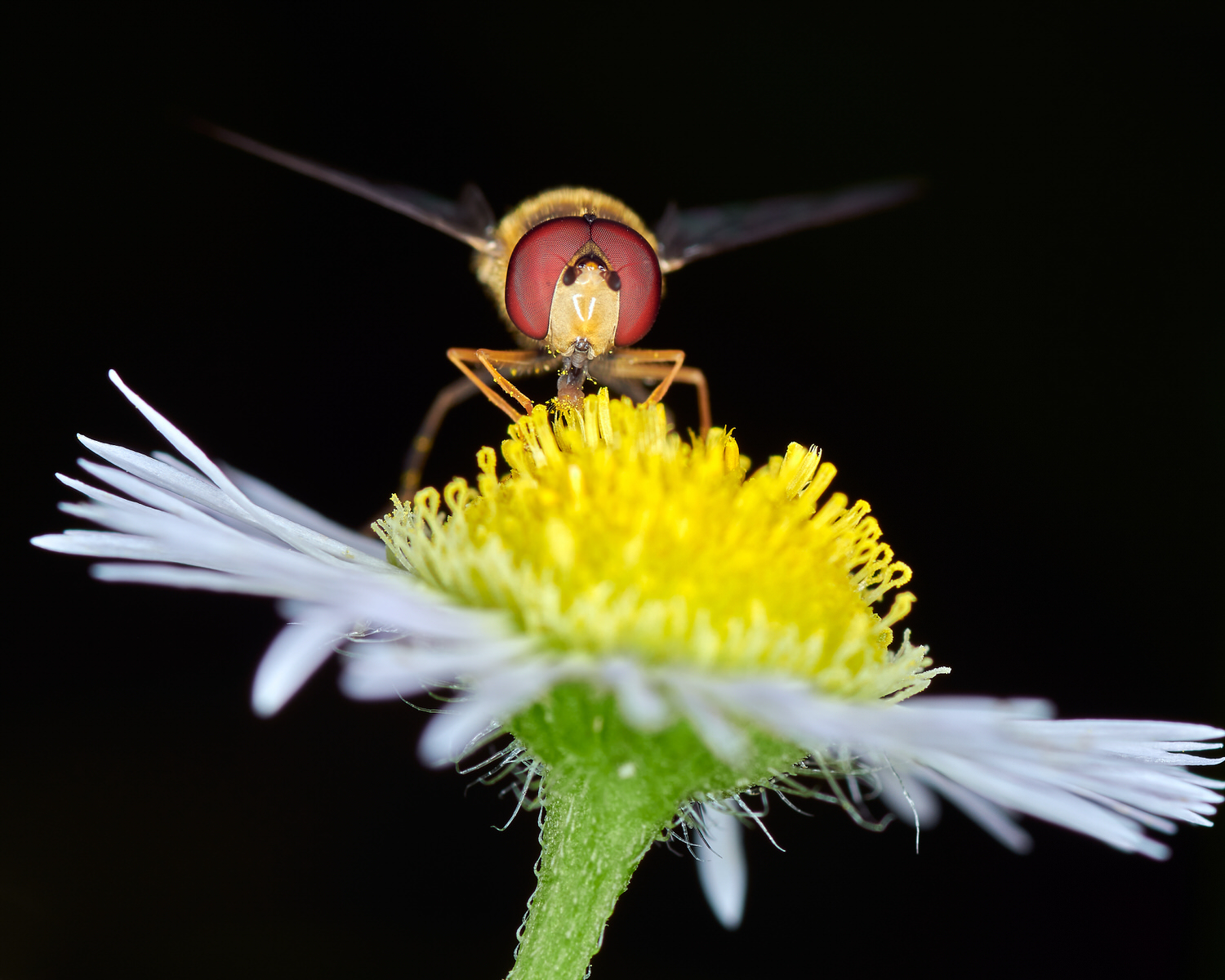

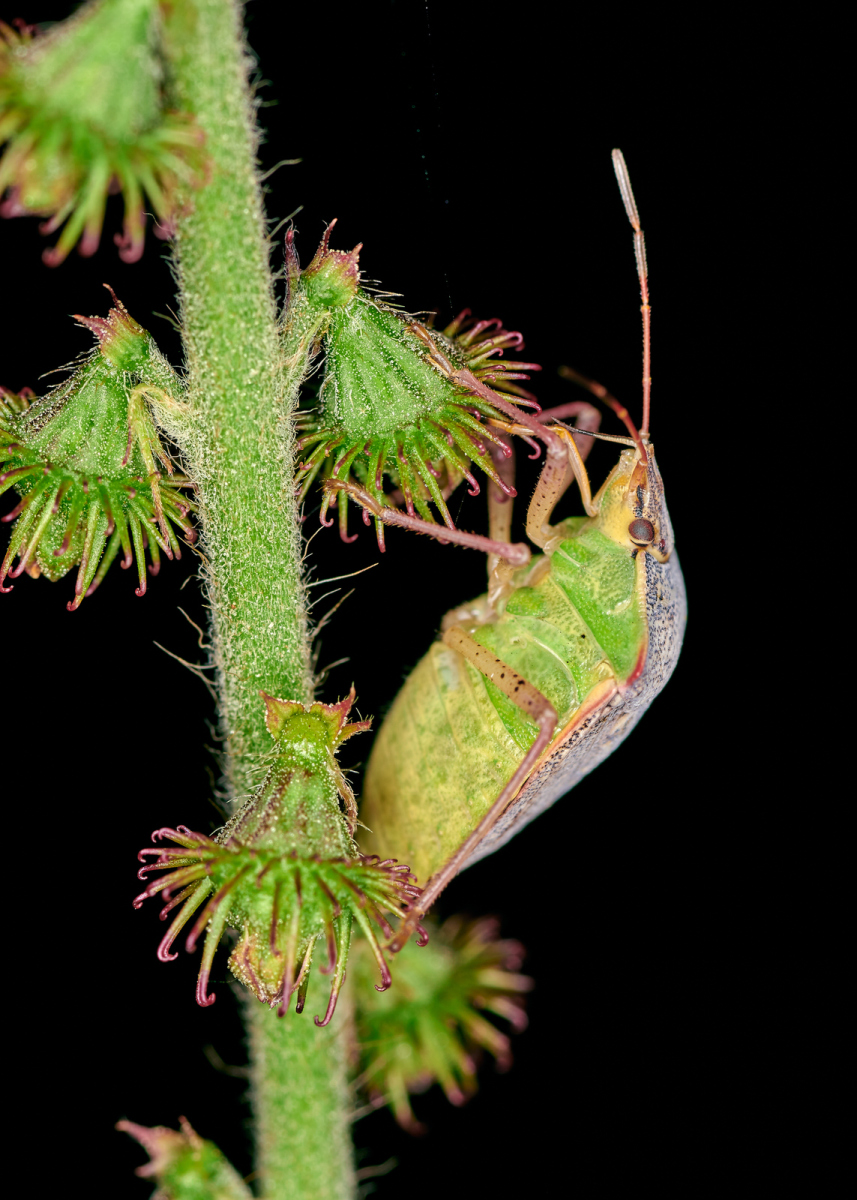
Butterflies and moths add their own spectacular colors and patterns. Monarchs, swallowtails, painted ladies, and fritillaries drift among summer flowers, while the remarkable luna and cecropia moths offer something closer to natural artwork. Their intricate markings, delicate wings, and surprising shapes make wonderful subjects. Photographing them also requires patience, a useful quality in photography and, one suspects, in life generally.


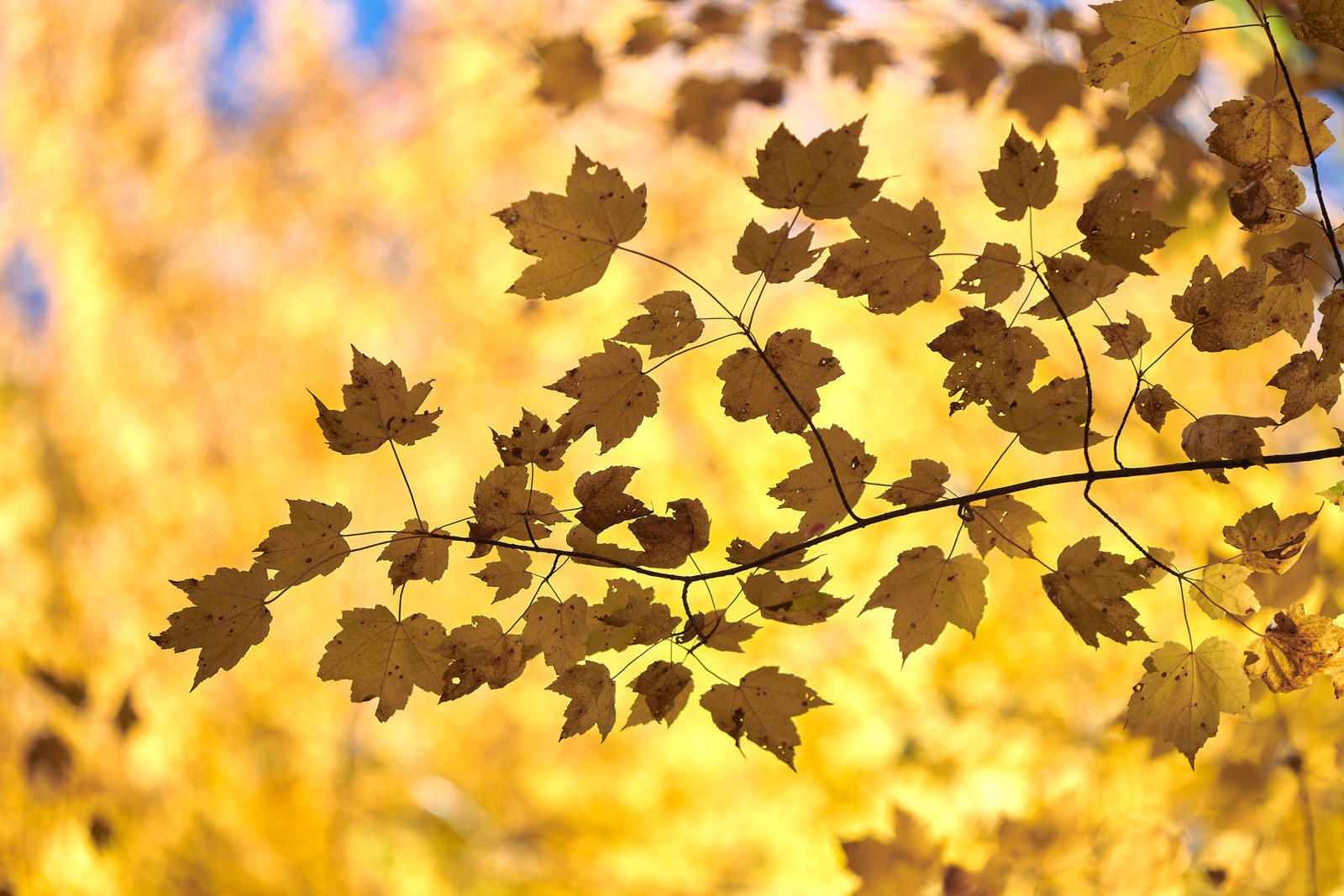


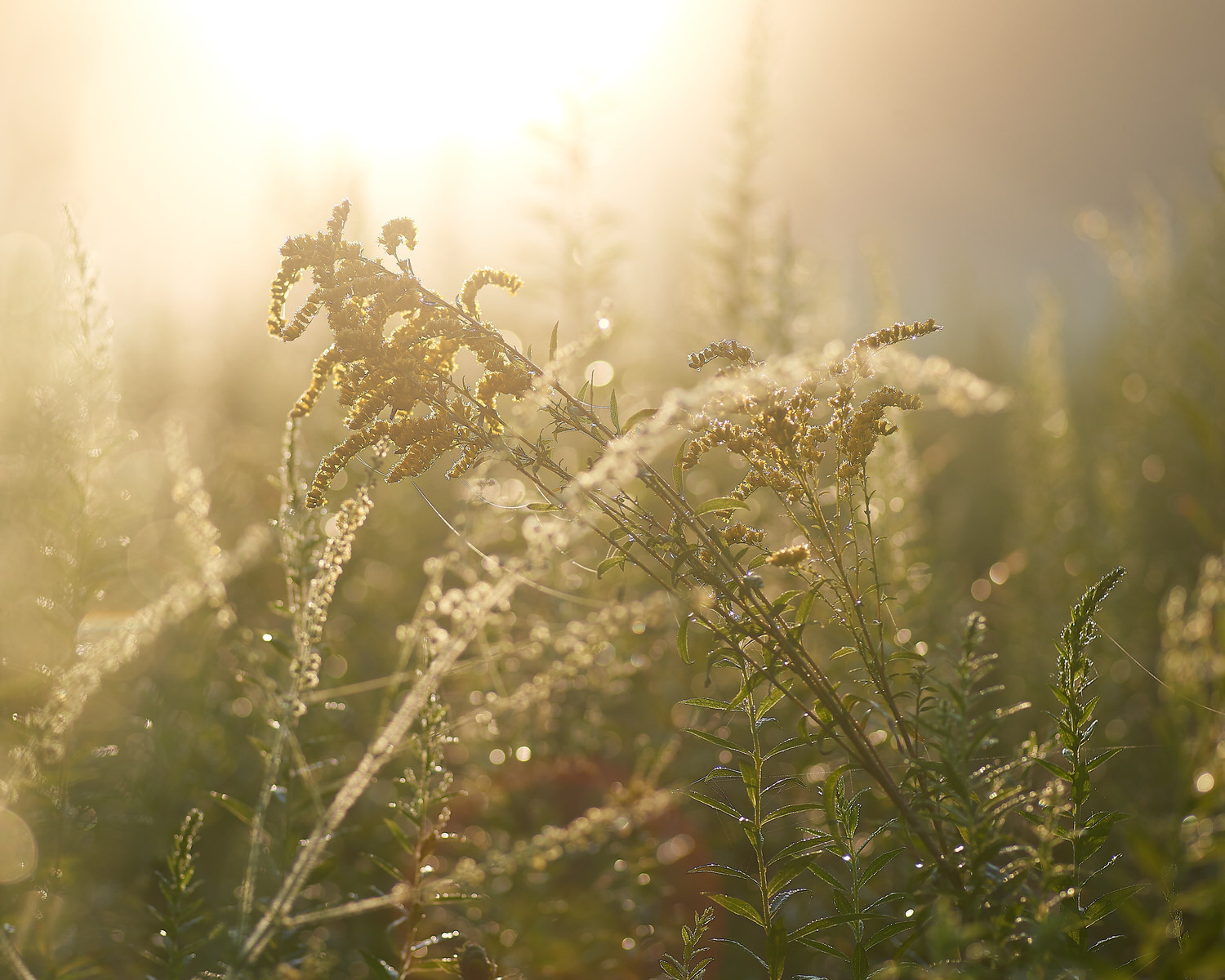
Light is what often brings these subjects together. Early morning gives fields and woodlands a soft, almost dreamlike quality. Afternoon sunlight brings out the rich colors of flowers and foliage, while the last light of evening can turn an ordinary meadow into something extraordinary. Overcast days have their own advantages, revealing subtle details and colors that harsh sunlight tends to conceal. The Midwest may not always provide spectacular scenery, but it rarely runs short of interesting light.
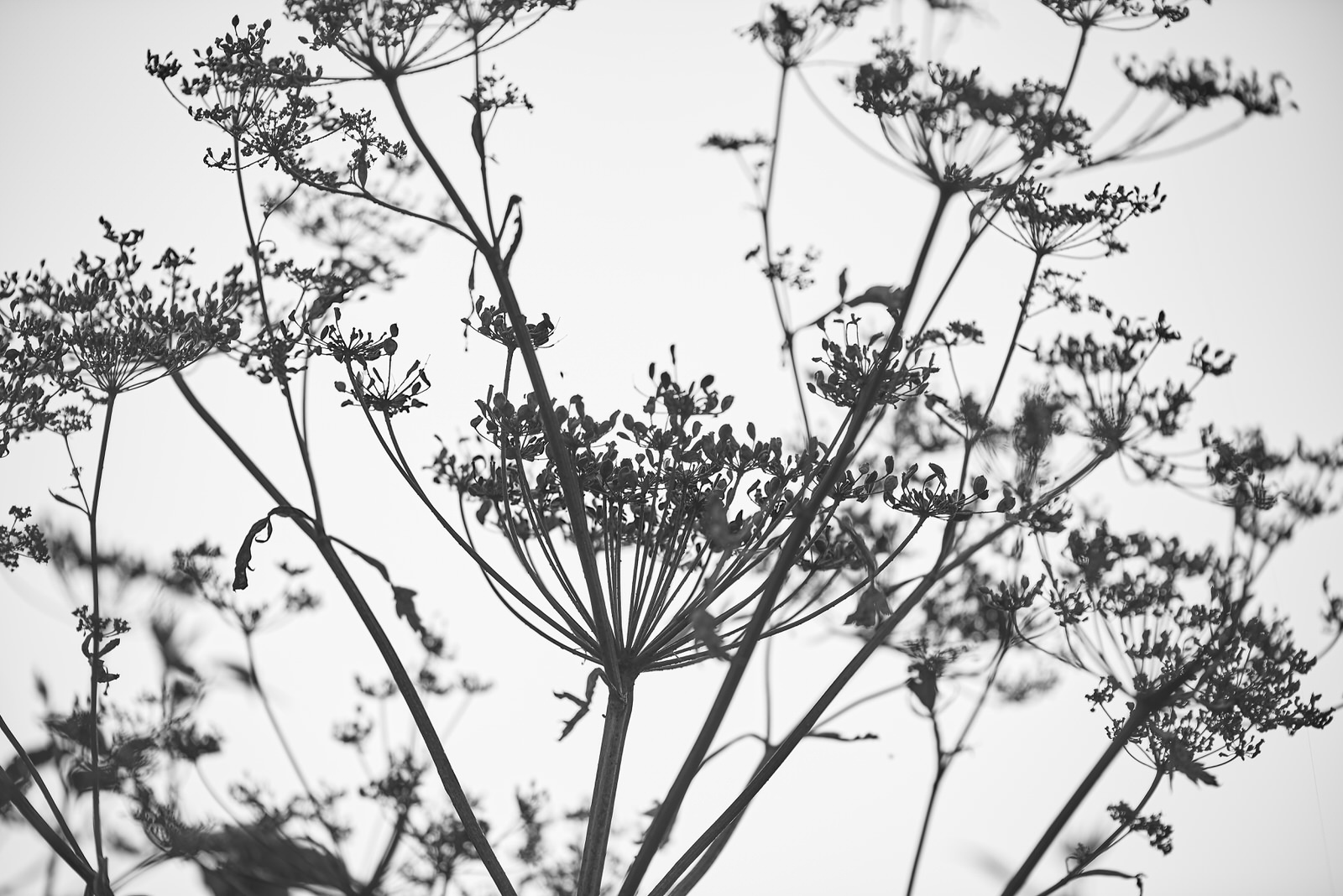
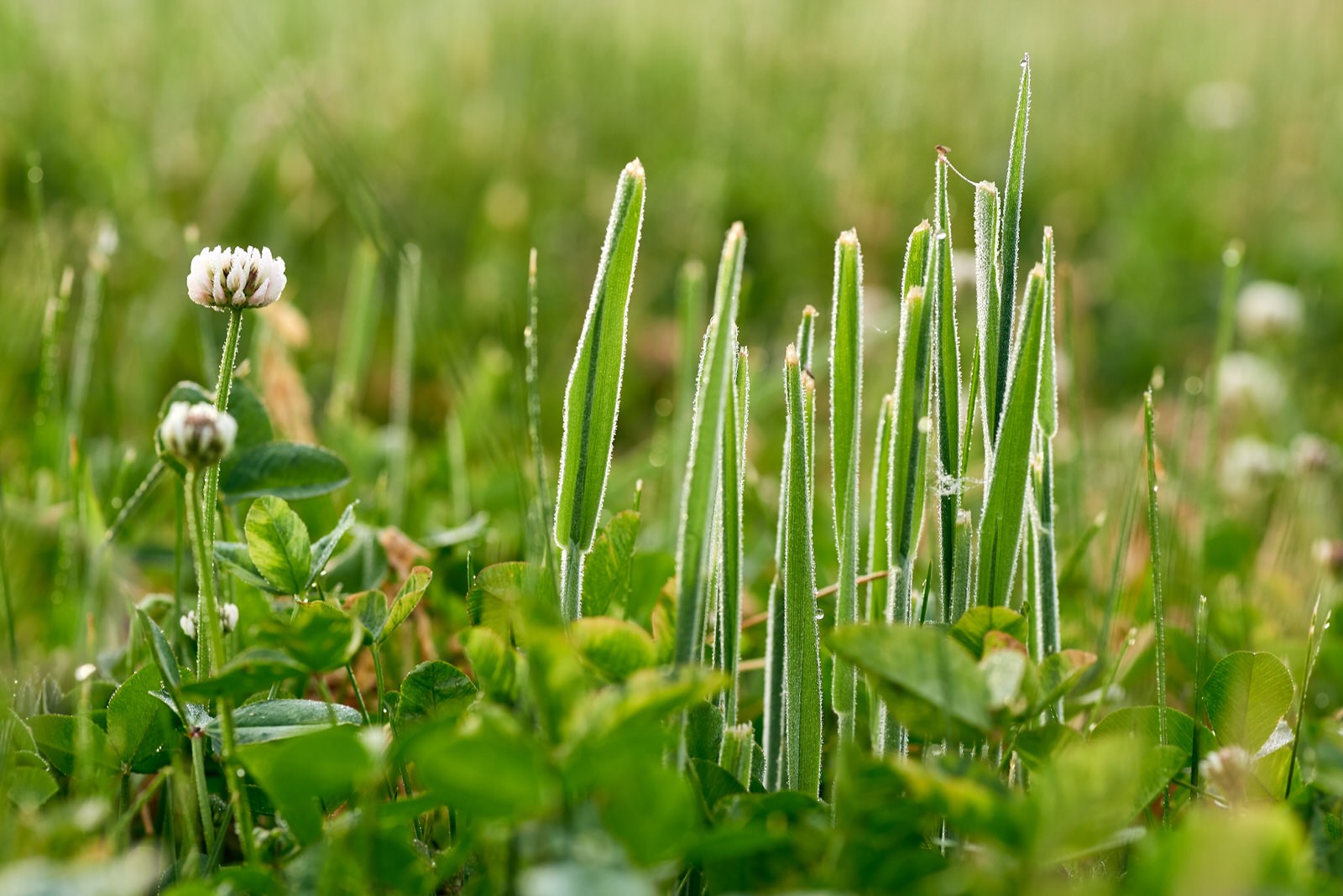
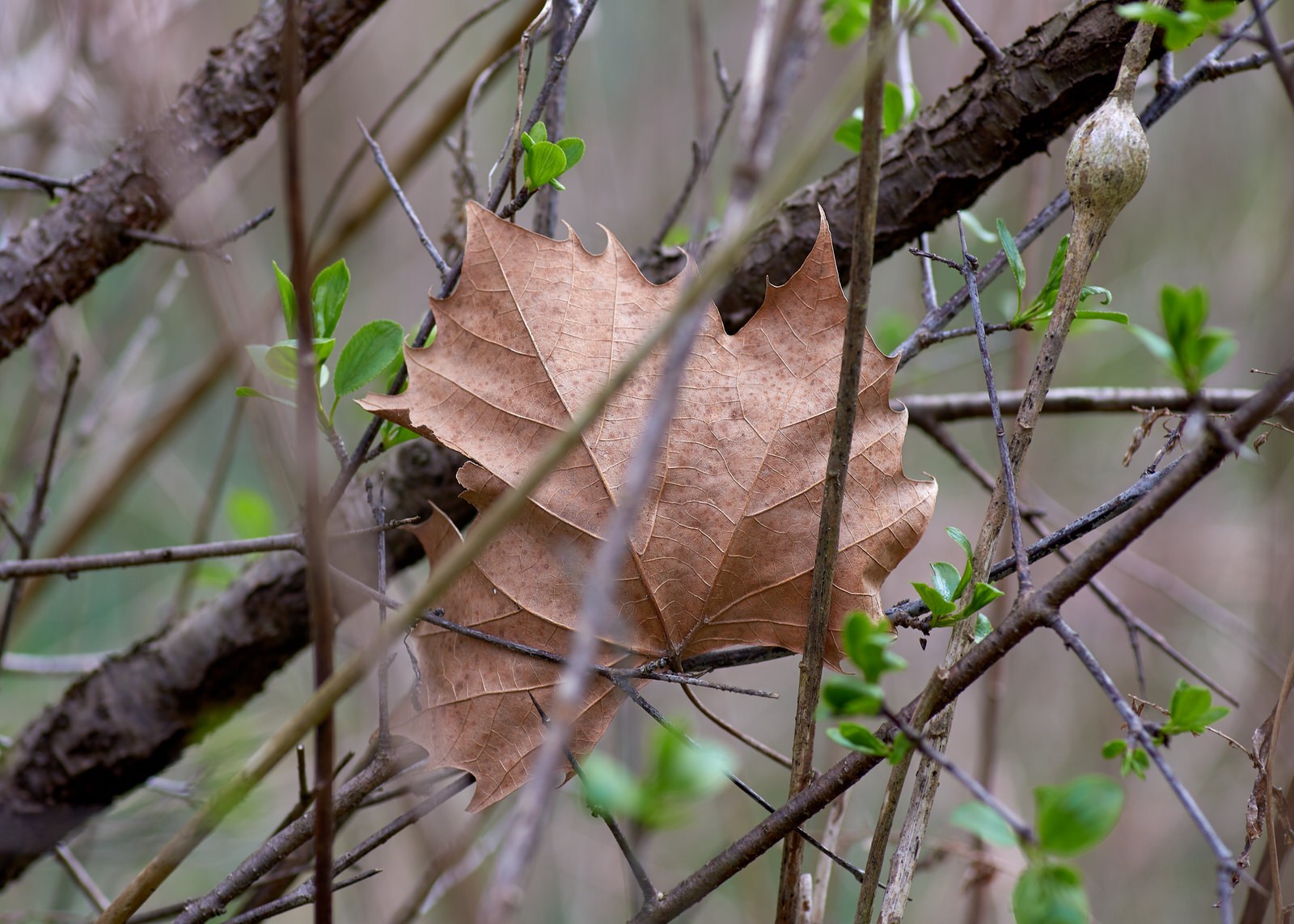
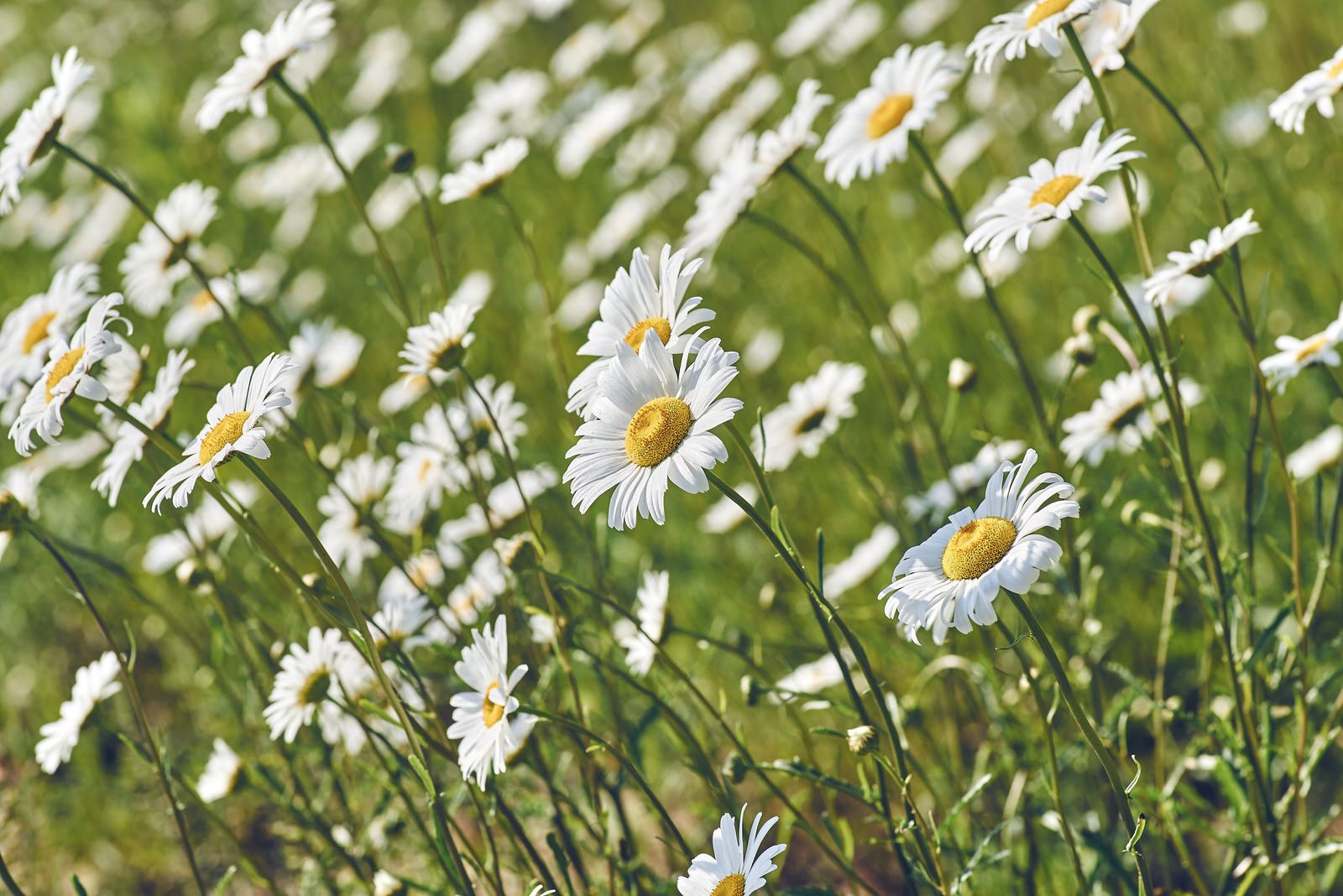
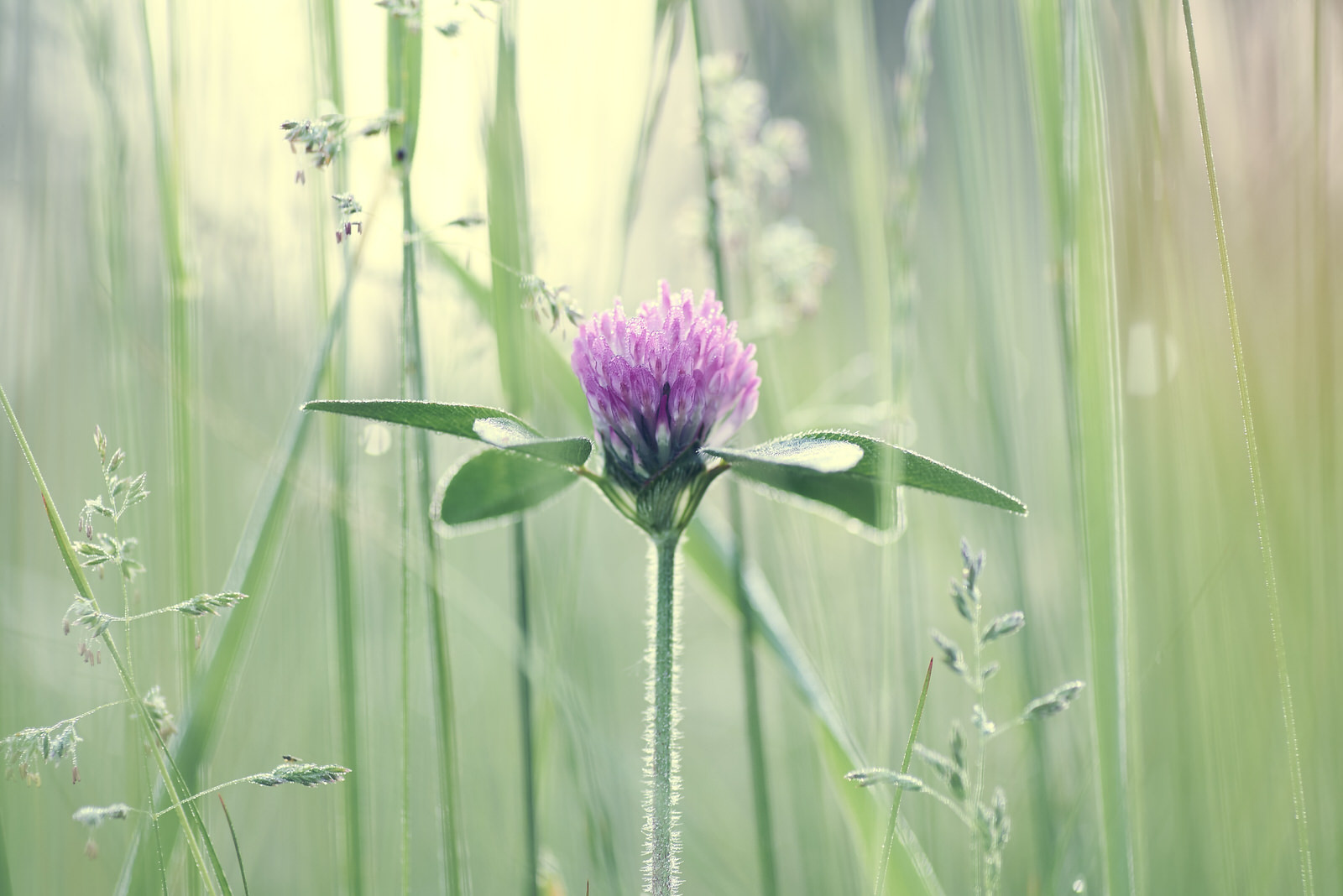
The changing seasons keep the photographic possibilities coming. Spring is about fresh growth and new beginnings. Summer delivers color, abundance, and activity. Autumn offers some of the finest natural color in the country, while winter strips the landscape down to its essential forms. Returning to familiar locations throughout the year can be especially rewarding. The same tree, field, or woodland pond can produce remarkably different images as the seasons unfold.
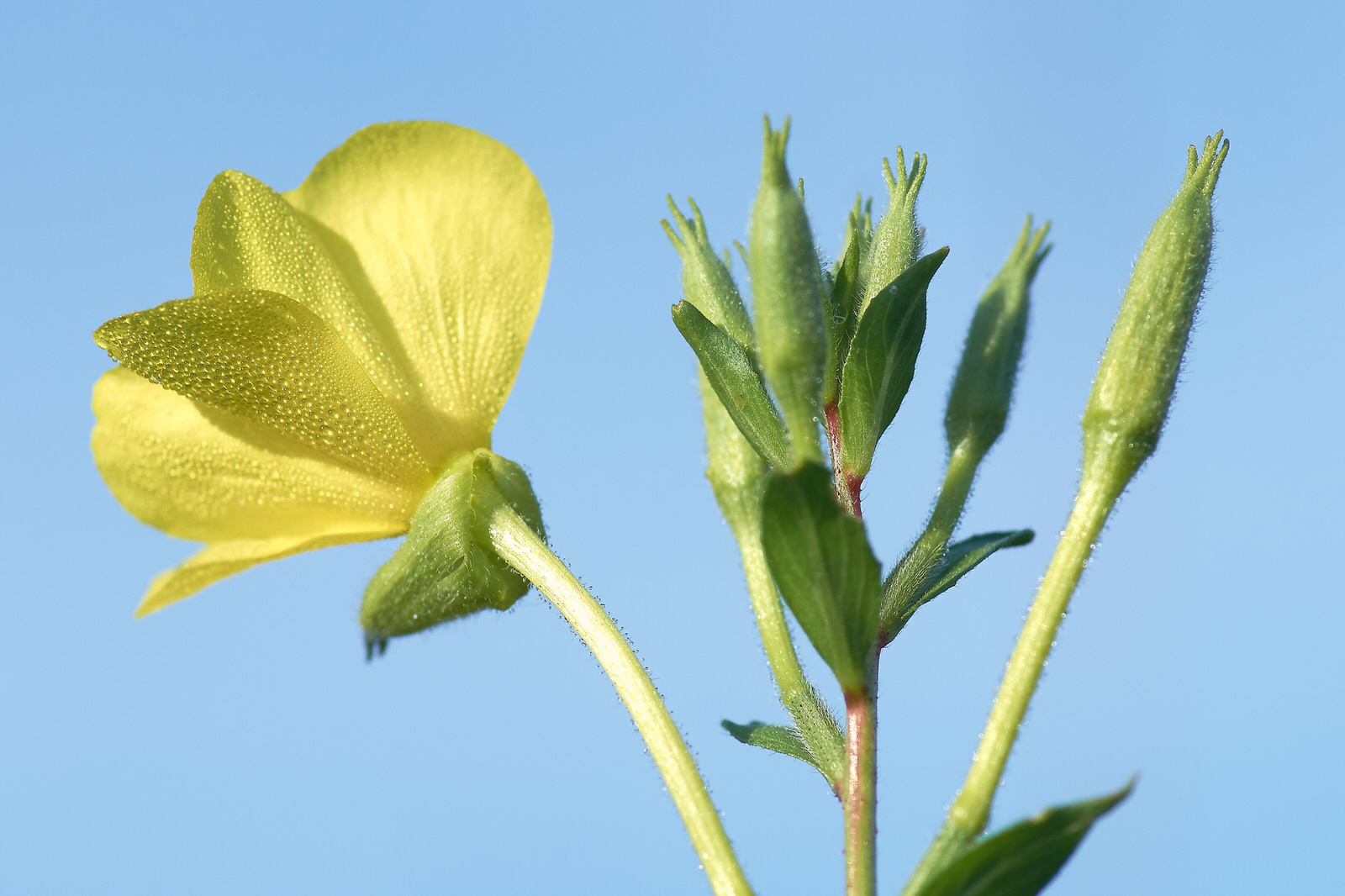
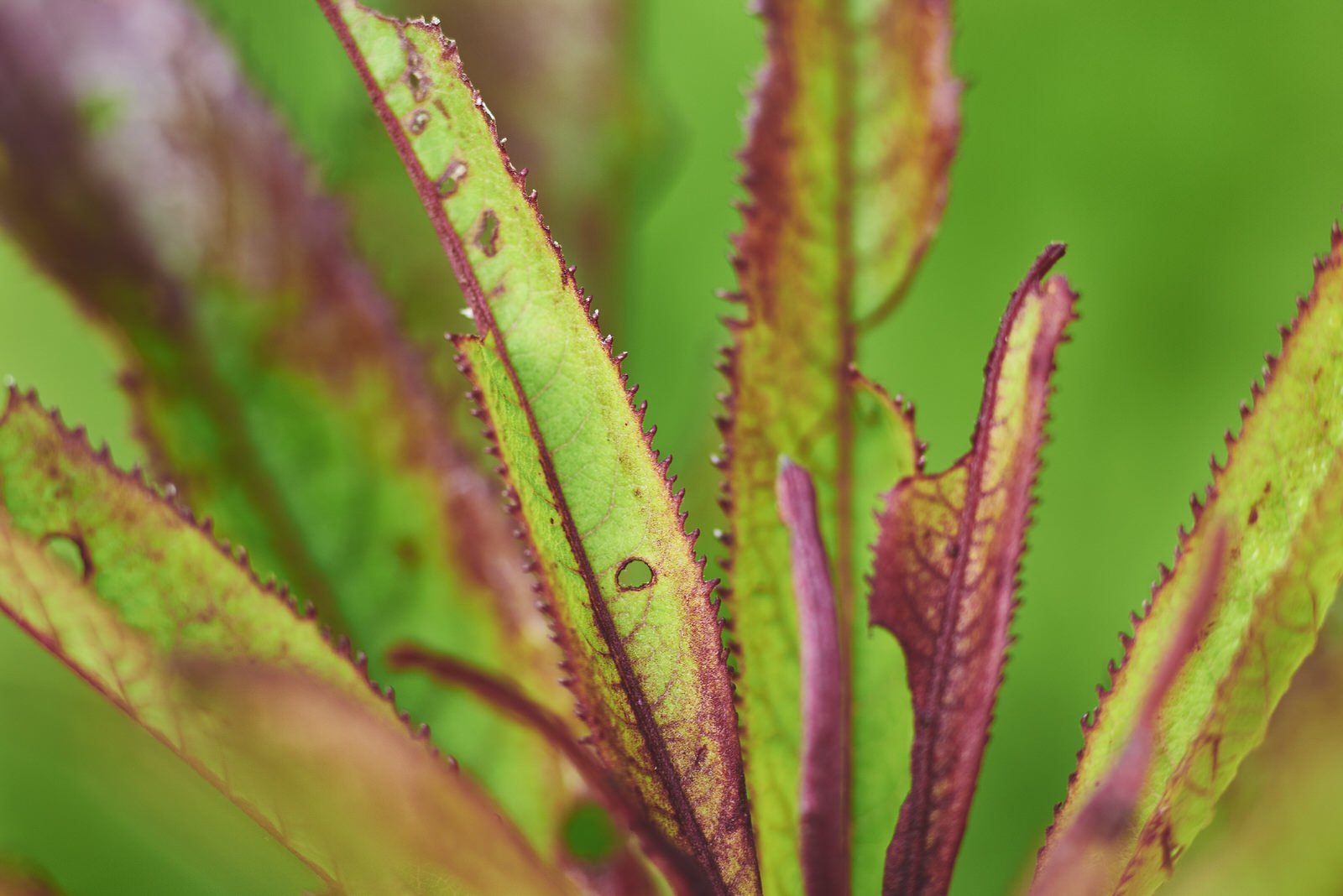
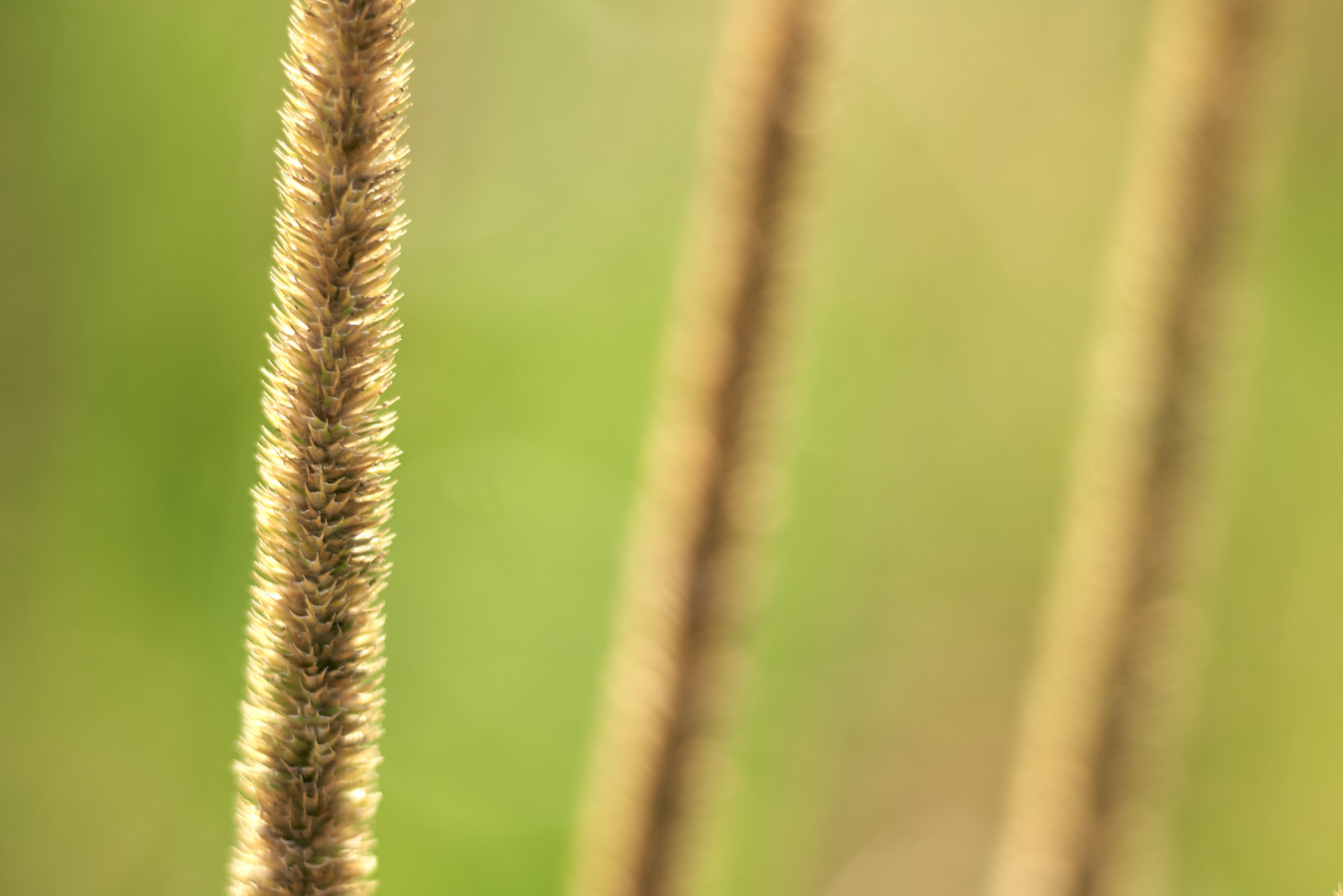
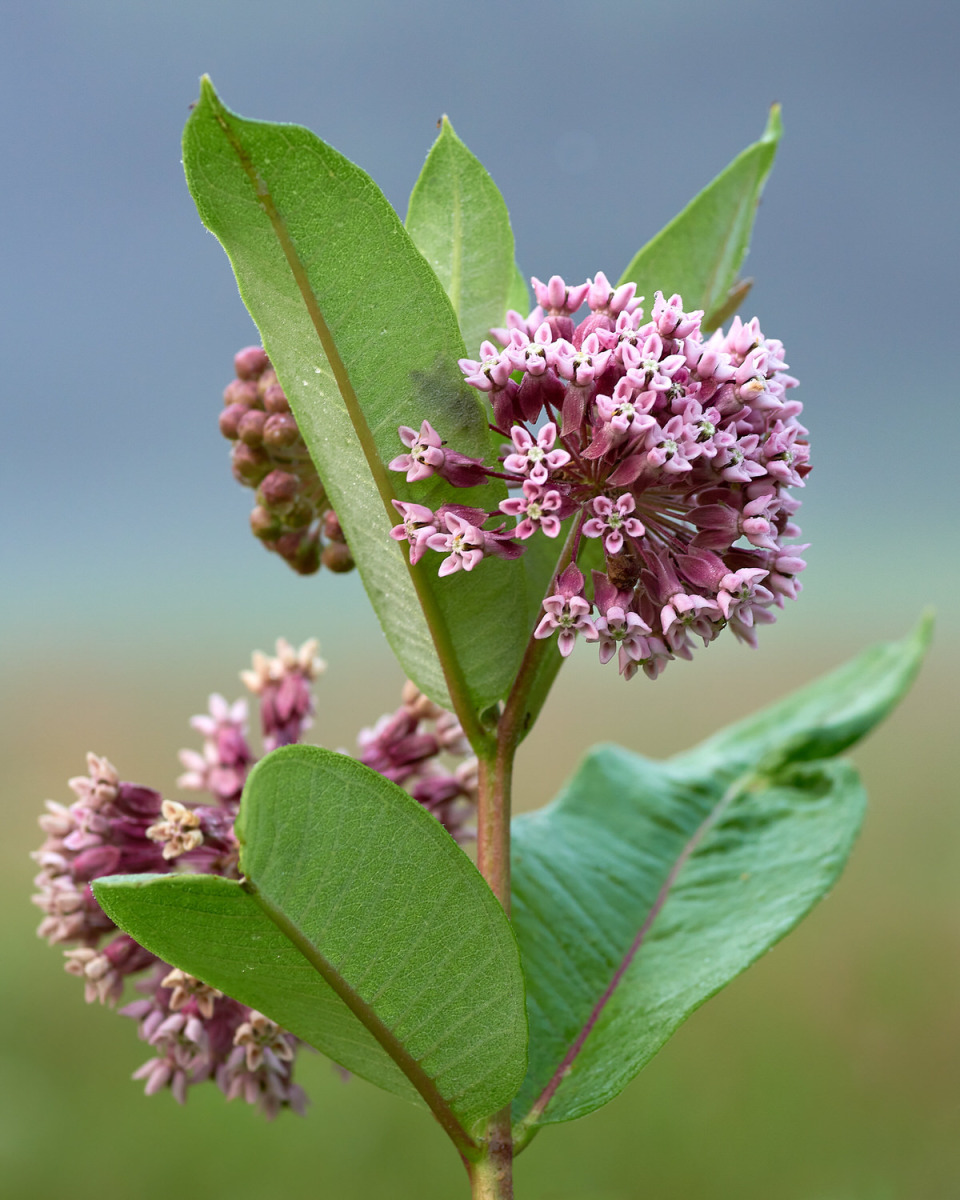
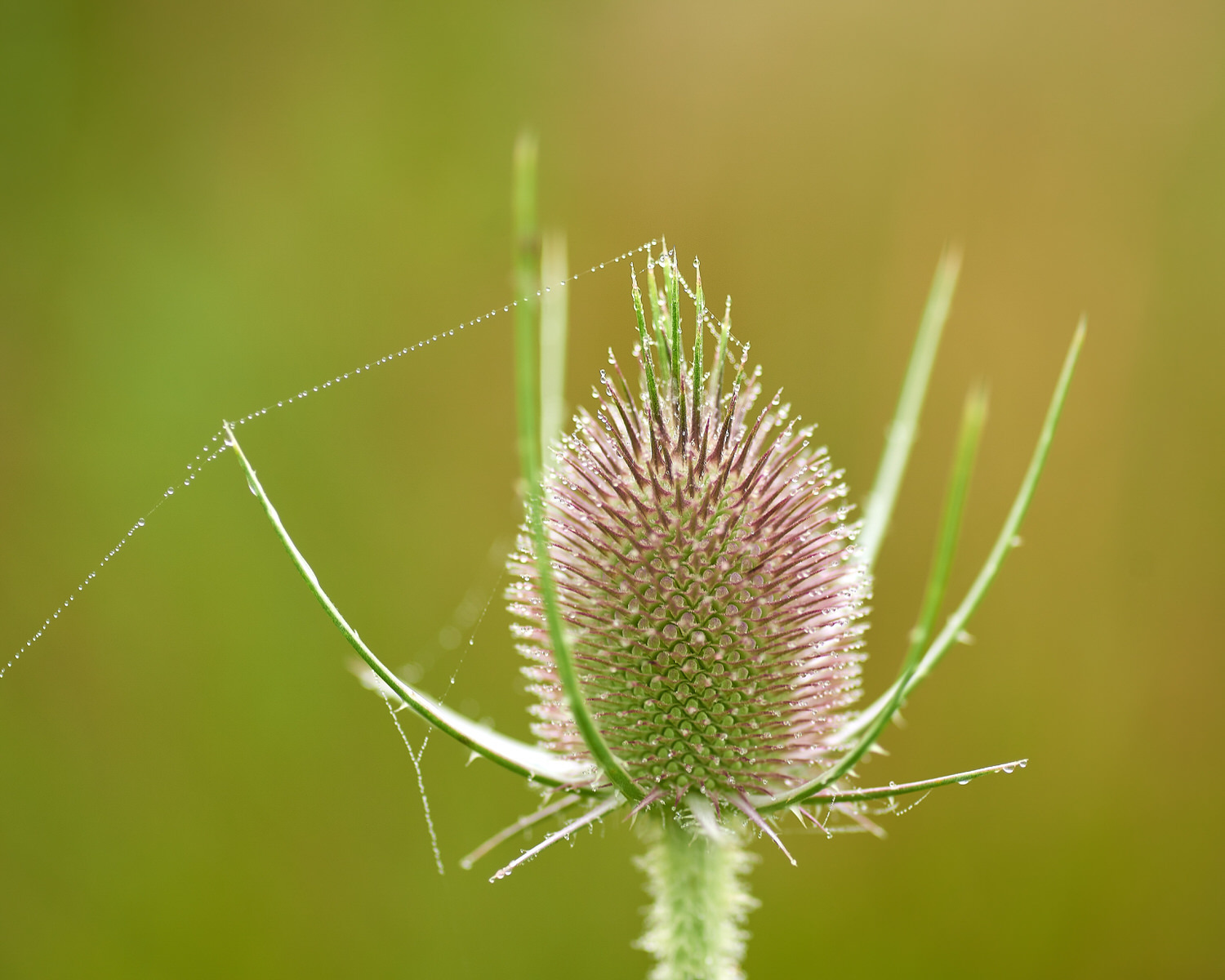
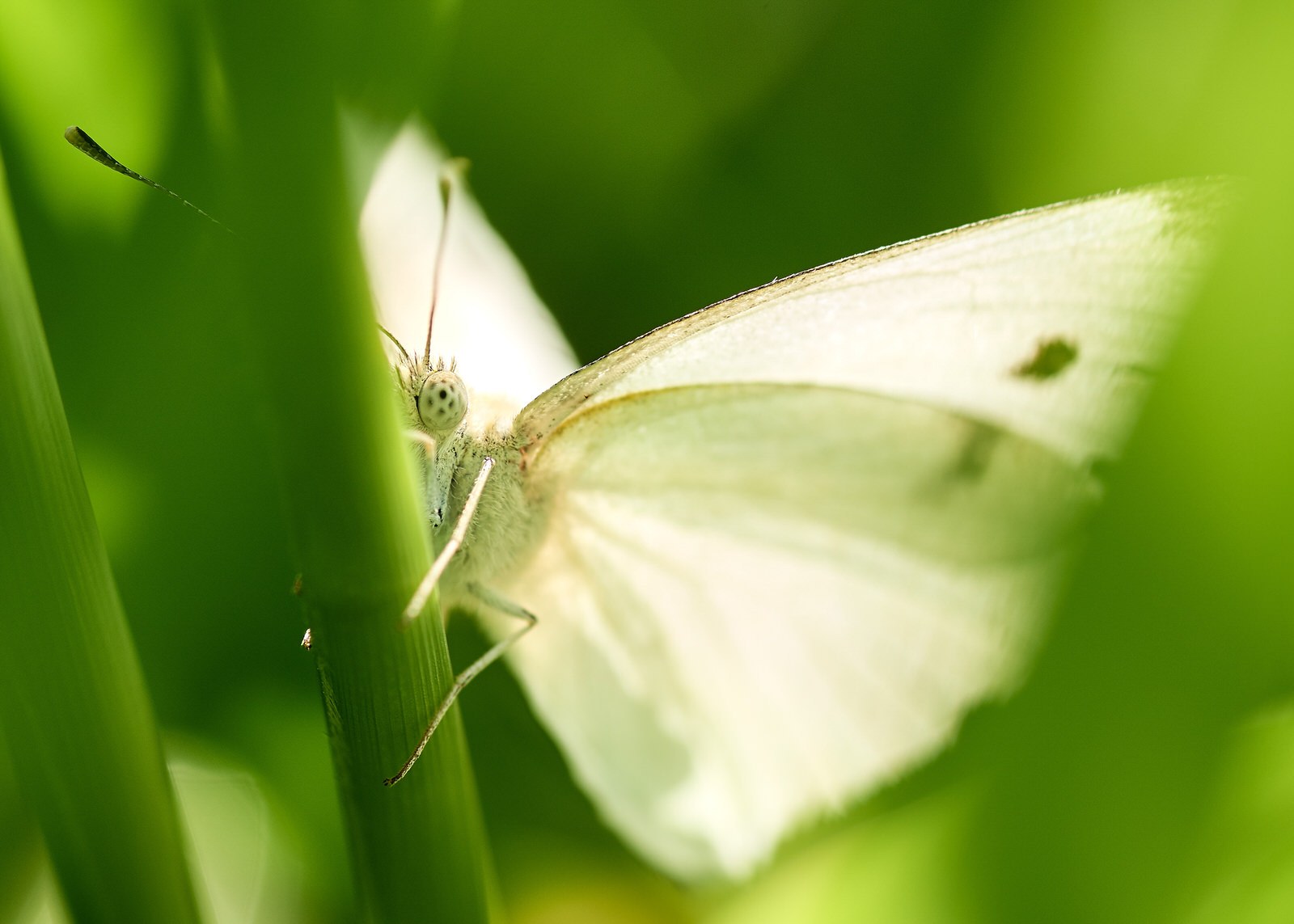
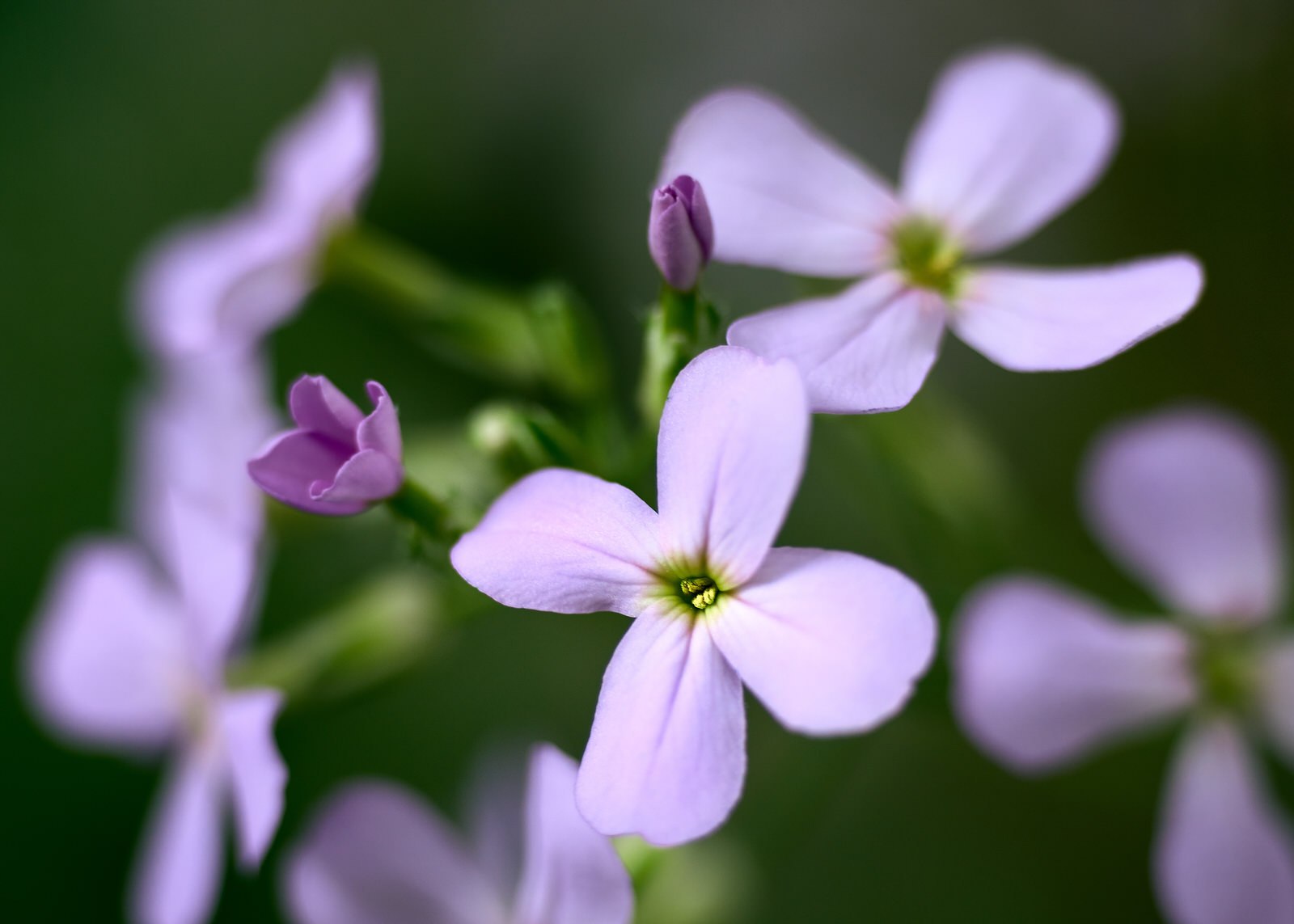
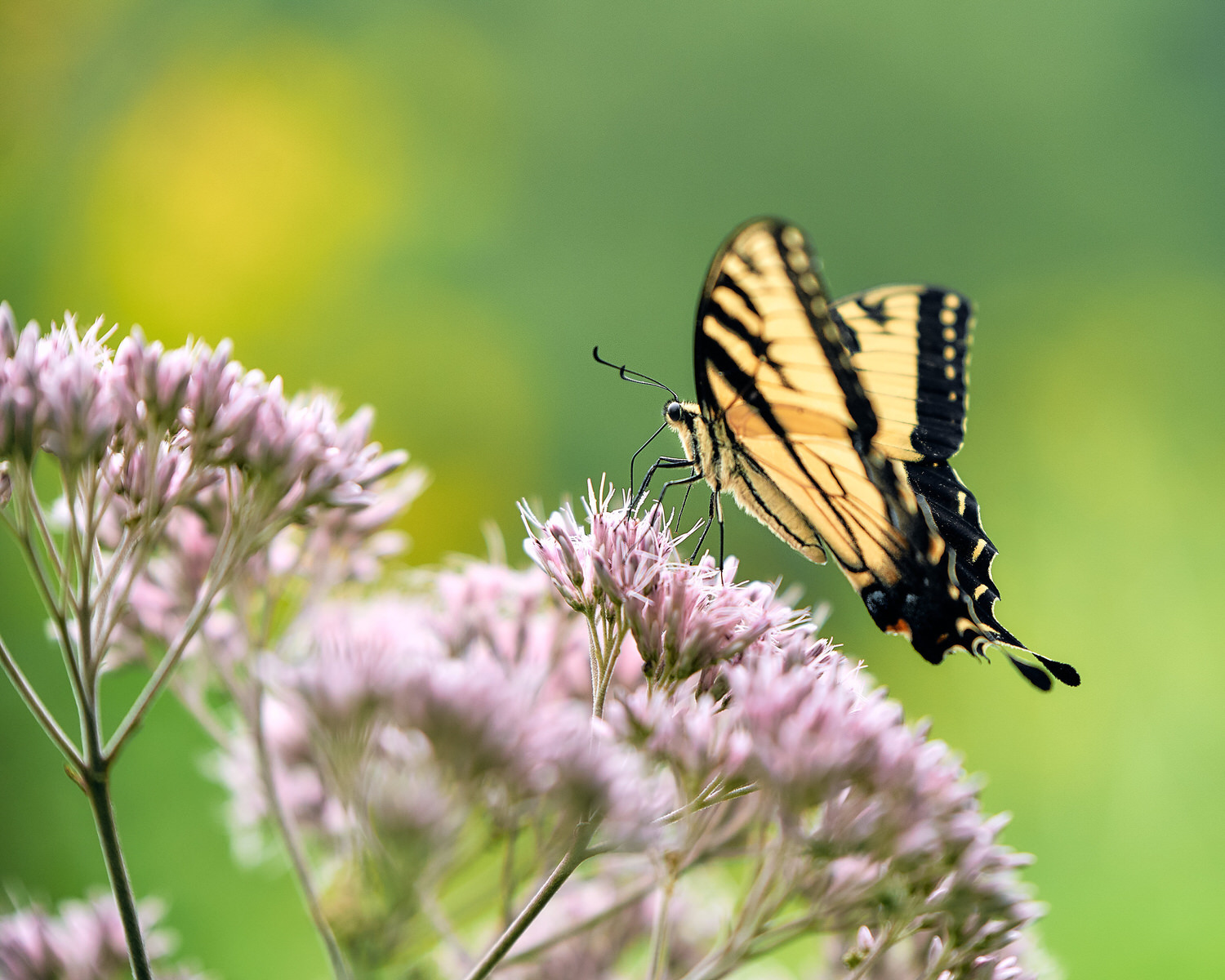
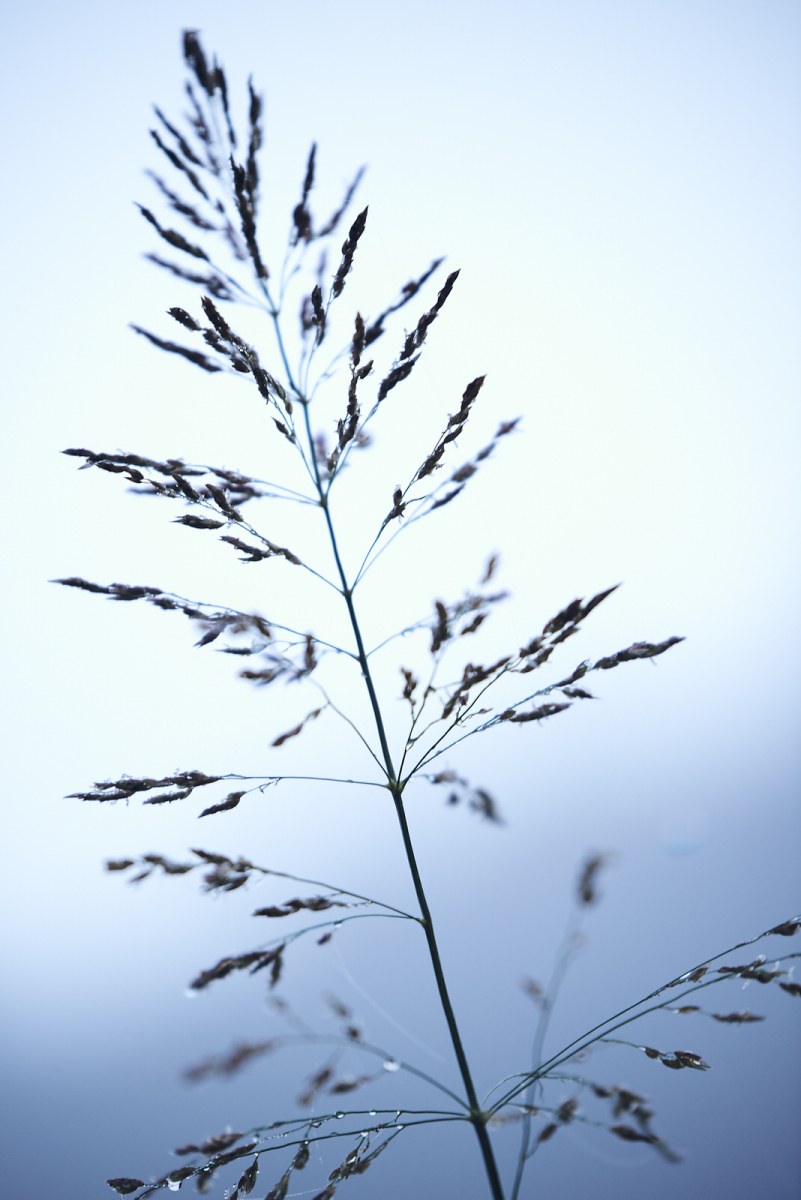
Some of the most interesting subjects are found in the places we might otherwise ignore: an old fence row, an abandoned farm field, a roadside meadow, or a narrow strip of woodland between cultivated fields. Weathered fence posts, tangled vines, wildflowers, and solitary trees can make compelling photographs. These overlooked corners of the countryside often possess more character than the carefully maintained landscapes we are accustomed to seeing.
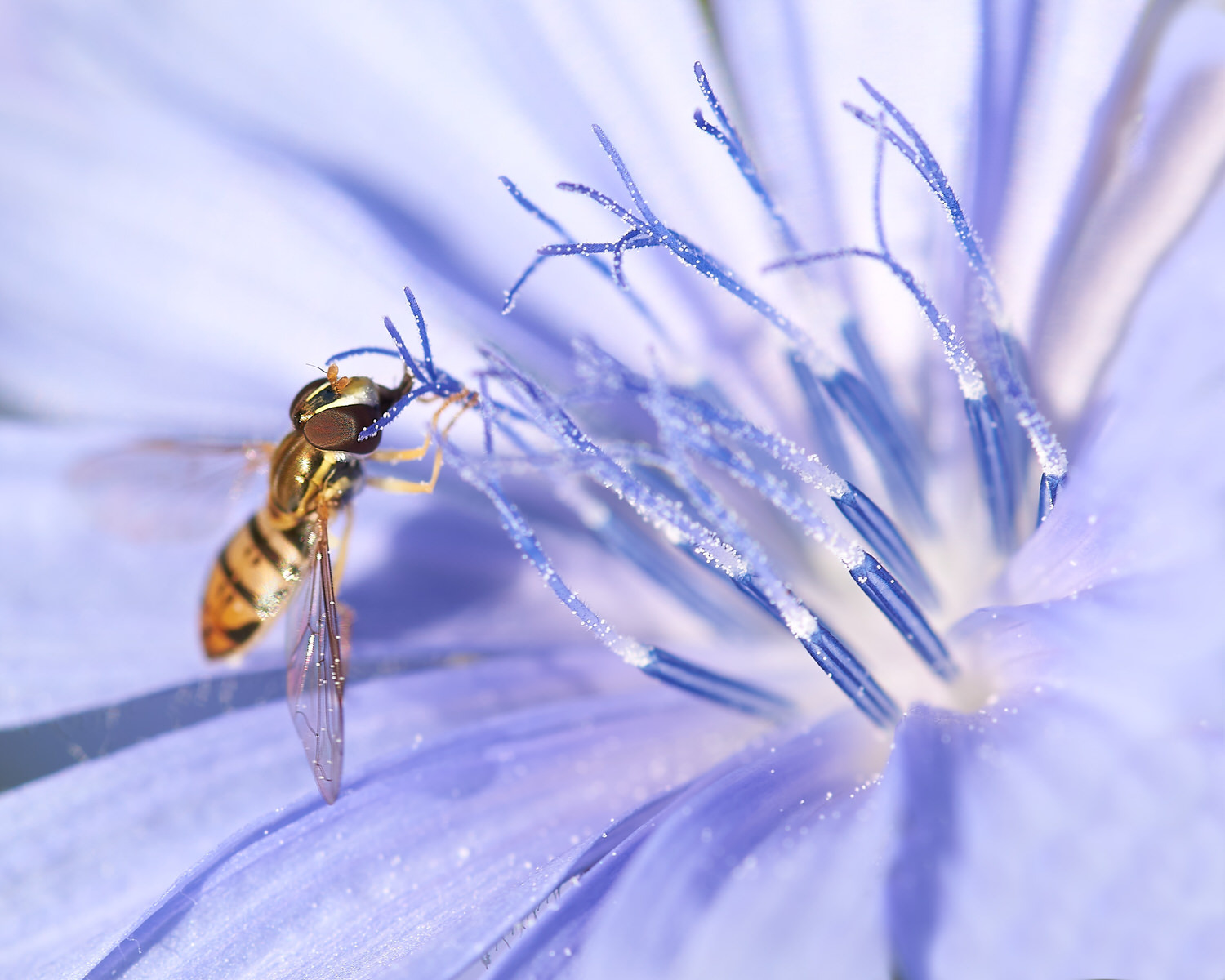
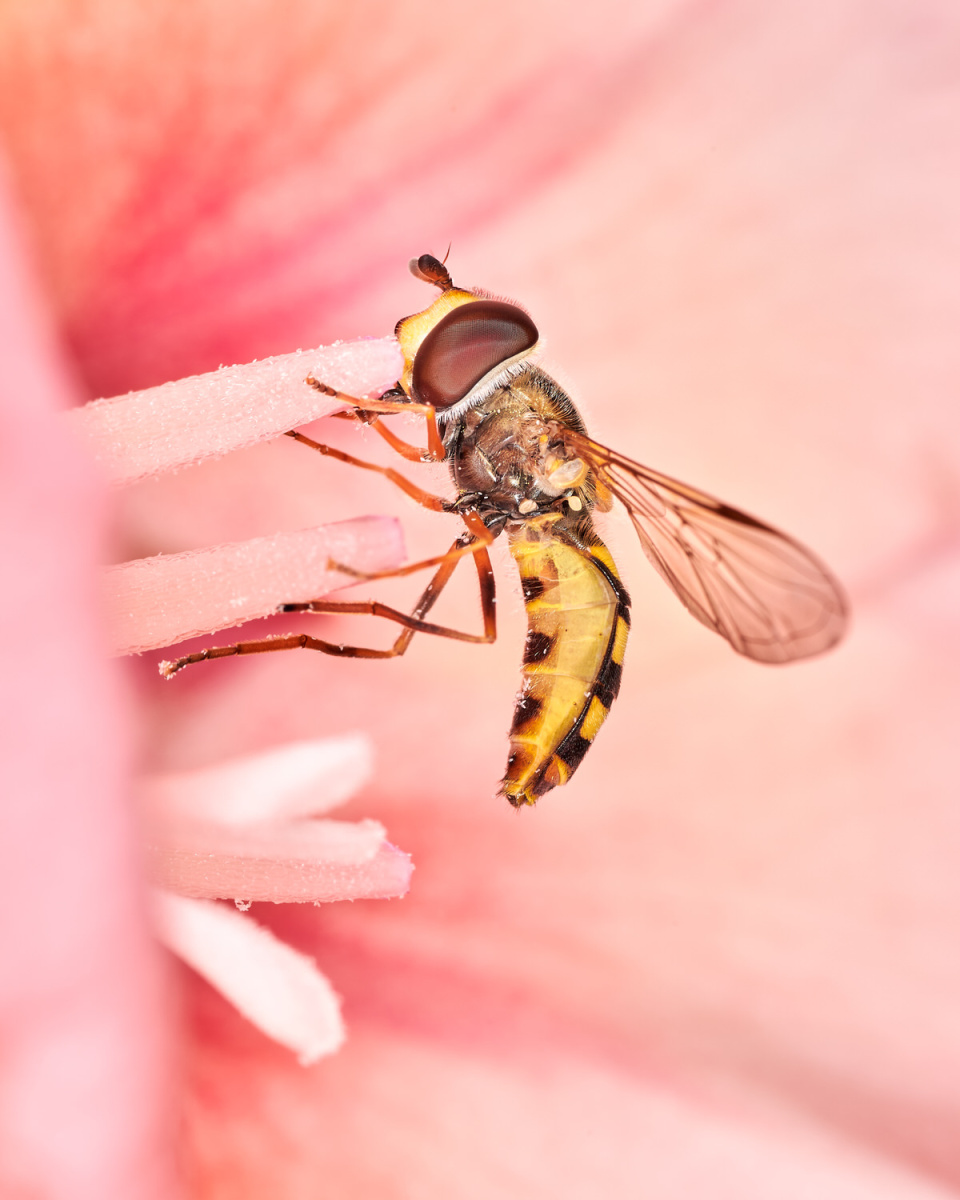
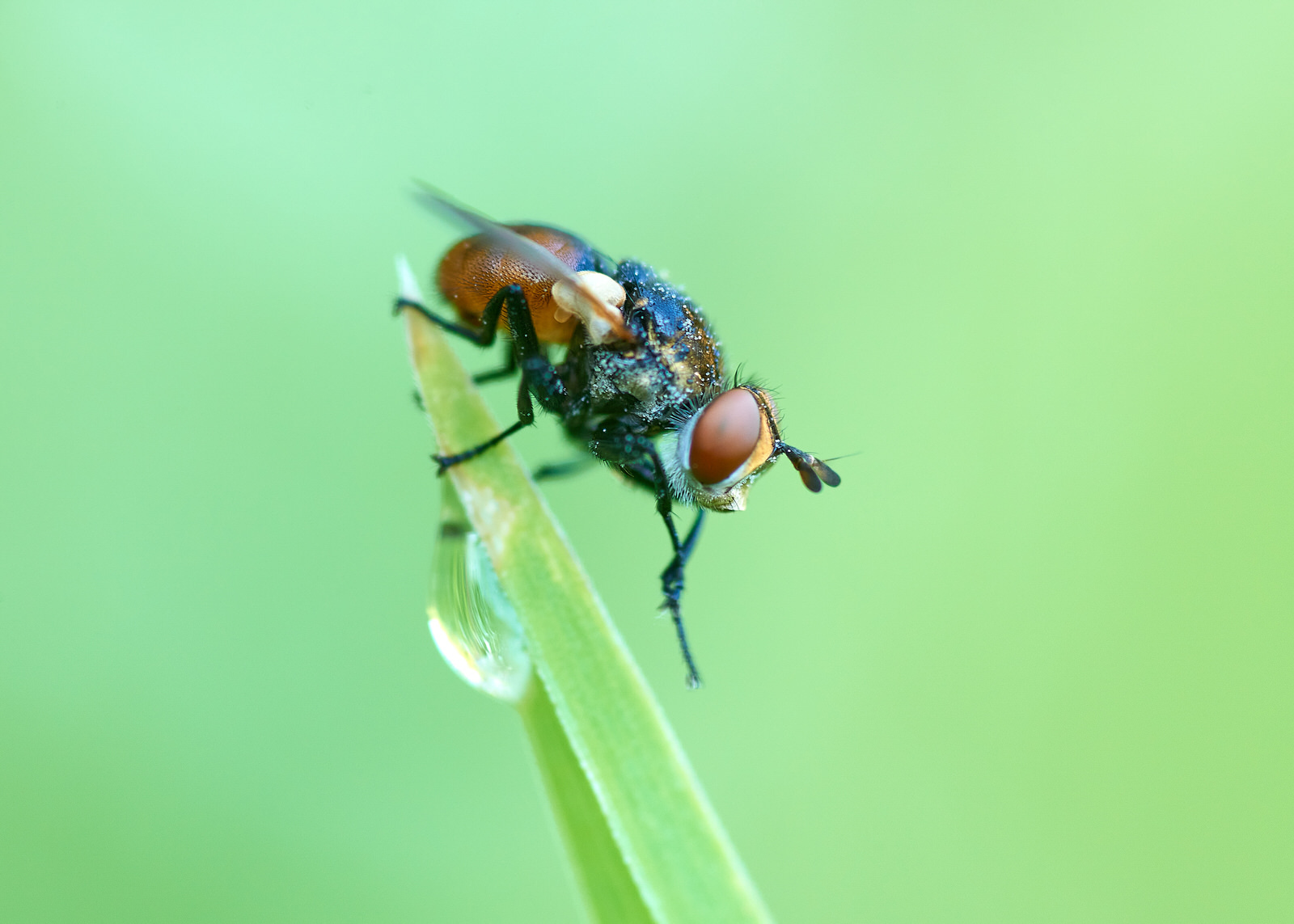
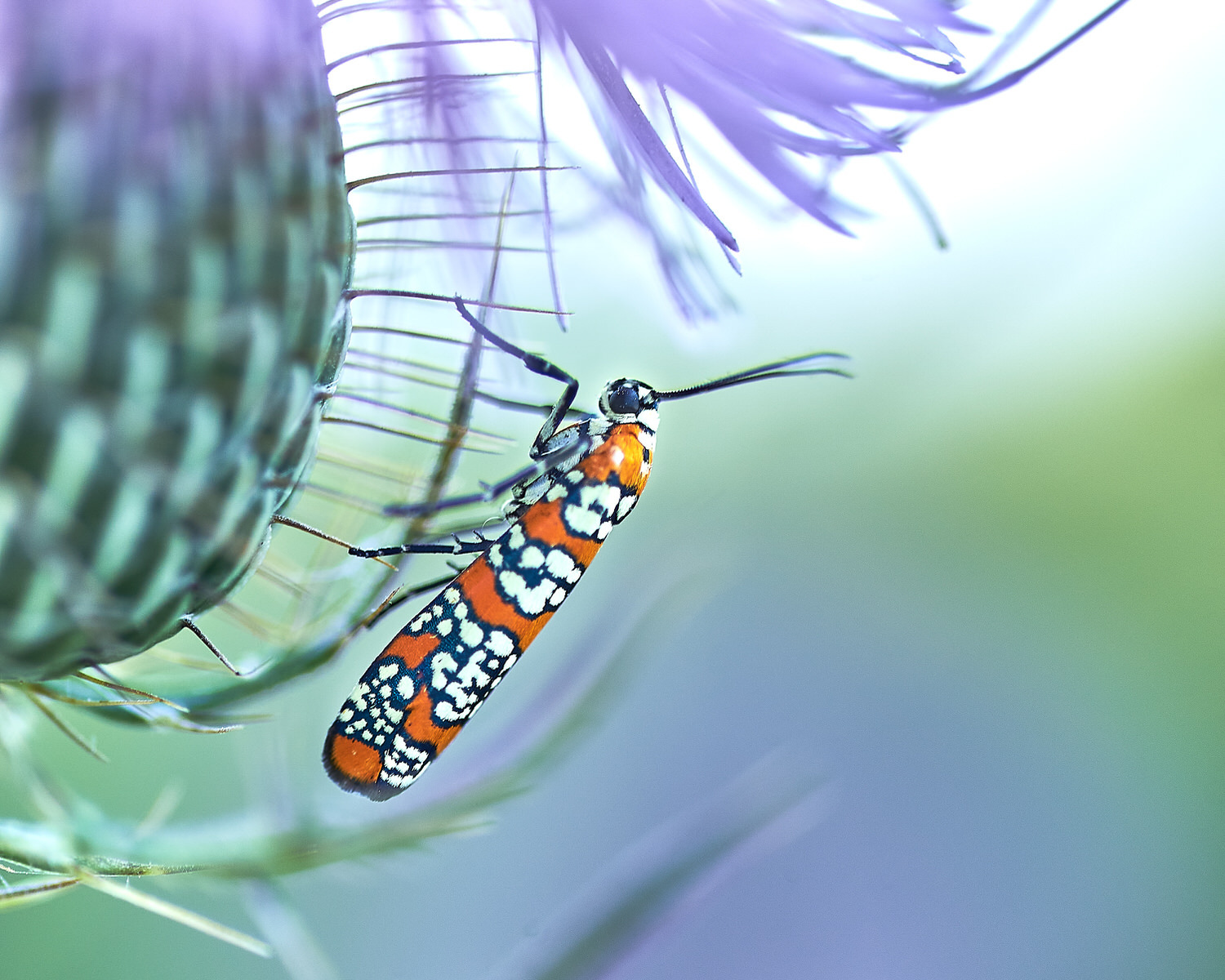
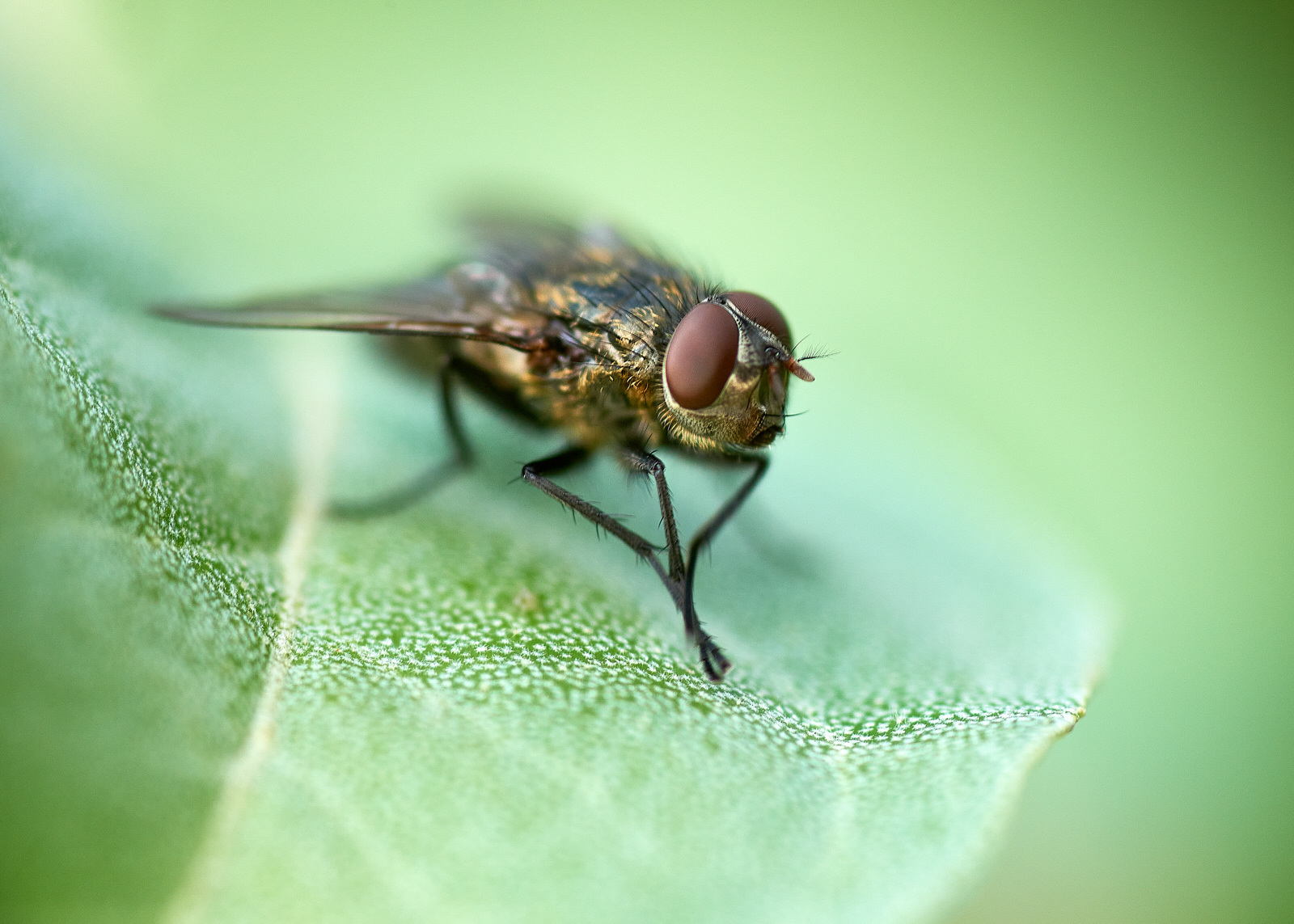
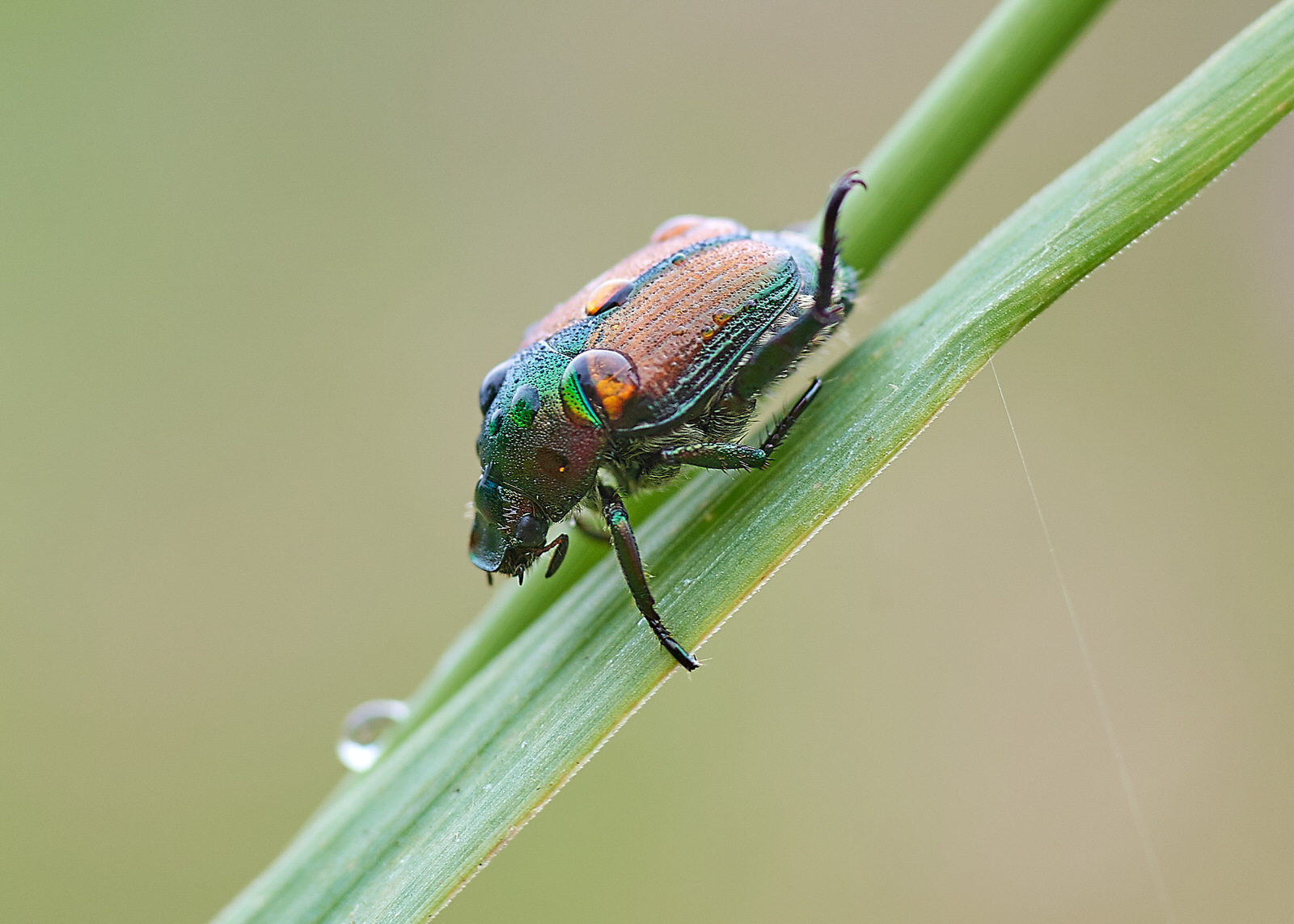
The Midwest is full of these opportunities. Its woodlands, fields, wildflowers, and insects offer an endless supply of subjects for anyone willing to slow down and explore. The photographs accompanying this writing celebrate that diversity and the unexpected beauty found in familiar places. They are a reminder that we need not travel to distant mountains or celebrated wilderness areas to find something extraordinary. Sometimes the most interesting photograph is waiting just down the road, beyond the last farmhouse, or in the woods we have driven past a hundred times.
The beauty is here. We simply have to look.