Urban Melodies
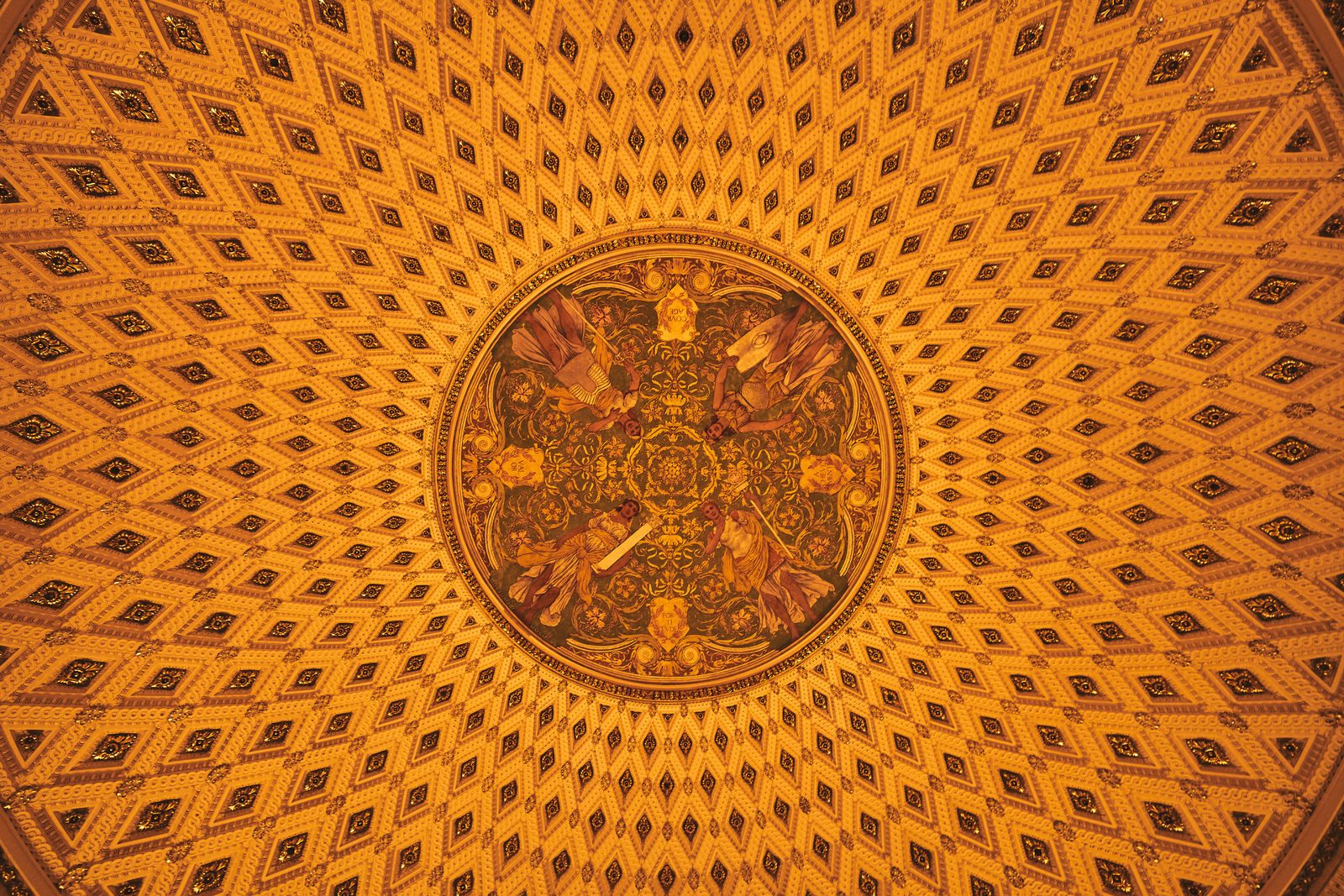
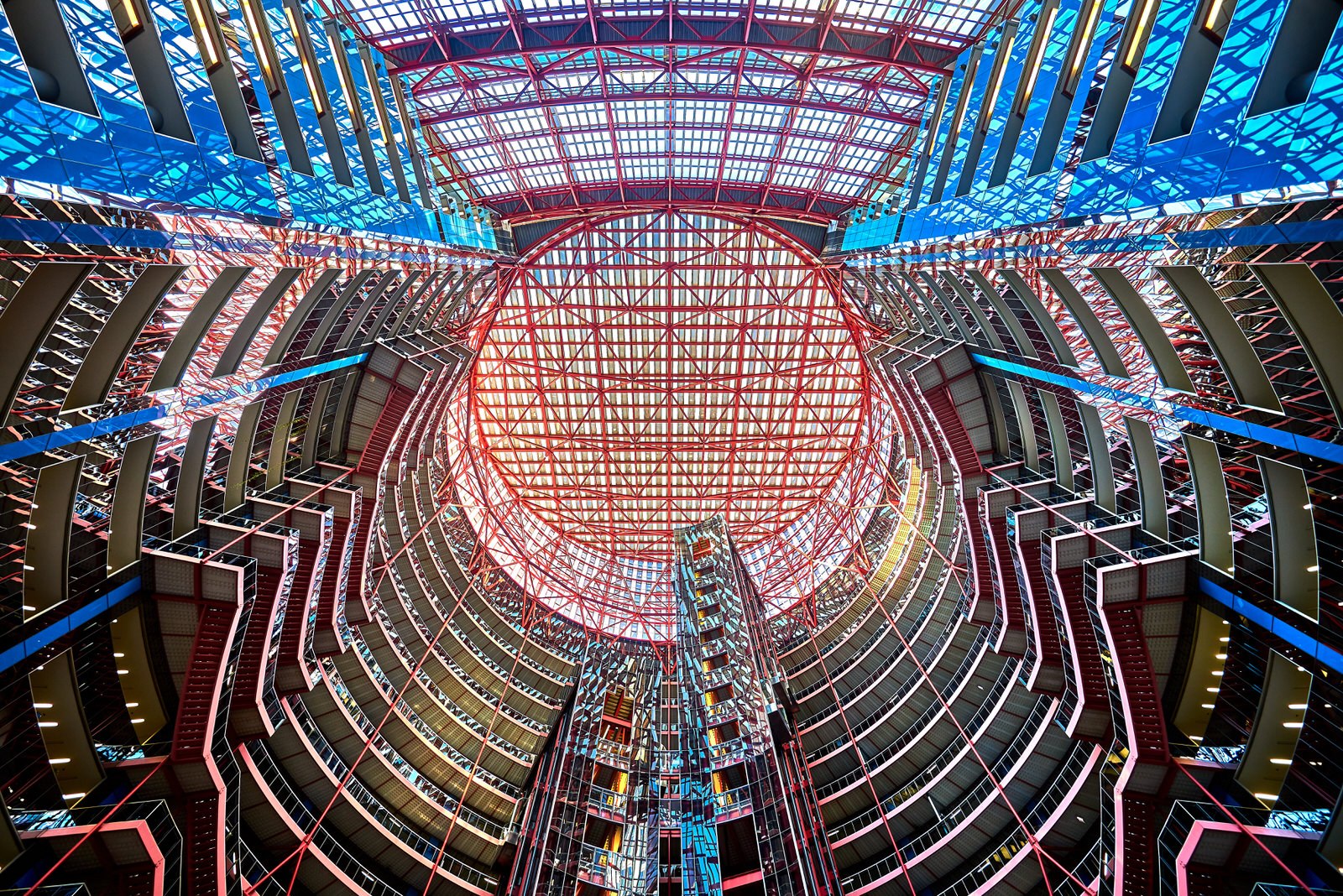
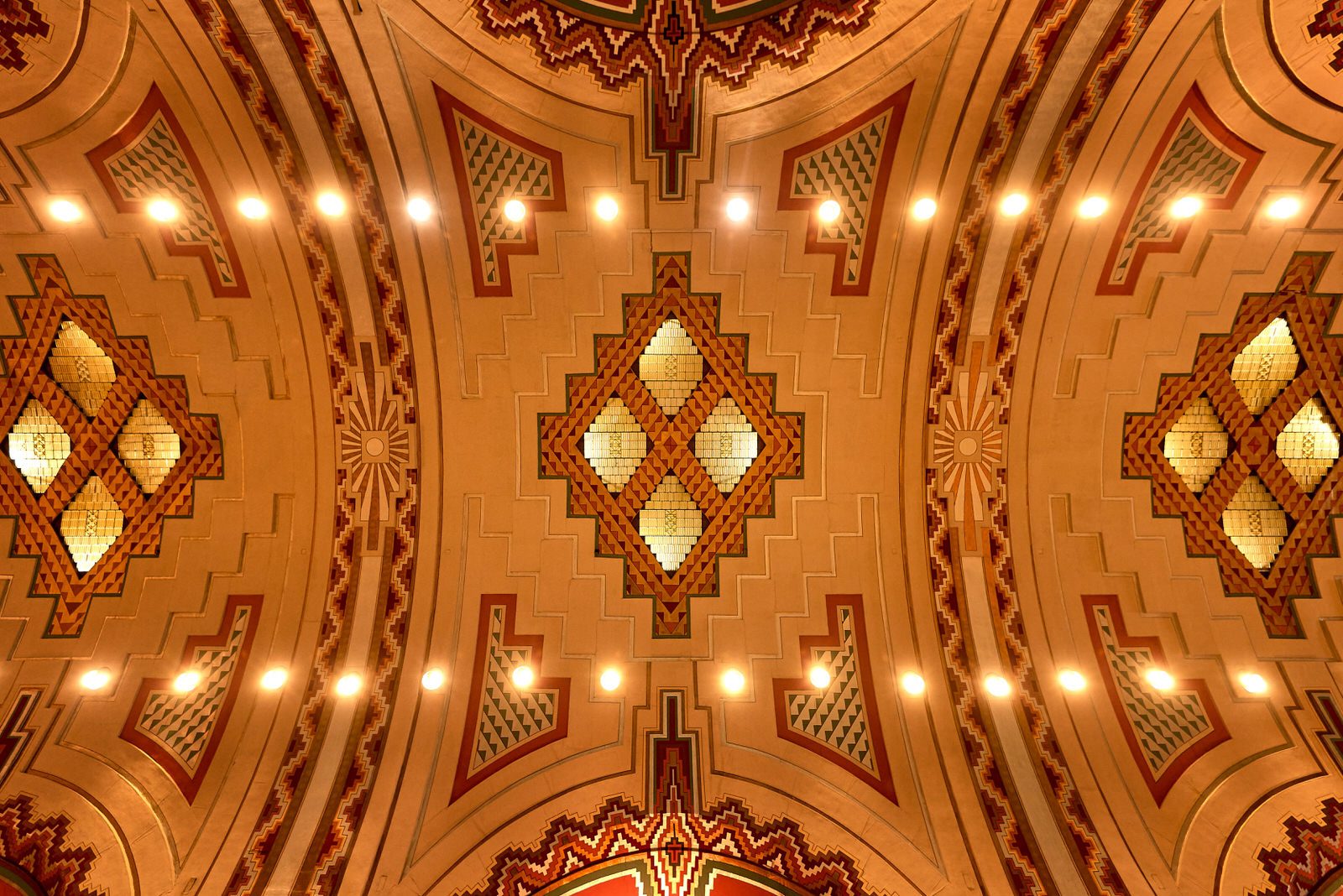
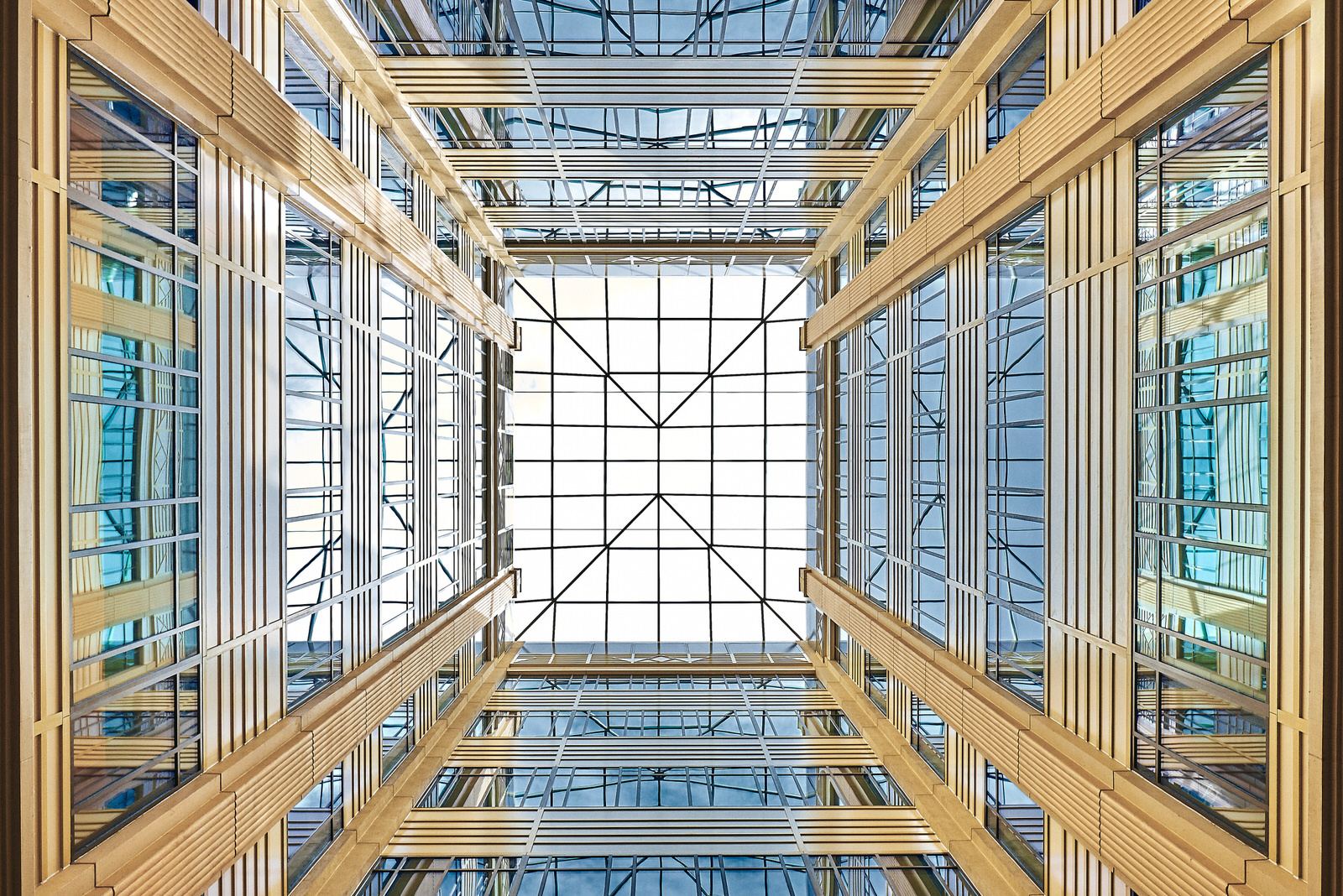
Cities possess a peculiar sort of magic. They are places of abundance, possibility, and perpetual discovery, where an extraordinary range of human experiences unfolds within a relatively small space. A familiar street can reveal something new each time we walk it: a shaft of afternoon light catching the upper floors of an old building, a conversation glimpsed through a café window, the quiet persistence of a shop that has outlasted its neighbors. Cities reward attention. They remind us that the world is never quite as familiar as we imagine it to be, and that even the most ordinary scenes contain the possibility of discovery. There is, after all, a great deal of life happening just beyond the limits of our own attention. One need only look up occasionally.
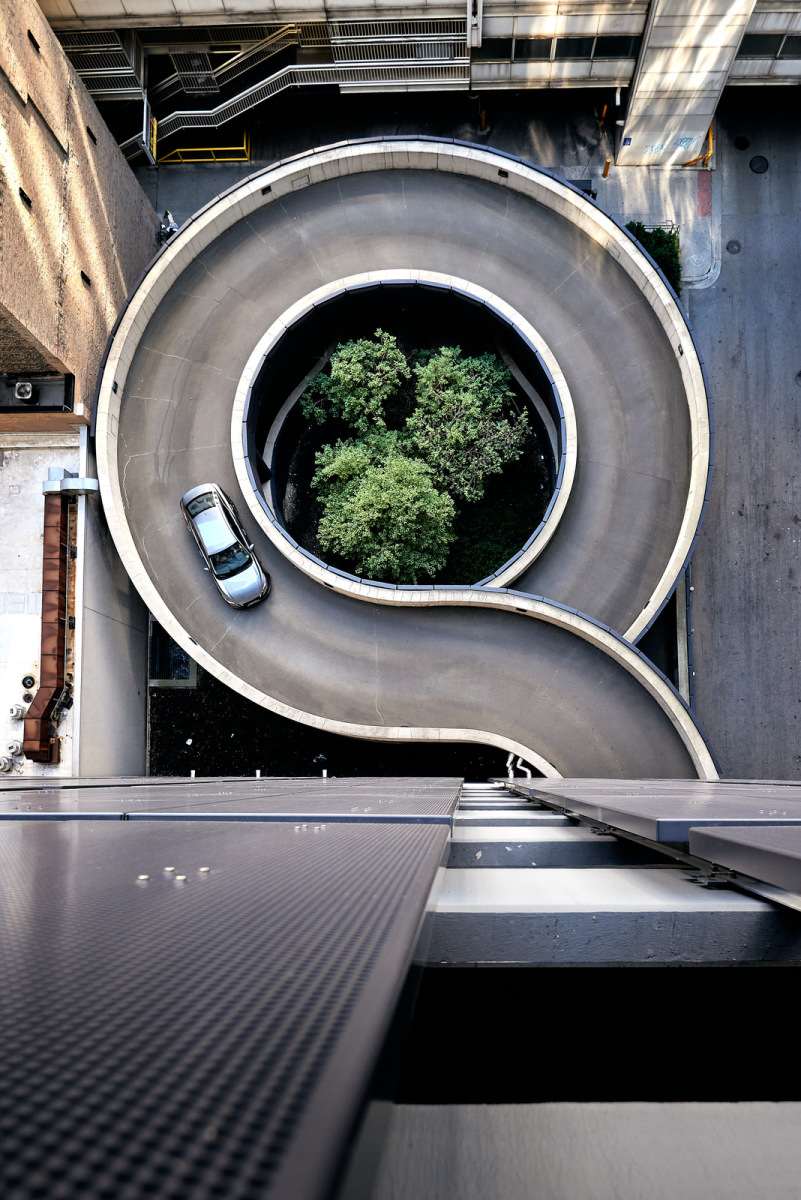


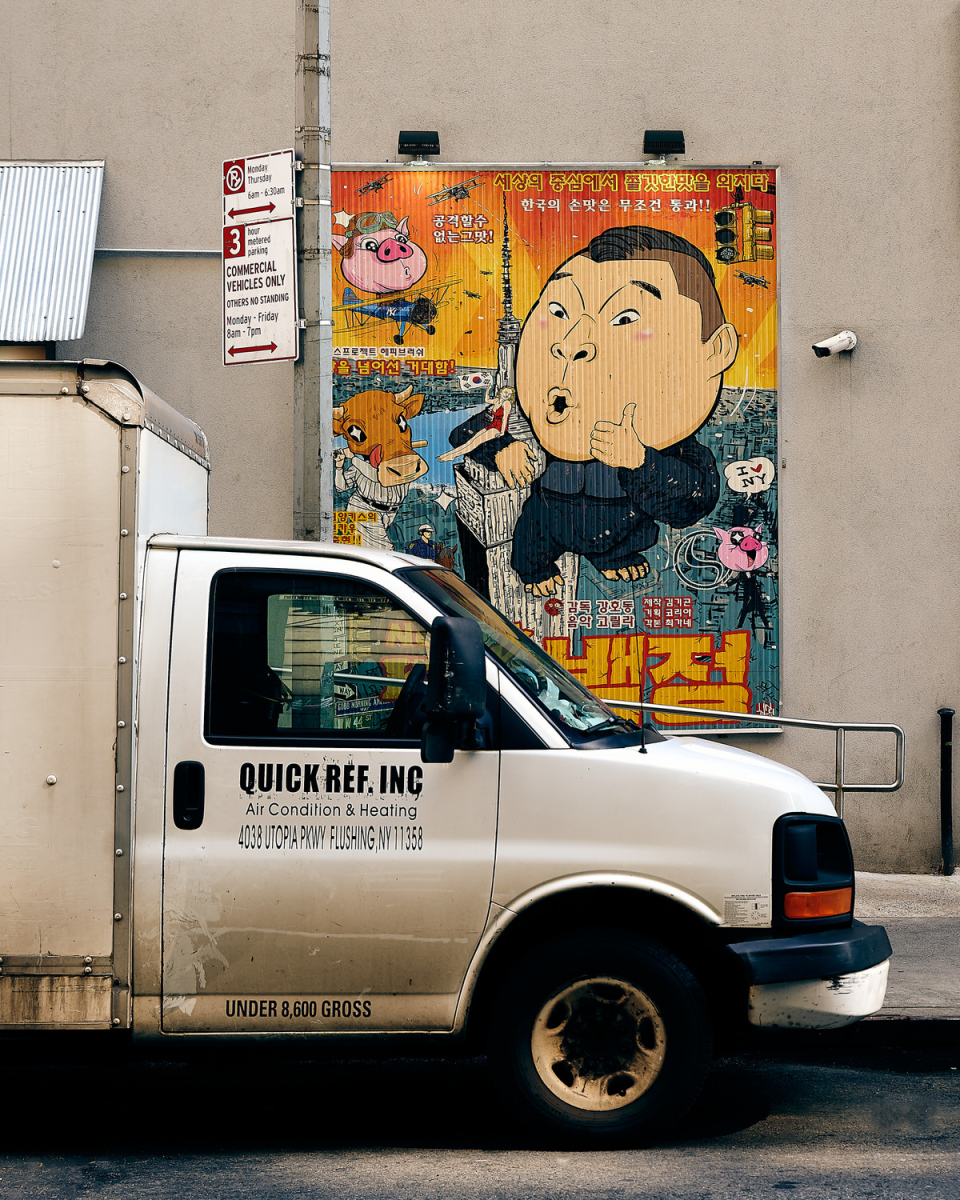


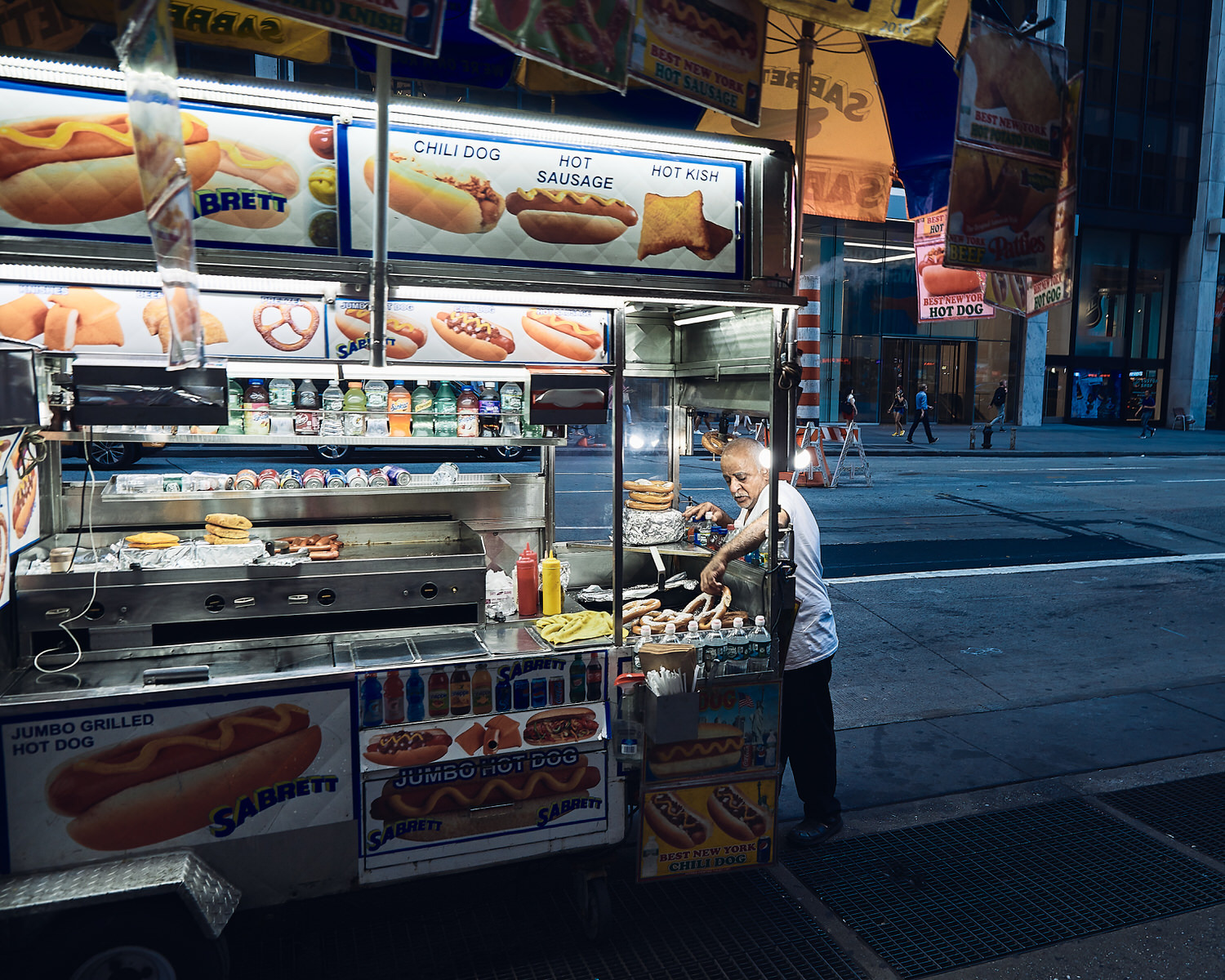



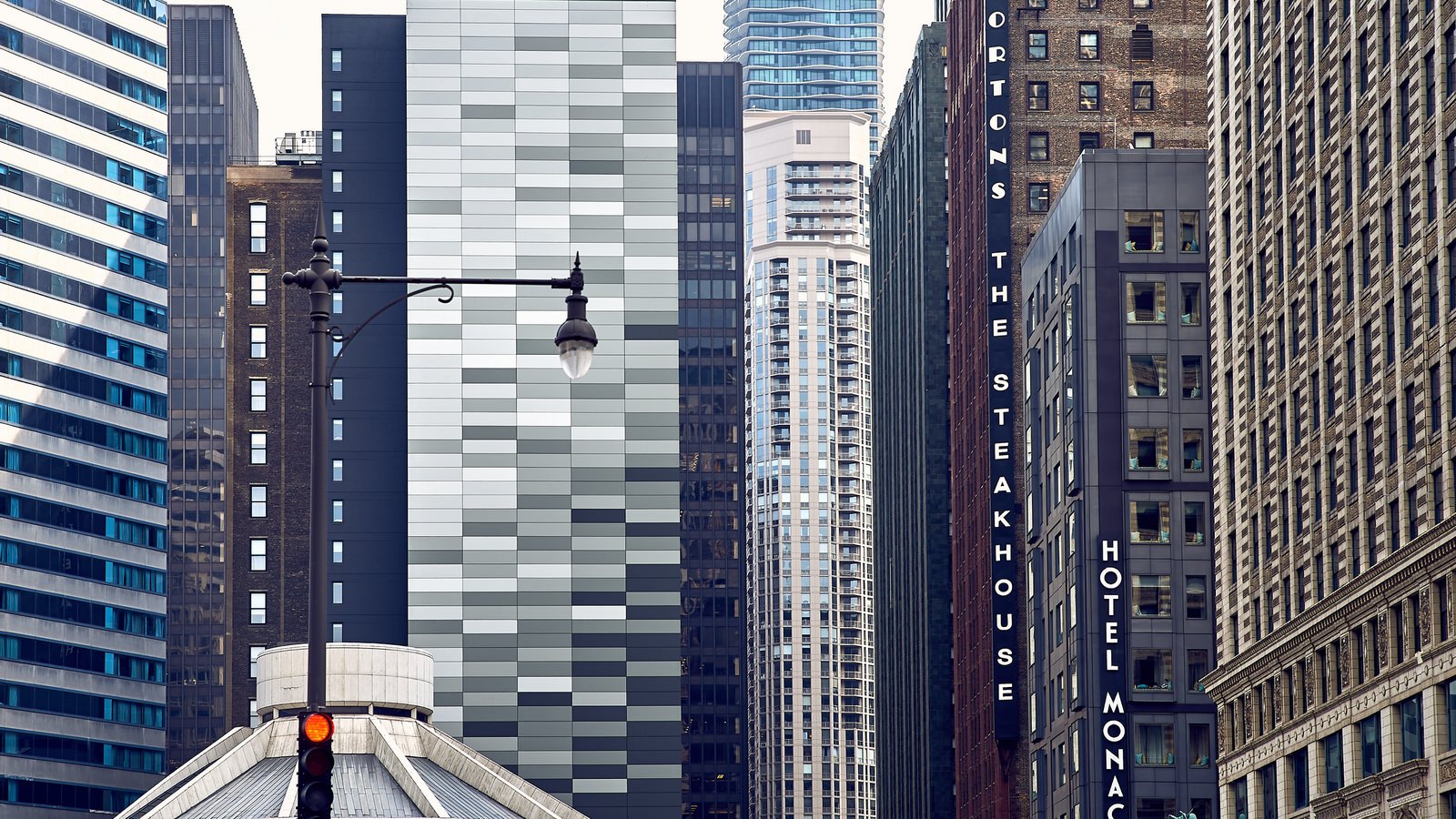

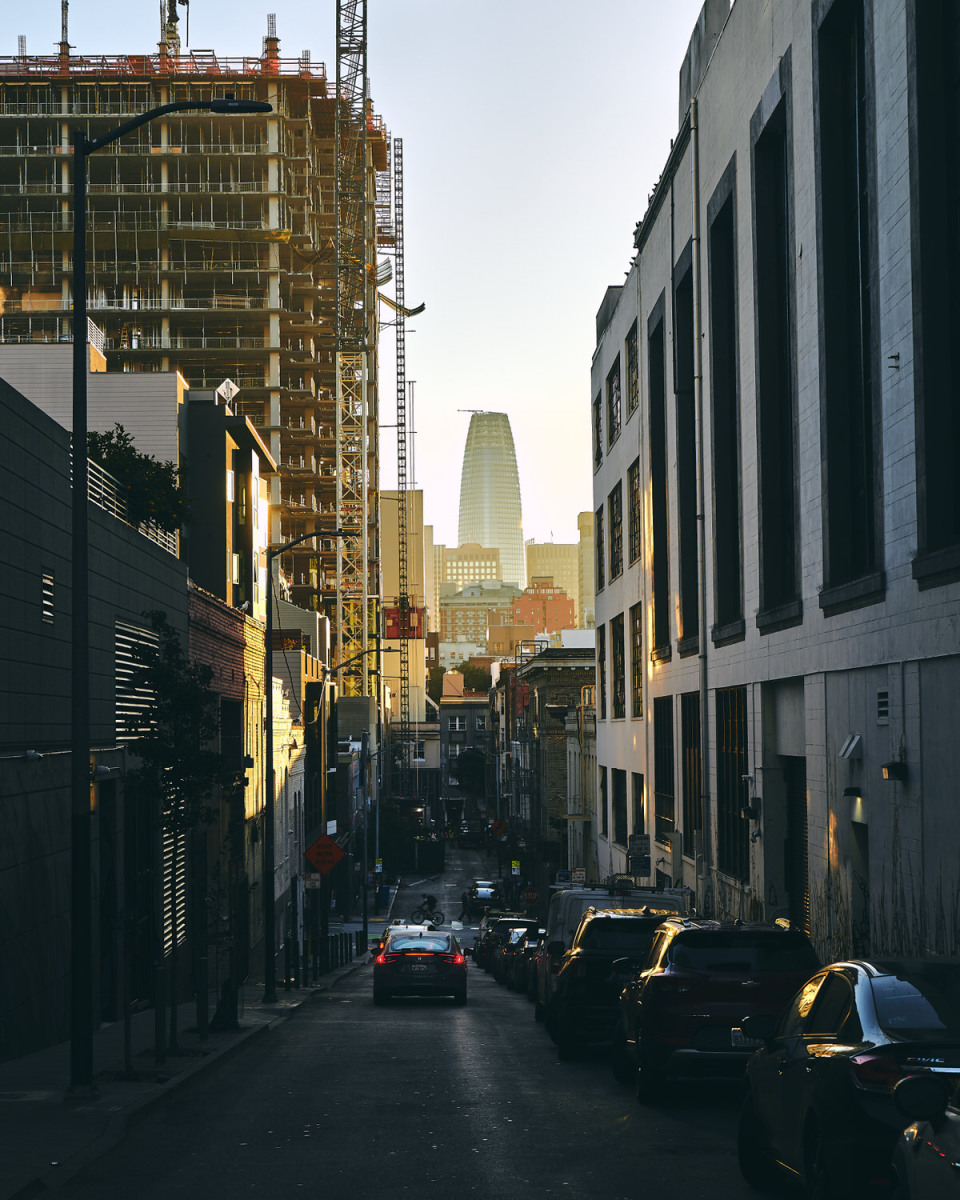

Part of the appeal lies in the extraordinary variety of human experience that cities bring together. Different cultures, generations, and ways of living occupy the same streets, sometimes intersecting and sometimes passing one another without acknowledgment. Public spaces become stages for the unplanned encounters that give cities their character. A market, a railway platform, a crowded pavement, or a nearly empty square at dusk can reveal something essential about the rhythms of human existence. There is both intimacy and anonymity in these environments. We are surrounded by other people, connected to their presence, yet largely unaware of the lives they lead beyond our immediate field of vision. It is an arrangement that feels distinctly human: the desire to belong, balanced against the desire to be left alone. Cities manage to accommodate both, often on the same street and occasionally on the same bench.
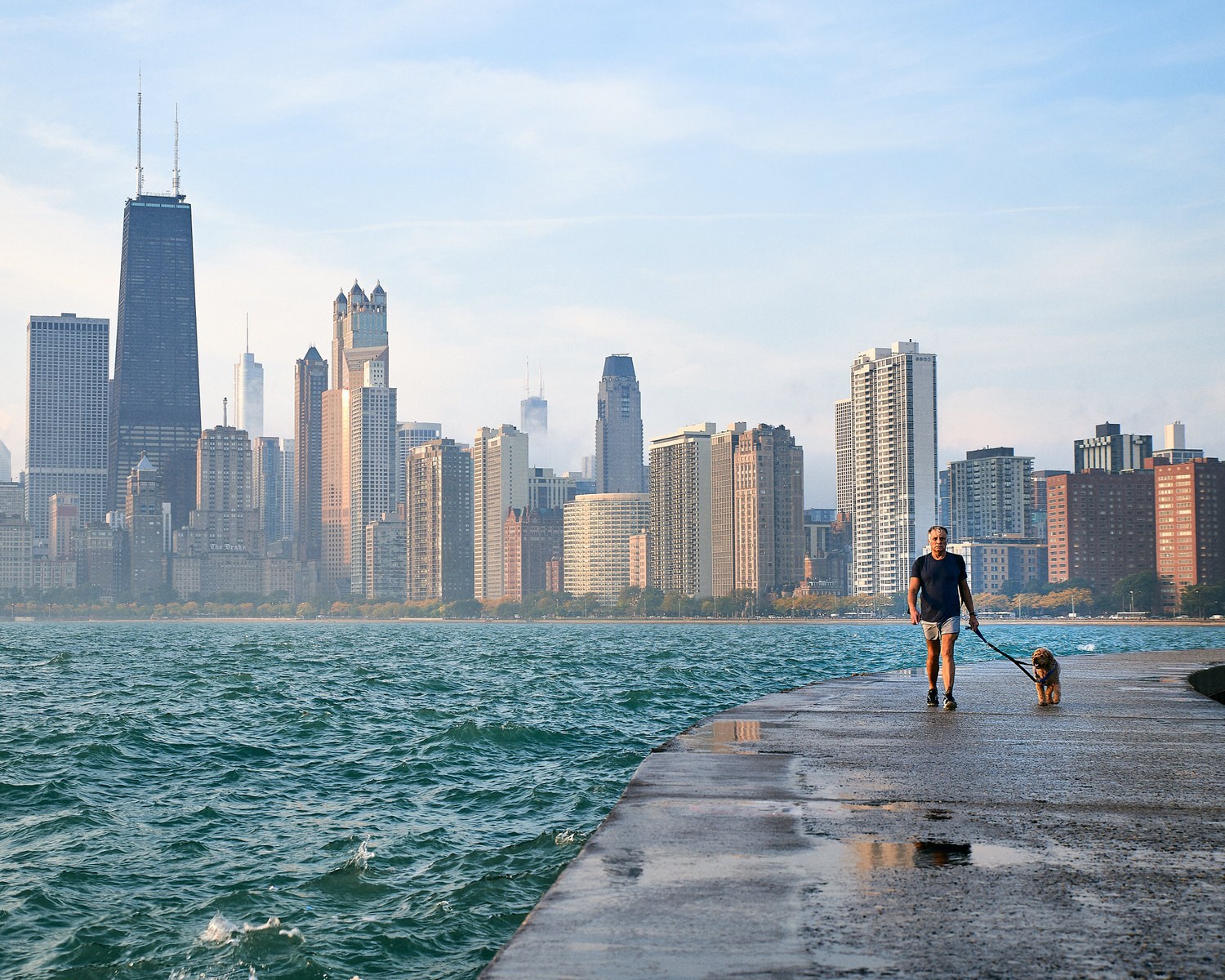
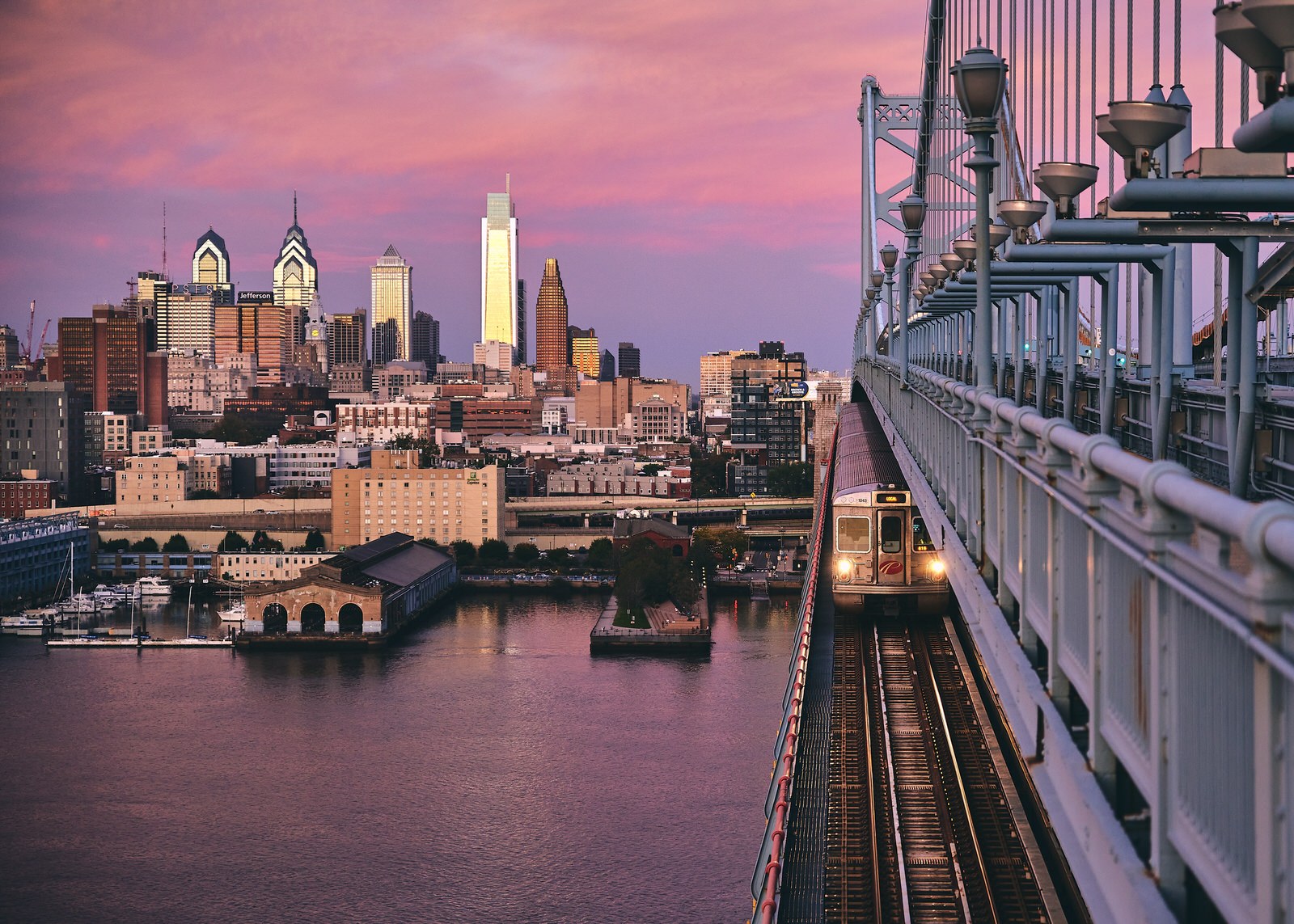
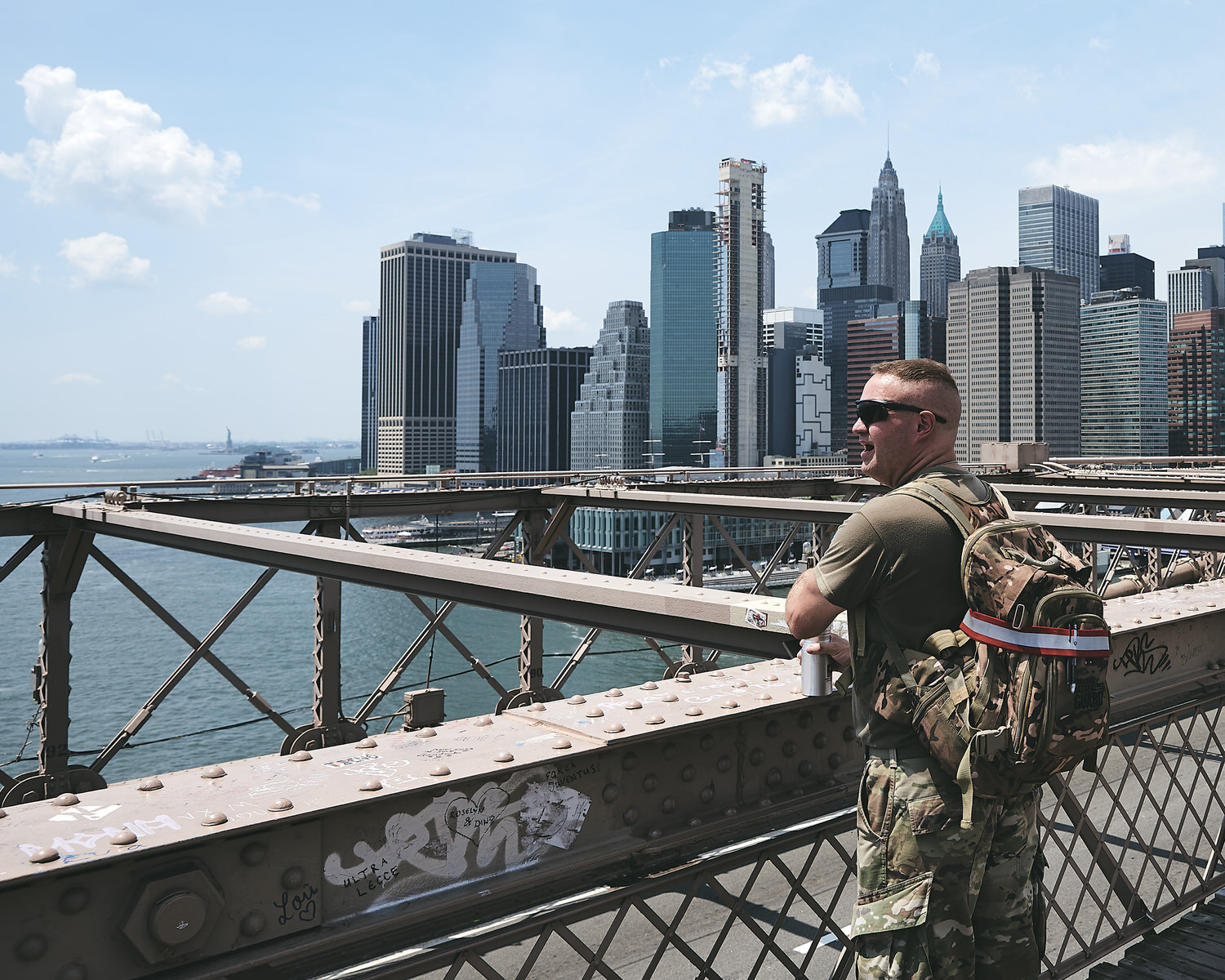

There is a practical intelligence to cities, too. When homes, workplaces, shops, parks, and cultural institutions exist within reasonable proximity, daily life becomes less dependent on the automobile and more connected to the world outside one’s front door. Streets become more than channels of movement; they become places of encounter. Libraries, public squares, cafés, and parks provide settings in which civic life can unfold without the expectation of a transaction. These arrangements may seem unremarkable, but their consequences are considerable. A well-designed city gives people more choices about how to spend their time, how to move through their surroundings, and how to encounter one another. It makes participation in the life of a community easier. One might consider this a rather modest ambition. Yet the history of urban development suggests that even modest ambitions can prove surprisingly difficult to achieve.

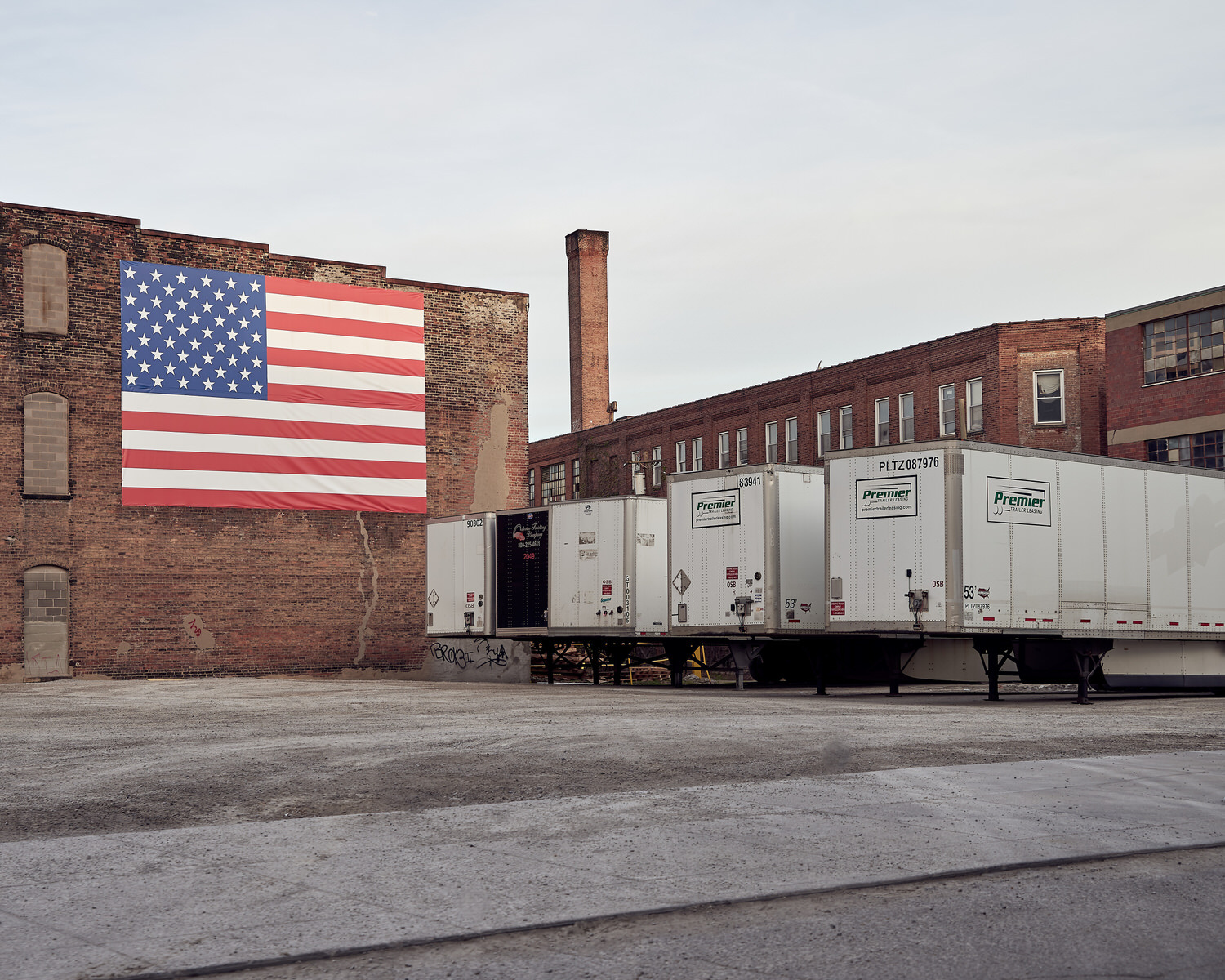
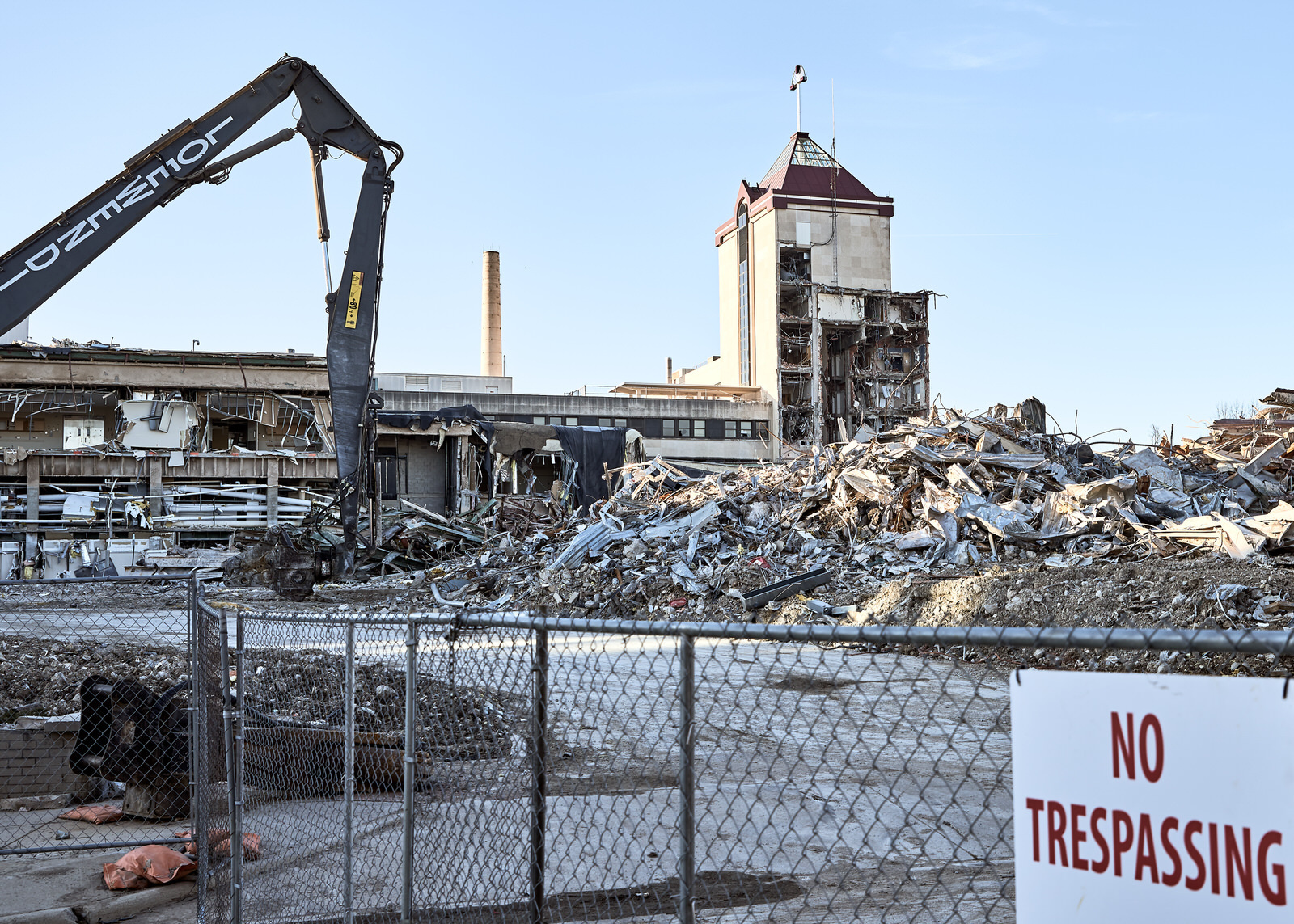




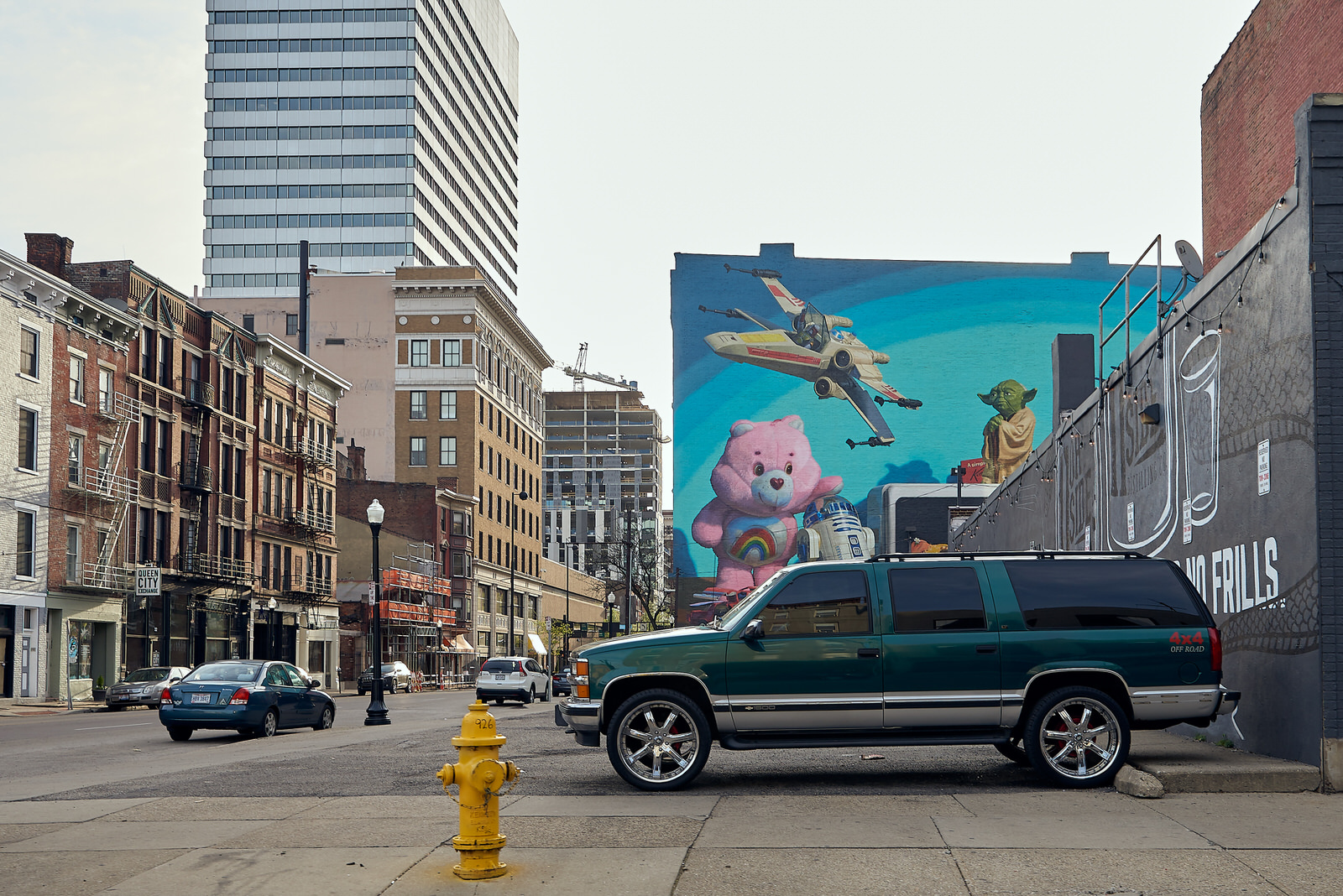
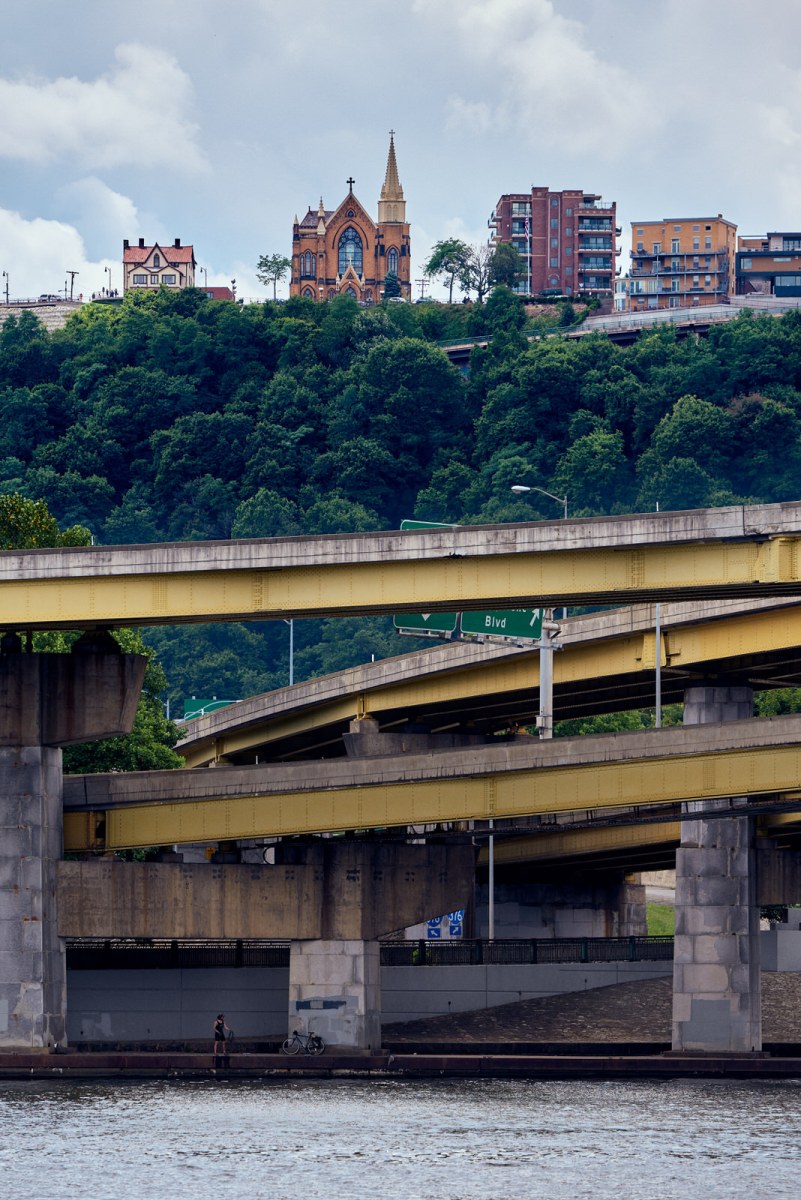
For all these advantages, the places best equipped to accommodate large numbers of people efficiently are often among the least accessible. In many desirable cities, housing costs have risen to a point where the benefits of urban life are increasingly reserved for those who can afford them. The contradiction is difficult to ignore. Cities can accommodate more people on less land than sprawling development, sharing infrastructure and reducing dependence on private transportation. Apartments, townhouses, and mixed-use neighborhoods can bring homes, businesses, and public amenities together, while compact development can reduce the amount of road and utility infrastructure required per person. Yet in the places where proximity offers the greatest advantages, scarcity can turn that proximity into a privilege. We have, in effect, created environments that make living together more efficient, then introduced a series of barriers that prevent many people from participating. It is an impressive achievement, if not an especially sensible one.



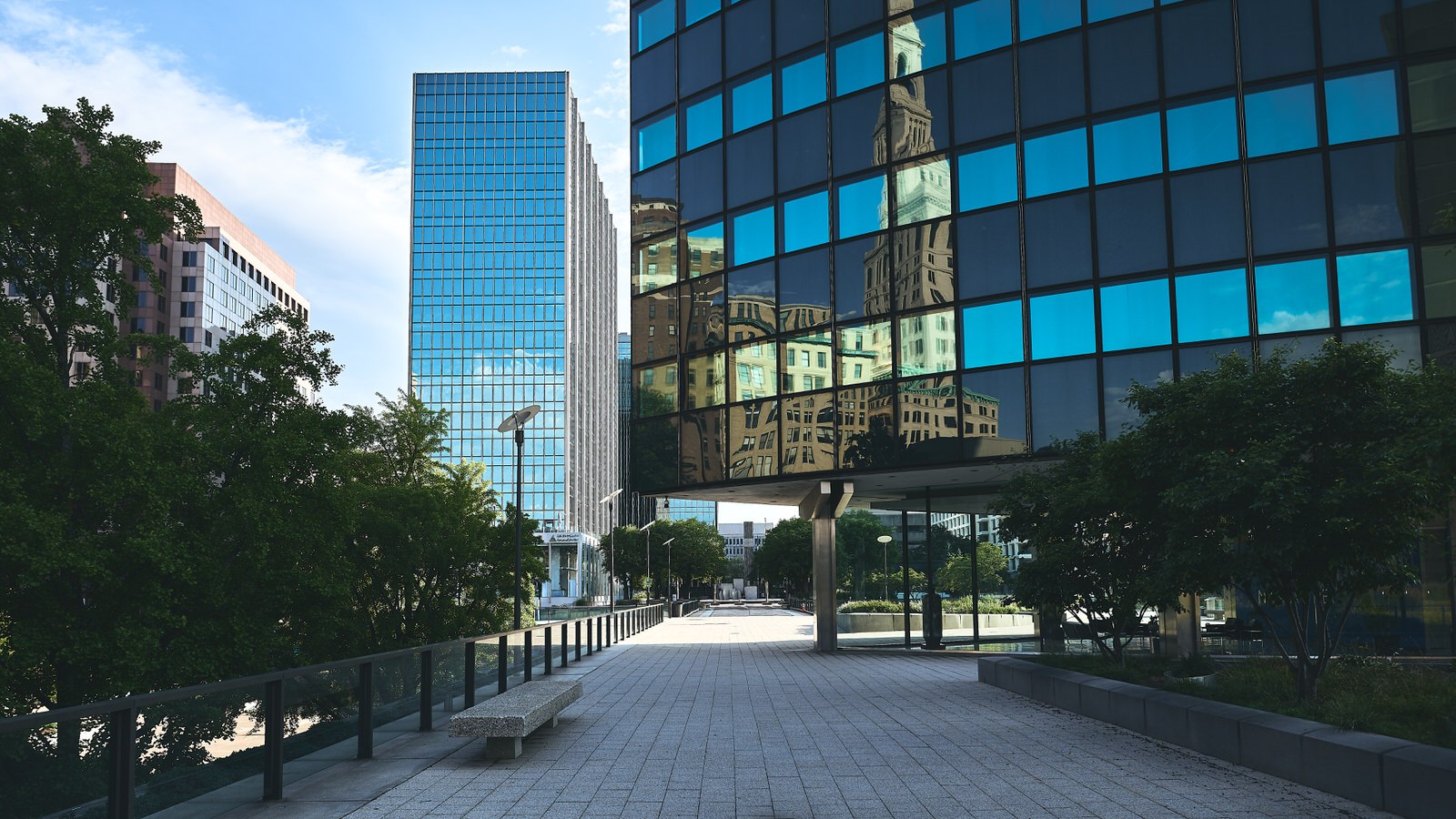
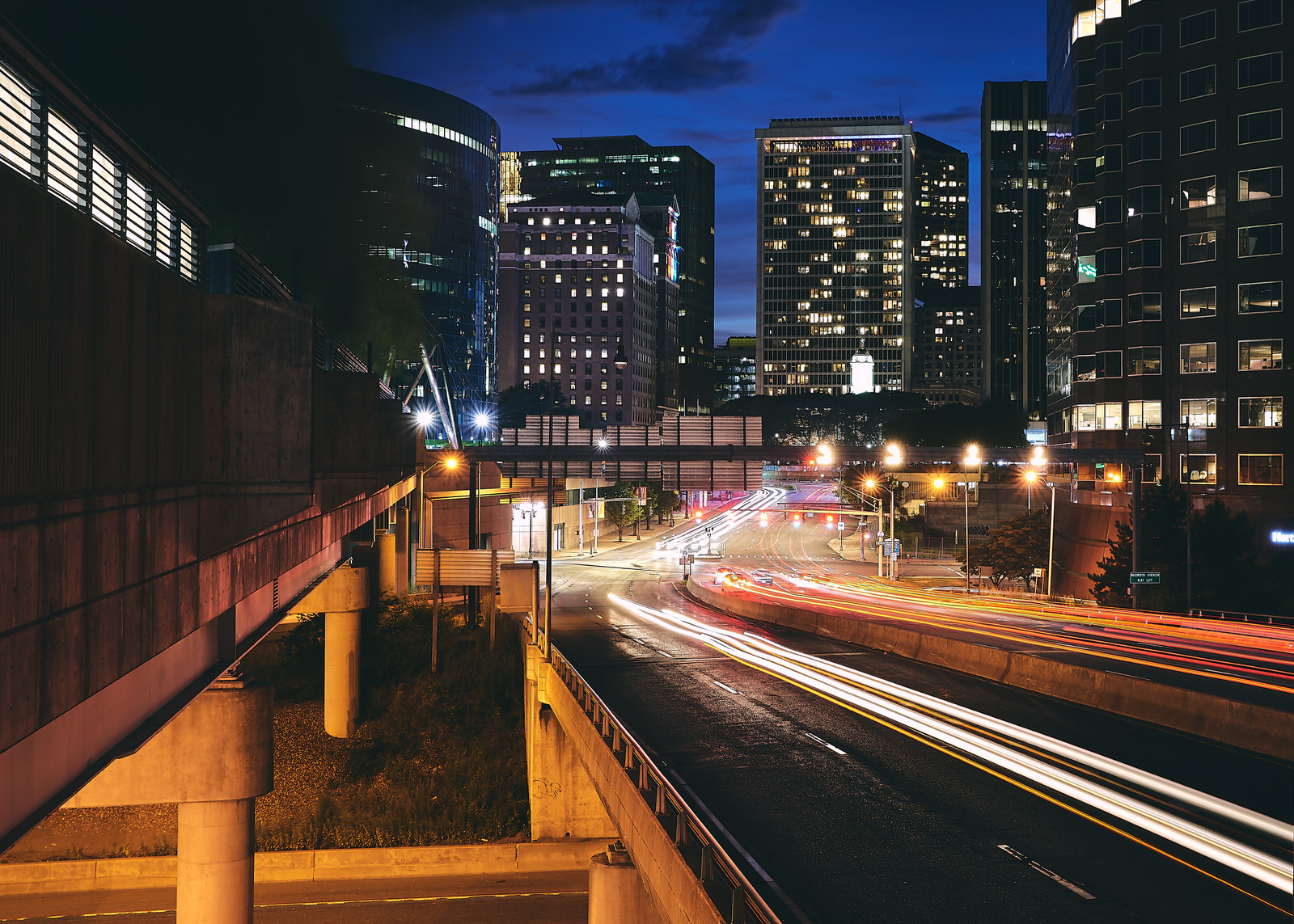
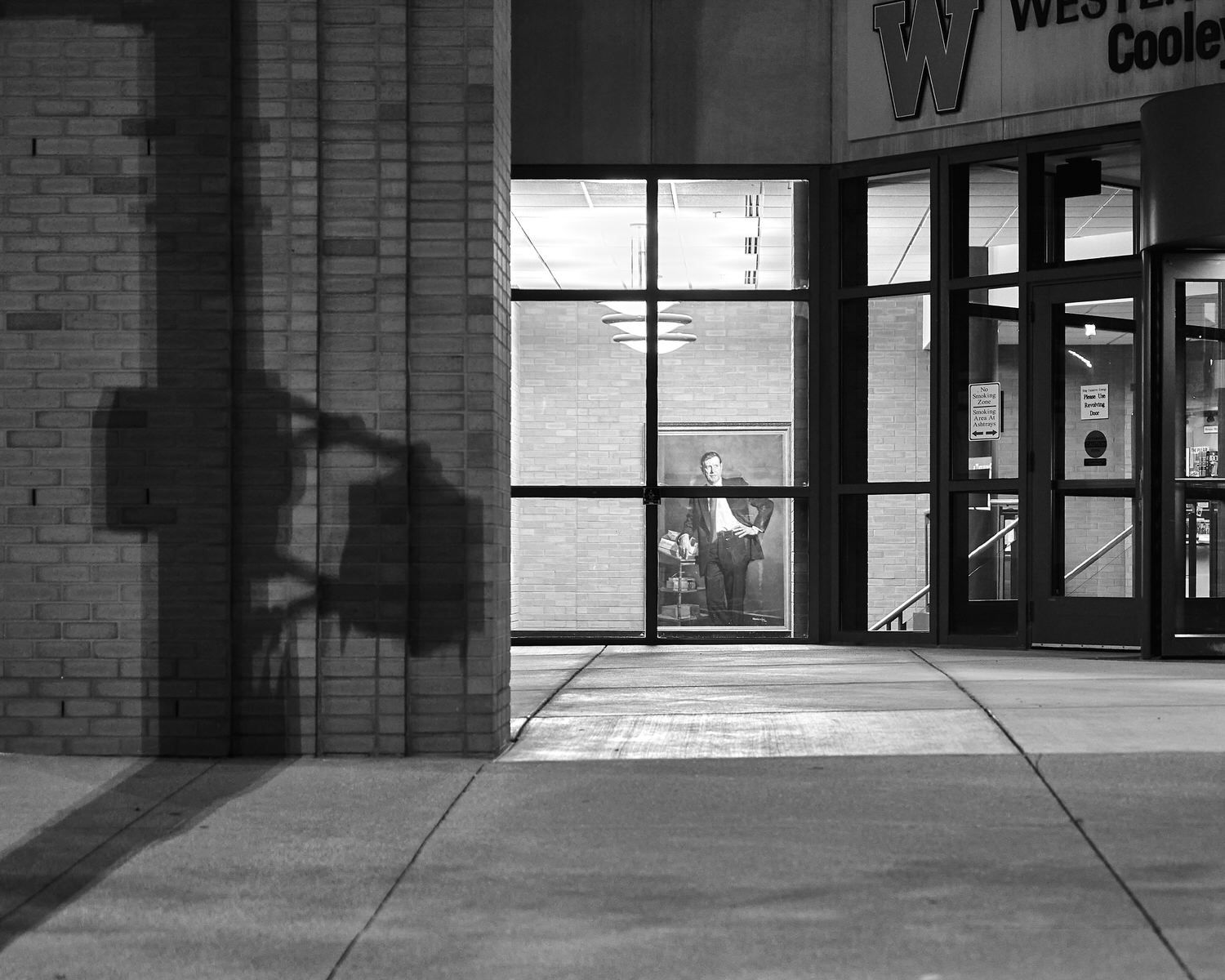
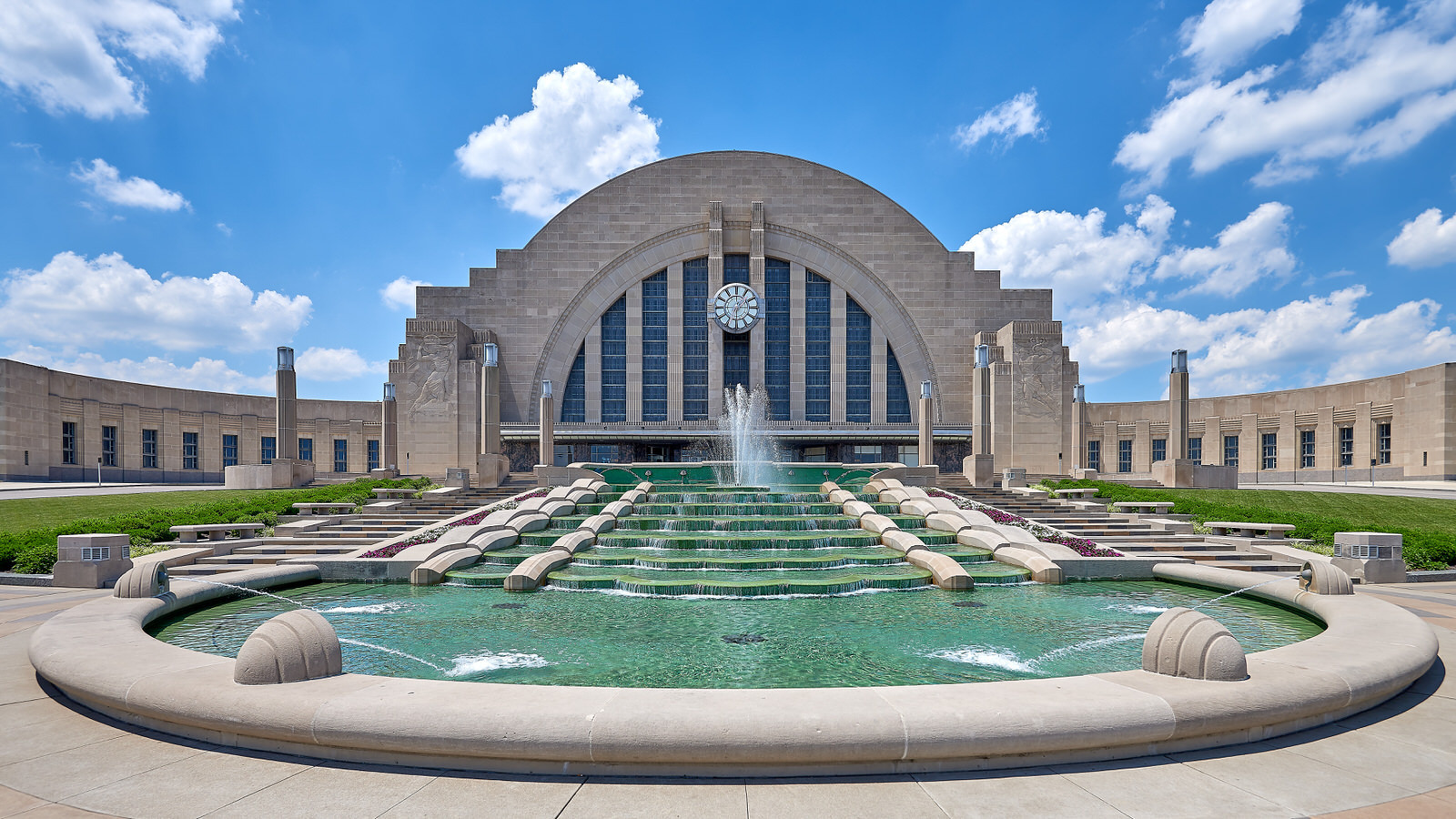
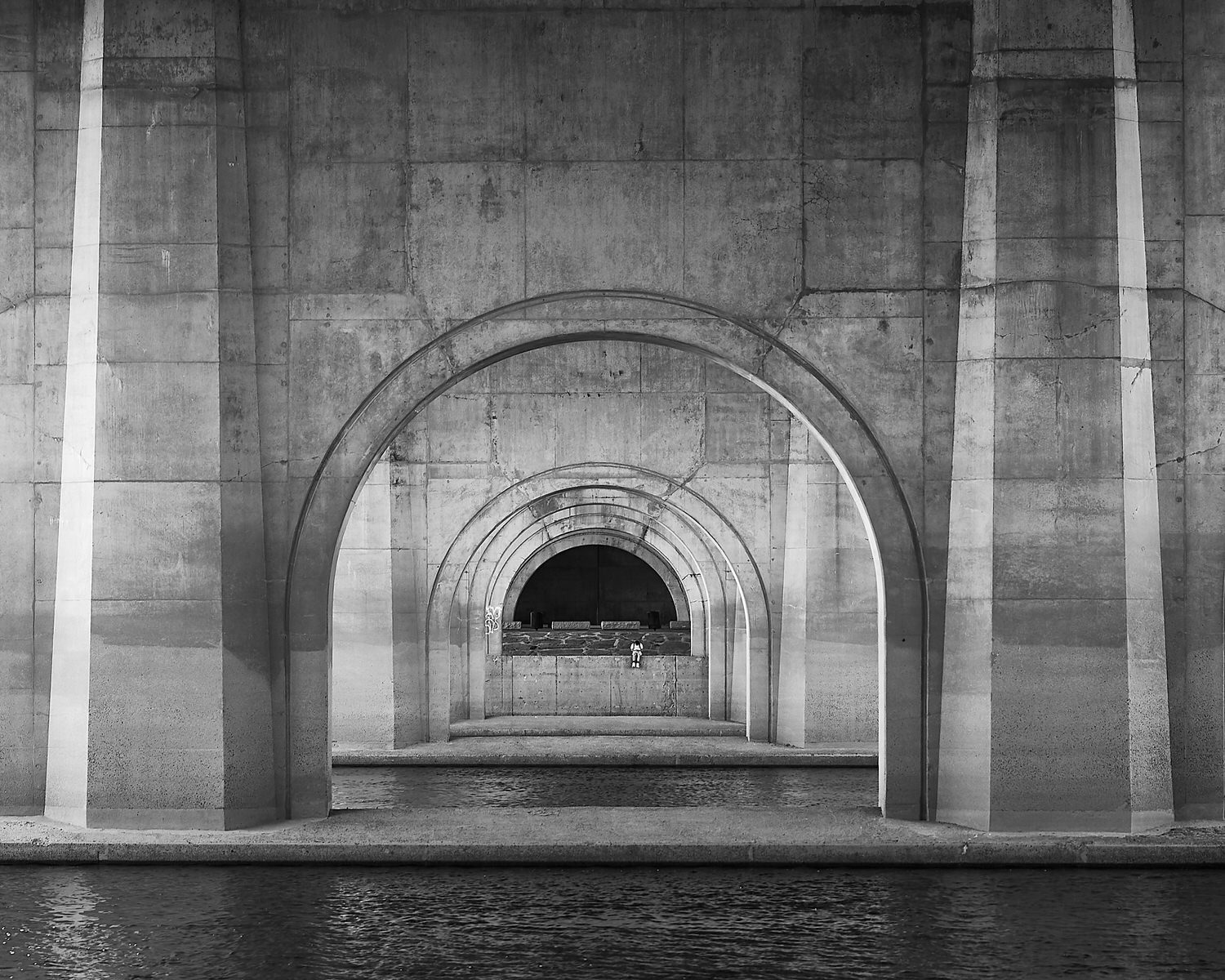
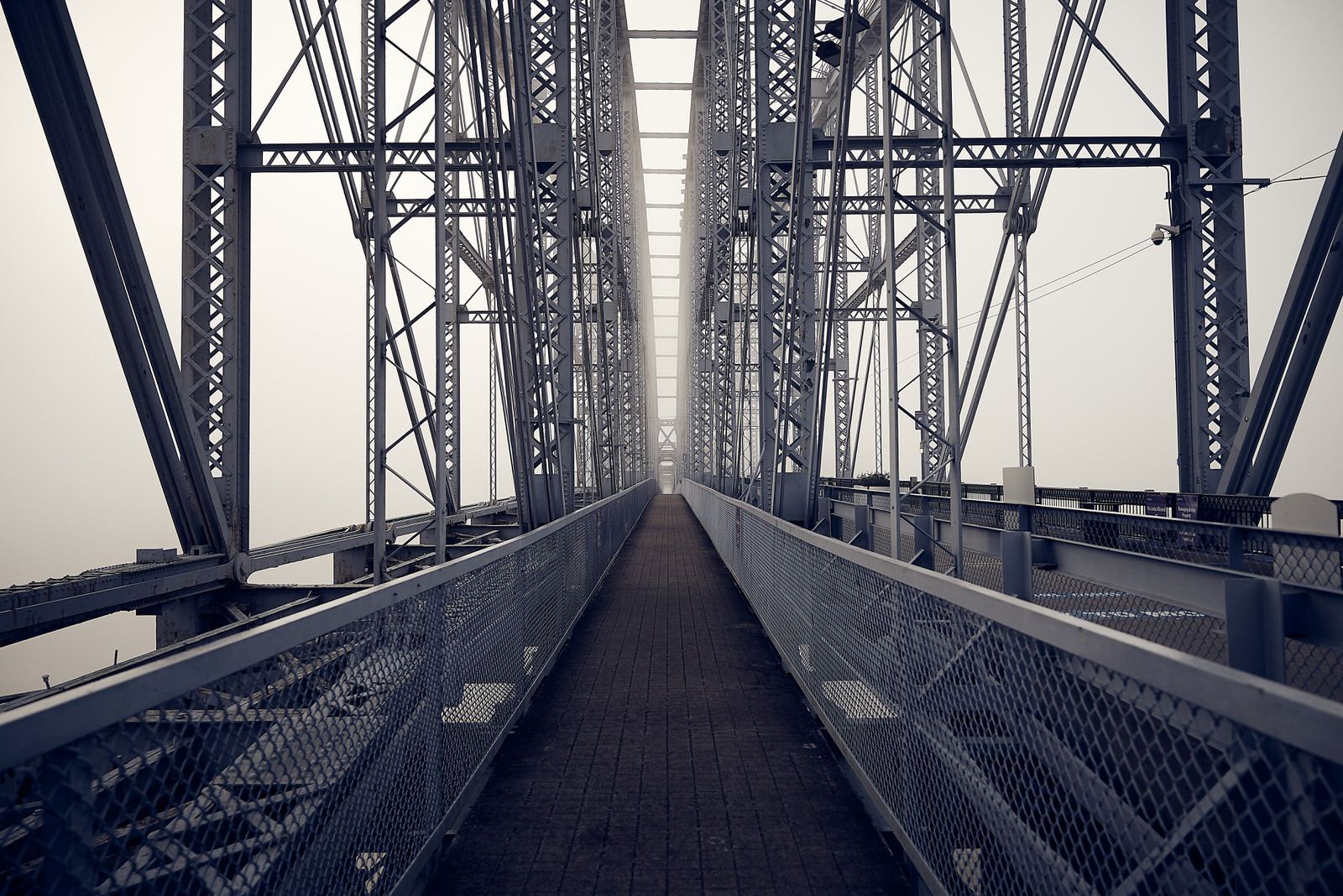

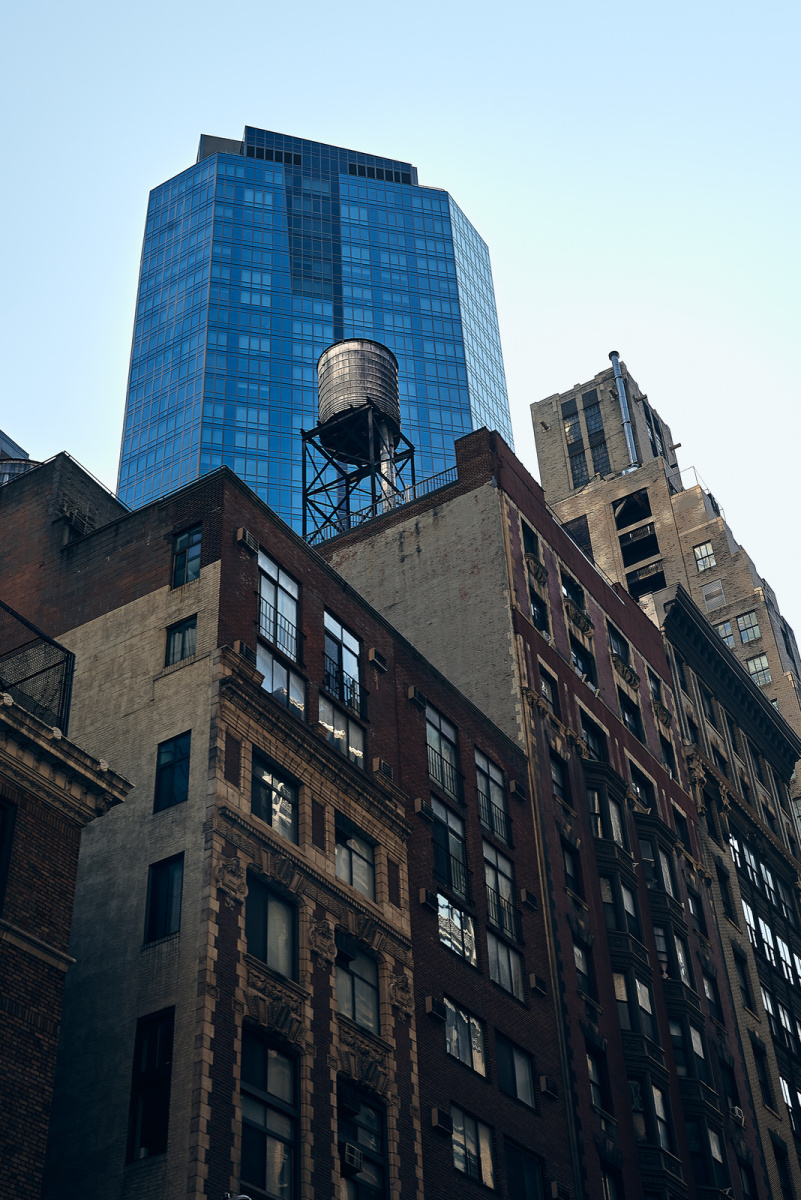

Density alone, of course, is no guarantee of a good city. Crowding without adequate housing, reliable infrastructure, accessible public spaces, or thoughtful planning can make urban life deeply unpleasant. A city is not improved simply by adding more buildings, any more than a newspaper is improved simply by adding more words. The question is what those buildings make possible. Well-planned urban environments can use land and resources more efficiently while expanding access to opportunity. They can support a wider variety of housing, encourage walking and public transportation, and create spaces in which people can participate in community life regardless of their income. Why, then, do we so often make it difficult to build housing in the places where people most want to live? Why do we allow scarcity to push prices upward when greater abundance could extend the benefits of city life to more people? The answers lie partly in economics, but they also reveal something about the societies responsible for these decisions.
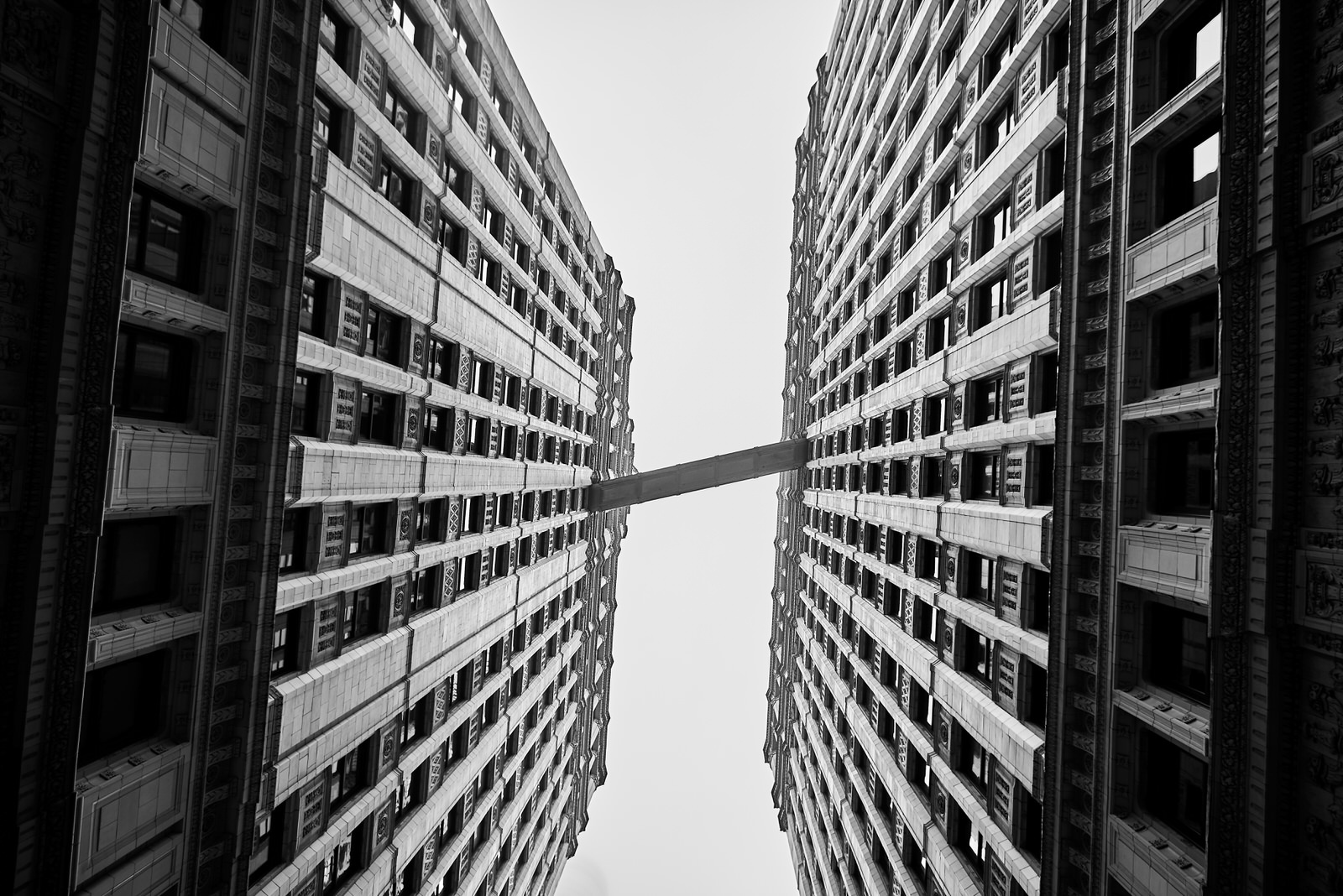


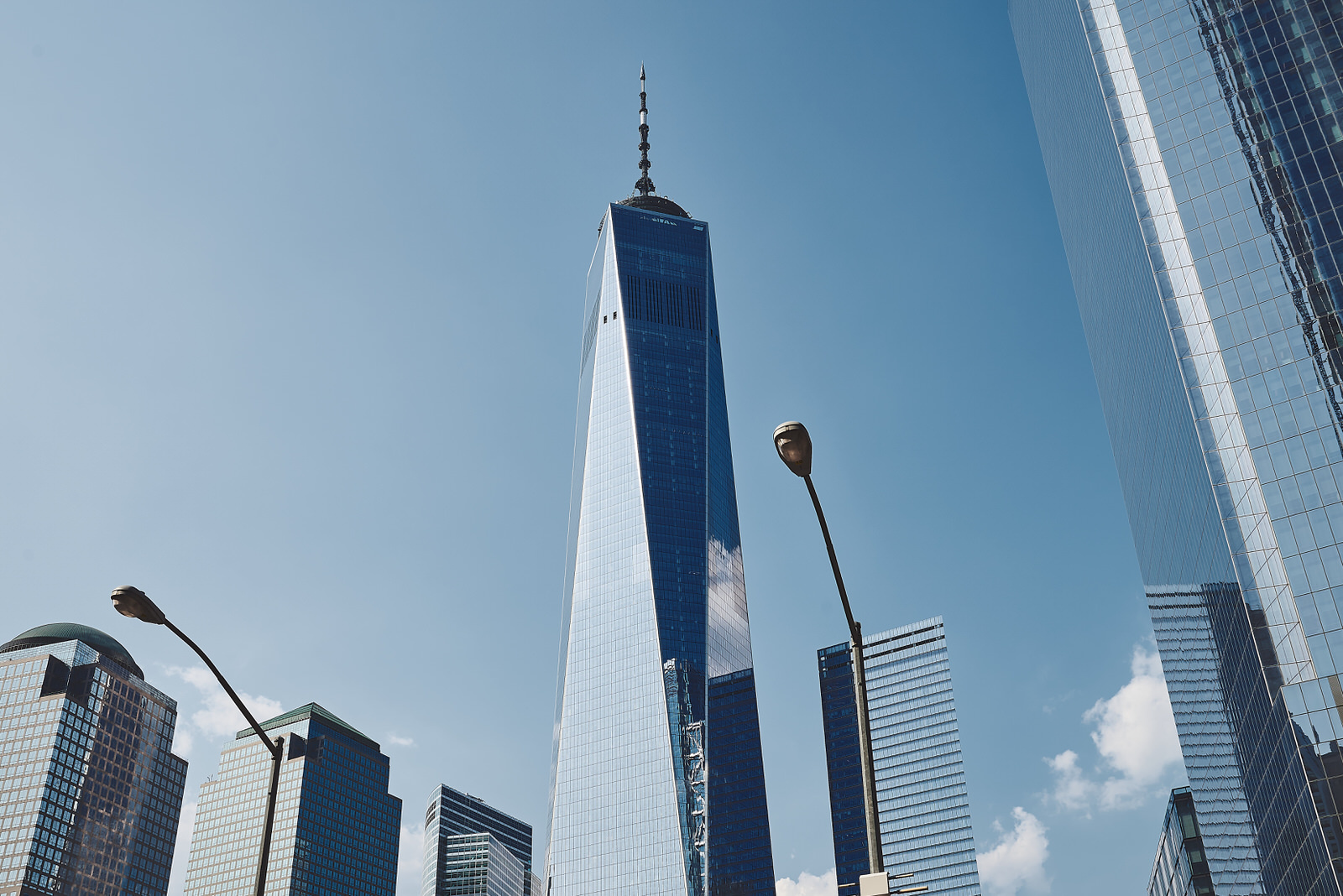
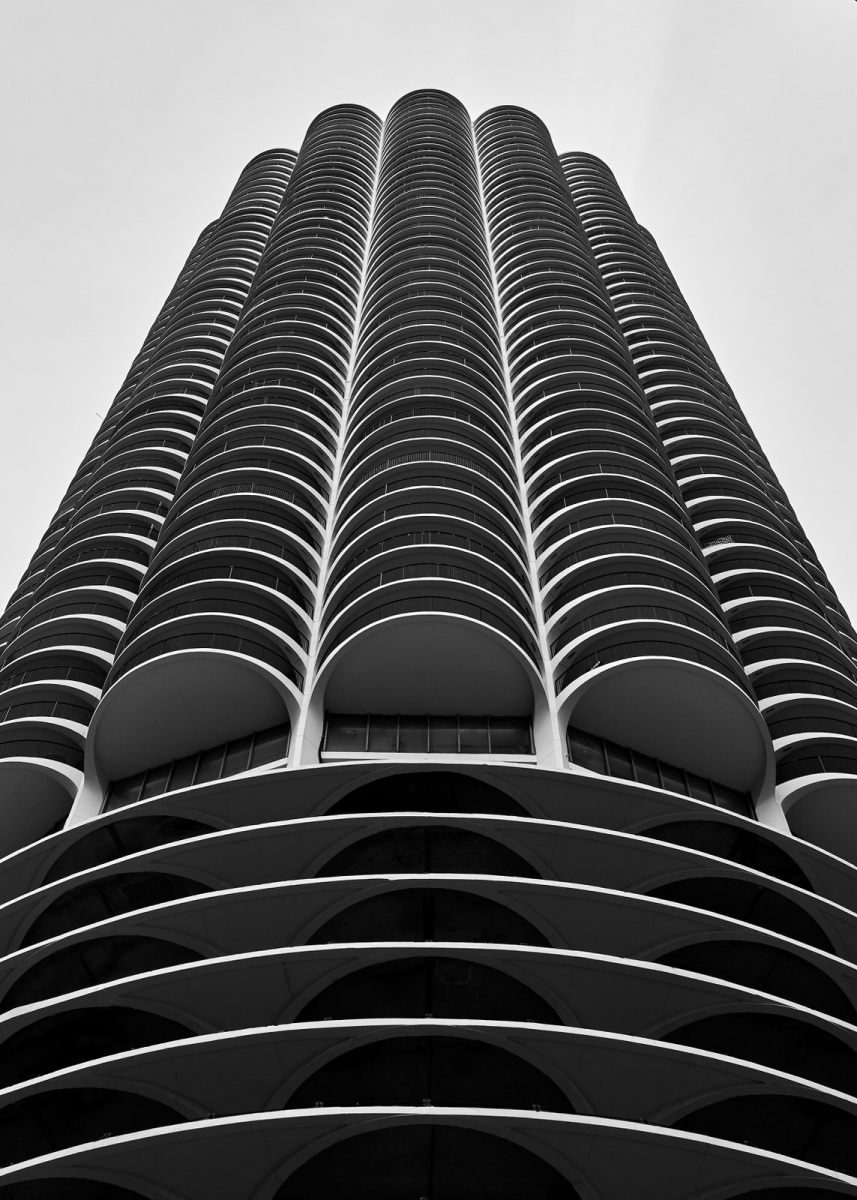
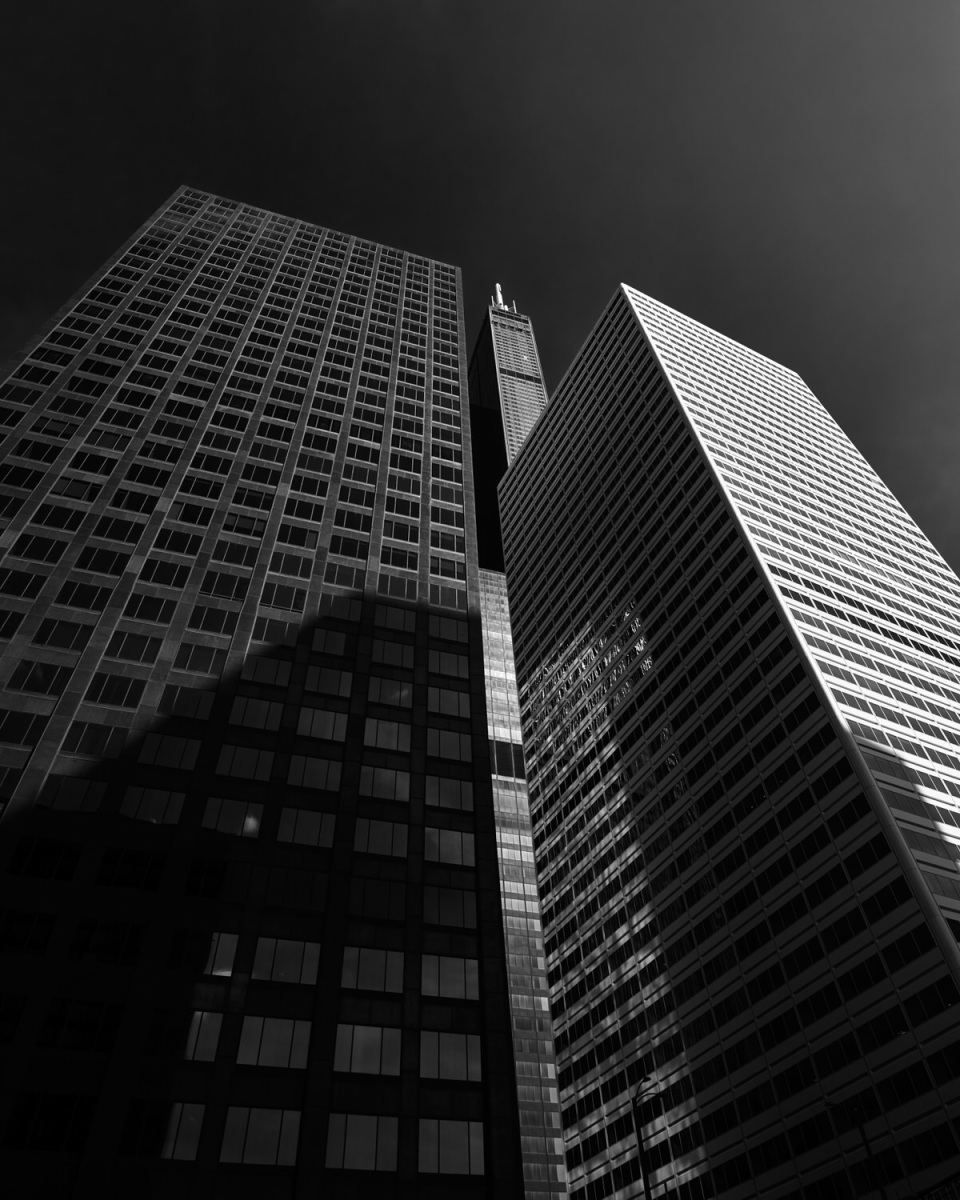
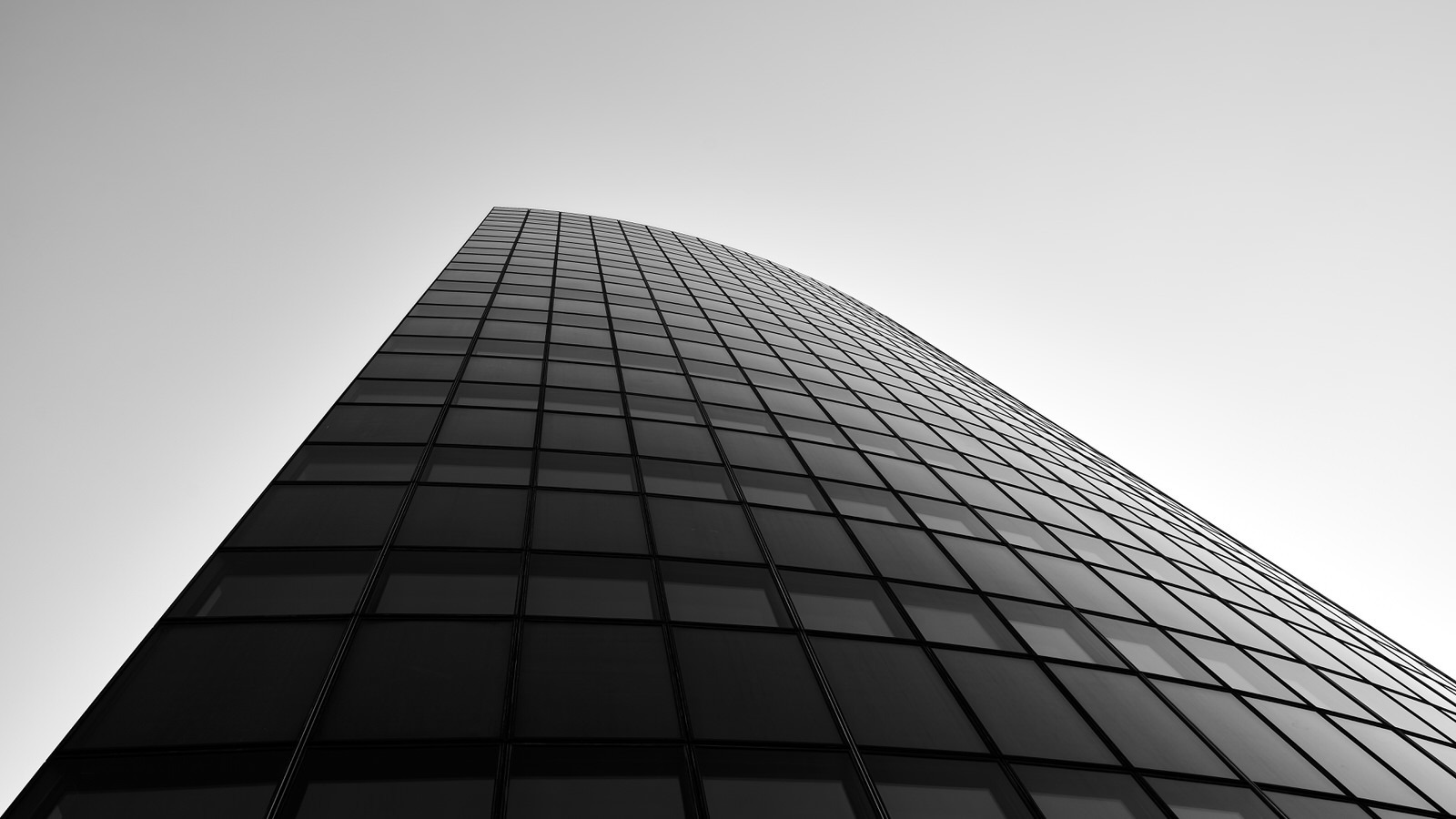

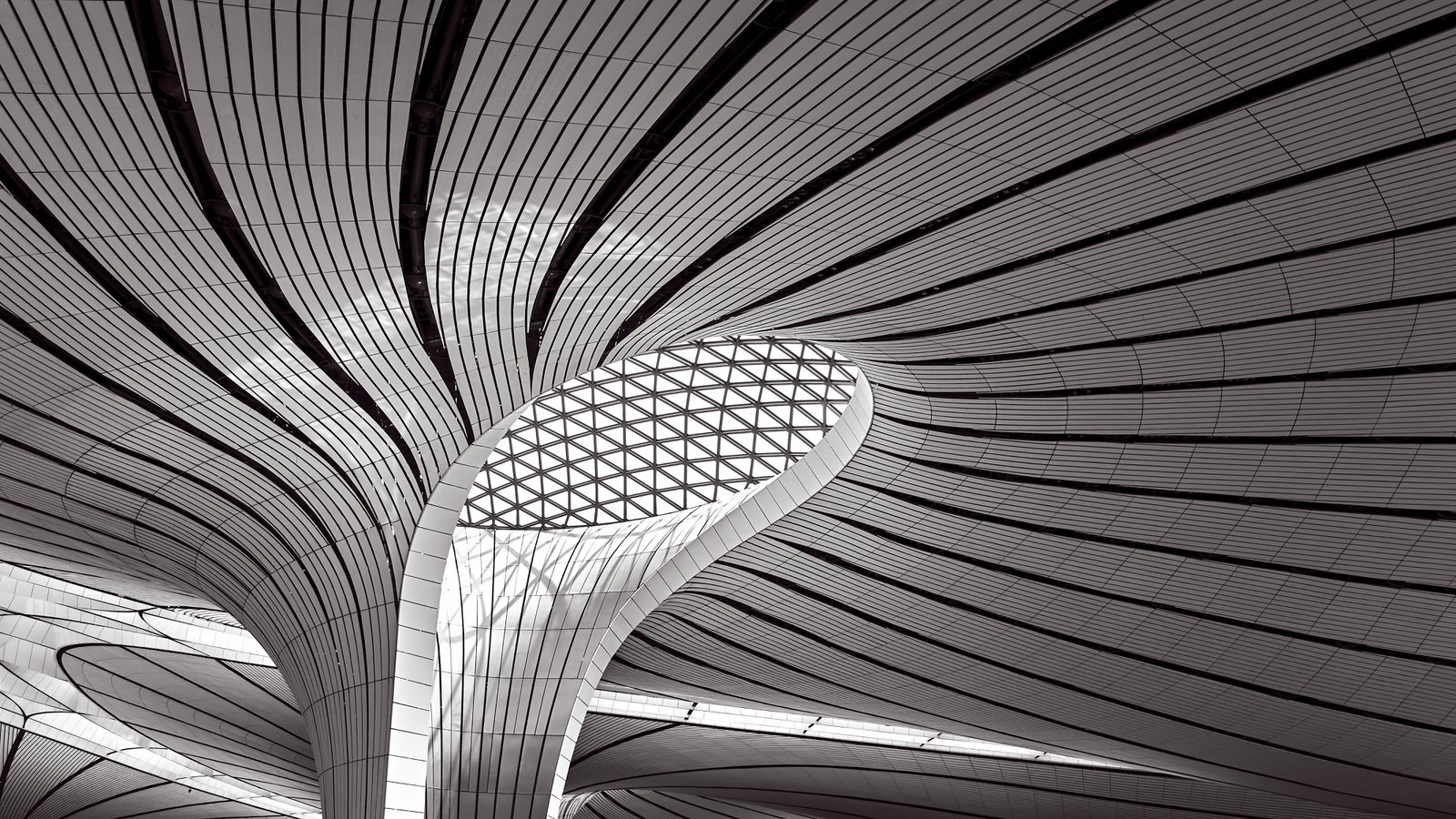
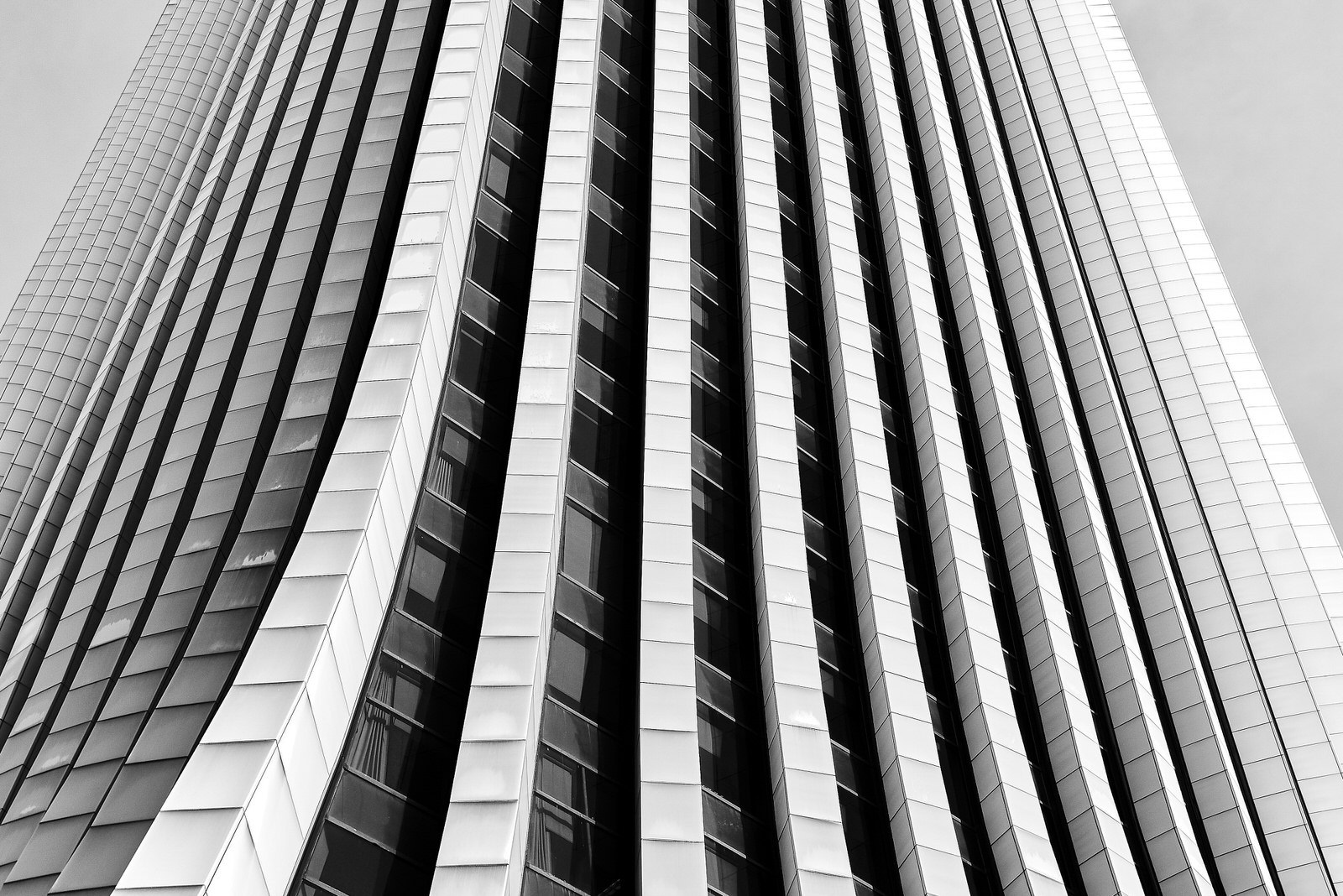
Cities are not neutral arrangements of buildings and streets. They are physical expressions of political choices, cultural expectations, and competing interests. Every road, housing development, park, and transit line reflects judgments about what matters and whose needs deserve attention. Some decisions are deliberate; others emerge through decades of accumulated policy, habit, and circumstance. Together, they create an urban landscape that tells a story about the values of its inhabitants. This is one of the reasons cities fascinate me. A city is, in many respects, a society’s autobiography written in brick, glass, concrete, and asphalt. Its architecture tells us what it has chosen to preserve. Its streets reveal how it expects people to move. Its public spaces suggest whether it believes people should have somewhere to gather without being required to buy something. And its neglected corners may tell us more about its priorities than its grandest monuments ever could. To understand a city, one must look beyond what it has built and consider what those buildings represent.
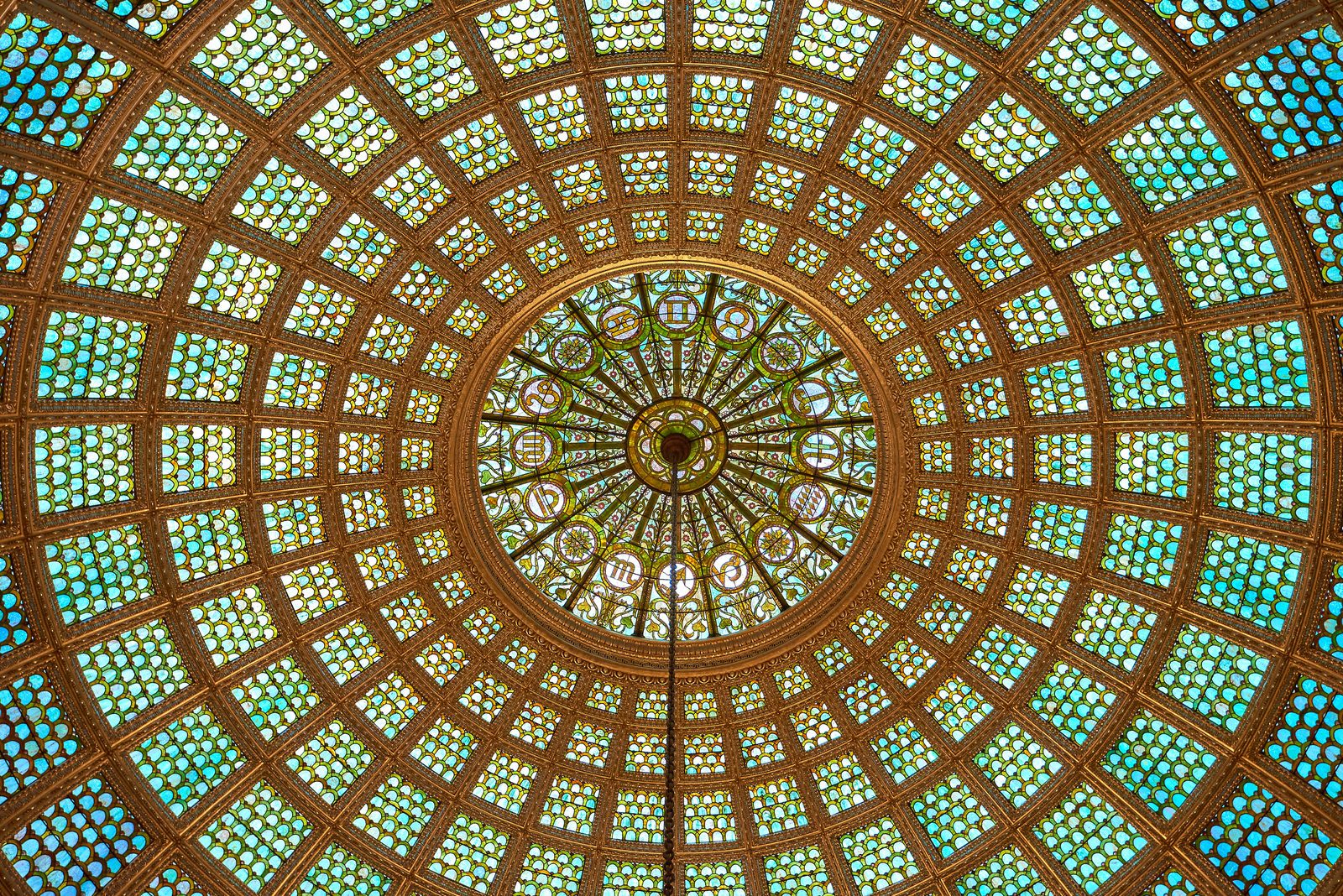
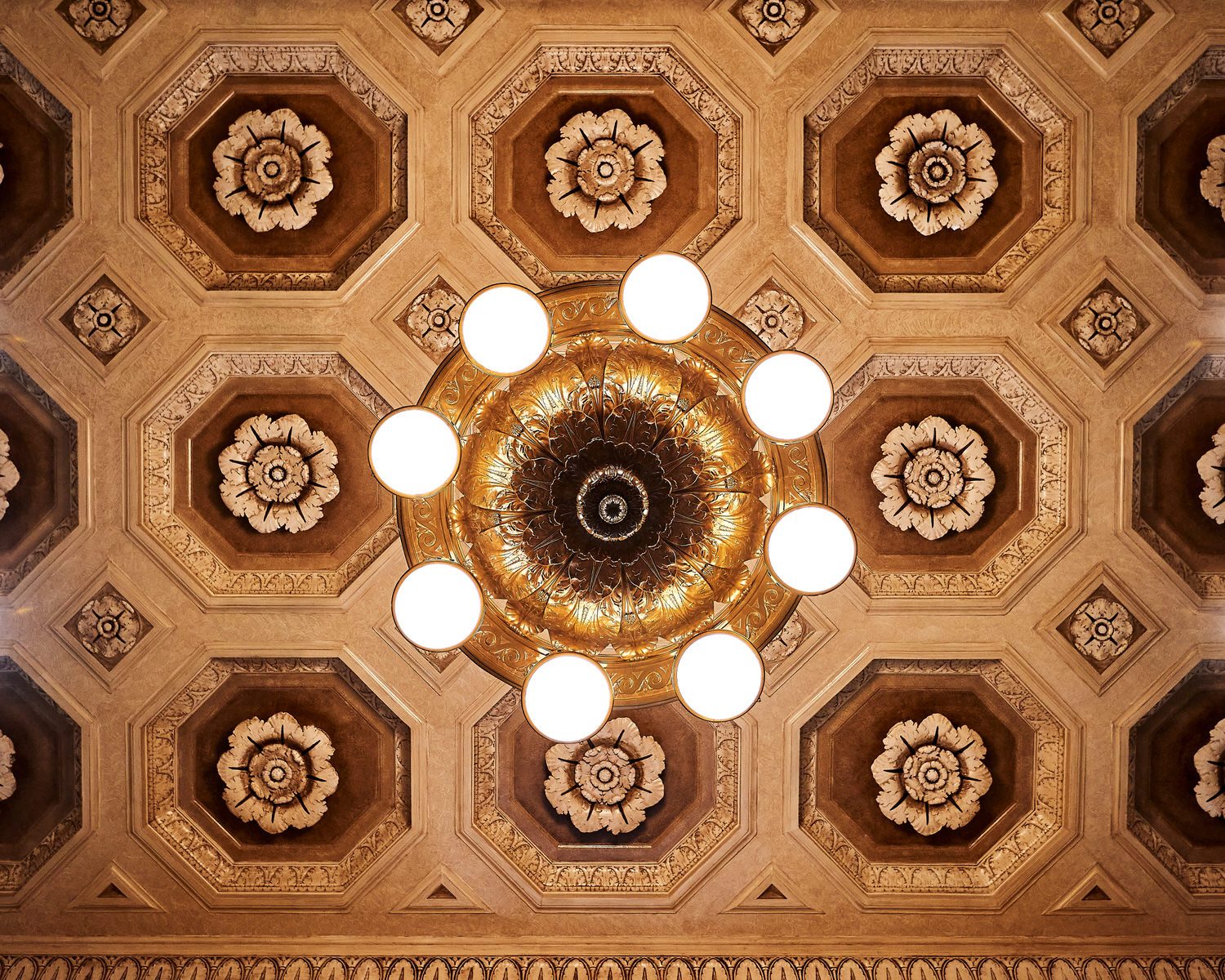



A city reveals itself in its contrasts. In the quiet elegance of a tree-lined avenue, the worn façade of an aging apartment block, or the boarded windows of a once-thriving storefront, we begin to see the uneven distribution of investment, opportunity, and care. Wealth and hardship often exist within a few streets of one another, separated less by distance than by circumstance. These differences tell us something about more than the fortunes of individual neighborhoods; they speak to the values of the society that shaped them. How a city responds to poverty, homelessness, and decline reveals what it believes about responsibility, opportunity, and the obligations people owe one another. Individual choices undoubtedly matter, but they are made within circumstances that are rarely of our own making. Access to housing, education, transportation, and employment can expand a person’s possibilities or quietly narrow them. The decisions a city makes about these foundations help determine who gets to flourish and who must struggle. And perhaps its character is revealed not only in what it chooses to build, but in what it has grown accustomed to leaving behind.
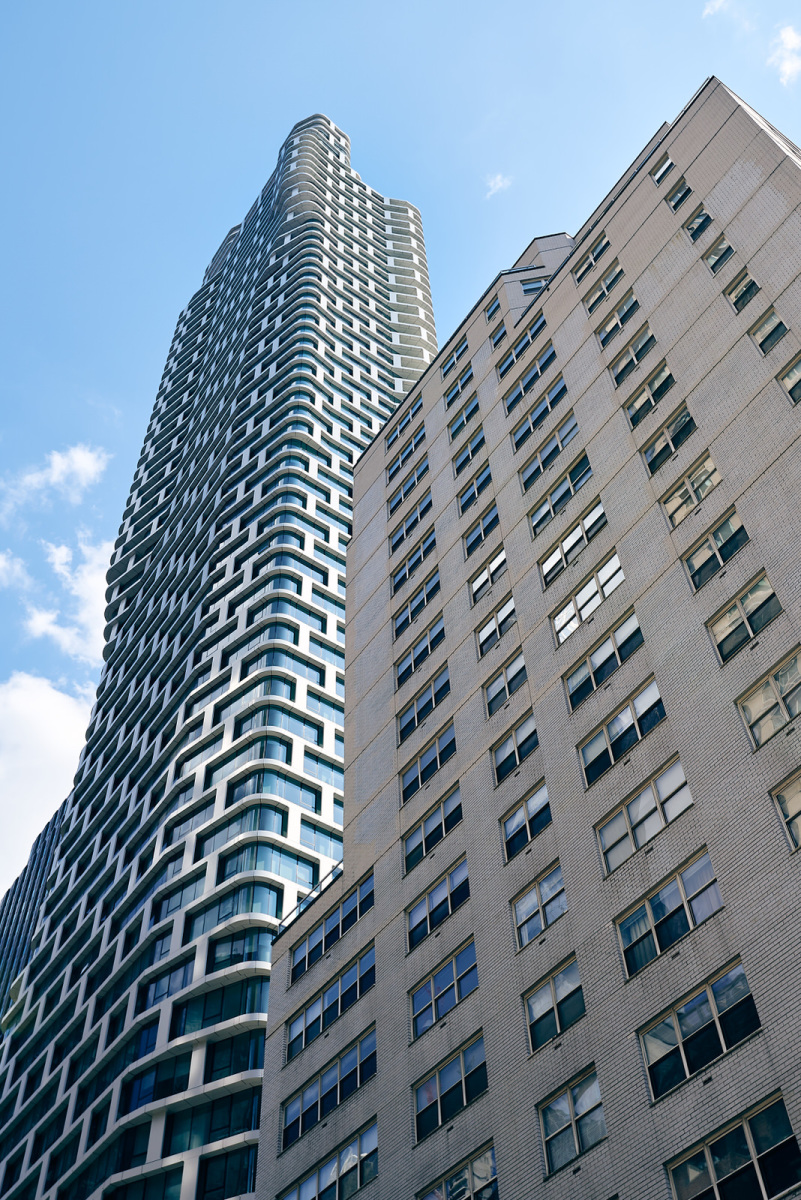
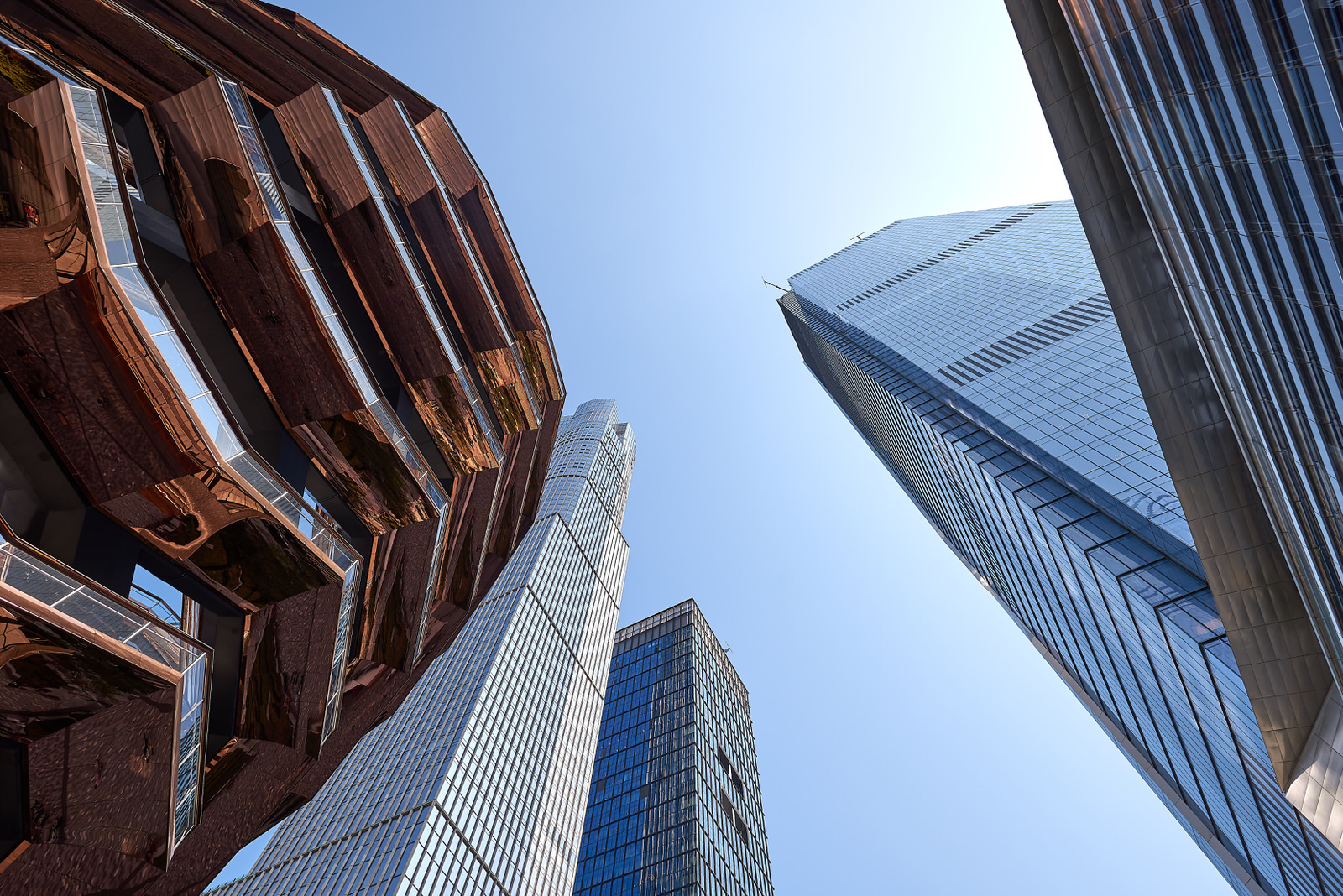
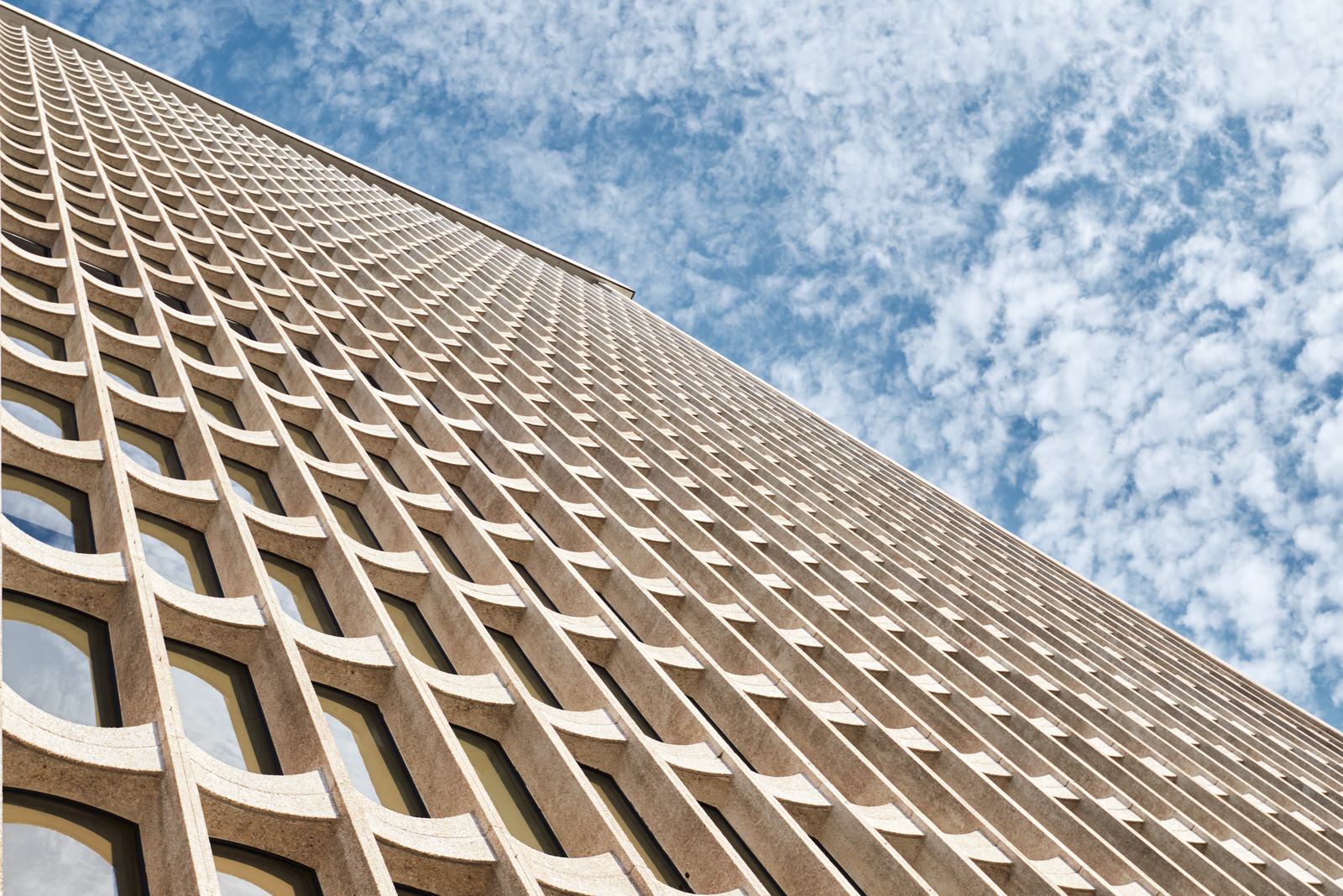
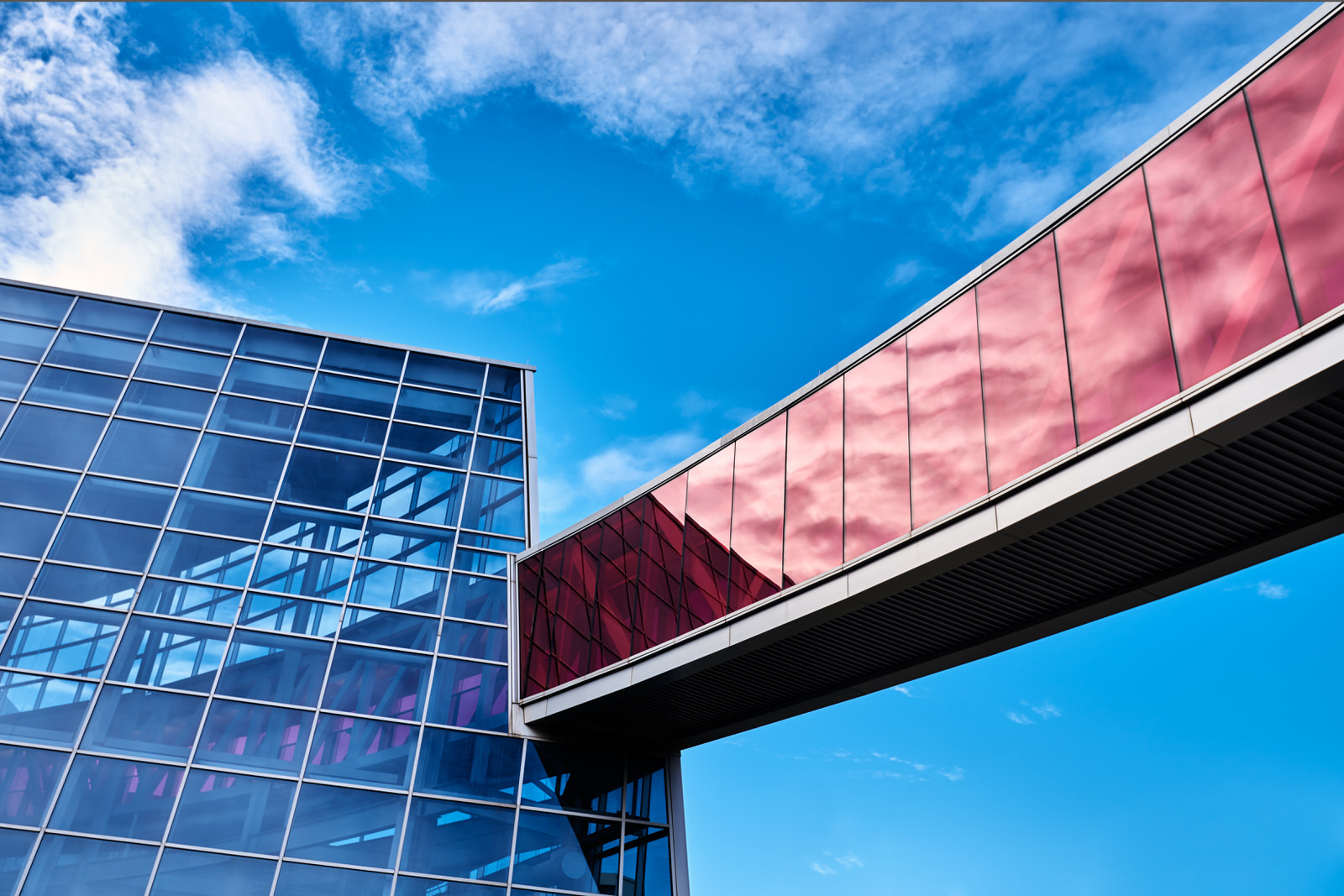
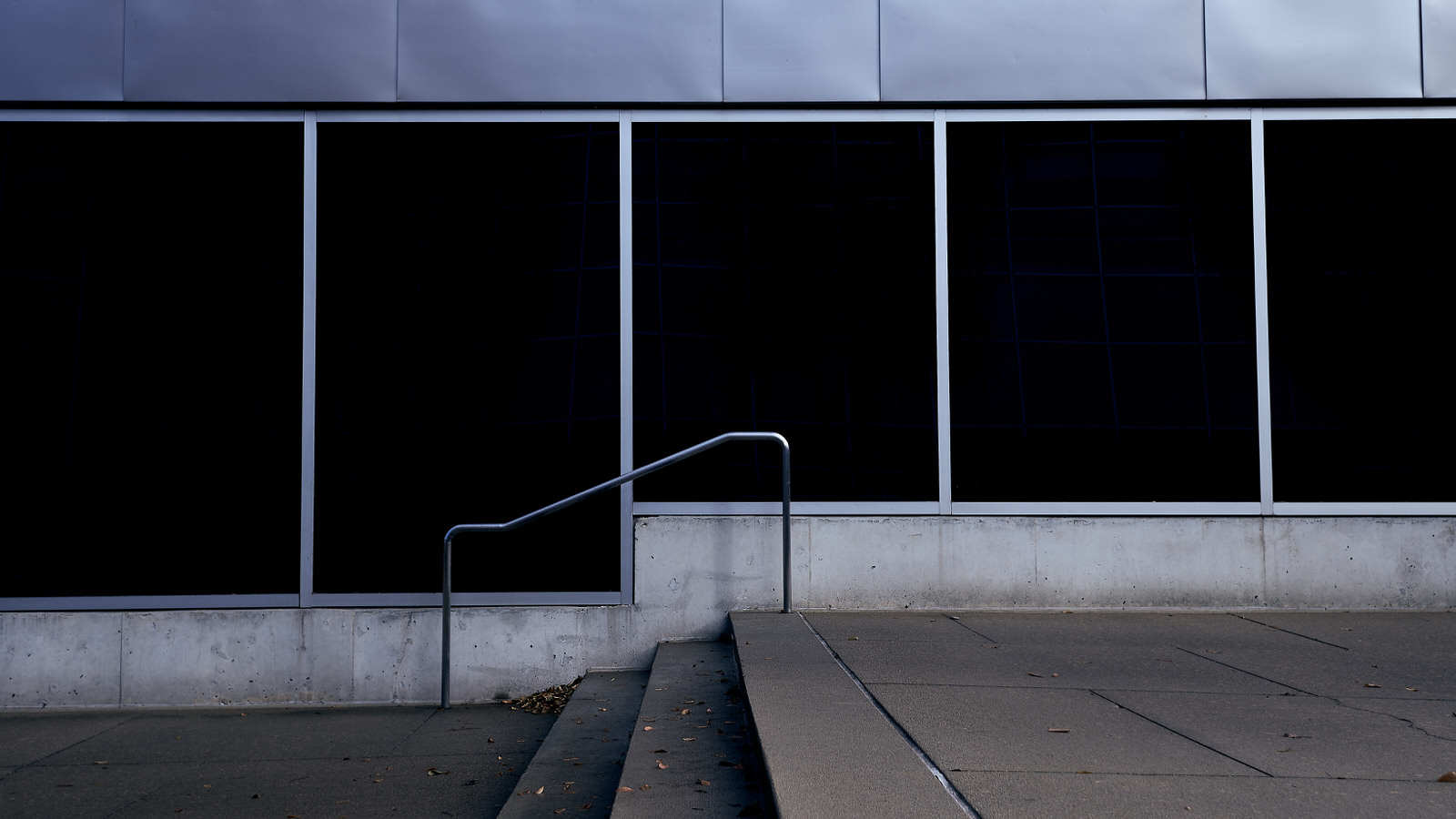
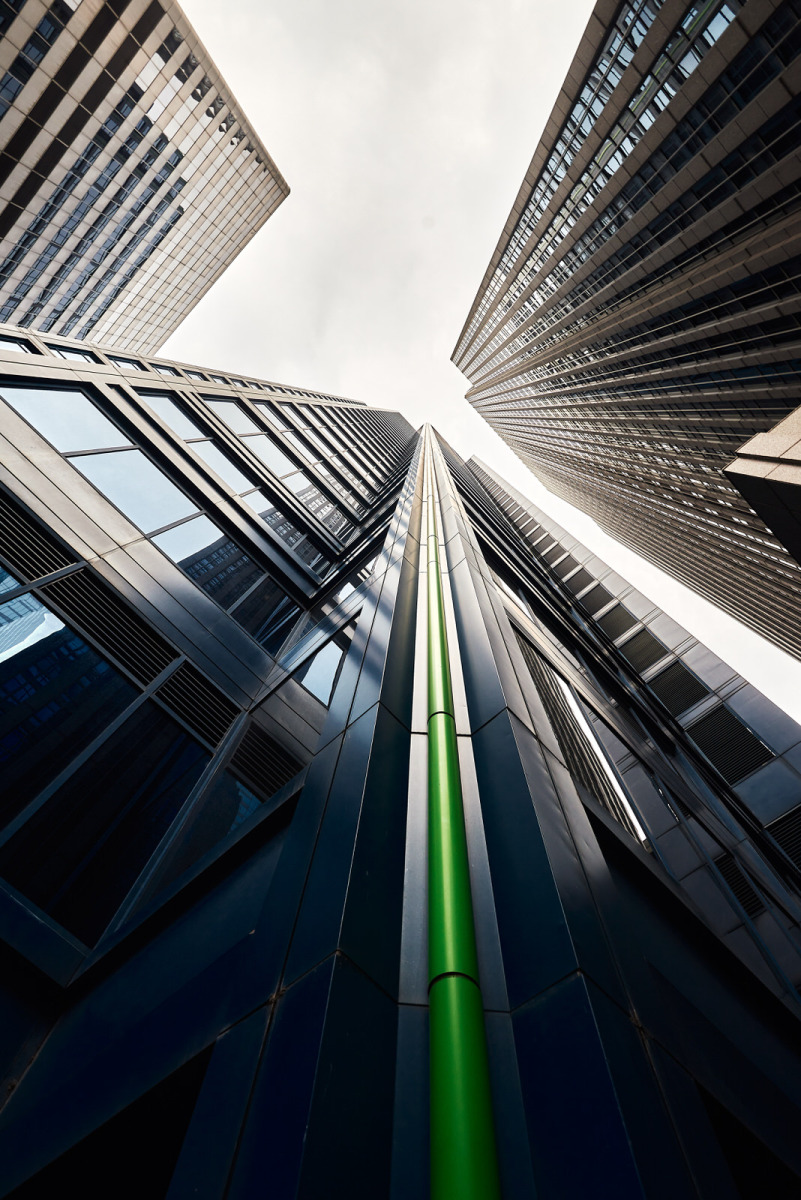
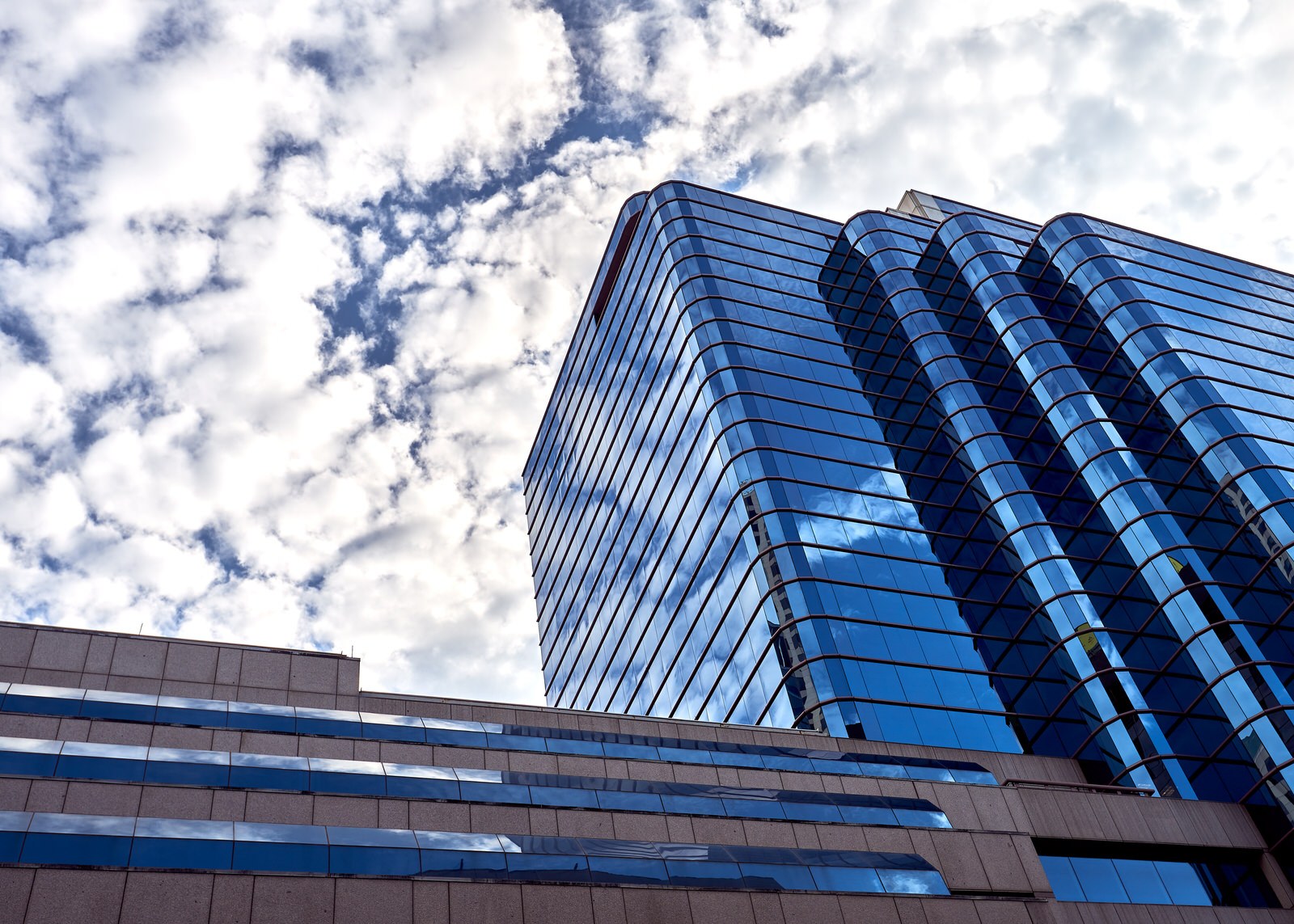
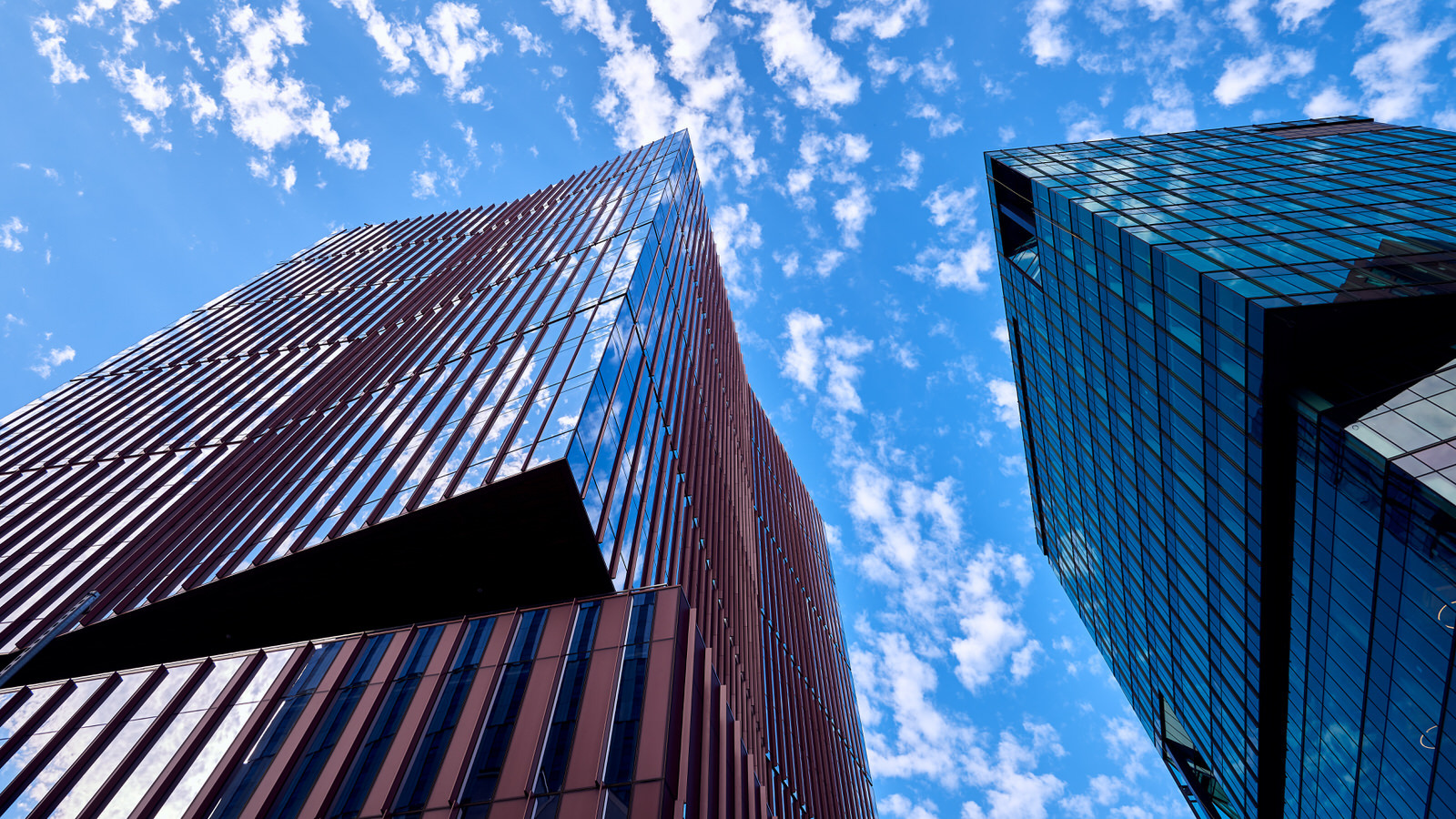
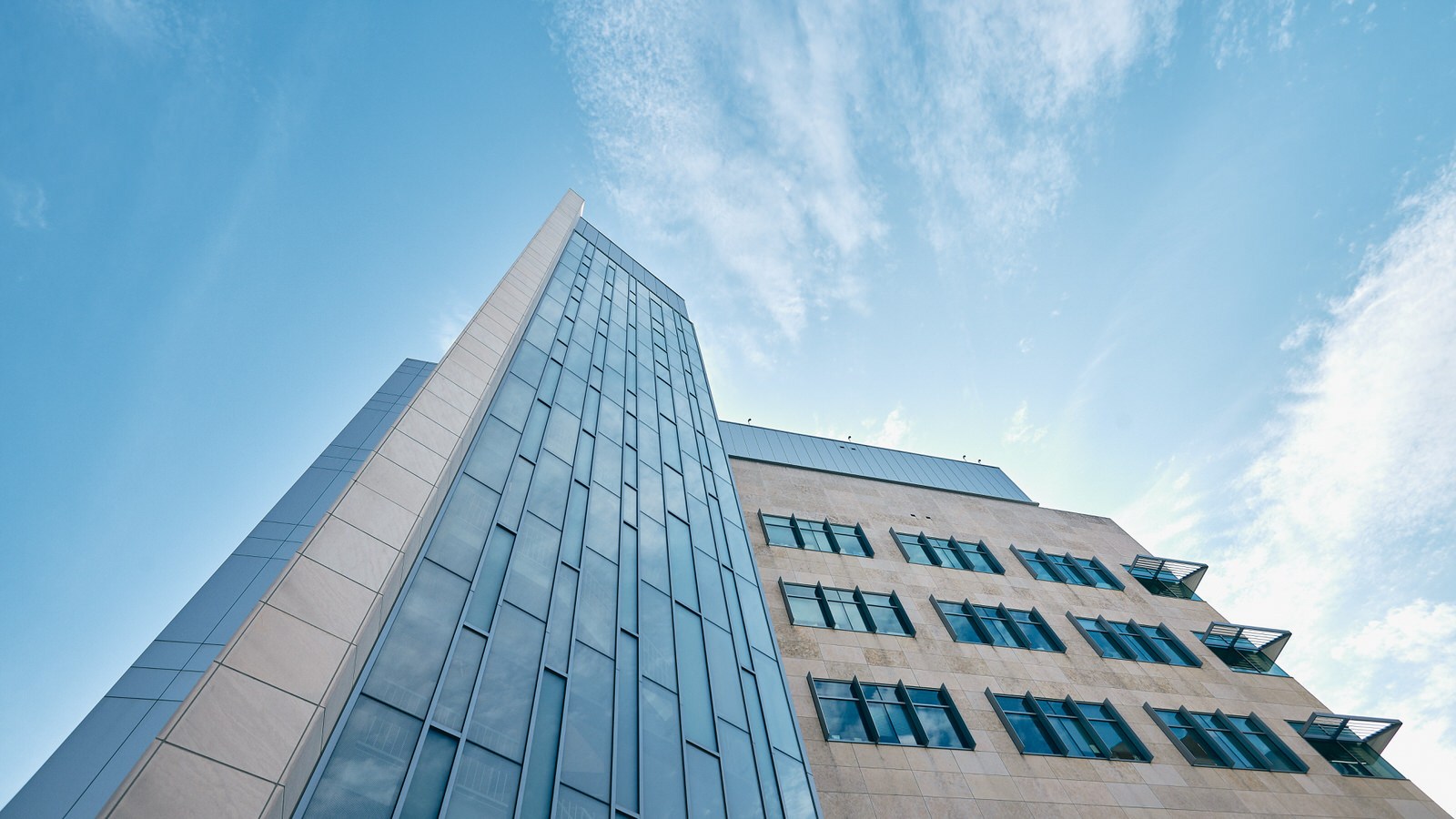
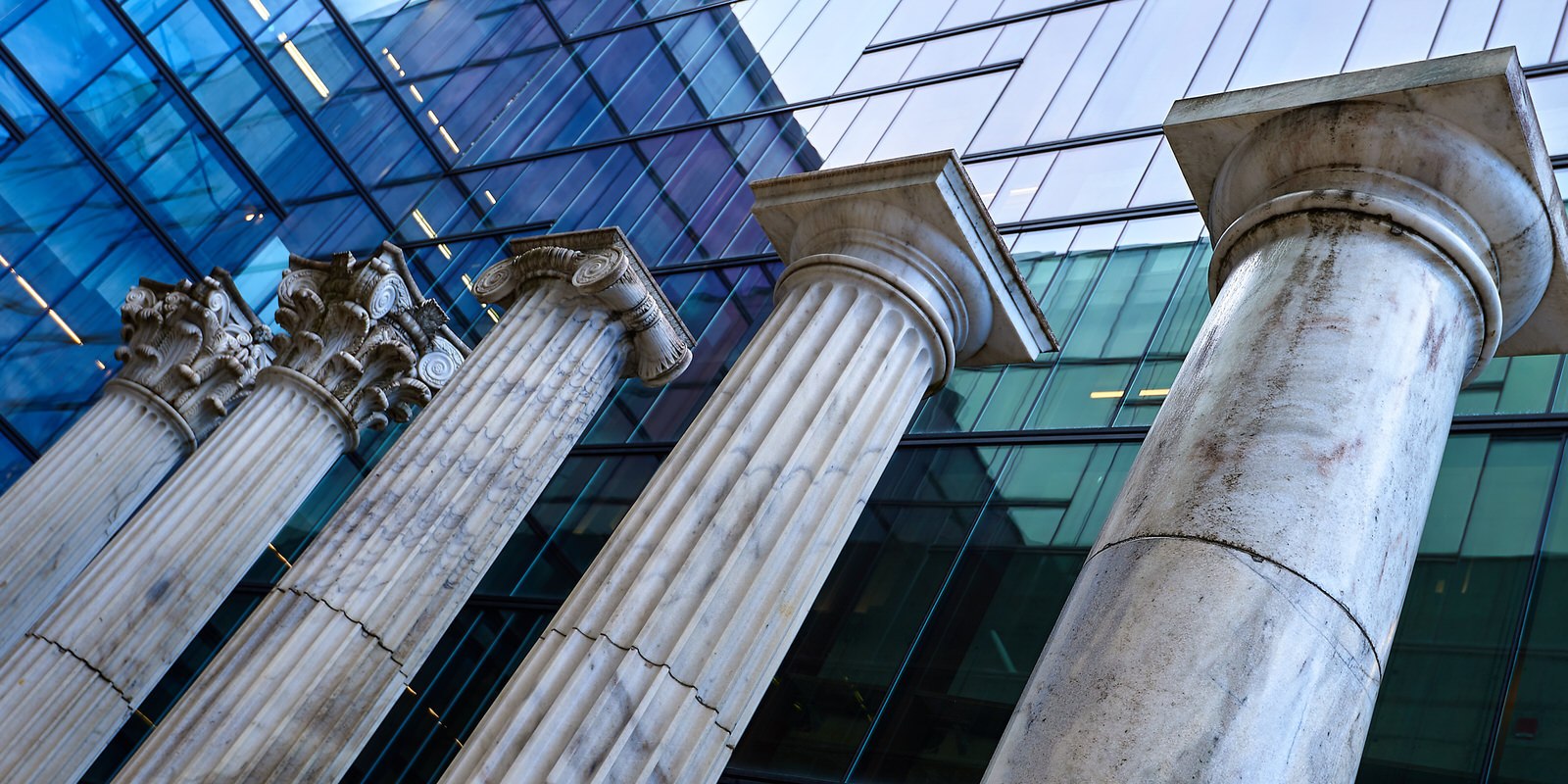
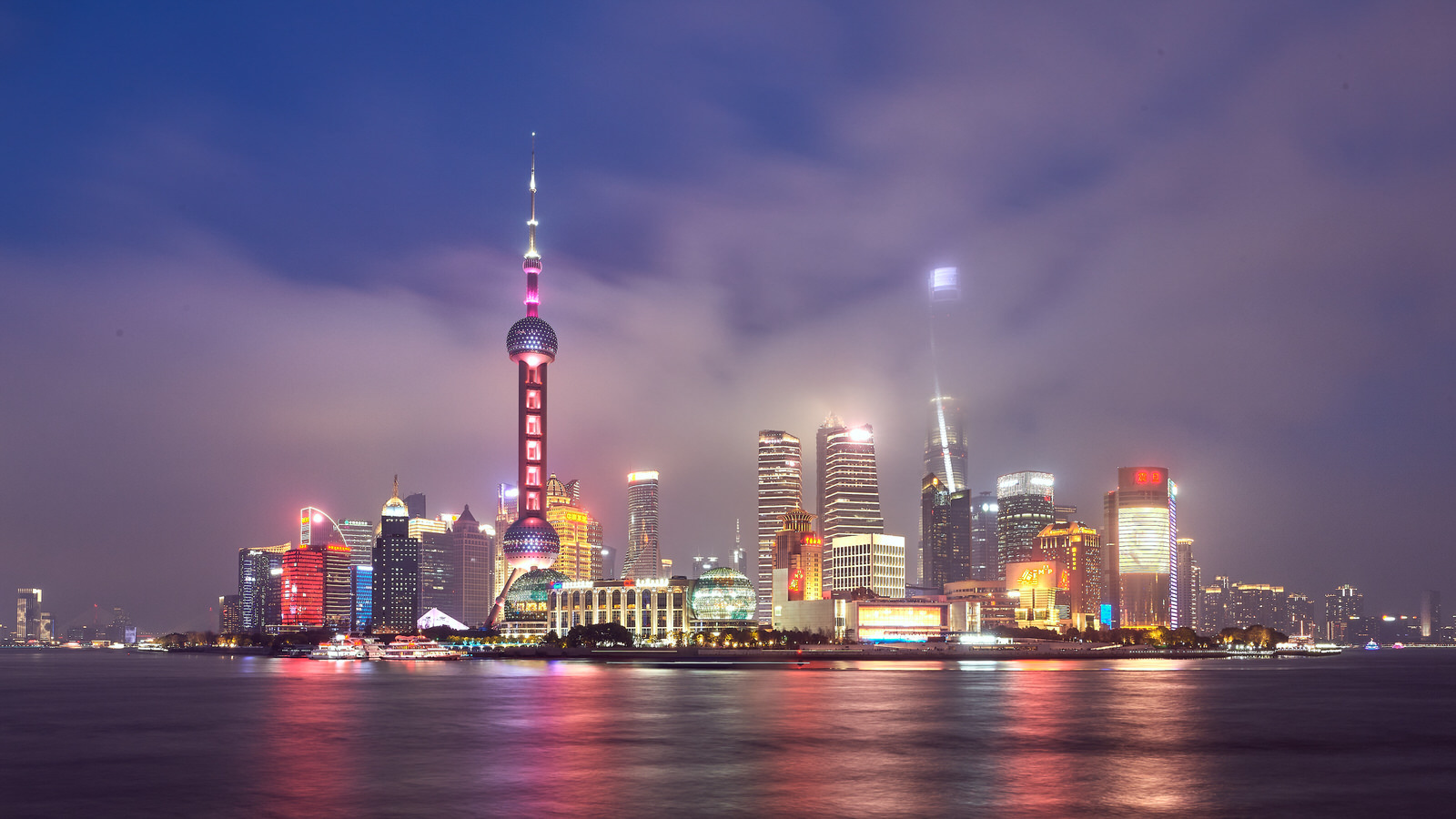
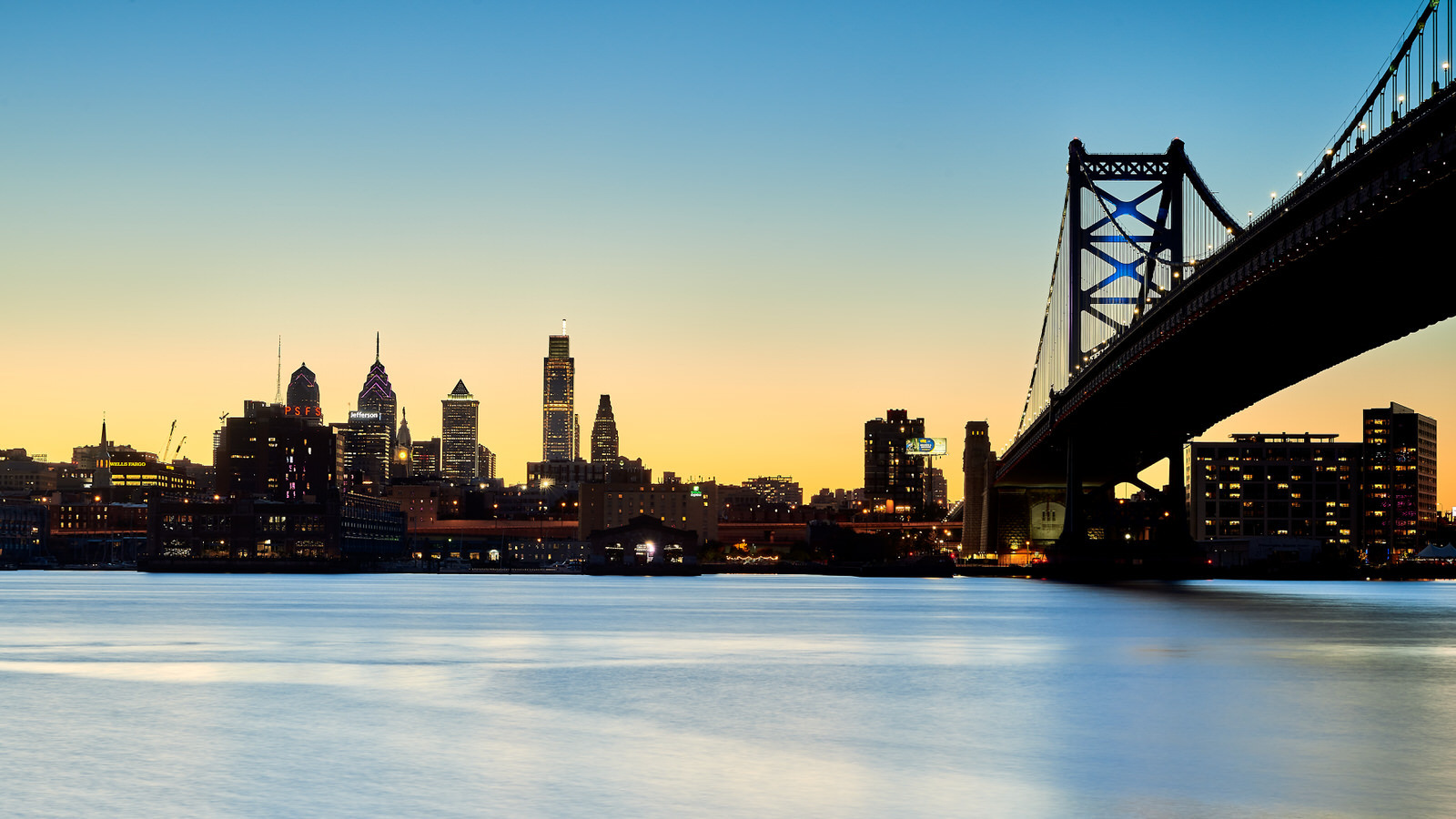
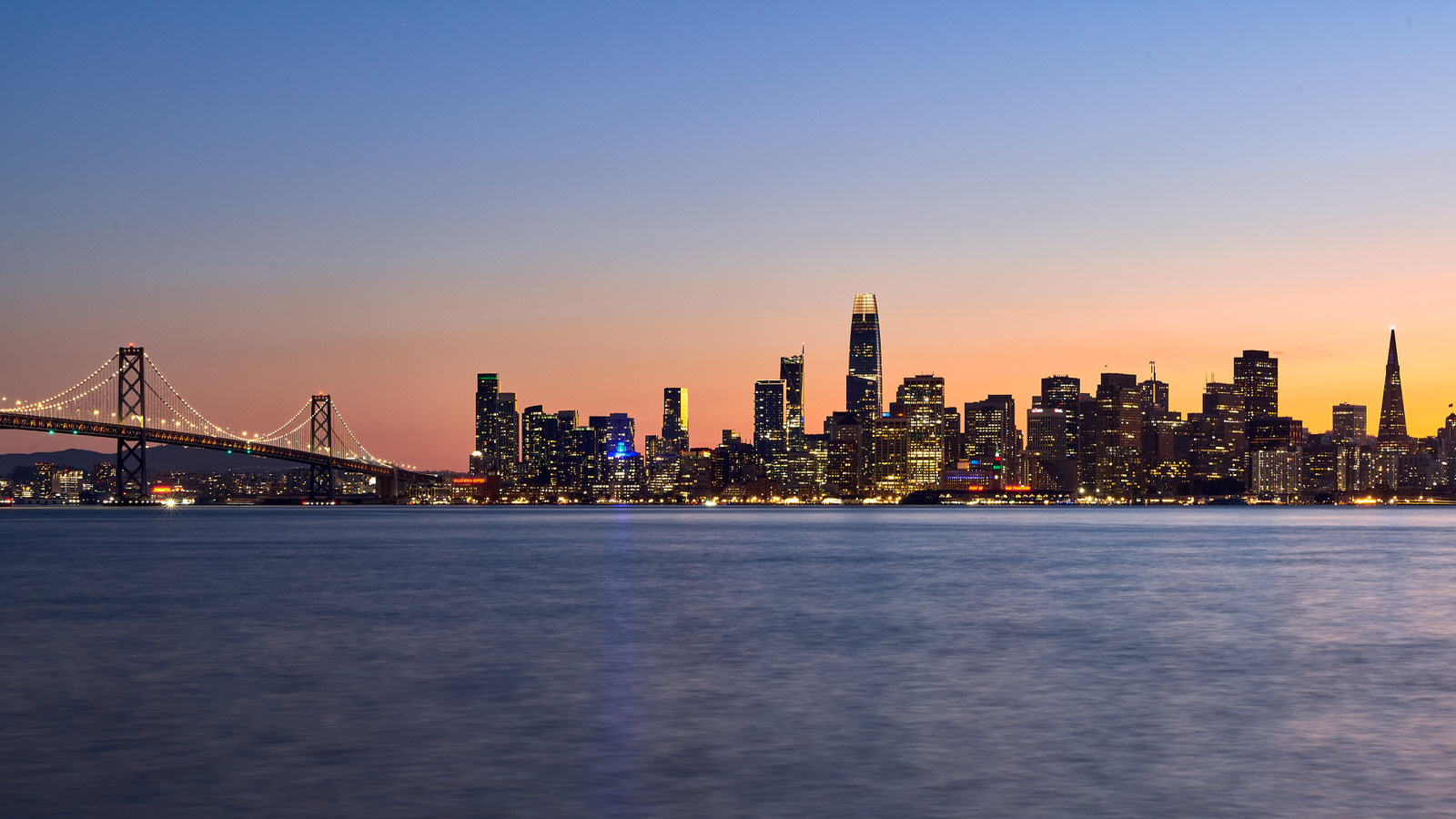
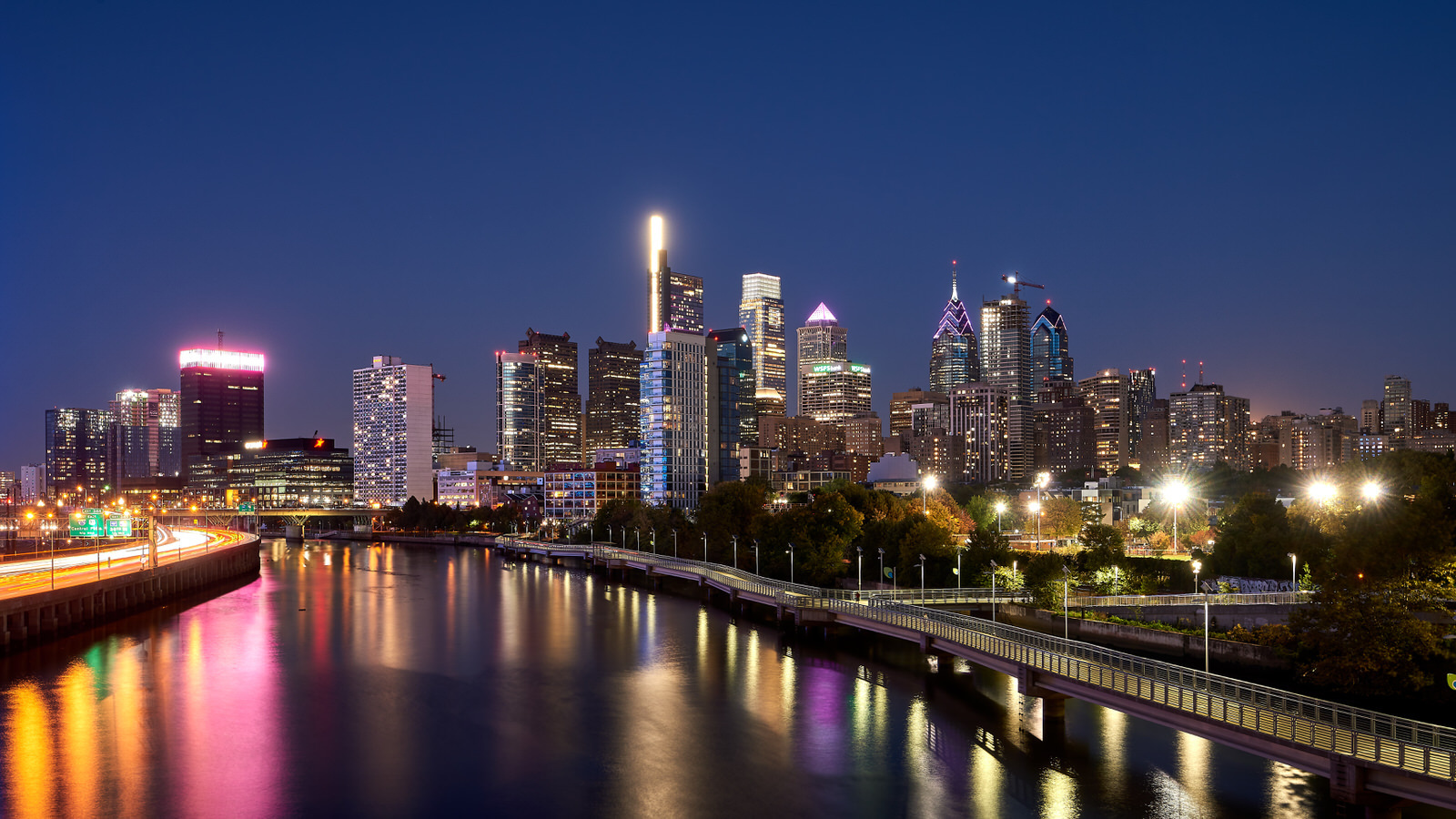
The built environment makes these abstract questions tangible. A public library represents an investment in knowledge that extends beyond the individual. A well-connected transit system expresses a belief that mobility should not depend entirely on private wealth. A park offers a place to gather without requiring anyone to purchase something in return. Diverse housing options make room for people at different stages of life, with different resources and ambitions. These spaces and systems establish the terms on which people participate in urban life. Their presence, absence, or condition reveals how a society balances private interests with the common good. Even a seemingly ordinary photograph of a street corner can suggest a much larger set of relationships. Behind every visible structure lies a history of decisions; behind every public space lies an idea about how people might live together. The city gives physical form to values that might otherwise remain abstract. It is difficult to hide behind rhetoric when the evidence is quite literally built into the pavement.
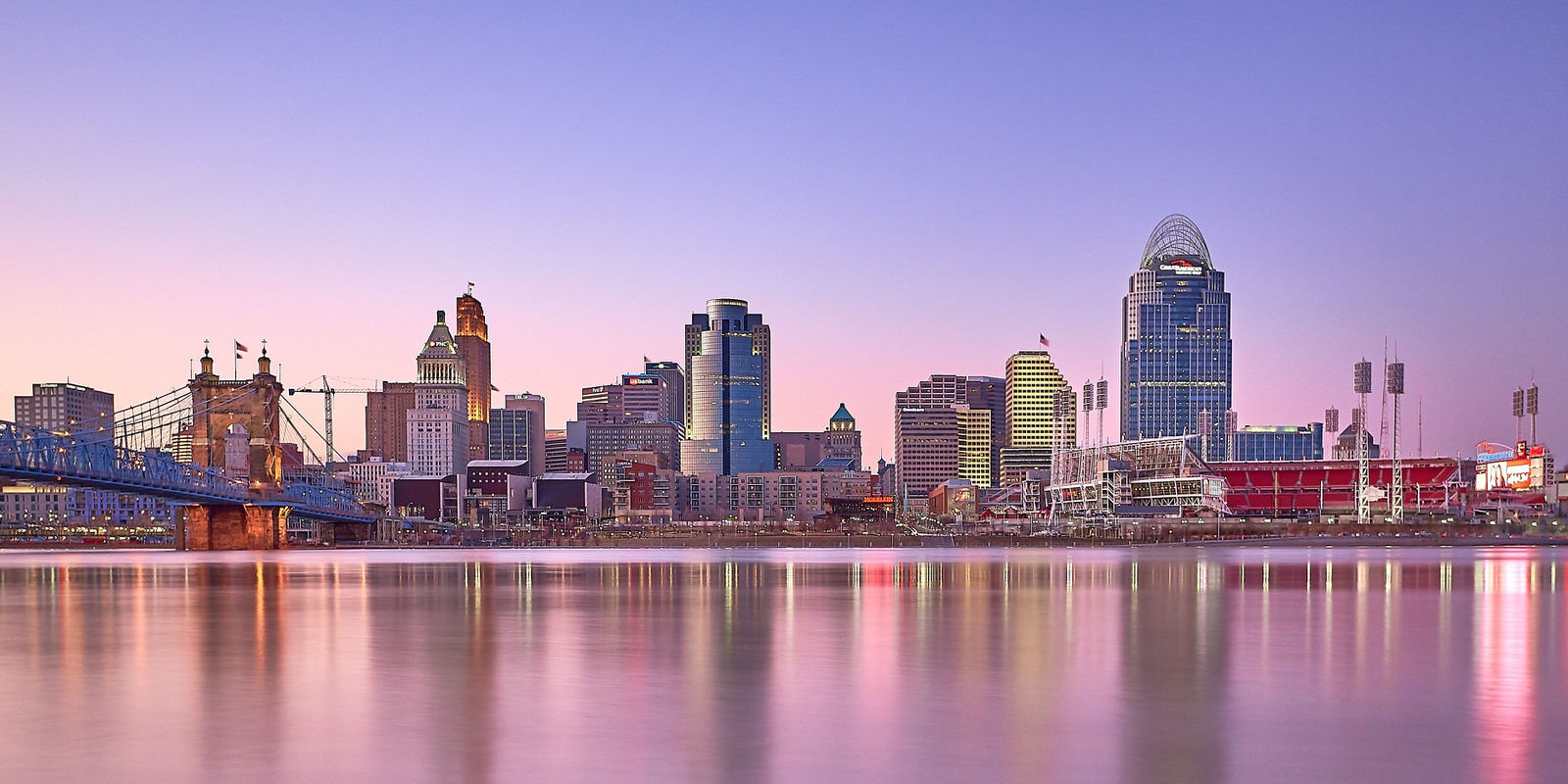
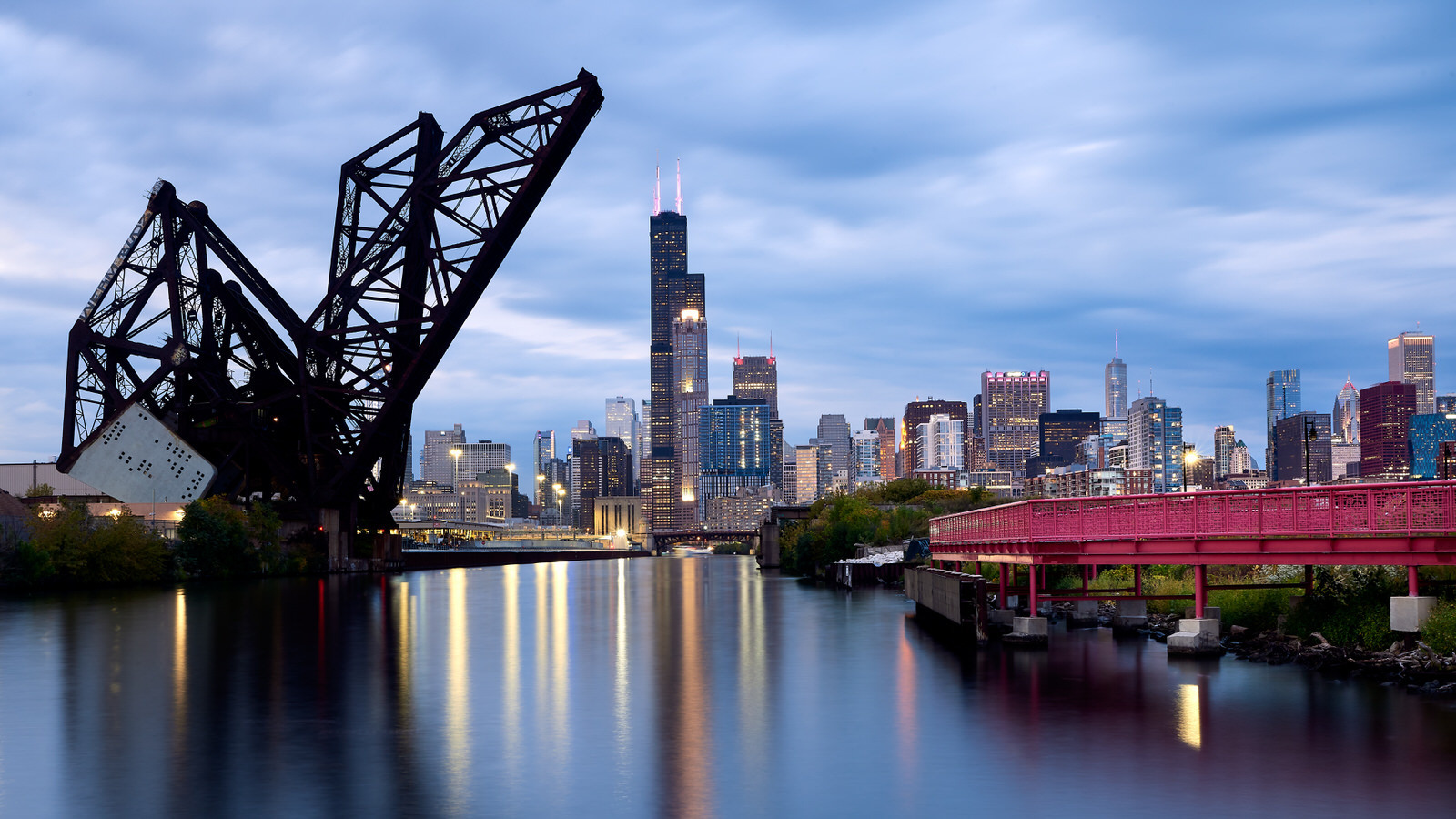

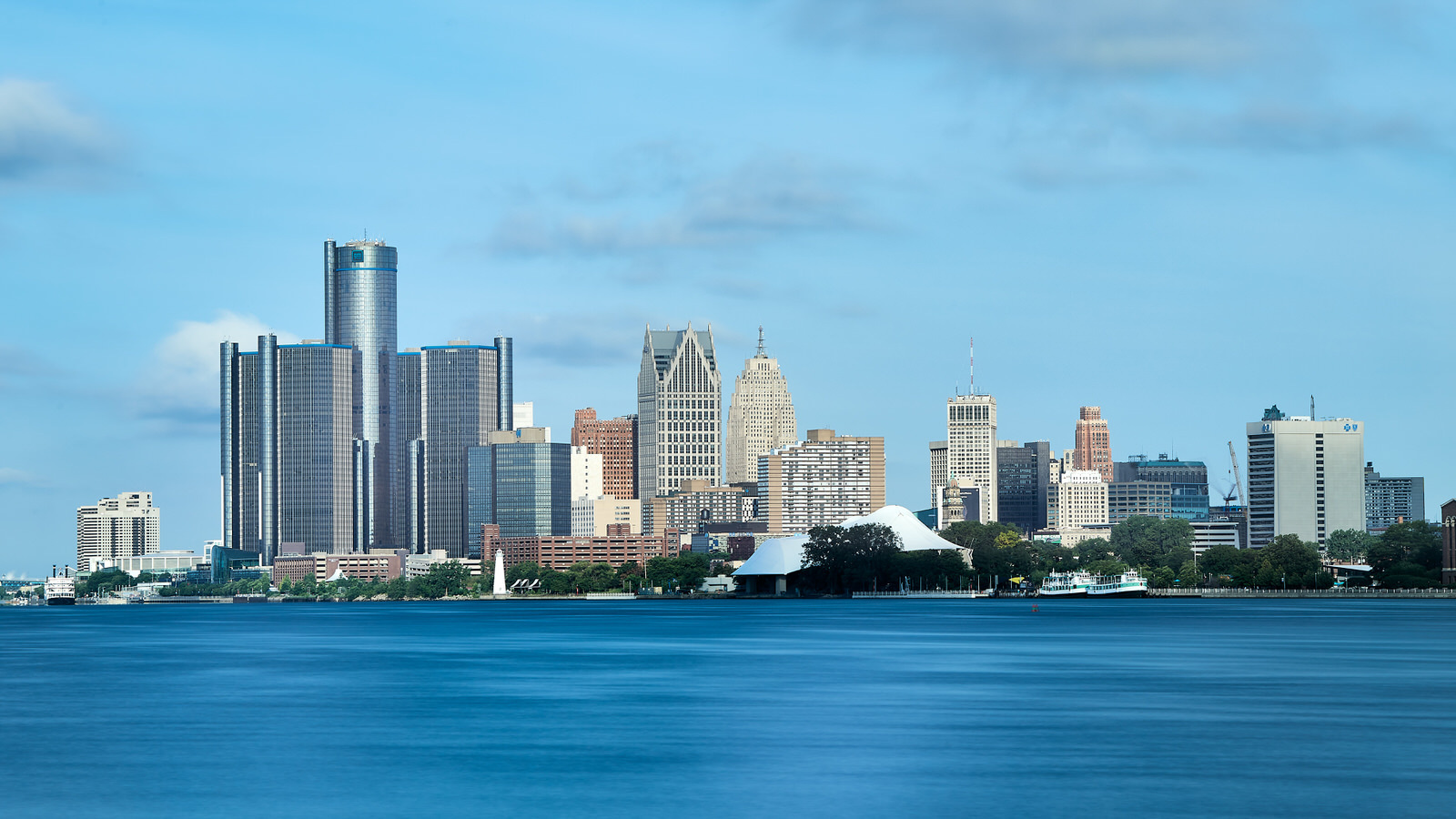
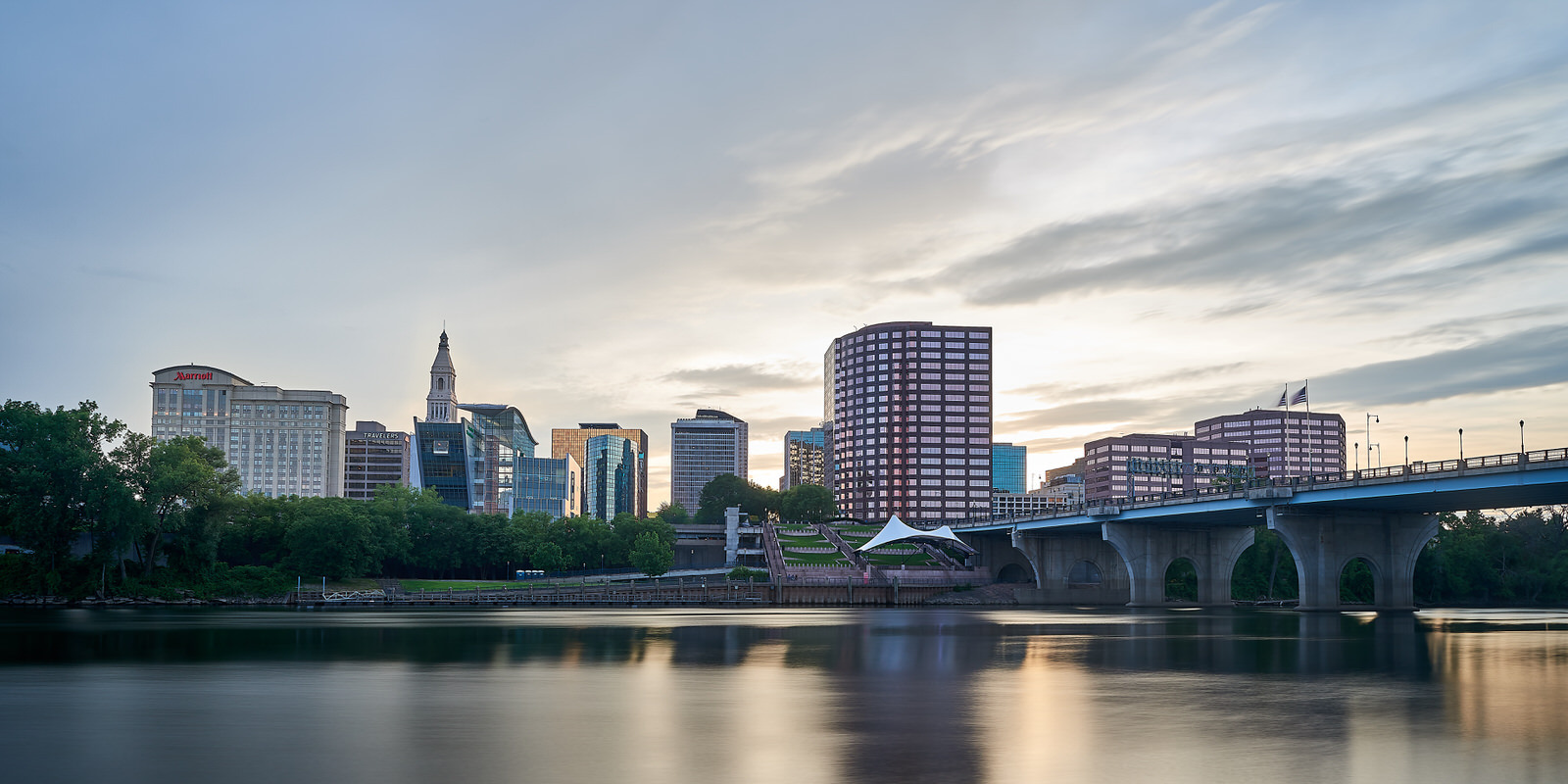
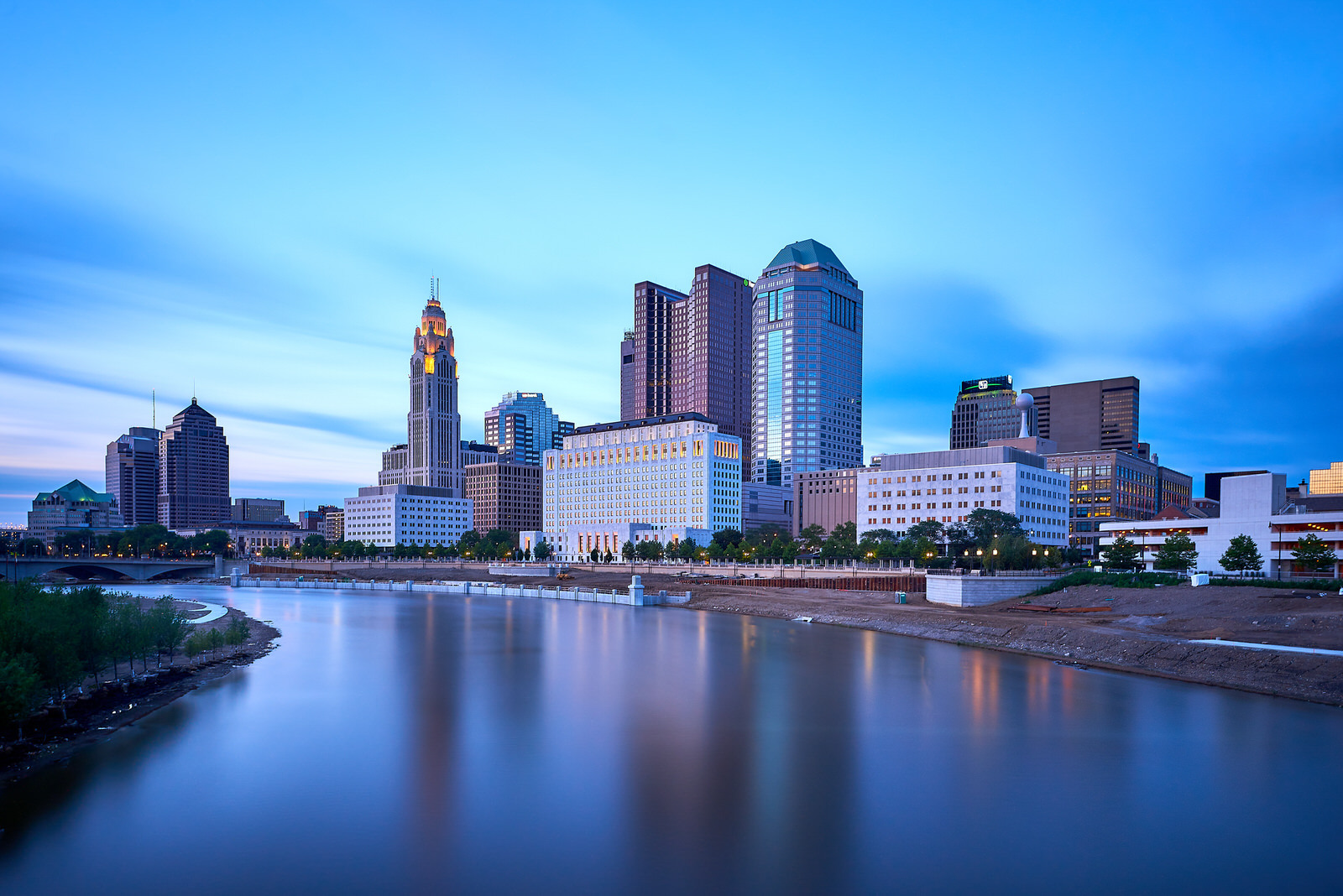
Yet cities are not simply records of what societies have been. They are also places where new possibilities emerge. The proximity of people, institutions, and resources creates conditions for exchange and collaboration that can be difficult to reproduce elsewhere. Ideas move between disciplines, cultures, and communities. Artists find audiences, businesses discover opportunities, and individuals encounter perspectives that challenge their understanding of the world. Innovation often depends on these intersections, on the unexpected connections that arise when different experiences come into contact. This creative energy extends beyond technology and commerce. Cities are environments in which new forms of art, architecture, governance, and social life can be imagined and tested. Their density allows different approaches to coexist, influence one another, and evolve. But this process depends on maintaining the conditions that make participation possible. When housing becomes prohibitively expensive, artists, independent businesses, young families, and workers of modest means may be forced to leave the very neighborhoods their presence helped make desirable. A city can grow wealthier while becoming less diverse, more polished while becoming less interesting. Prosperity is not the enemy of creativity, but prosperity without accessibility can be a rather effective way of excluding it.
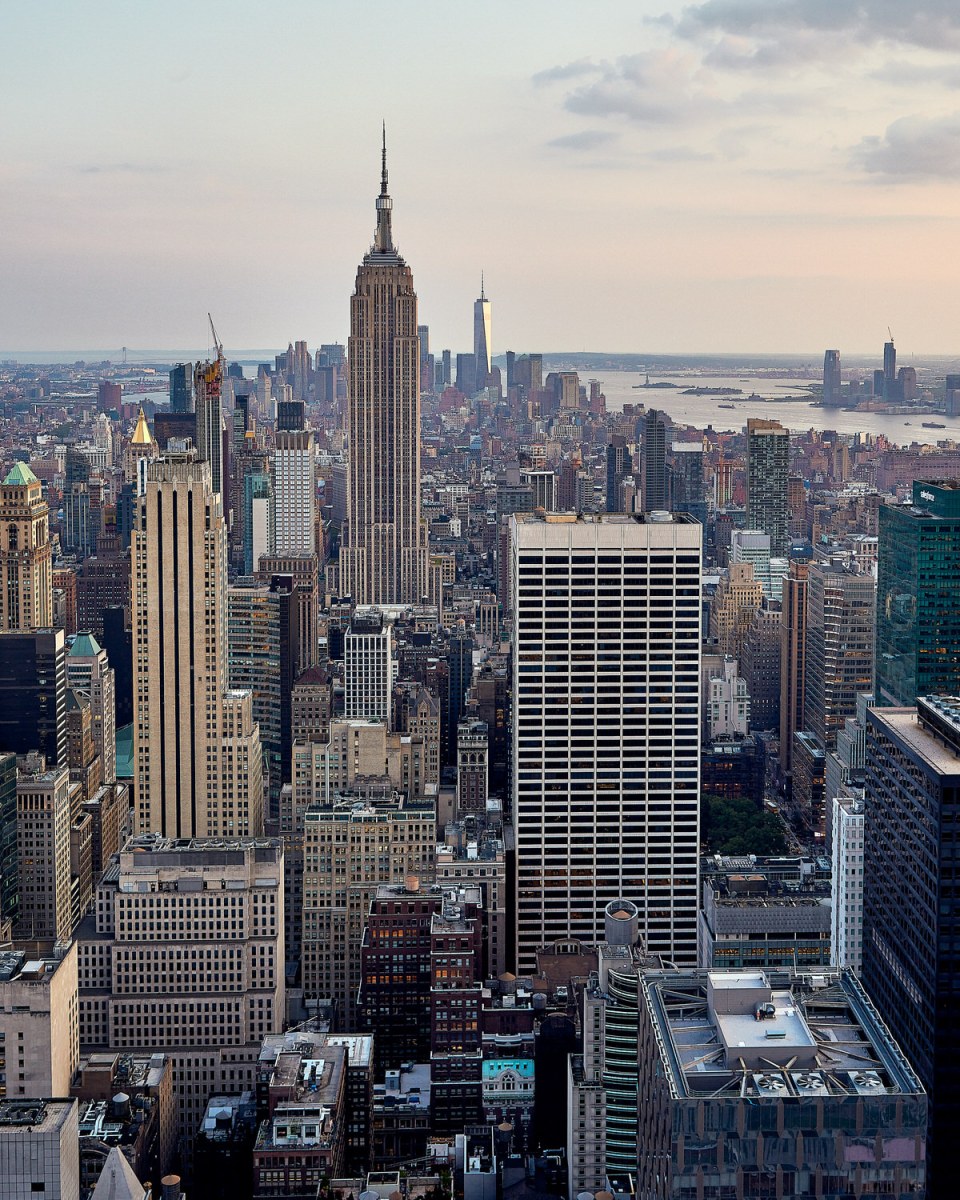
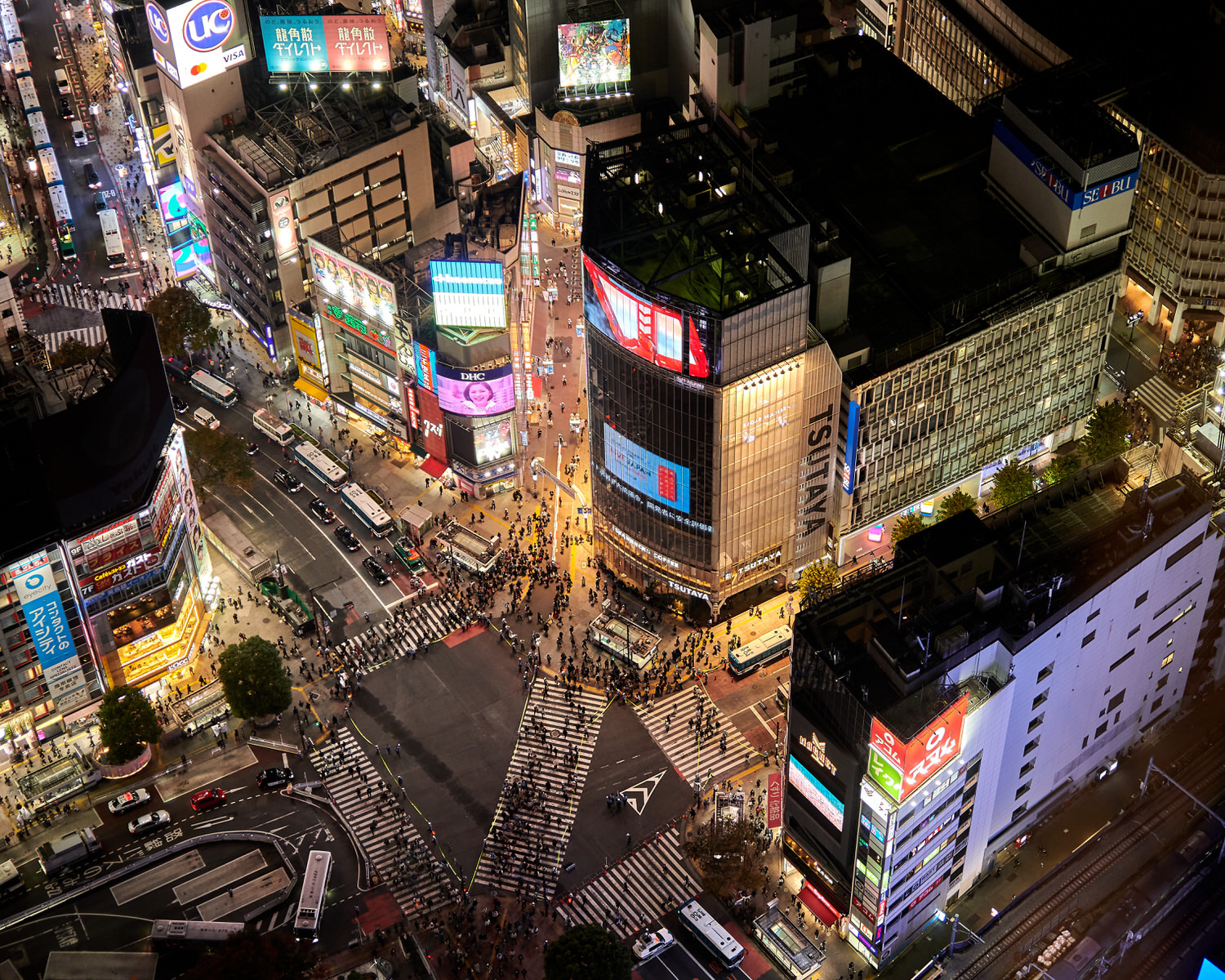
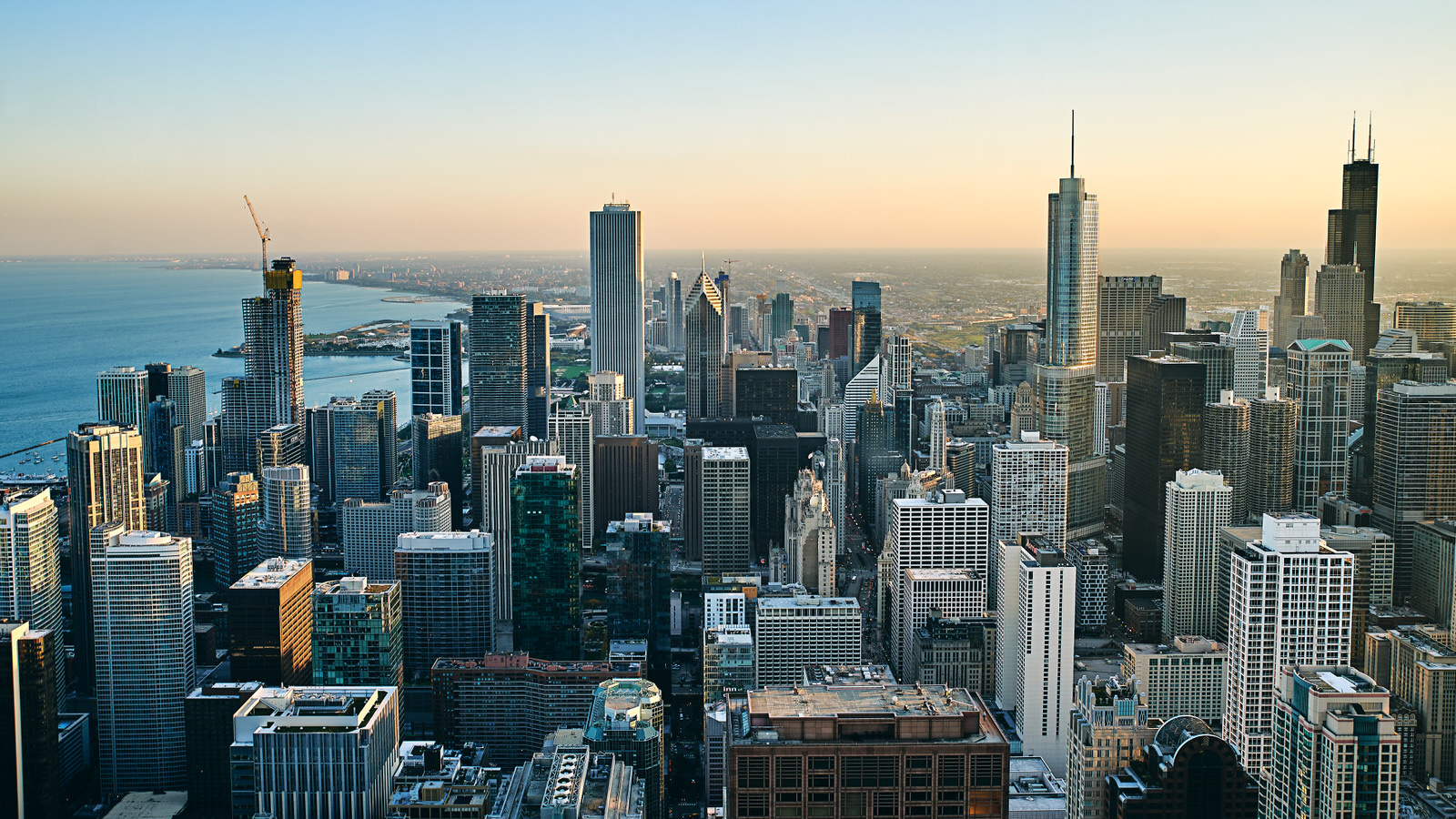
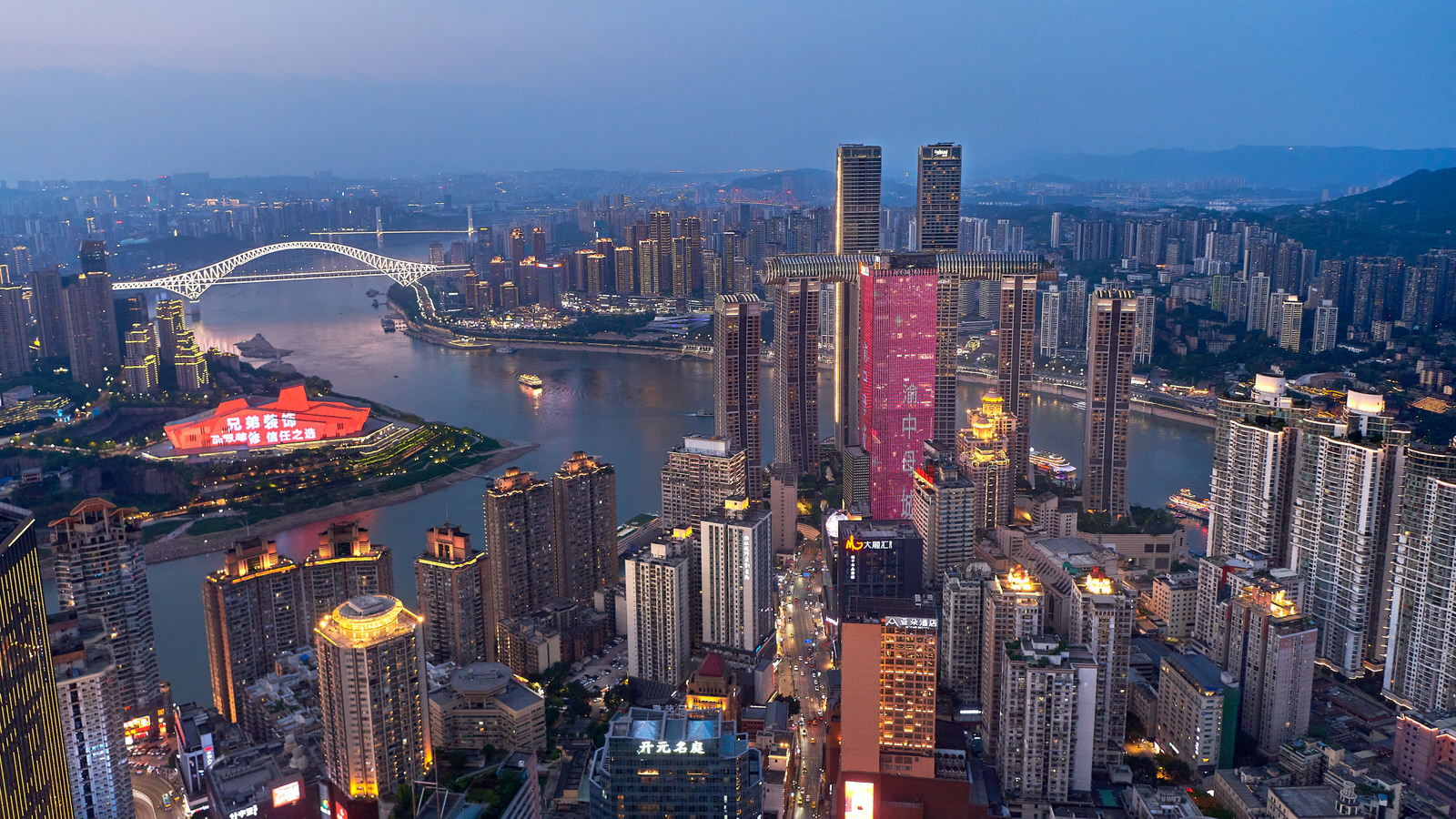
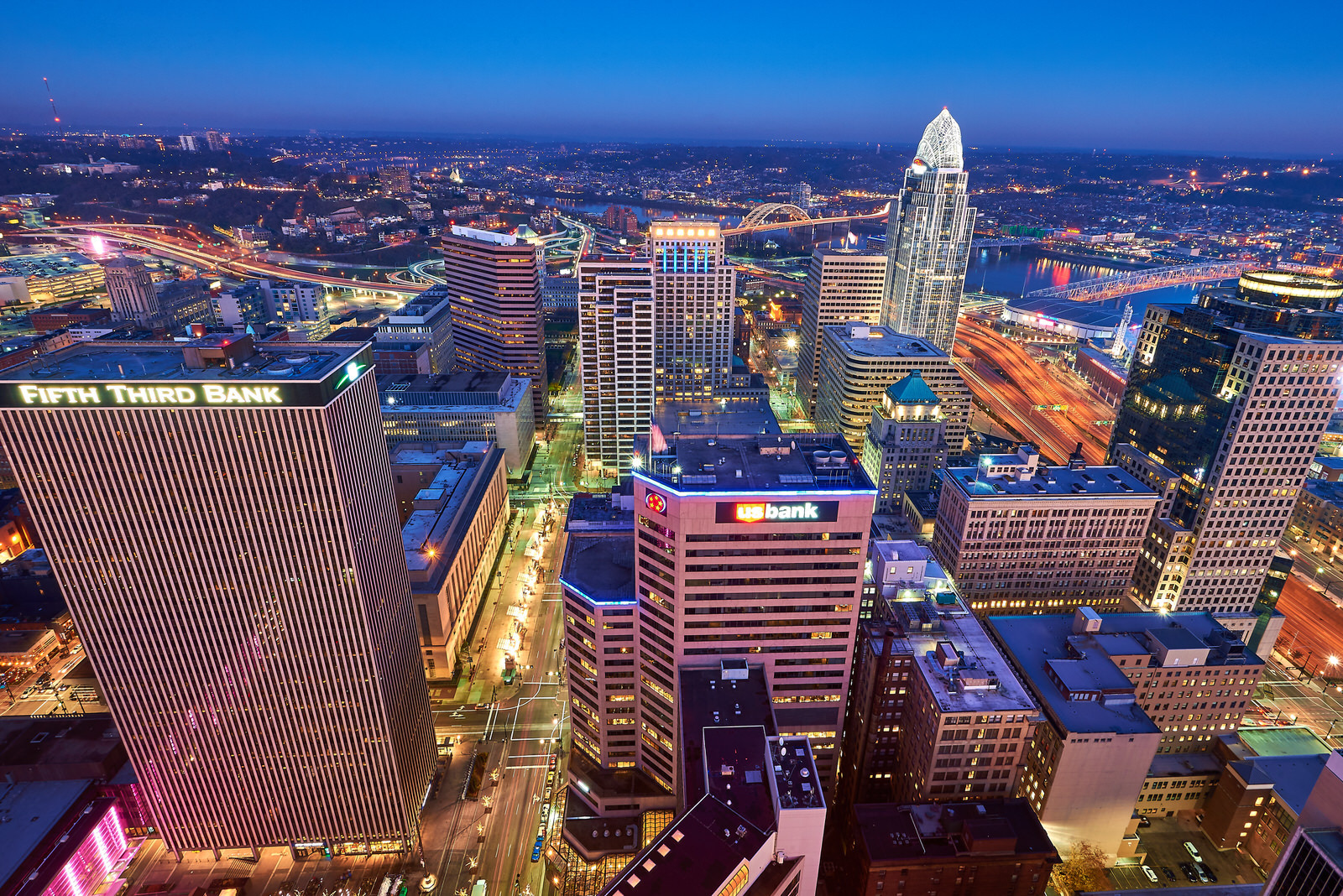
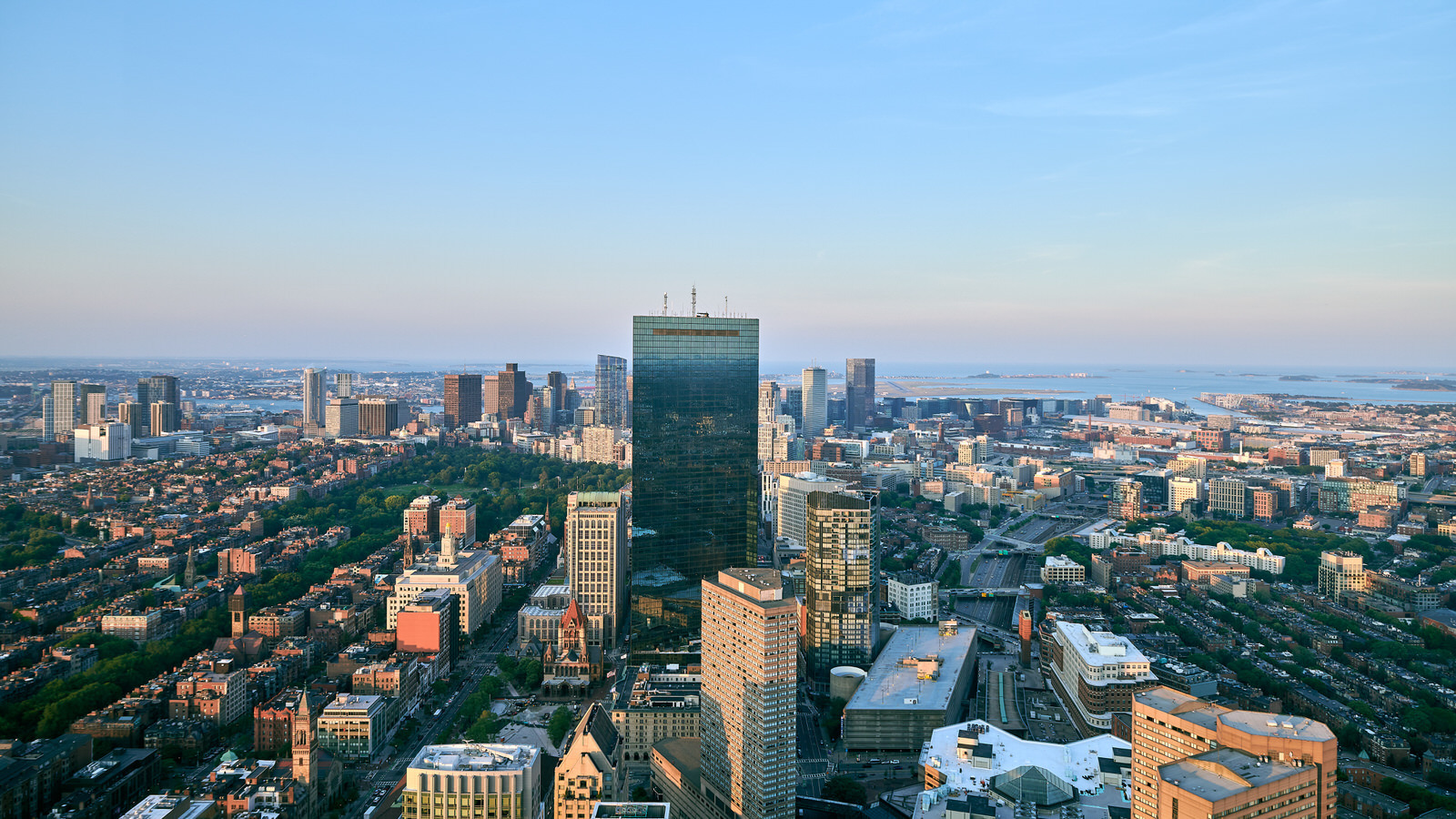
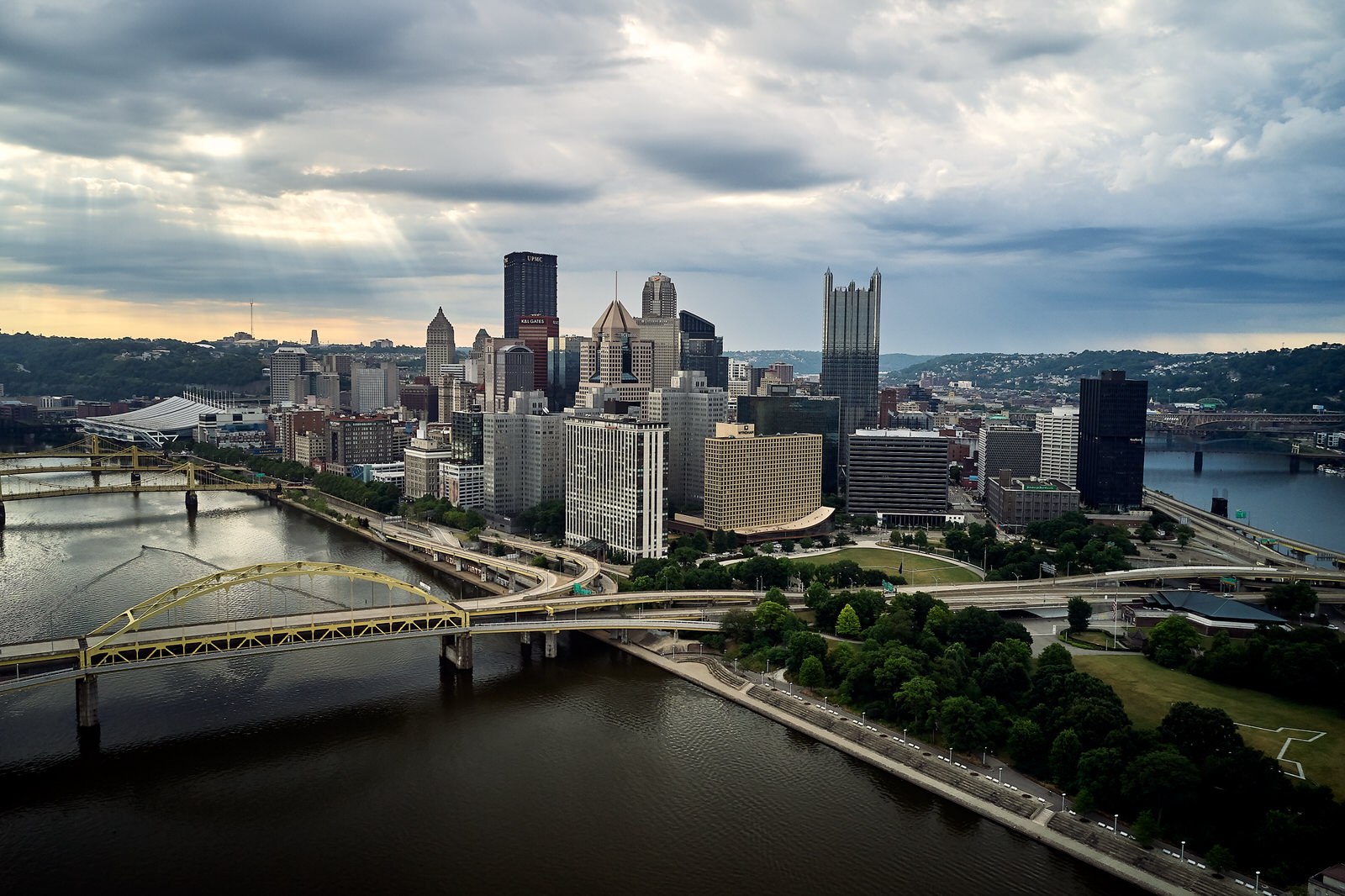
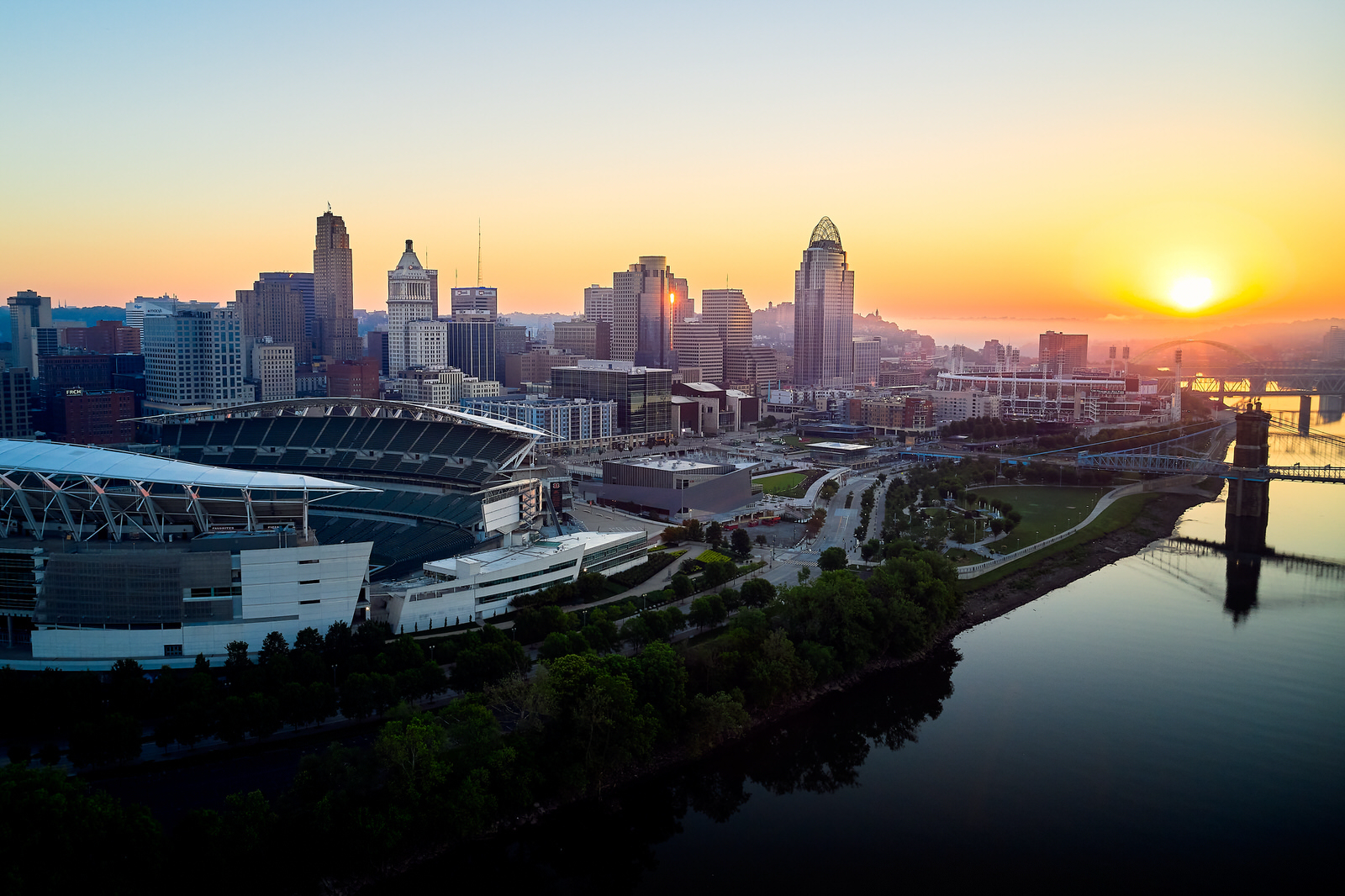
Perhaps this is the central tension of urban life: cities bring people together while revealing the many forces that keep them apart. They concentrate opportunity and inequality, beauty and neglect, continuity and change. They offer the possibility of more sustainable ways of living, yet their development can be constrained by the institutions and assumptions that govern them. They are achievements of extraordinary collective ingenuity, but they also make visible the consequences of collective indifference. To look carefully at a city is to encounter these contradictions without necessarily resolving them. A weathered building may suggest endurance, but also the passage of time and the uneven distribution of resources. A crowded intersection may convey energy and connection, but also congestion and competing demands. An empty street may appear peaceful, yet invite questions about what has disappeared from the surrounding neighborhood. The meaning of these scenes changes with the observer, the hour, the light, and the history one brings to them. Cities are full of such ambiguities. They rarely offer the courtesy of a simple conclusion.

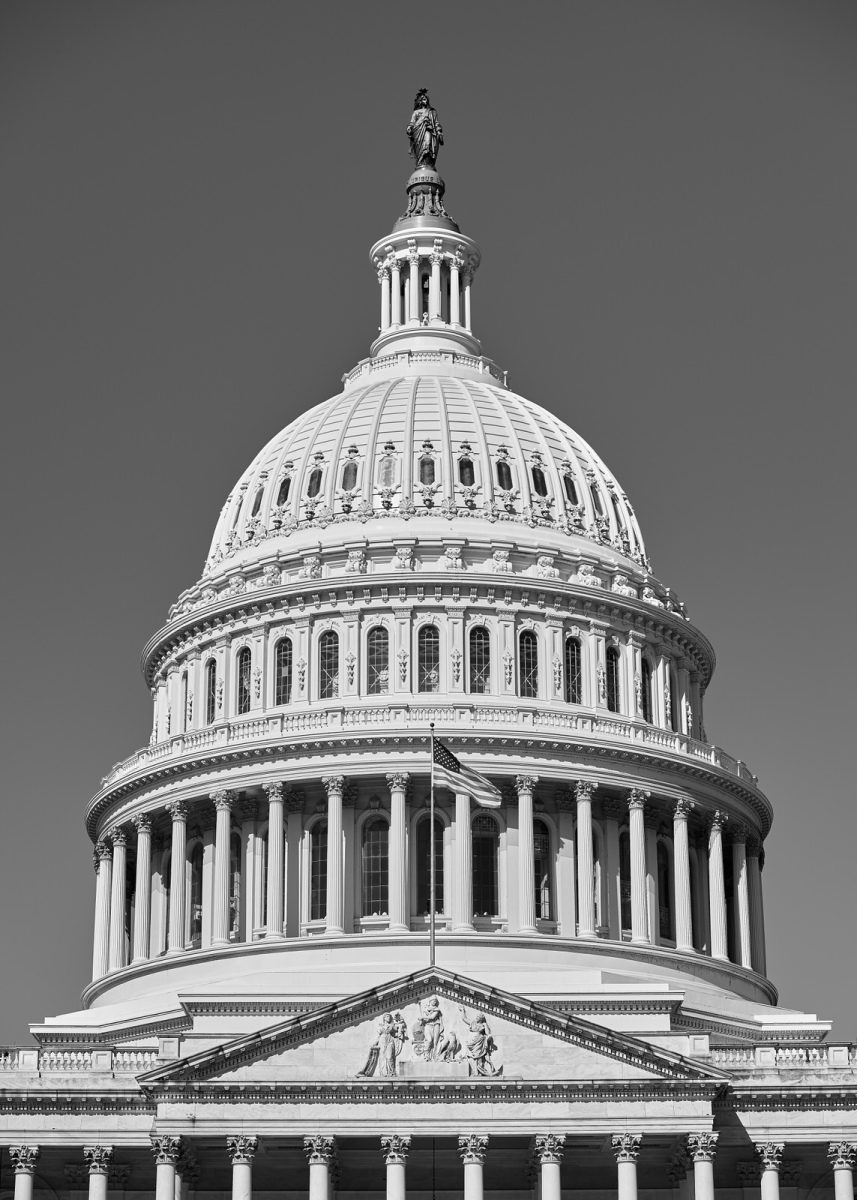


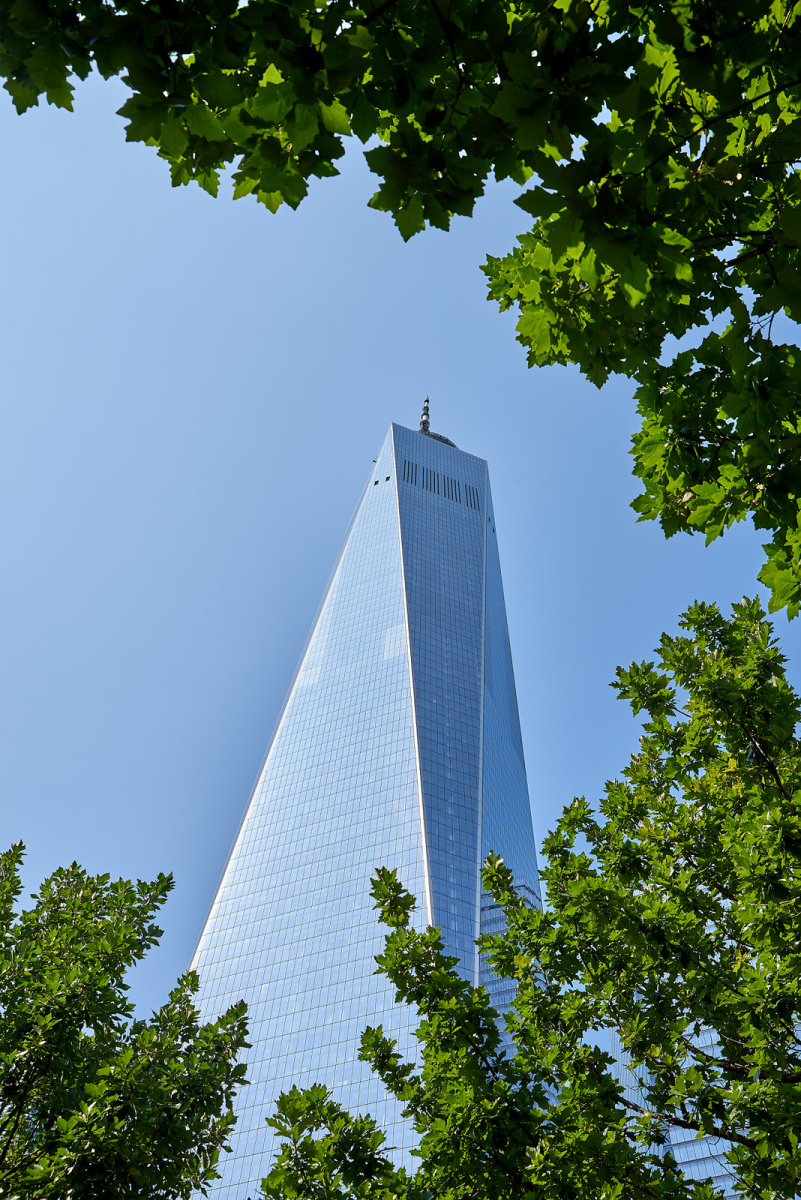
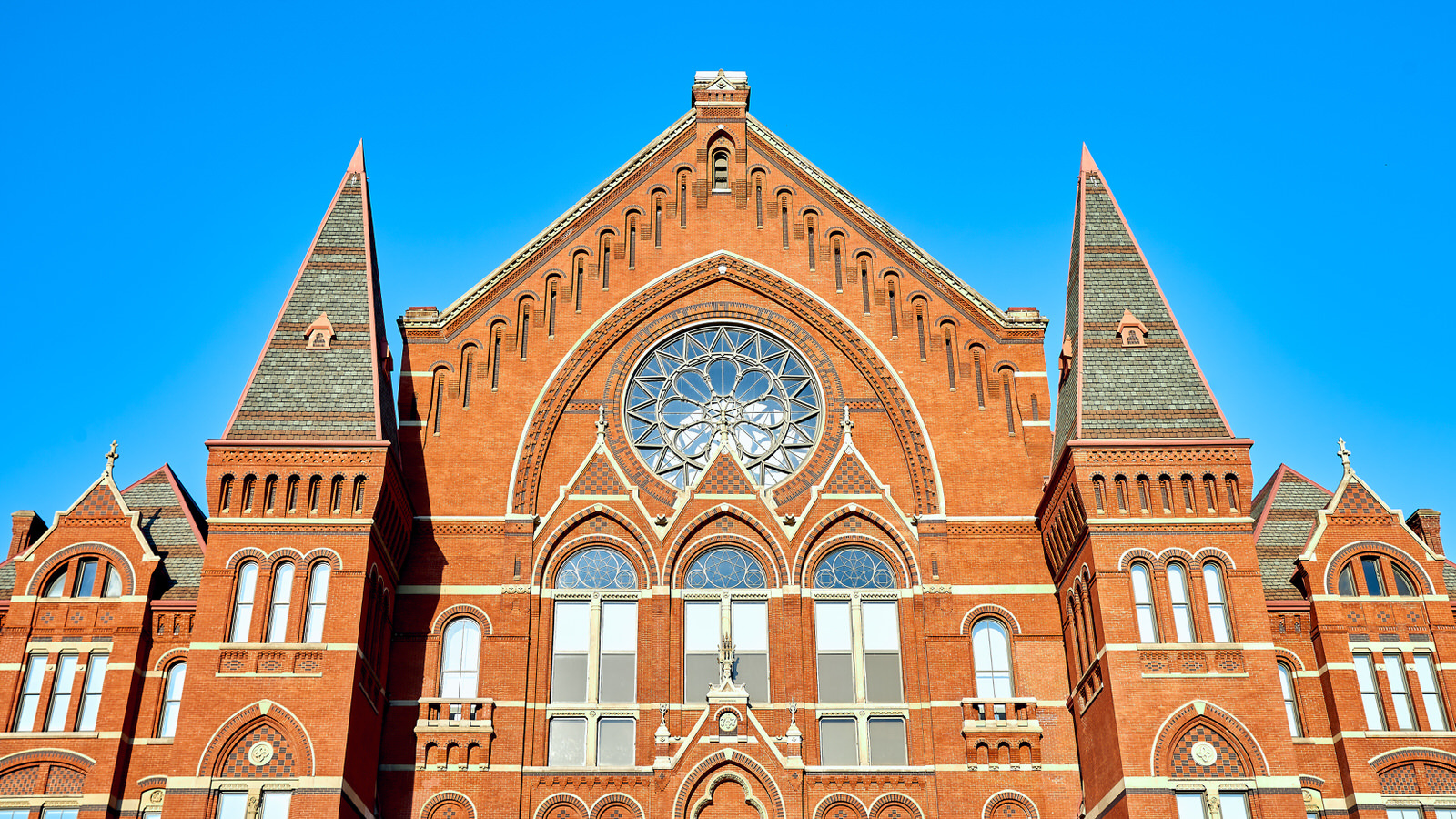


What fascinates me most about cities is that they allow us to observe humanity at a remarkable scale. They reveal how people organize themselves, how they negotiate shared space, how they express their identities, and how they respond to the opportunities and constraints around them. They are simultaneously physical places, economic systems, cultural meeting grounds, and expressions of collective values. Their architecture records ambition; their streets reveal habit; their public spaces expose the relationship between individual freedom and shared life. Even their imperfections can be instructive, reminding us that the environments we inhabit are neither inevitable nor immutable. Every building, street, and neighborhood is the product of decisions made across time. The city we see today is a legacy of previous generations, shaped by their aspirations, compromises, and blind spots. The city of tomorrow will reflect the choices we make now. Perhaps this is what makes cities such enduring subjects of fascination. They are never truly finished. They remain open to interpretation, capable of surprising us, and always in the process of becoming something else. To look at a city closely is, in the end, to look at ourselves: our ingenuity, our contradictions, our capacity for beauty, and our continuing effort to imagine better ways of living together. And if there is a hopeful conclusion to be drawn from all this, it is that the future of a city is not simply something we inherit. It is something we have a hand in creating.