
I grew up in a semi-rural part of Ohio, where travel was rare and life felt quiet, predictable, and familiar. But every so often, we’d make the trip to Cincinnati—my mother’s hometown—and to me, it felt like stepping into another world. Even in the 90s, when parts of the city were visibly worn down, Cincinnati carried an energy unlike anywhere else in Ohio. The narrow, walkable downtown streets buzzed with life, framed by towering buildings that seemed enormous through the eyes of a child. Historic architecture lined nearly every block, while scattered modern structures hinted at the city’s ambitions for the future.
What captivated me most was the setting itself: the hills rising around the city, the sweeping overlooks, the Ohio River winding through downtown, and the stadiums standing proudly against the skyline. Cincinnati felt alive—dramatic, imperfect, and full of possibility. Even as a kid, I knew it was the kind of place I wanted to be. After graduating high school, I finally had the opportunity to turn that feeling into reality.
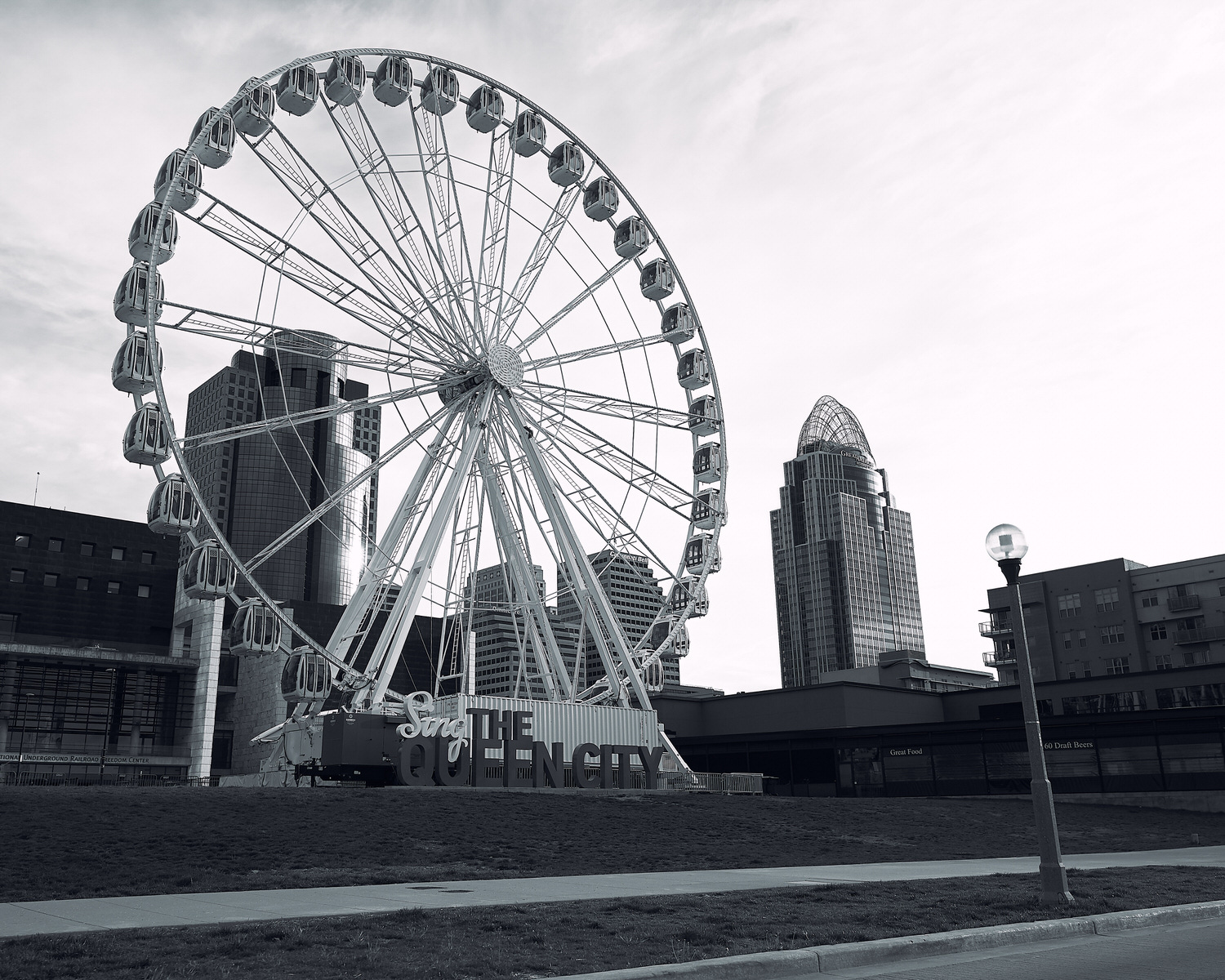
When I moved to Cincinnati for college, I arrived young, idealistic, and a little naive. The University of Cincinnati was in the middle of a major building boom, filled with striking modern architecture and an unmistakable sense of momentum. Yet just beyond campus, the city revealed a grittier reality. The campus Kroger was rundown, the retail district felt half-finished, and poverty was impossible to ignore. Still, there was something exciting about that contrast—the energy of urban life, the anonymity of a larger city, and the quiet pressure to figure out who you were among so many strangers. It was during this time that I picked up a camera, leaned into my growing fascination with architecture and urban development, and began exploring the city in earnest.
One neighborhood fascinated me more than any other: Over-the-Rhine, the historic district just north of downtown. When I first visited in 2008, the neighborhood was still marked by deep poverty and carried a reputation for danger in the years following the 2001 riots. I remember volunteering there and seeing discarded needles in the grass, block after block of abandoned buildings, and countless reminders of long-term neglect. Yet even amid the decay, there were unmistakable signs of resilience and hope. Music Hall and Findlay Market continued to anchor the community, while the newly formed 3CDC had already begun the painstaking work of restoring historic buildings and reinvesting in the neighborhood.
Today, Over-the-Rhine has transformed from a symbol of urban decline into one of the country’s most celebrated examples of historic urban revitalization. More than 200 historic buildings have been preserved, over 2,300 residential units have been created, and numerous public spaces have been restored since 2004.
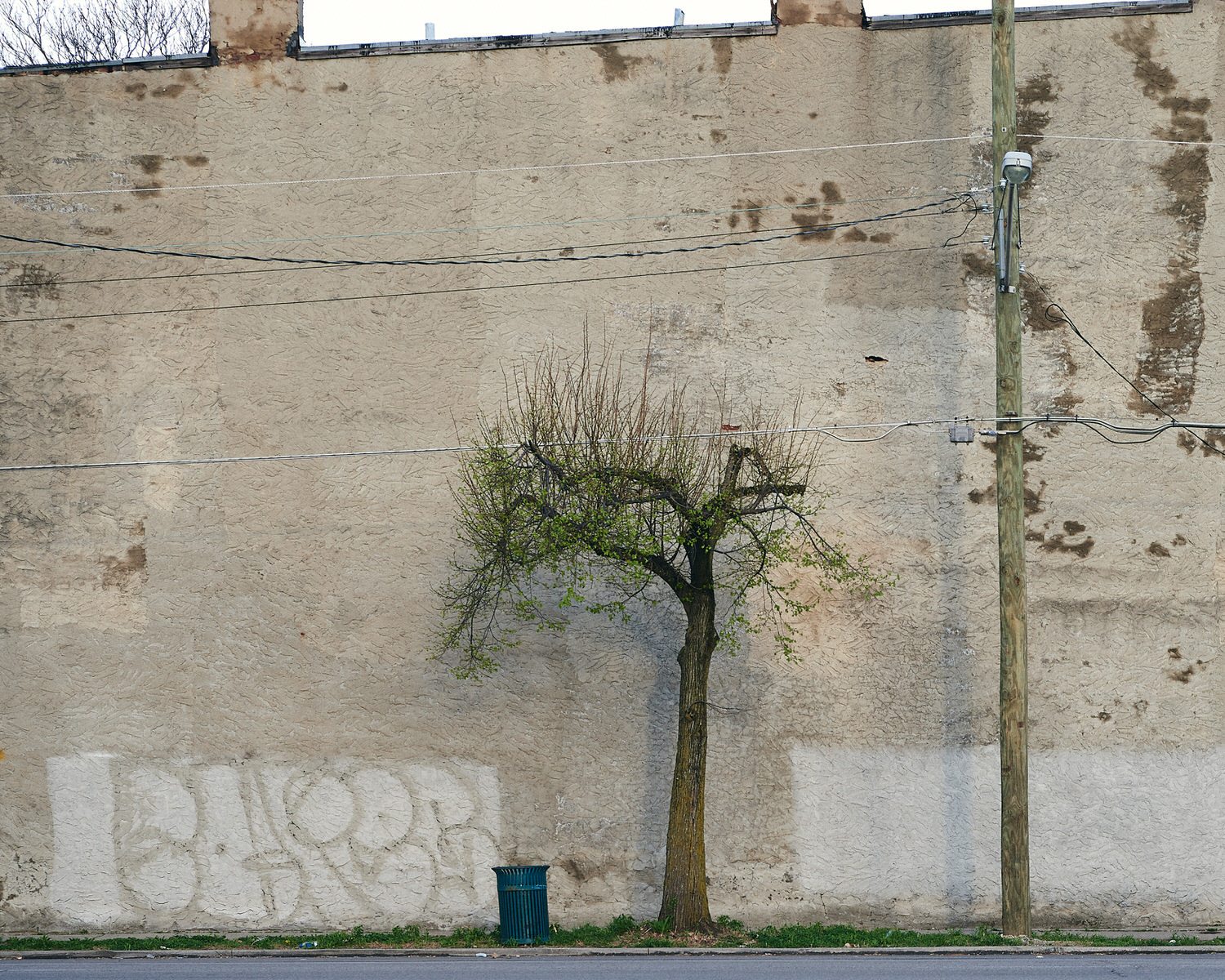
During my years in Cincinnati, I explored the city extensively. The west side carried a distinctly blue-collar identity, while the east side felt wealthier, shaped by historic river communities and older suburban development. Heading north toward Mason and West Chester, you could trace the different eras of suburban expansion as they unfolded across the landscape. Northern Kentucky felt like a blend of everything at once. Exploring each part of Cincinnati was like assembling a giant puzzle, and the more pieces I uncovered, the more I found myself wishing for a time machine.
I wanted to walk through the sprawling urban neighborhoods that once defined the city before highways carved through them. I wanted to experience Cincinnati at its peak: streetcars rattling through downtown, inclined railways climbing the steep hillsides, and crowded streets overflowing with life and movement.
As beautiful as modern Over-the-Rhine is today, I can only imagine what it must have felt like before so much was lost—when the district was denser, rougher around the edges, and illuminated by glowing neon signs and bustling storefronts. I would have loved to watch the Reds play at Crosley Field or stand beneath the grand rotunda of Union Terminal as passenger trains arrived and departed throughout the day. I imagine sitting along the riverfront watching working steamboats navigate the Ohio River, framed by a smaller but deeply charming skyline.
I also would have loved to experience Clifton Heights before decades of student housing neglect, and Mt. Auburn before white flight reshaped the neighborhood. Cincinnati is one of the best examples of an American city where you can feel history in your bones. You admire the beauty that survived, feel inspired by the city’s revitalization, and at the same time mourn the version of Cincinnati that might have existed if history had unfolded a little differently.


