Japan was my first trip to Asia. In the months leading up to it, I diligently worked through Duolingo lessons, confidently mistaking a long streak for actual fluency in the basics.
After landing, we took a bus straight to Shibuya. We got off several blocks from our hotel and found ourselves facing a maze of narrow, zigzagging streets. Almost immediately, I fell in love with how walkable the neighborhood felt. The streets were small, but so were the storefronts, each one seeming to hide a new discovery. We passed restaurants that opened directly onto the sidewalk, a bustling Tower Records—which I was surprised to learn still existed—and eventually crossed beneath the green tracks of the Yamanote Line as it looped around Tokyo.
At last, we reached our hotel’s street. It was incredibly narrow: one-way, without sidewalks, and somehow still full of life. Being Japan, there was naturally a row of vending machines at both ends of the L-shaped block. We checked in and were greeted by the smallest hotel room we had ever seen. It was barely larger than the bed, but after the long journey, we couldn’t have been happier.
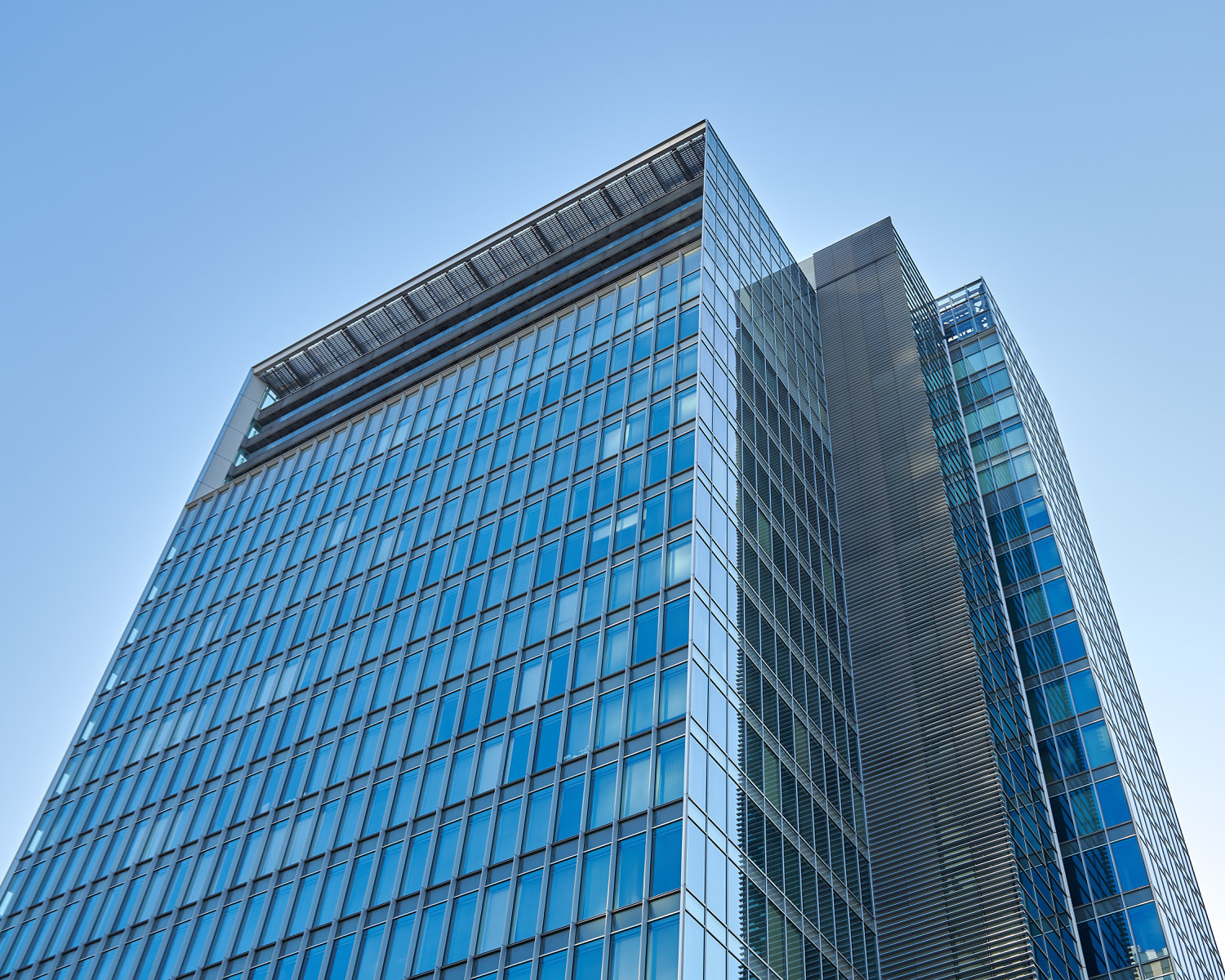
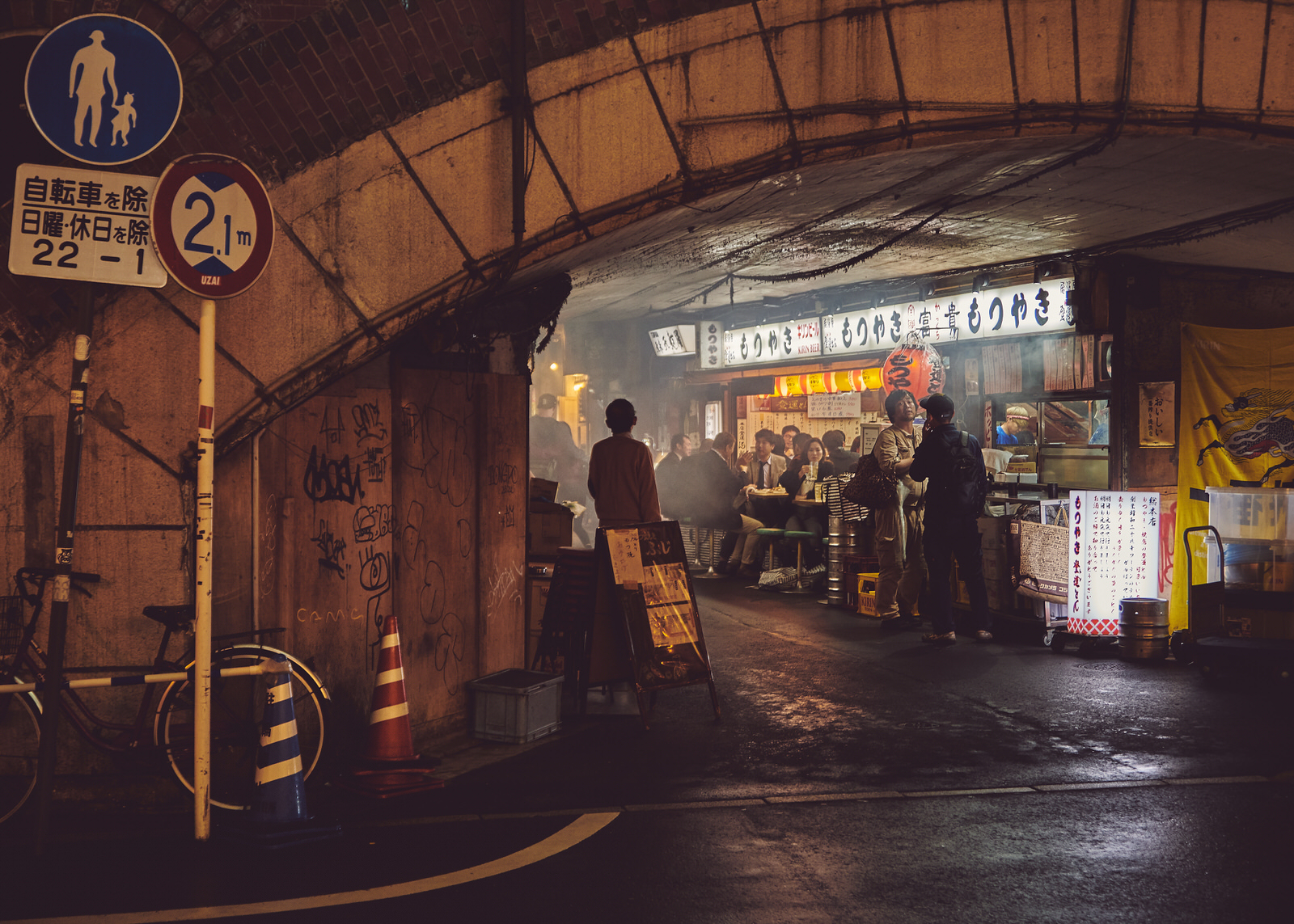
Over the next few days, we saw what felt like a lot, but in reality amounted to only a small slice of Tokyo. In addition to Shibuya, we explored Shinjuku with its buzzing nightlife and karaoke rooms, the neighborhoods along the Meguro River with their authentic everyday atmosphere, and Ginza with its upscale boutiques and ultramodern shopping centers.
Looking back, some of the experiences I remember most fondly were:
Tokyo Photographic Art Museum
This museum featured some truly remarkable photography documenting Japan’s history and cultural evolution. It offered a perspective on the country that felt both intimate and expansive.
Kyu Asakura House
The house provided a fascinating glimpse into how official business and daily life were once conducted in Japan. The tatami floors, sliding screens, and wooden-framed windows opened onto serene gardens hidden within the city. Walking through the home felt like stepping back in time.
teamLab
I enjoy art and have visited many museums, but the teamLab experience was something entirely different. The exhibits were so immersive and interactive that it was impossible not to engage with them. While it’s undeniably one of Tokyo’s more touristy attractions—and the line certainly reflected that—I left genuinely impressed. It was one of those rare experiences that made me feel both playful and awestruck.
Tokyo Metropolitan Government Building Observatory
The observatory offered an incredible view of Tokyo, and best of all, it was free. Because the building sits slightly apart from the city’s central business districts and waterfront, the panorama feels unusually wide and expansive. What made the visit truly memorable, however, was the atmosphere inside. Near the center of the observation deck sat a piano, and visitors lined up for a chance to play. The number of talented musicians passing through was remarkable. Every few minutes, a new song would drift across the room, completely changing the mood. It transformed what could have been a simple sightseeing stop into one of the most unexpectedly memorable experiences of the trip.
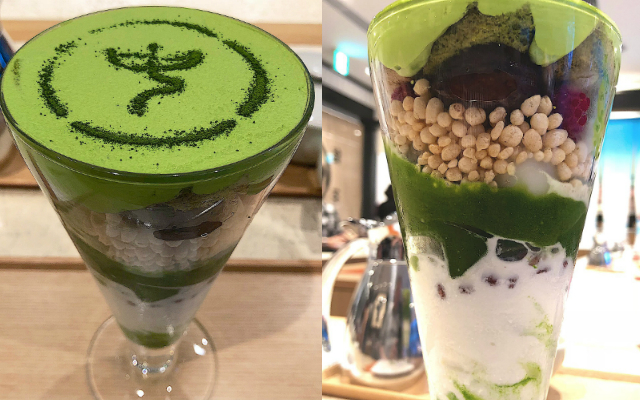
A 13-Layer Matcha Parfait in Ginza
We discovered this towering dessert in a Ginza shopping center. The combination of flavors and textures felt completely new to my Western palate, and enjoying it while looking out over the city made the experience even more memorable. The café was packed, and it still surprises me that desserts like this haven’t become more common elsewhere.
Quirks of Tokyo
One of the things that stood out to me while exploring Tokyo was the presence of designated outdoor smoking booths. Smokers are required to use these enclosed spaces, which keeps the surrounding public areas free from smoke. It’s a thoughtful balance between accommodating smokers and respecting everyone else’s comfort.
I also loved the umbrella dryers and locking stands at the entrances of museums and other buildings. On rainy days, you could quickly dry or securely store your umbrella before heading inside. I hadn’t encountered this so systematically implemented before, and it made navigating the city in wet weather noticeably more convenient.
Another striking difference was the absence of public trash cans on most streets. Instead, you carry your waste with you until you reach your destination. While this can occasionally be inconvenient, the result is remarkably clean streets. It reflects a strong sense of collective responsibility, and the cultural norm of personal accountability clearly contributes to the city’s overall tidiness and order.