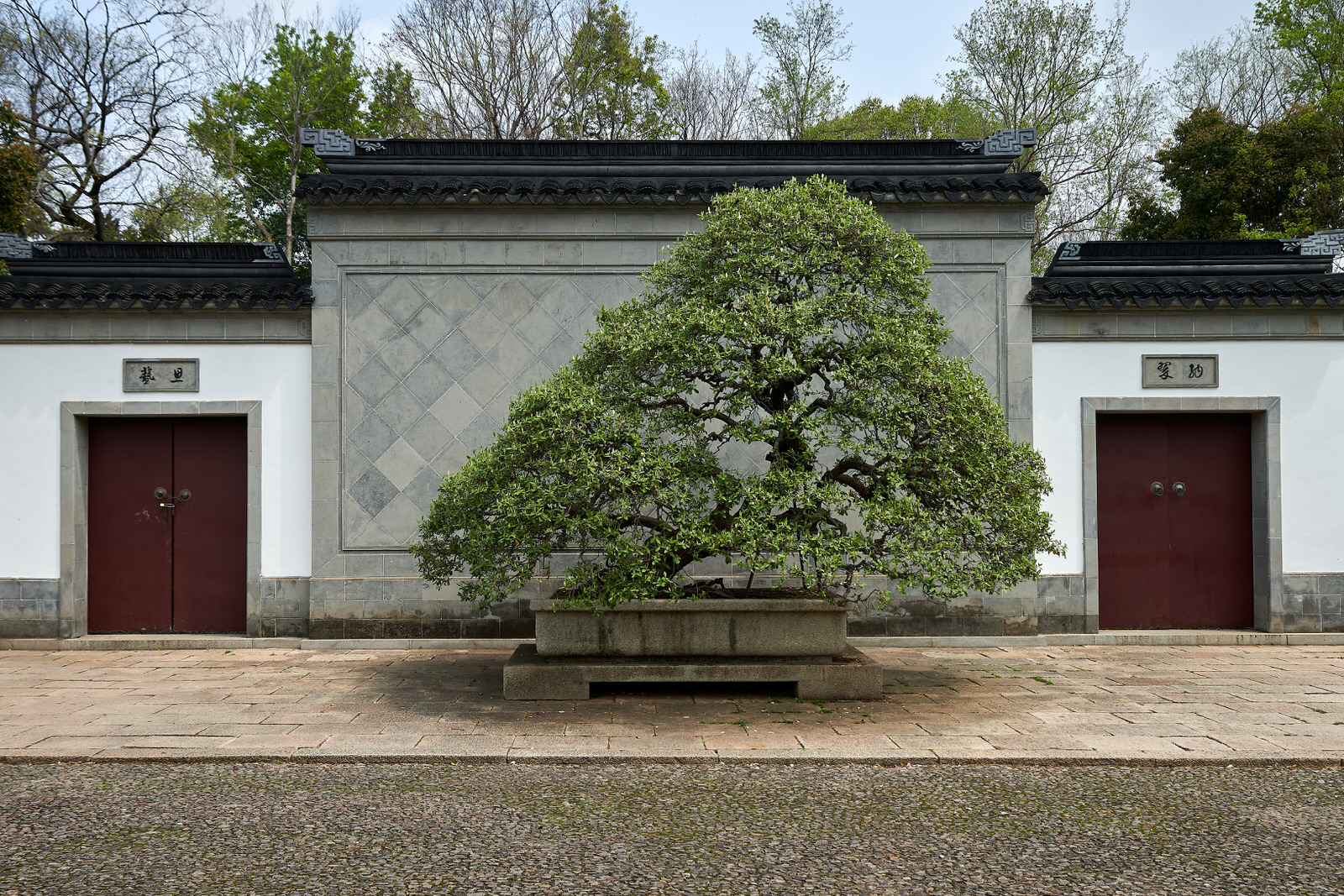
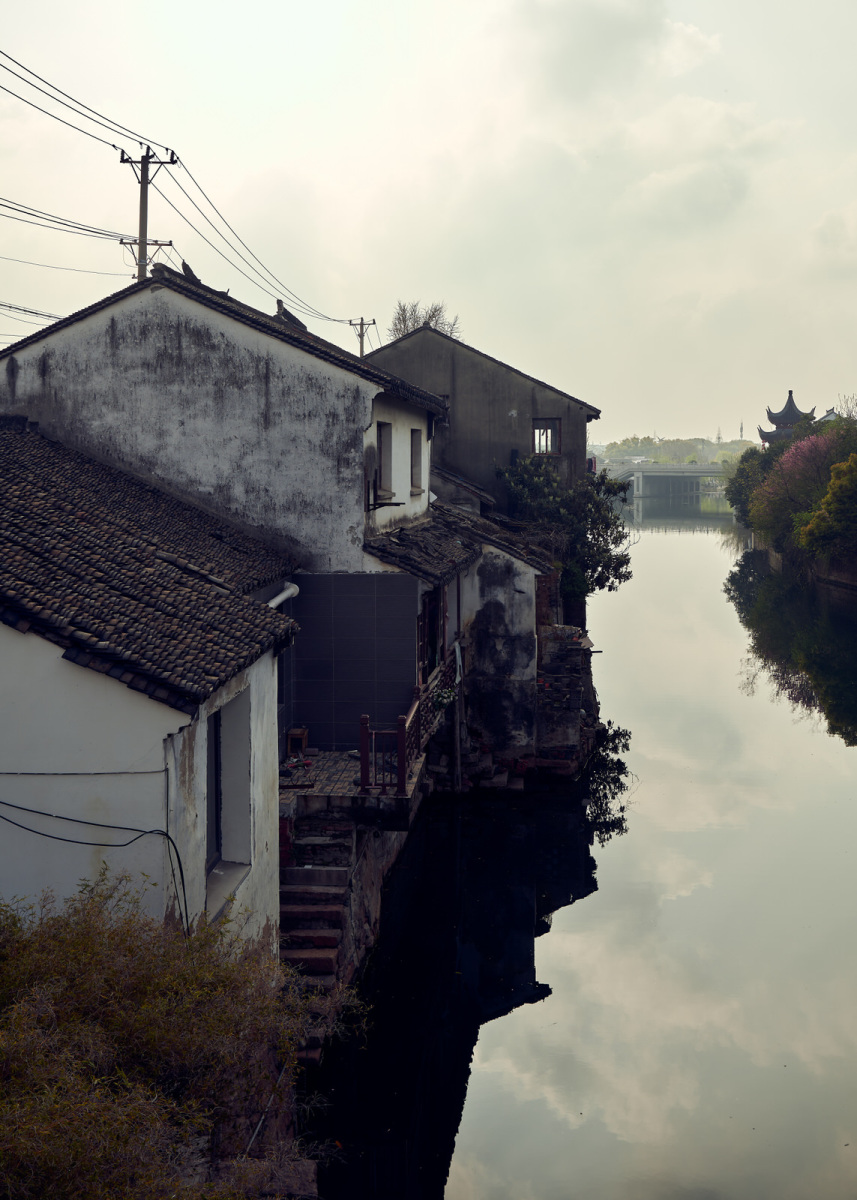
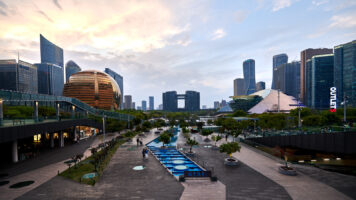
My time in Suzhou felt like two totally separate trips. There is ancient Suzhou with its canals, gardens and traditional architecture and then there is new Suzhou with glass towers and luxury malls. While that sort of sounds like China as a whole, Suzhou takes it to the next level. That’s not a complete surprise when you learn about Suzhou being a hot spot for international investment decades ago which has evolved into a place of Chinese led research and development.
Old Suzhou
This is where we spend the majority of our limited time. Snaking through the narrow alleyways
Modern Suzhou
Our exploration of modern Suzhou was limited to our final day. We took the subway from our hotel without a clear destination in mind, curious to see where we would end up. As it turned out, the stop we chose was in a heavily residential district. Outside the station, residential towers stretched in every direction, though many were shorter than what I had grown accustomed to seeing elsewhere in China. The area featured broad, western-style boulevards and abundant green space, but very little retail.
We soon found a walking path that led through a series of meticulously maintained parks toward the lake. Willow trees lined the route, framing views of the skyline, while glimpses of a nearby Ferris wheel added to the scenery. The parks felt calm and carefully designed, offering a softer contrast to the dense urban environment around them.
After some time, we reached the edge of downtown, where glass office towers and shopping centers began to appear. Hungry, we headed into a large mall. Like many malls in China, it was filled with luxury brands and featured an entire floor dedicated to mid- and high-end restaurants. We chose a Japanese curry restaurant for lunch. On the mall’s lower level was a high-end grocery store, another feature that seems common in modern Chinese shopping centers.
From there, we continued along quiet, immaculately maintained streets until we arrived back at the lakefront. Across the vast expanse of water, I caught sight of an even larger downtown skyline. I had assumed we were already in the city’s main center, but China’s scale can feel almost surreal, and navigating Chinese mapping apps — even in English — often leaves you unsure of exactly where you are.
We eventually reached another retail and dining district made up of red-brick buildings that felt strikingly American in style. Nearby stood a grand cultural and arts complex, where we visited an impressive art gallery.
Of all the places we visited in China, modern Suzhou reminded me the most of the United States, though with noticeably better infrastructure, particularly its high-quality subway system. At the same time, compared to many other parts of China, it also felt somewhat sterile. Still, the beautifully designed parks and expansive lake views helped offset that feeling.