As a kid, I remember watching a Top Gear episode set in what they called “the largest city you’ve never heard of.” That city was Chongqing. The episode stuck with me—not just because the challenges were hilarious, but because the setting itself felt almost unreal. Towering highways, dense clusters of high-rises, and mist-shrouded mountains blended together into something that looked closer to a sci-fi film than a real city.
In the years since, Chongqing has developed an online reputation as a sprawling futuristic metropolis carved directly into the mountains—a place as chaotic as it is captivating. With that image in mind, it felt like an essential stop on our journey through central China.
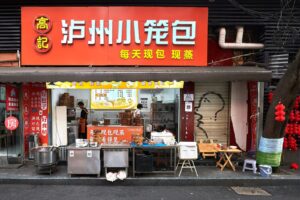
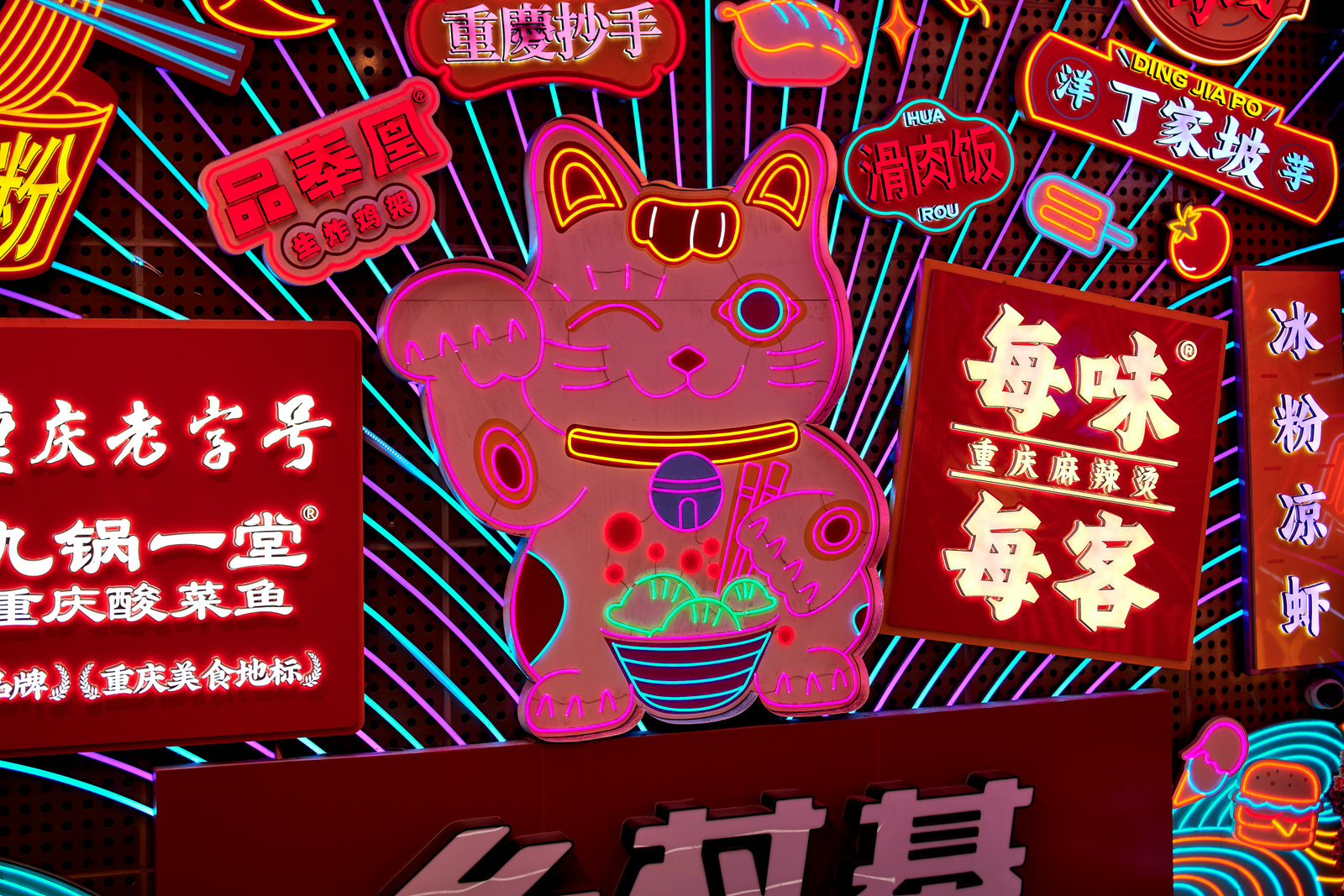
What I found in Chongqing exceeded my high expectations. Like Shanghai, the neighborhoods we explored each had a distinct character, though Chongqing felt more authentically Chinese—or at least less shaped by outside influences. Every day, the streets outside our hotel pulsed with life: vendors cooking and selling food curbside, restaurants thrown open to the sidewalks, and a constant flow of people moving between malls, shopping districts, and convenience stores. The energy was extraordinary. To me, the city felt like a mountainous version of Tokyo, slightly less dense but equally immersive.
That comparison, however fitting it may seem aesthetically, comes with historical baggage. During World War II, Japan invaded China, and Chongqing—then the temporary capital after the occupation of eastern cities—became a major target of Japanese bombing campaigns. I was reminded of that history while reading The Man Who Loved China, which follows British scholar Joseph Needham and his efforts to document China’s vast scientific and technological contributions to world history. The book offers a striking look at both Chongqing’s wartime experience and the resilience of China during that period.
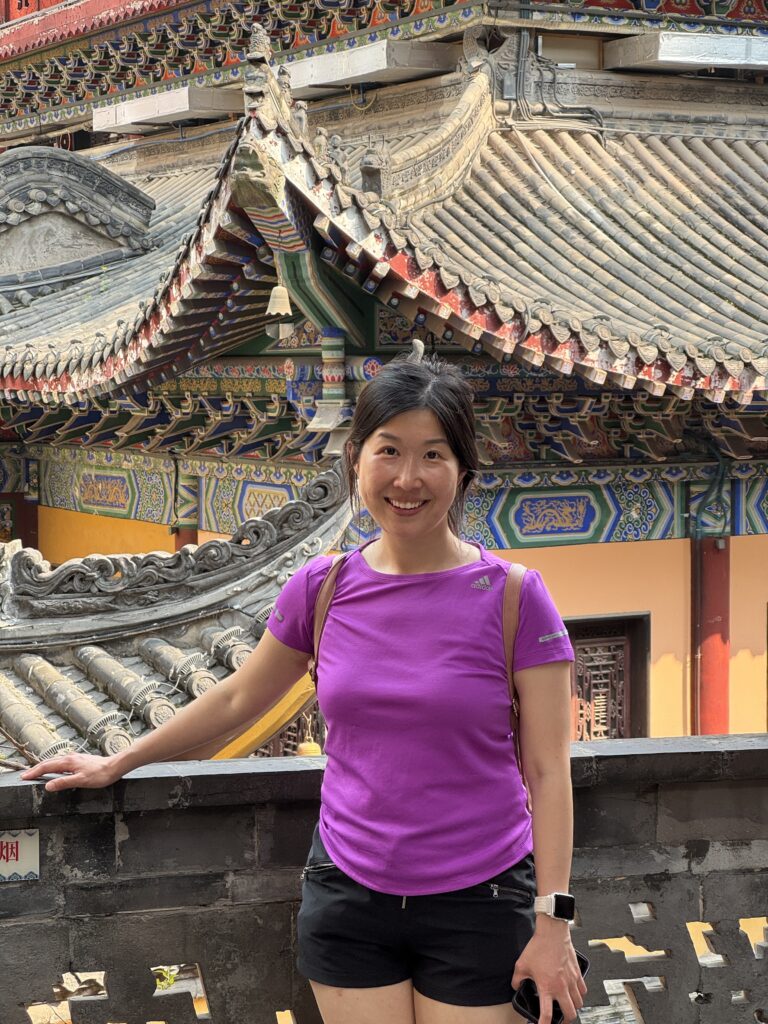
While traces of Chongqing’s wartime past still remain in the form of old bomb shelters scattered throughout the city, I found surprisingly few overt reminders of that era. Instead, places like Luohan Temple and Erling Park stood out for how naturally they blended tradition into such an intensely modern environment. Even Hongya Cave—the sort of heavily touristed attraction I would normally avoid—felt woven into the fabric of the city. It also became a welcome refuge when we needed a break from Chongqing’s intensely regional cuisine and wanted something more familiar to eat.
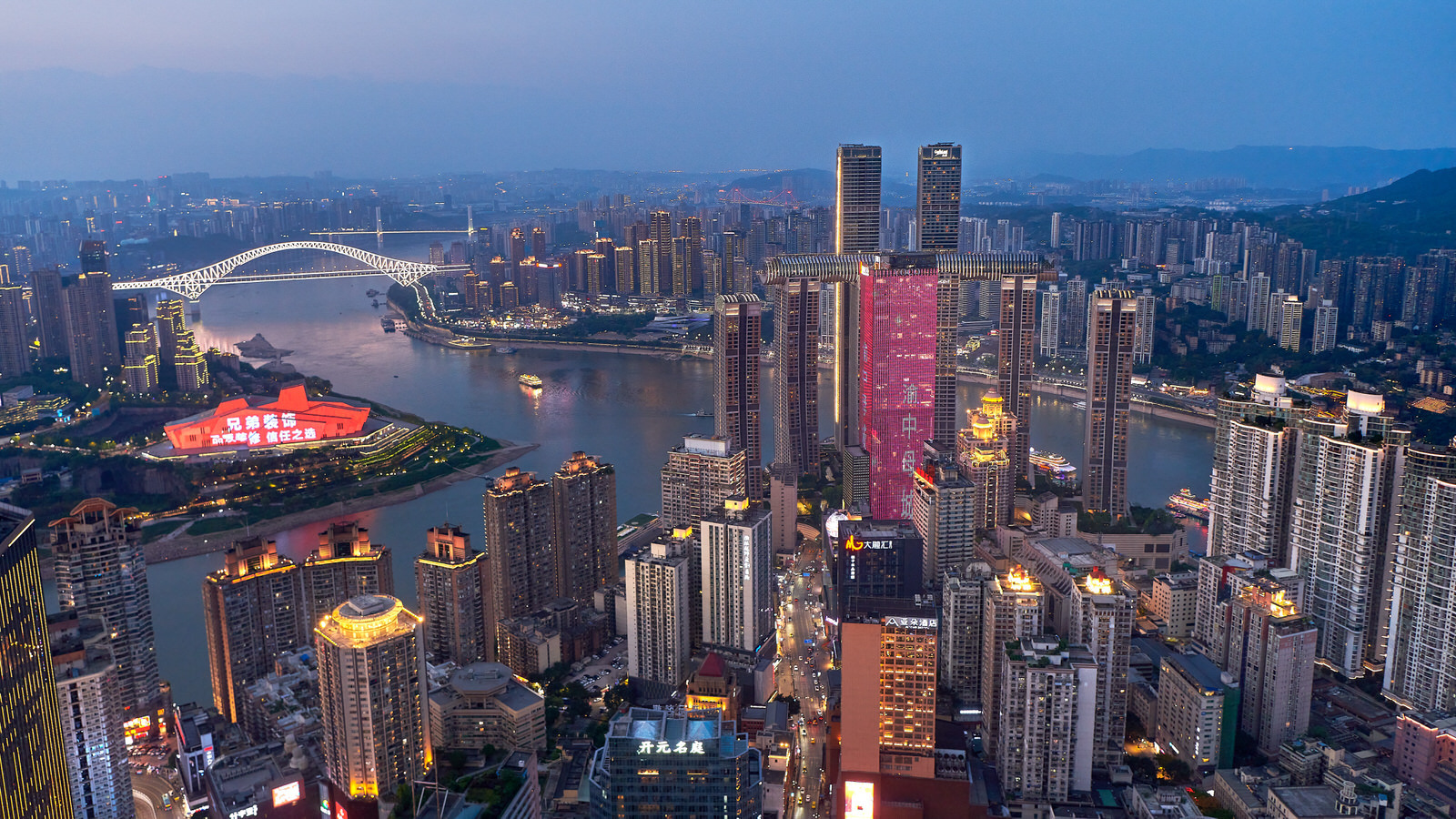
Dominating the skyline is Raffles City Chongqing, dramatically positioned at the point where the Jialing River meets the Yangtze. The complex consists of several glass towers linked high above the ground by a horizontal skybridge, giving it a distinctly futuristic appearance that perfectly matches Chongqing’s reputation. Inside, the development houses a sprawling luxury mall filled with excellent dining options. We ended up eating at both a Hong Kong-style restaurant and another spot serving a more contemporary interpretation of Chinese cuisine.
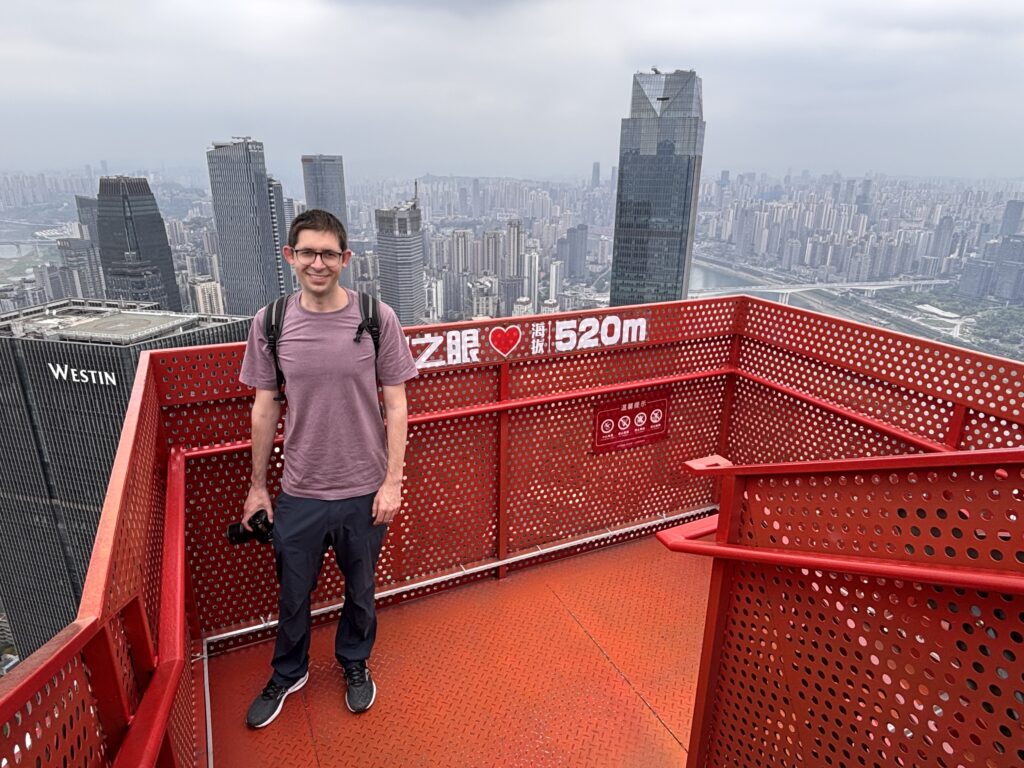
Across the river, expansive parks and hillside walkways provide some of the city’s best views of the skyline while offering a temporary escape from Chongqing’s relentless pace. They also serve as ideal vantage points for the city’s massive drone shows, one of which we were fortunate enough to catch on a clear Saturday evening.
Wandering through places like Shancheng Alley, Testbed 2, and the steep paths descending toward Liziba Station and the Guotai Arts Center felt less like sightseeing and more like constant exploration. Chongqing rewards curiosity in a way few cities do; nearly every staircase, alleyway, and overlook seems to lead to another unexpected discovery. Even the mountains rising above the city conceal hidden gems, such as Laojun Dong Taoist Temple, where a steep climb is rewarded with both sweeping views and a sense of quiet spirituality removed from the intensity below.
We left Chongqing exhausted, though in the best possible way. It is a city that constantly demands your attention, whether through its geography, its scale, or the sheer energy of daily life unfolding around you. Few places I’ve visited have felt so alive. If someone finds Chongqing boring, I suspect the problem lies less with the city than with their willingness to explore it.