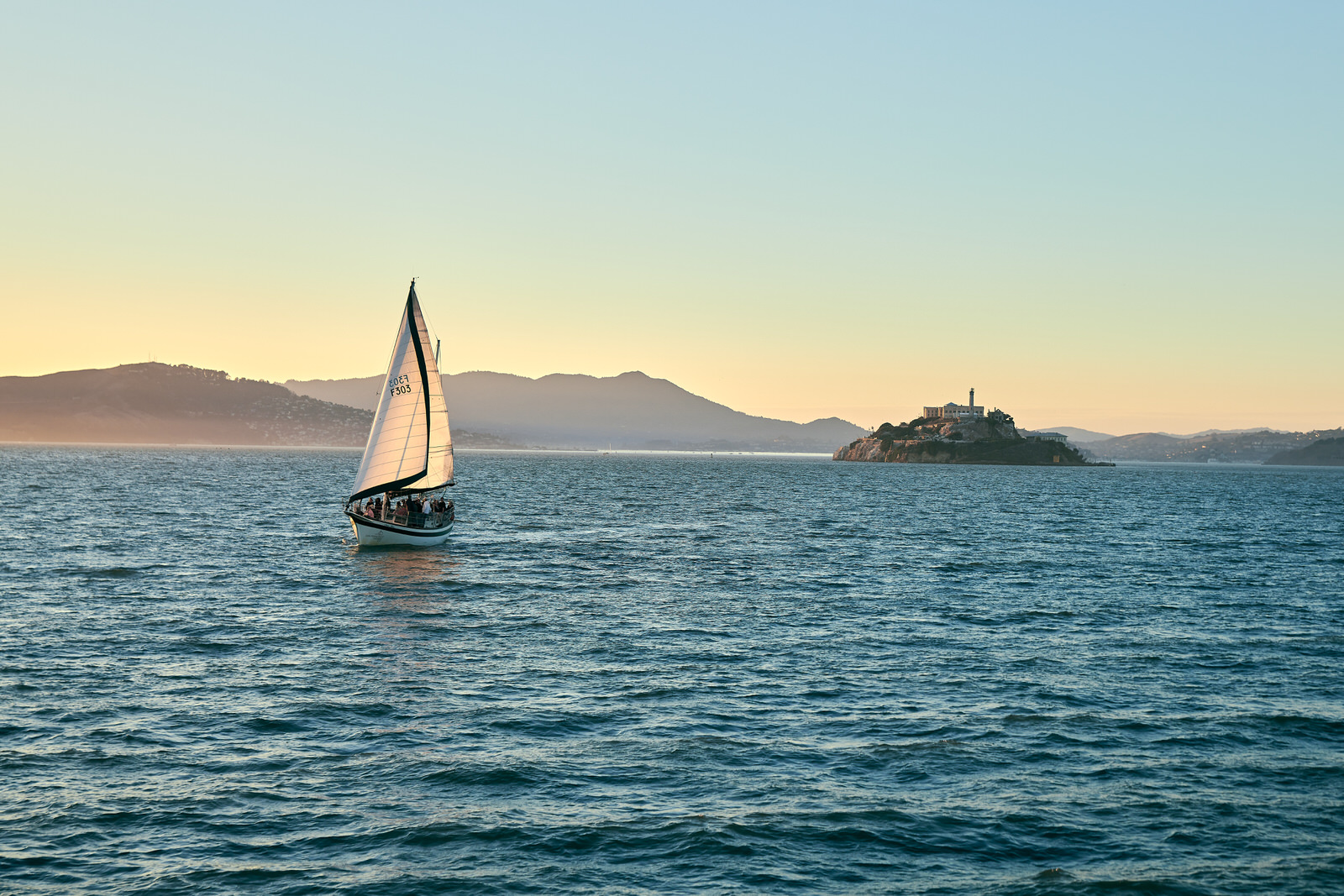
October in San Francisco. We had been watching the sunset from Corona Heights overlook when the fog began its slow advance over the surrounding hills, spilling in from both sides with a patience that felt almost deliberate.
For a few moments, the city remained suspended in golden light, caught between the warmth of the setting sun and the grey gathering beyond it. Then the two banks of fog met above the skyline, and the buildings began to disappear, one by one, as though the city were being quietly erased.
It was a far cry from the warm, sunny days that had welcomed us to the Embarcadero piers and Treasure Island at the start of our visit. But San Francisco, ever the consummate storyteller, had simply decided to change the mood. And honestly, it was hard not to admire the performance.
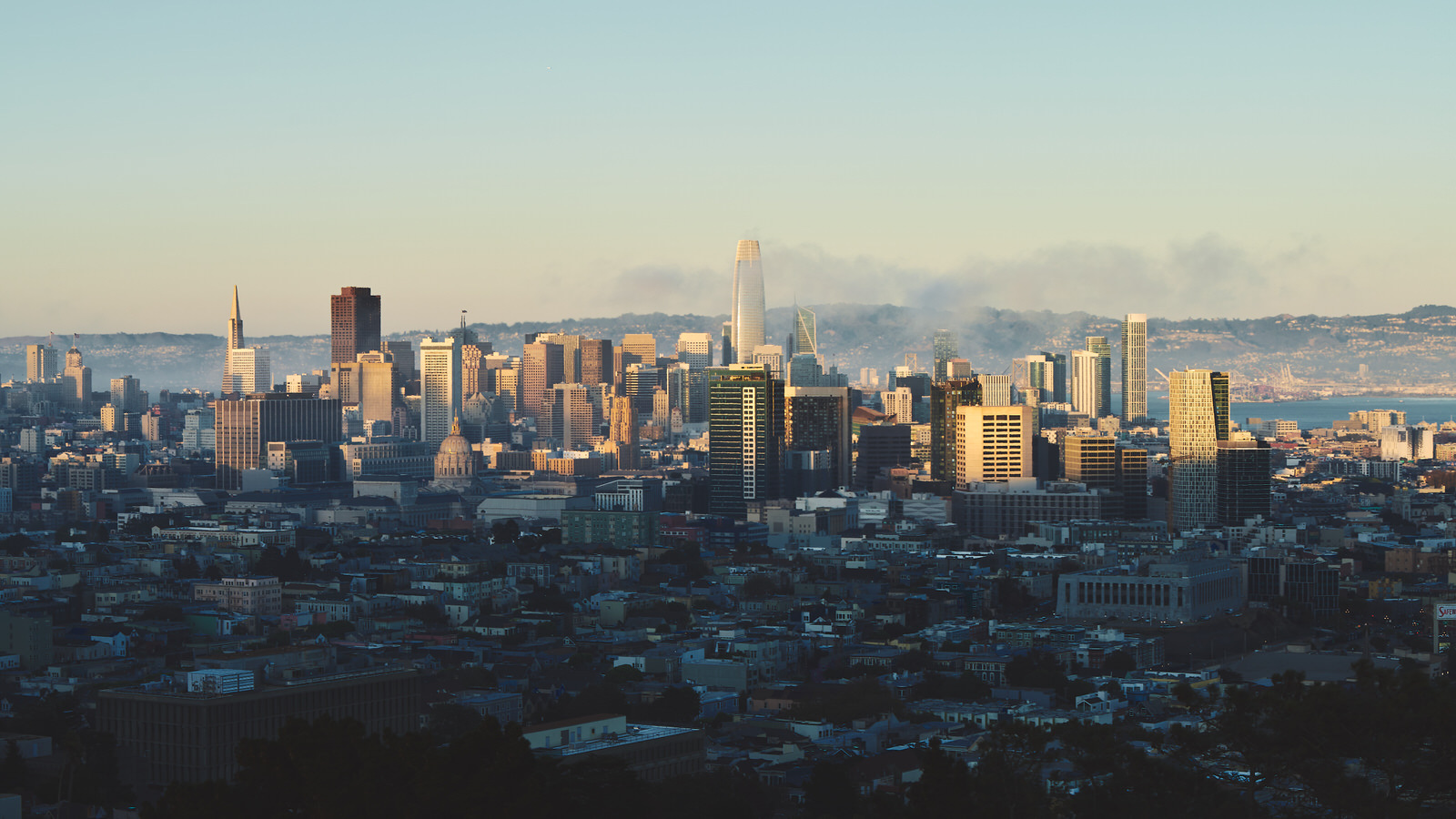
San Francisco has plenty going for it, but it’s the hills, and the way the city’s built environment works with rather than against its geography that makes you want to fall in love. Nowhere is this more apparent than in North Beach, where the steep streets, intimate storefronts, colorful buildings, and glimpses of the bay make the city feel less like something designed and more like something discovered.
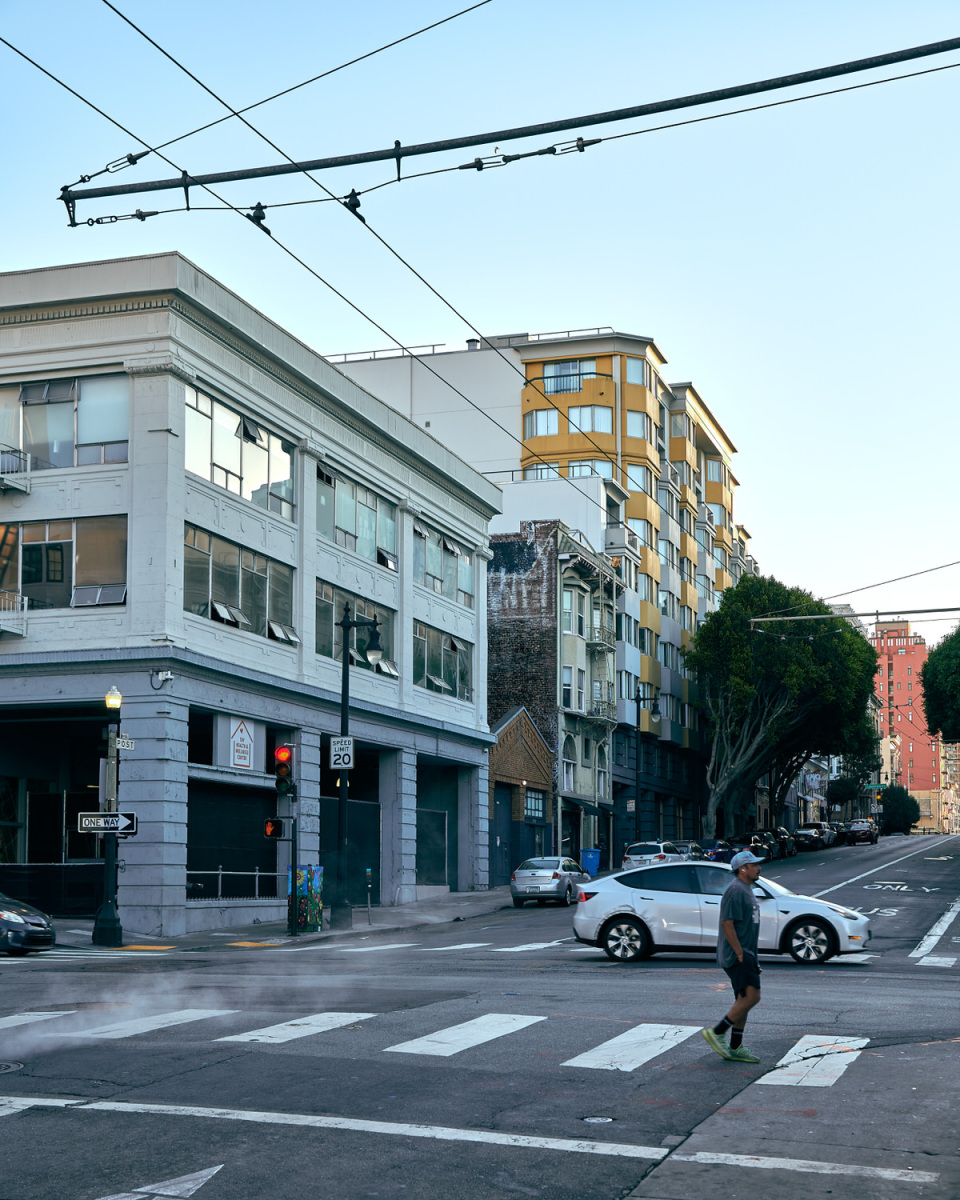
These architectural delights extend well beyond North Beach, revealing themselves in different forms as you wander through the city. The Mission District, for instance, pairs its lively commercial corridors with colorful Victorian facades, modest Edwardian buildings, and the occasional splash of Spanish Colonial Revival, all against a back drop of murals that turn entire walls into public galleries.
The Richmond neighborhood has a more grounded, multicultural character, its bustling Asian markets, neighborhood bakeries, and unpretentious store fronts giving it a charm that feels lived-in rather than curated.
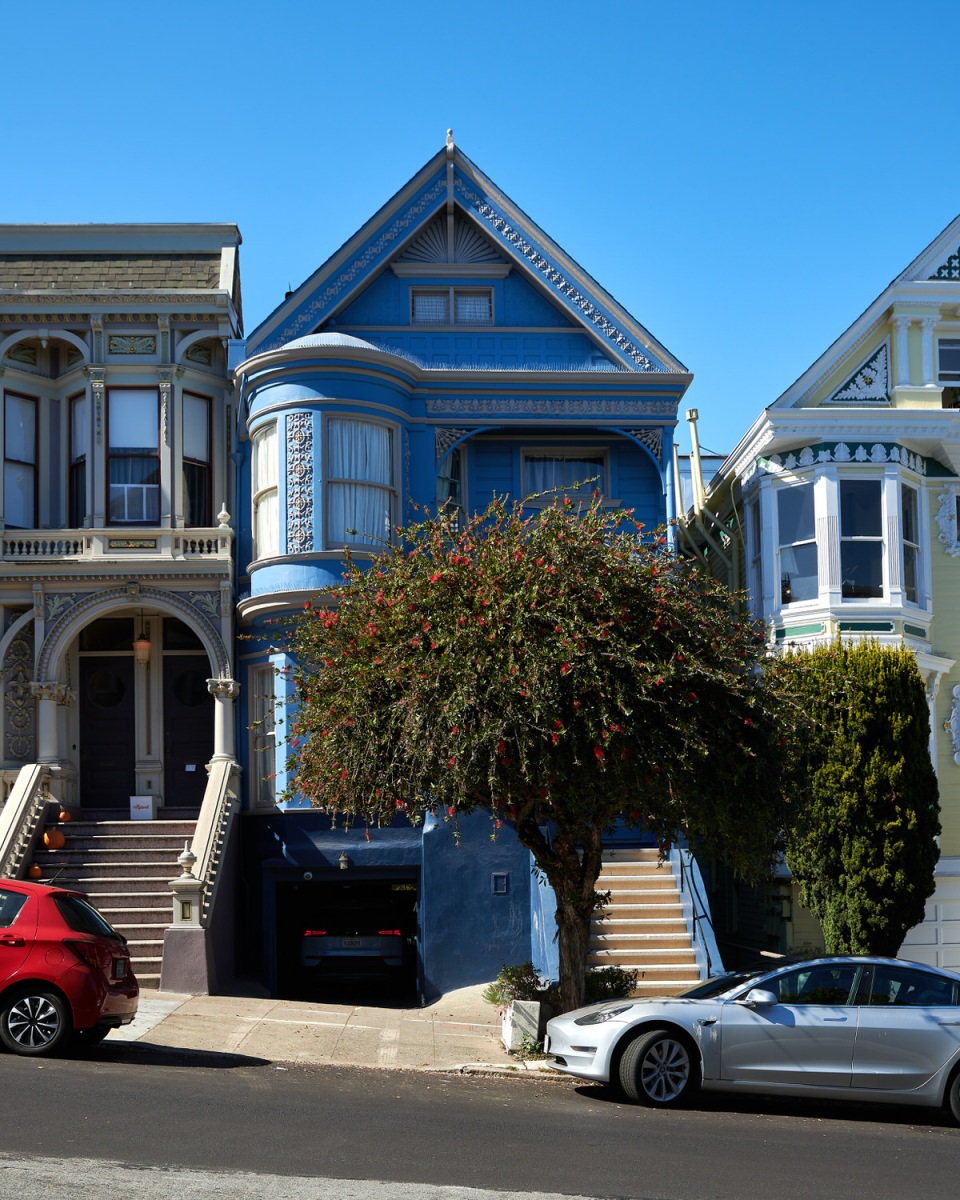
Then there are Haight-Ashbury and Alamo Square, where some of the most ornate houses I have ever encountered stand in improbable splendor, prompting you to wonder what extraordinary confluence of wealth, craftsmanship, and civic ambition allowed such architectural masterpieces to come into being.
And Russian Hill? Well, Russian Hill seems to have struck a rather perfect bargain with gravity itself, its steep streets, elegant homes, and sudden, cinematic glimpses of the bay making even an ordinary walk feel like an occasion.
Like any great city, San Francisco understands the importance of green space, and its geography gives it a rather extraordinary head start. Crissy Field is a perfect example, with its sweeping shoreline, open grassy stretches, and the Golden Gate Bridge standing proudly in the distance as the magnificent anchor of the entire scene. Nearby, the Presidio offers a welcome change of pace, its towering trees, winding trails, and historic buildings providing a sense of escape without ever leaving the city behind. Then there is Golden Gate Park, a world unto itself, with gardens, lakes, museums, and wooded paths that could happily occupy an entire afternoon. What makes these spaces so special is not simply their beauty, but how naturally they belong to San Francisco. They are not after thoughts squeezed between buildings, but essential parts of the city’s character, reminding you that urban life and natural beauty need not compete; in San Francisco, they seem to bring out the best in one another.
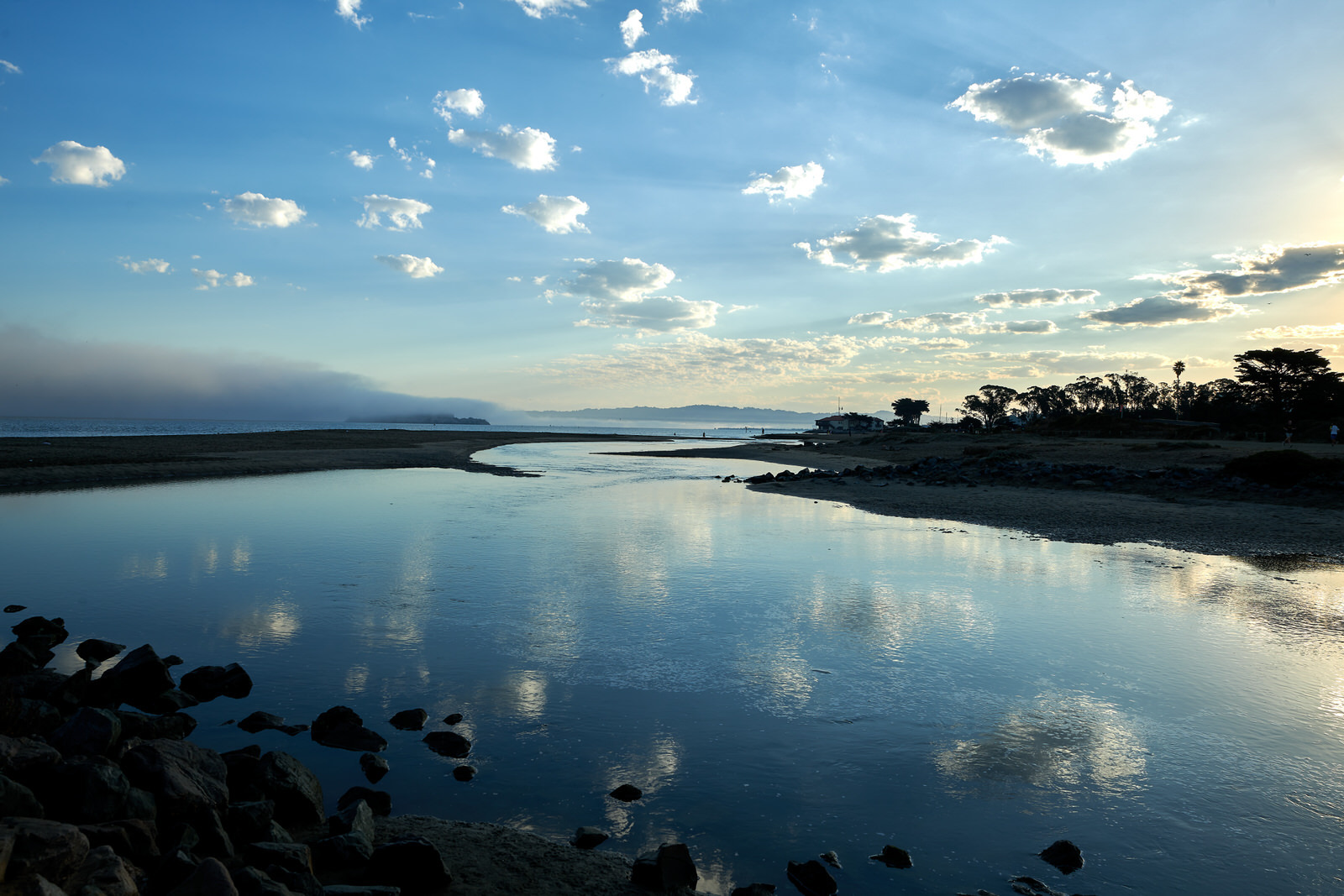
While many great cities share familiar traits, each has its own cultural markers, those distinctive little details that give it a personality all its own. San Francisco, once again, makes a rather compelling case for its individuality. Its colorful historic trams, painted in an array of cheerful hues, glide through the streets with an almost effortless charm, while the striking R-EVOLUTION woman sculpture near the Ferry Building adds a more contemporary flourish to the waterfront. Beyond these, public art appears throughout the city in murals, sculptures and unexpected architectural details, lending its streets a sense of playfulness and creative energy. It is this interplay between the historic and the modern, the grand and the quietly eccentric, that makes San Francisco feel so unmistakably itself.
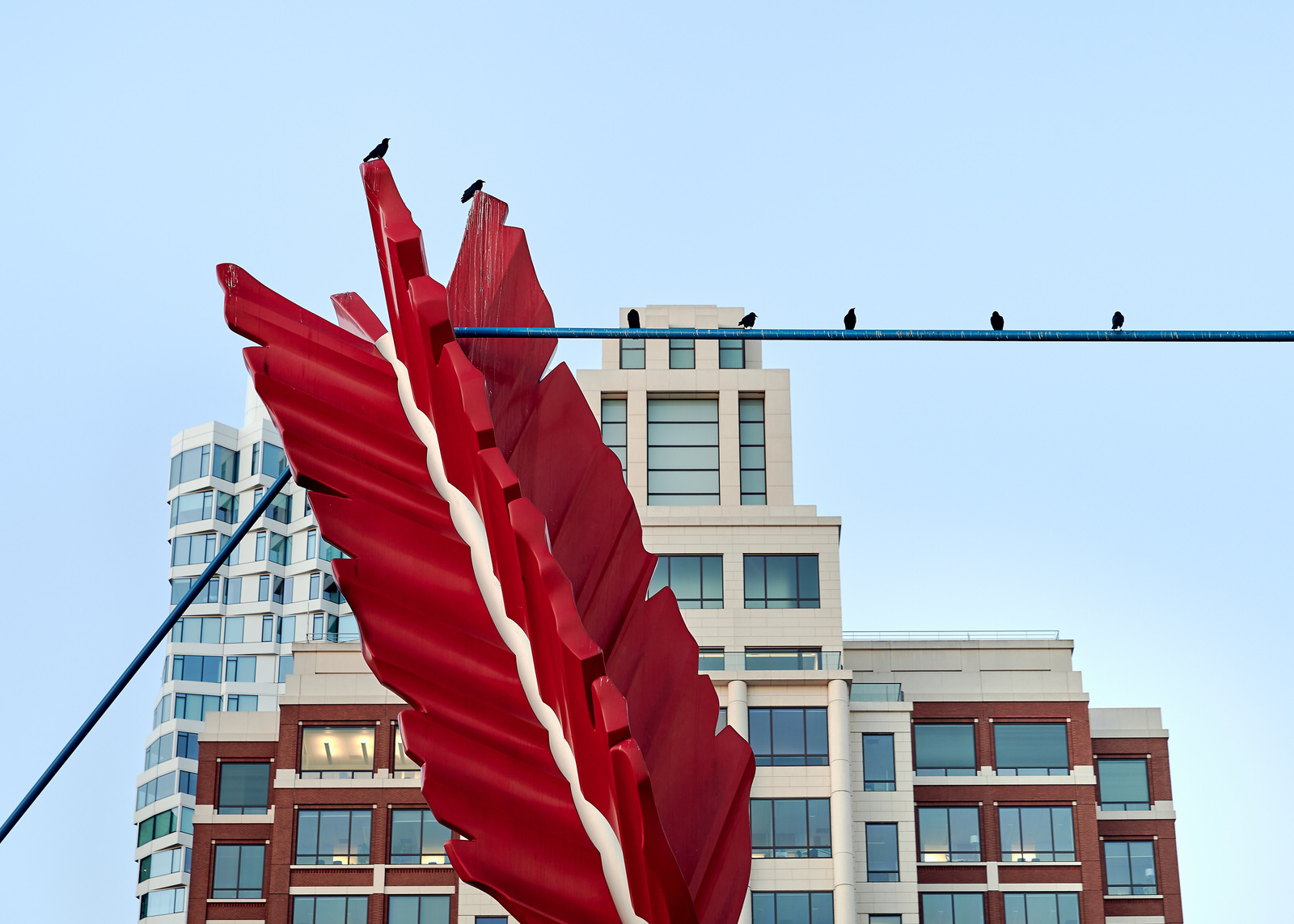
Up to this point, I have done little to conceal my affection for San Francisco, which is perhaps an occupational hazard of the short-term visitor. It is remarkably easy to fall in love with a city when you get to experience its finest streets, its finest views, and its finest pastries without having to worry about the practicalities of every day life. And I must admit, if I were relocating and money were no object, San Francisco would sit comfortably near the top of my list. But admiration need not require us to overlook a city’s shortcomings, particularly when so many of them feel frustratingly avoidable.
Chief among these is the stark inequality and visible homelessness that confronts you throughout the city. This is not a problem unique to San Francisco, nor is it one that the city alone can reasonably be expected to solve. Rather, it is a broader societal failure, one that has become particularly difficult to ignore in a place blessed with such extraordinary wealth. I am no stranger to homelessness in American cities, but the severity of the suffering I witnessed in San Francisco was among the most troubling I have encountered. People visibly struggling with addiction and mental illness, sometimes shouting at passersby or appearing deeply distressed, were a frequent presence in some areas of the city. Even the city’s otherwise commendable public transportation system, which I would wholeheartedly encourage visitors to use, occasionally presented uncomfortable situations, as we encountered people seeking shelter aboard the buses. It is difficult to reconcile a city of such beauty and opportunity with so much evident human suffering.
The contradiction becomes all the more jarring when you consider San Francisco’s extraordinary food scene. The city offers an enviable range of cuisines, from Italian and French to an impressive variety of Asian food, alongside cafés and bakeries capable of producing some of the finest pastries you will ever taste. Yet there is something deeply unsettling about enjoying one of the best pastries of your life while, just a few feet away, someone makes a makeshift home on the sidewalk. Here you are, in one of the wealthiest cities in one of the wealthiest countries in the world, confronted with the reality that prosperity and depreciation can exist almost literally side by side. Having spent time in Asia, where I encountered far less of this particular form of visible street homelessness, the contrast was especially difficult to ignore.
Ultimately, we, as Americans, must do better. We have allowed an extraordinarily wealthy and self-serving upper class to accumulate disproportionate power, shaping our politics and economy to serve their interests, while ordinary people bear the consequences. Their influence depends, in part, on our willingness to accept the status quo, abandon critical thought, and mistake the interests of the powerful for our own. San Francisco makes this contradiction painfully visible: a city overflowing with wealth and opportunity, yet unable to spare so many of its people from desperation on the streets. We ought to be angry, not at those suffering in plain sight, but at those with the power to change things and the incentive to leave them as they are. Until we learn to question the narratives we are fed, challenge those pulling the strings, and recognize how readily we are divided for their benefit, we will continue to admire the beauty of our citifies while tolerating the ugliness of the society beneath them.
Additional Thoughts
- I was surprised by how powerful San Francisco’s fog can be. It looks soft and gentle, but when it rolls in, the wind and temperature can change dramatically.
- We visited the Exploratorium, initially worried it might cater too much to children. Instead we were impressed by the depth and quality of the hands-on exhibits. Highly recommend.
- The food in San Francisco was consistently good, perhaps helped by the city’s cultural diversity. Ironically, our most expensive meal was also our least impressive, though still enjoyable. The access to healthy options was also great and something I hope the rest of the countries mimics.
- I had heard people in the Bay Area can be unfriendly, but that wasn’t our experience. San Francisco and Berkley felt laid-back and welcoming, especially compared to cities like New York and Chicago.


