Urban Melodies
Cities are places of wonder. They offer a sense of abundance, possibility, and discovery that is difficult to replicate elsewhere. Within a relatively small area, people encounter an extraordinary variety of experiences, ideas, cultures, and ways of life. Different backgrounds, traditions, and perspectives converge, creating an environment where the unfamiliar is always within reach. For those who crave novelty, cities provide an almost endless supply of it. A new restaurant, an unexpected conversation, a street musician, a neighborhood festival, or a small shop tucked between familiar storefronts can turn an ordinary day into something memorable. There is always something more to discover, and the knowledge that something unexpected might be just around the corner gives cities much of their magic.





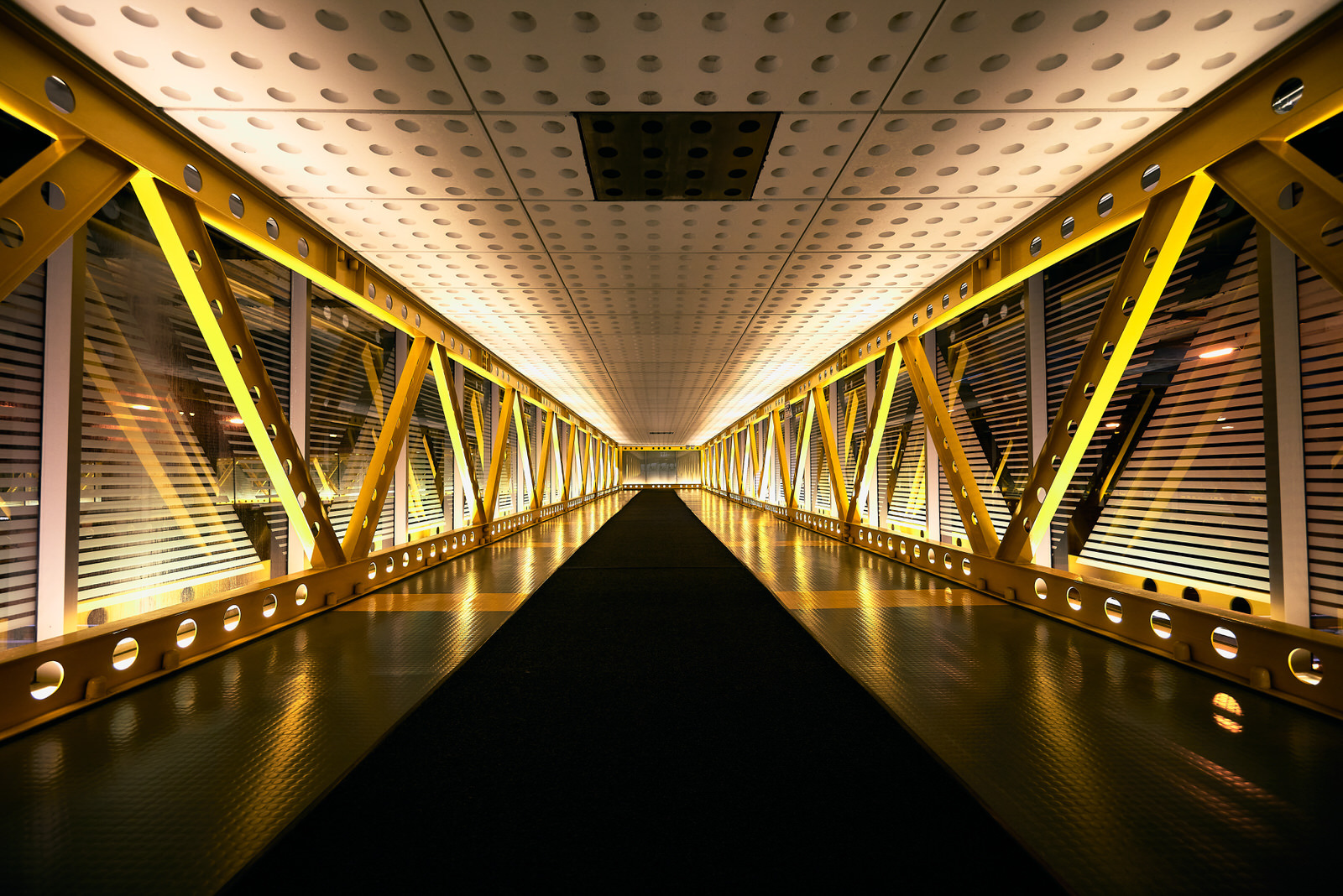



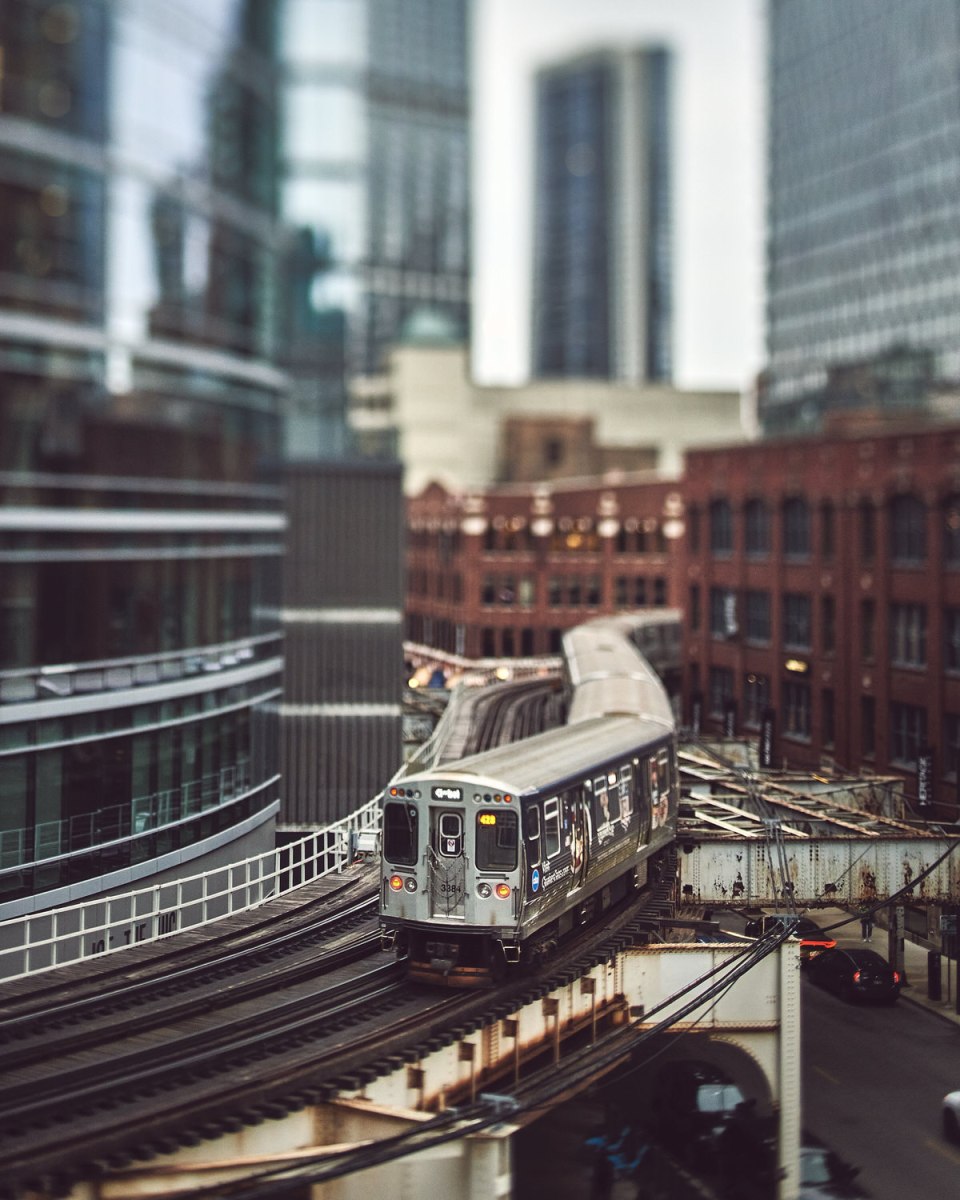

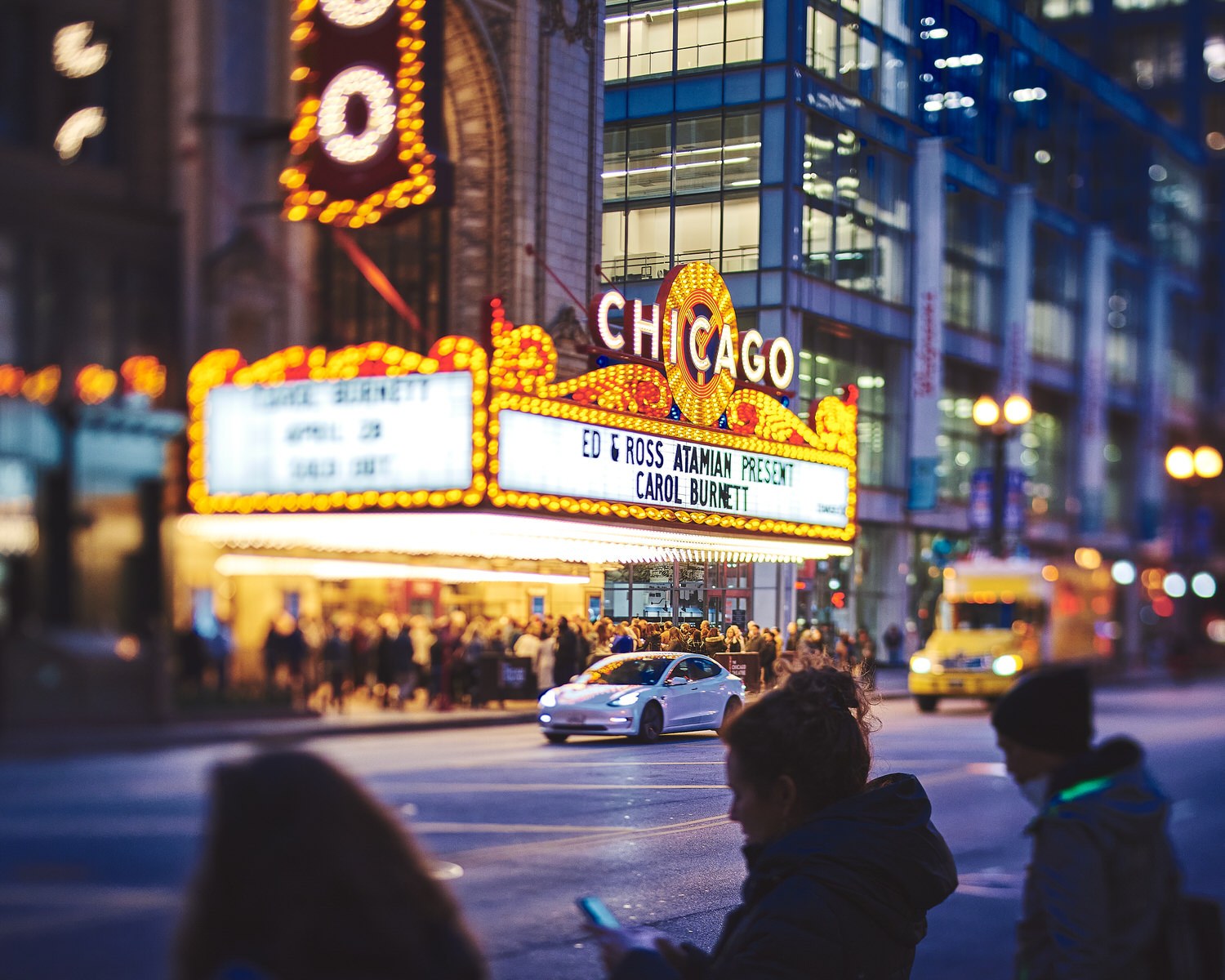


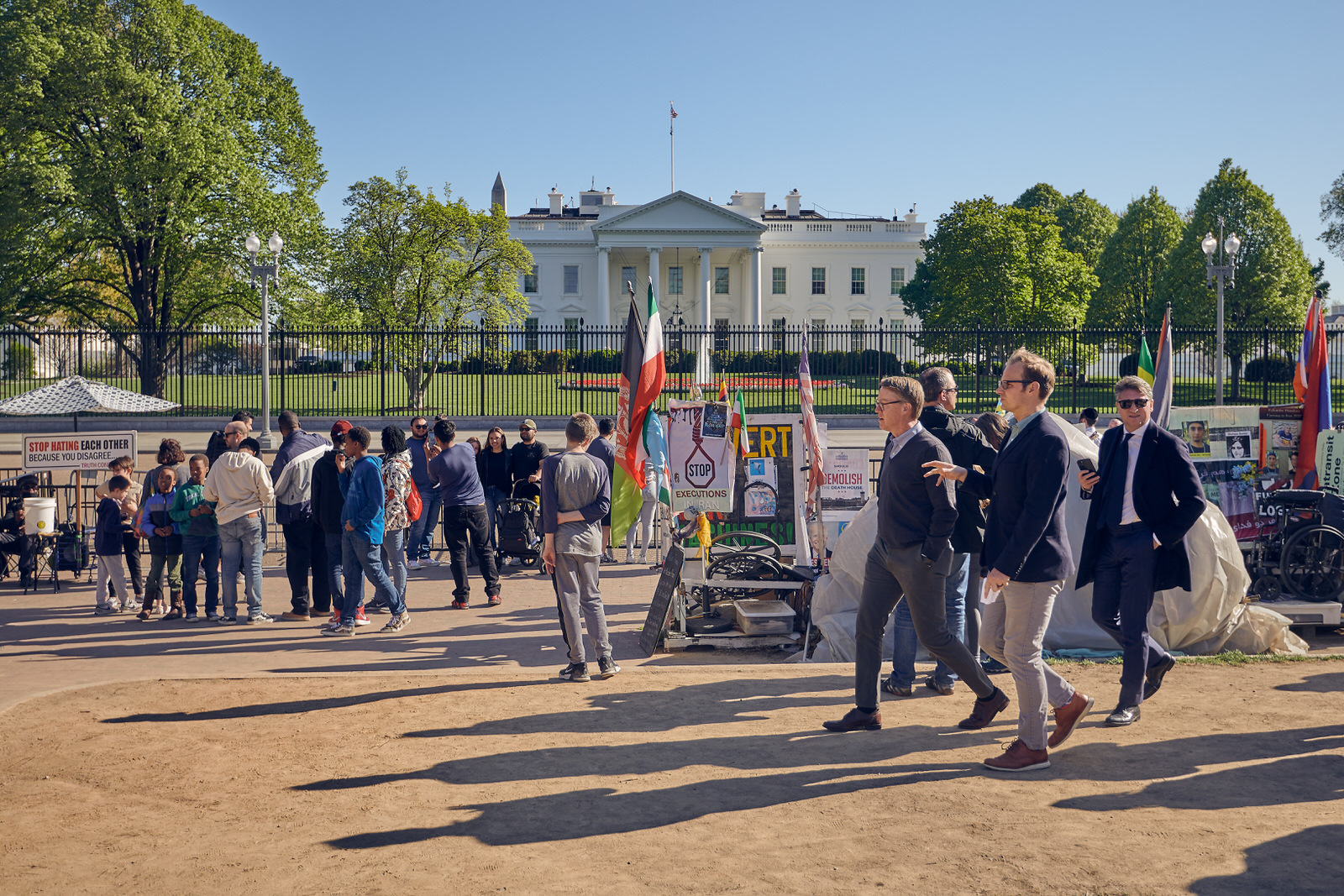
Beyond their cultural richness, cities can also be remarkably practical places to live. Many offer the ability to walk to work, visit a grocery store, meet a friend for coffee, or spend an afternoon in a park without needing to get into a car. Public transportation connects neighborhoods and expands access to jobs, education, and recreation. Libraries, museums, theaters, universities, and other cultural institutions create opportunities for learning and engagement that might otherwise be difficult to find. When these amenities are close together, everyday life becomes less about traveling between destinations and more about participating in the world around us. Time that might otherwise be spent commuting can instead be spent with family, pursuing a hobby, or simply enjoying the neighborhood.


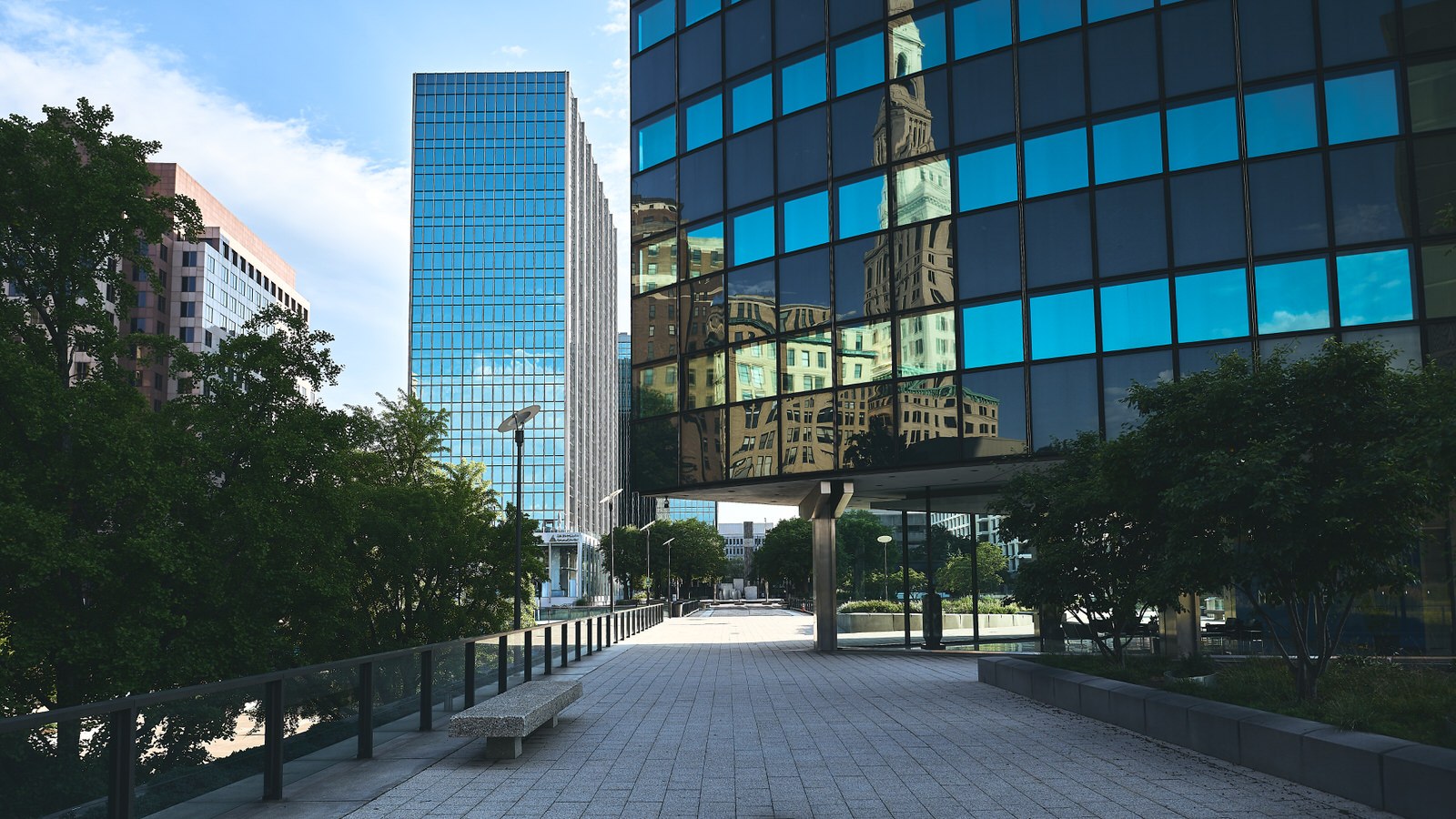
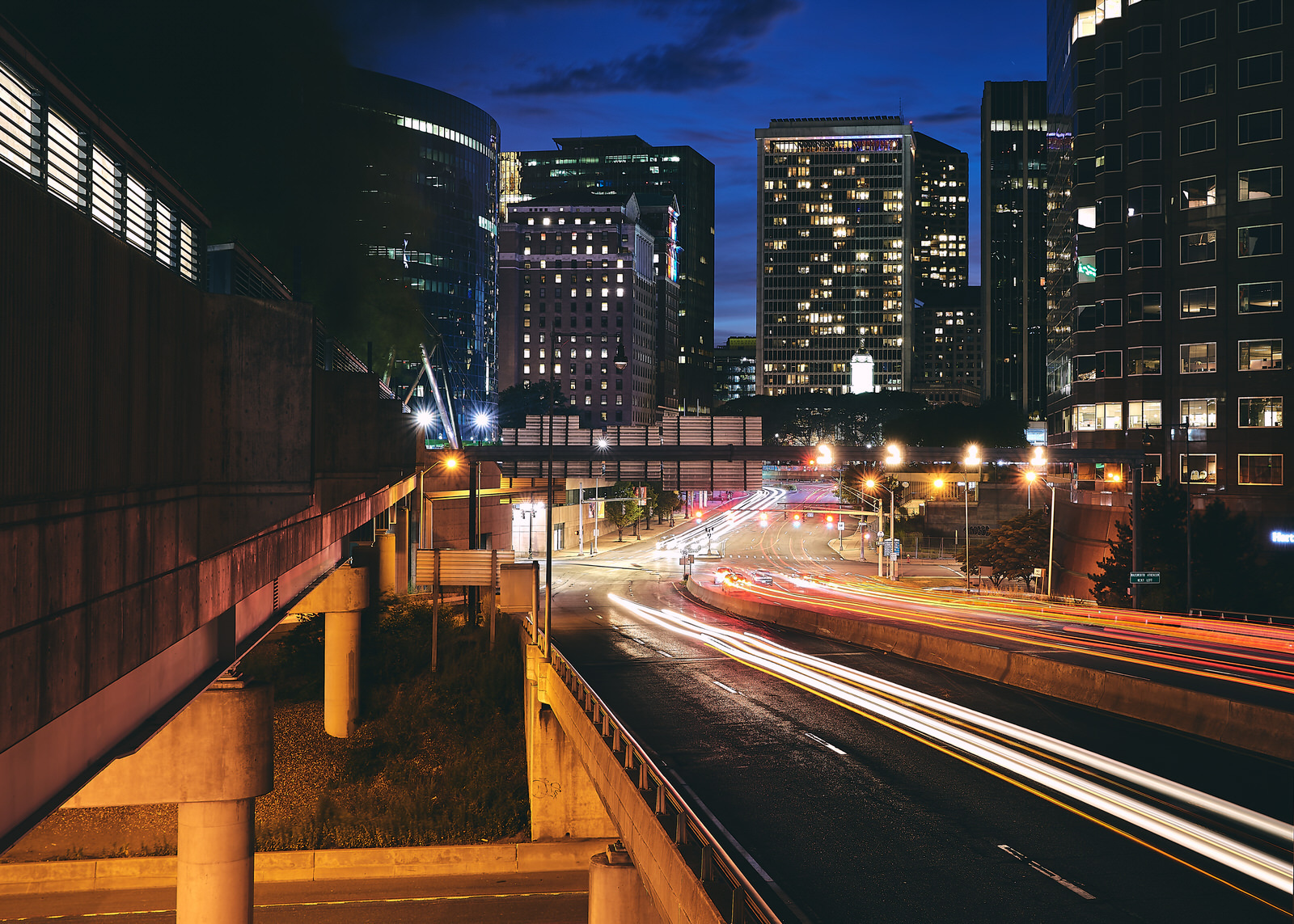
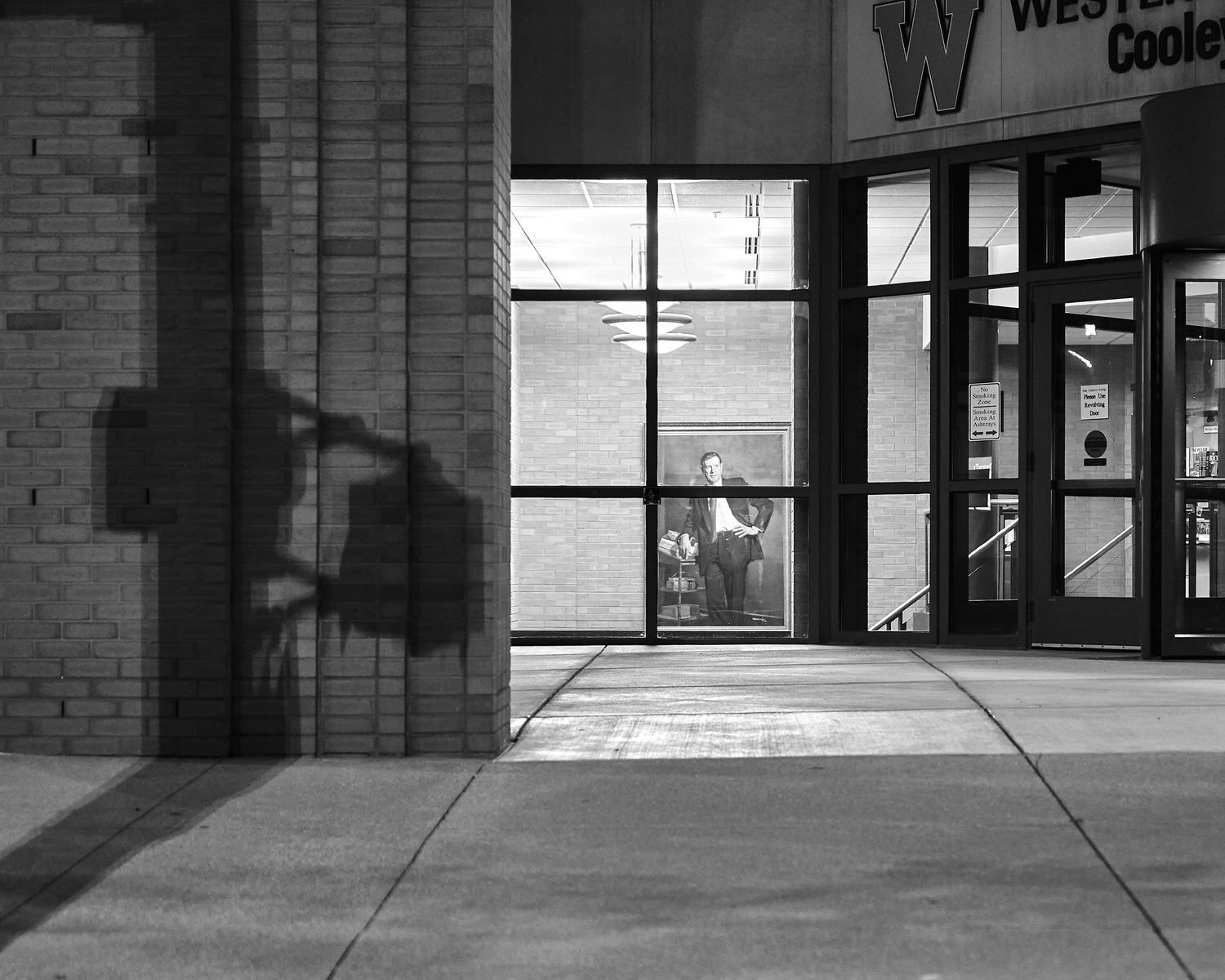
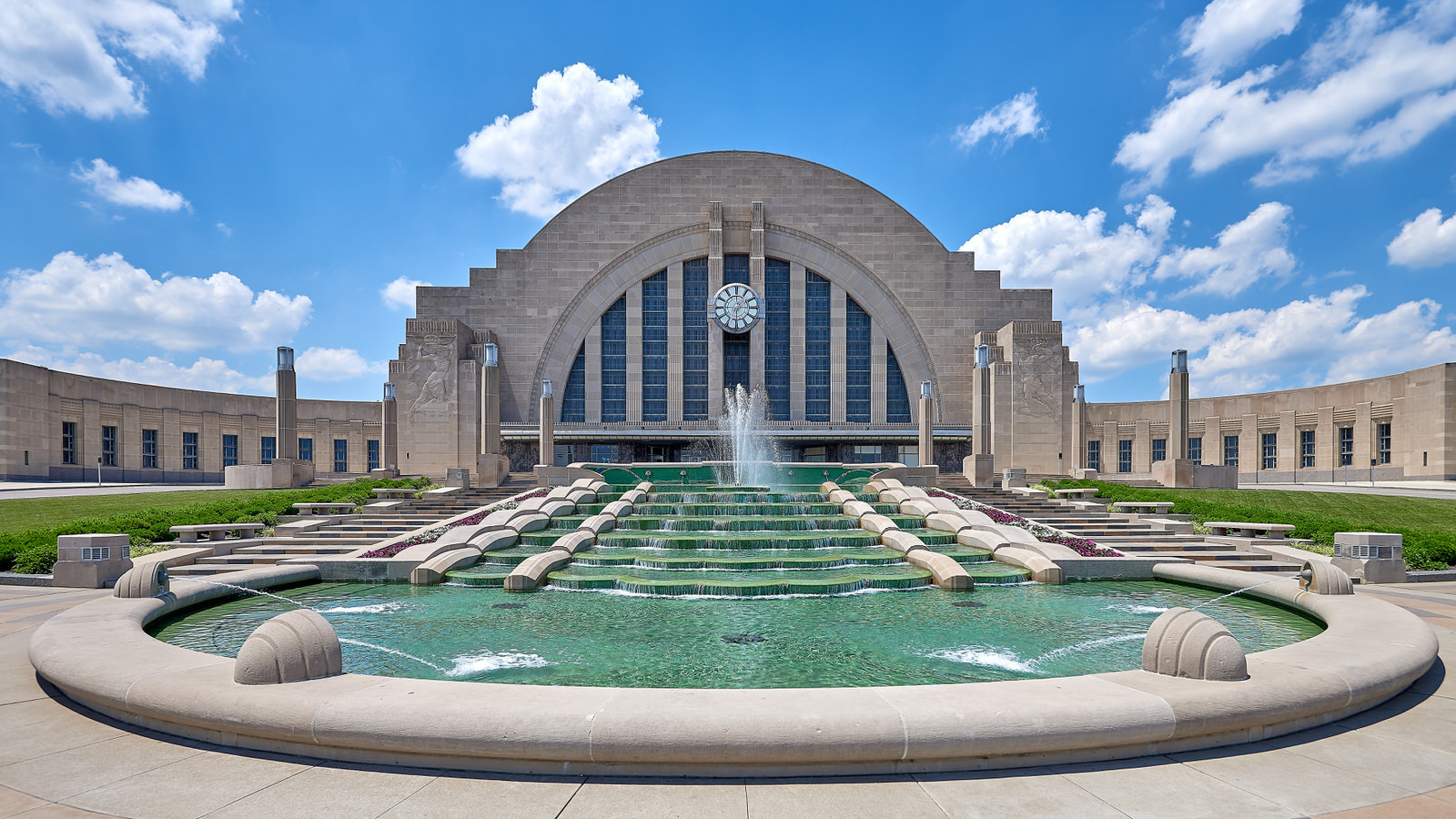




It is no wonder that so many people want to live in cities. They offer not only convenience but also connection: the opportunity to feel part of something larger than oneself. Even the simple act of walking down a busy street can create a sense of belonging to a shared human experience. Cities bring people into contact with one another, sometimes intentionally and sometimes by chance. They make it easier to encounter people whose lives differ from our own, challenging our assumptions and broadening our understanding of the world.


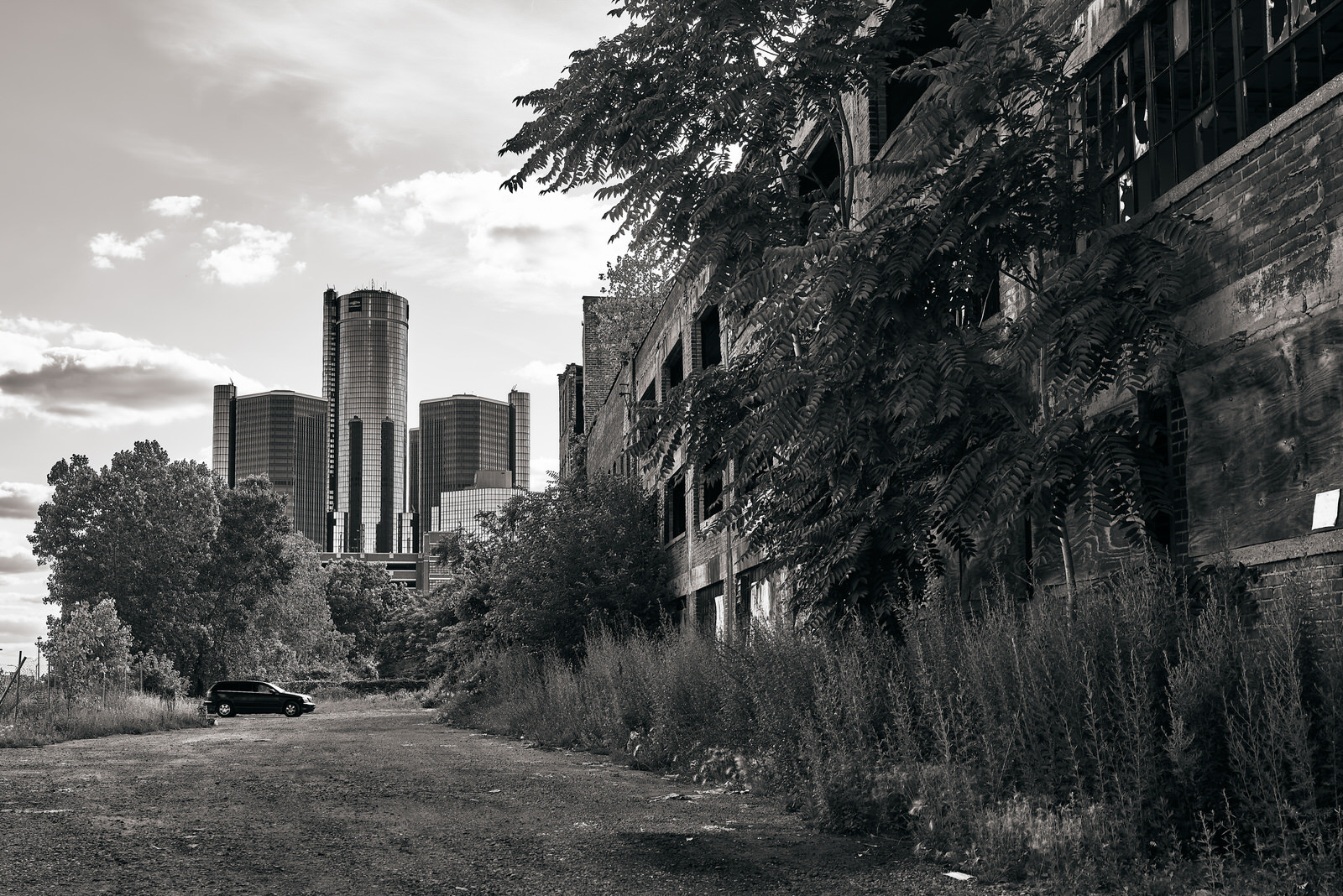
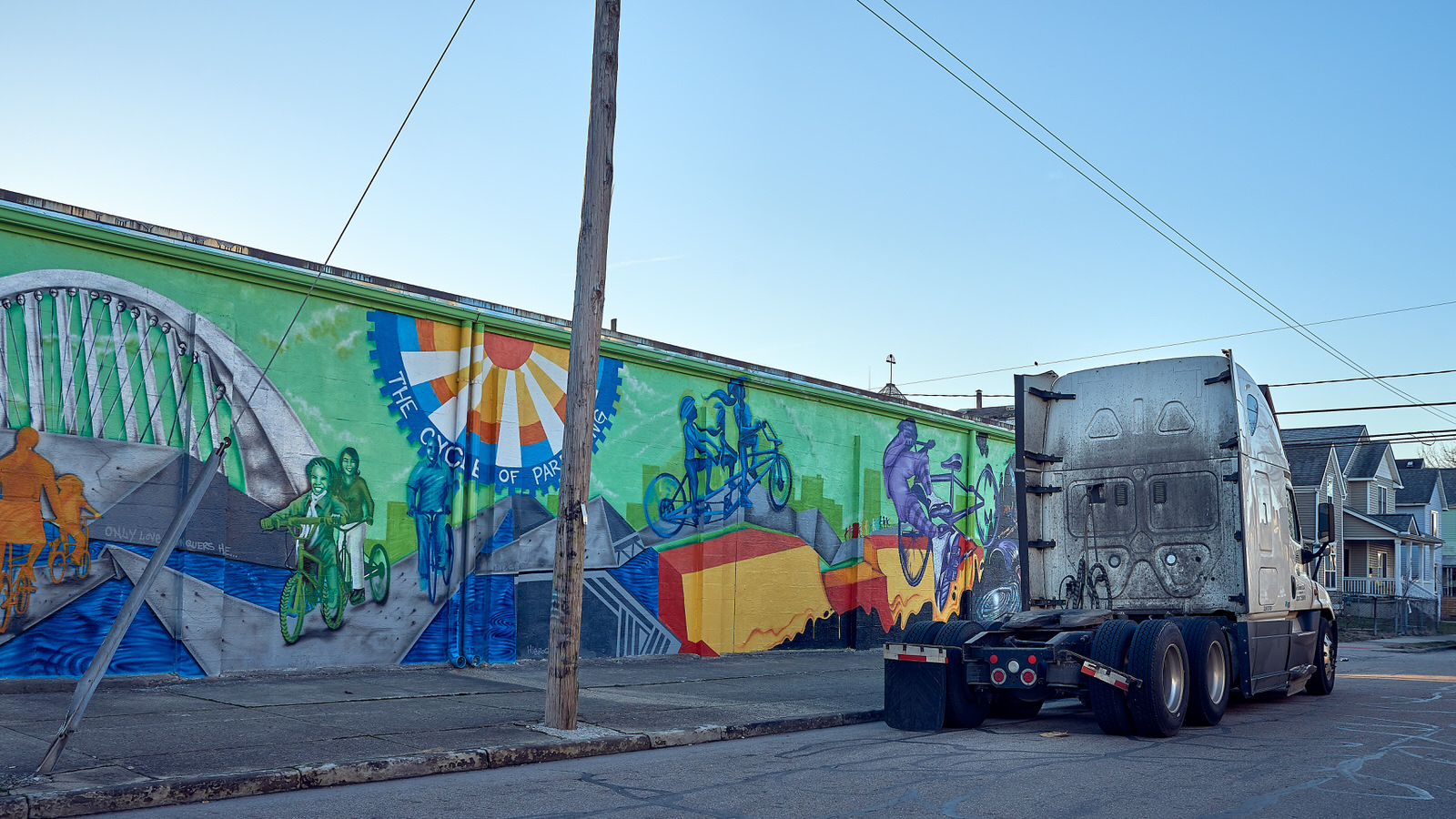

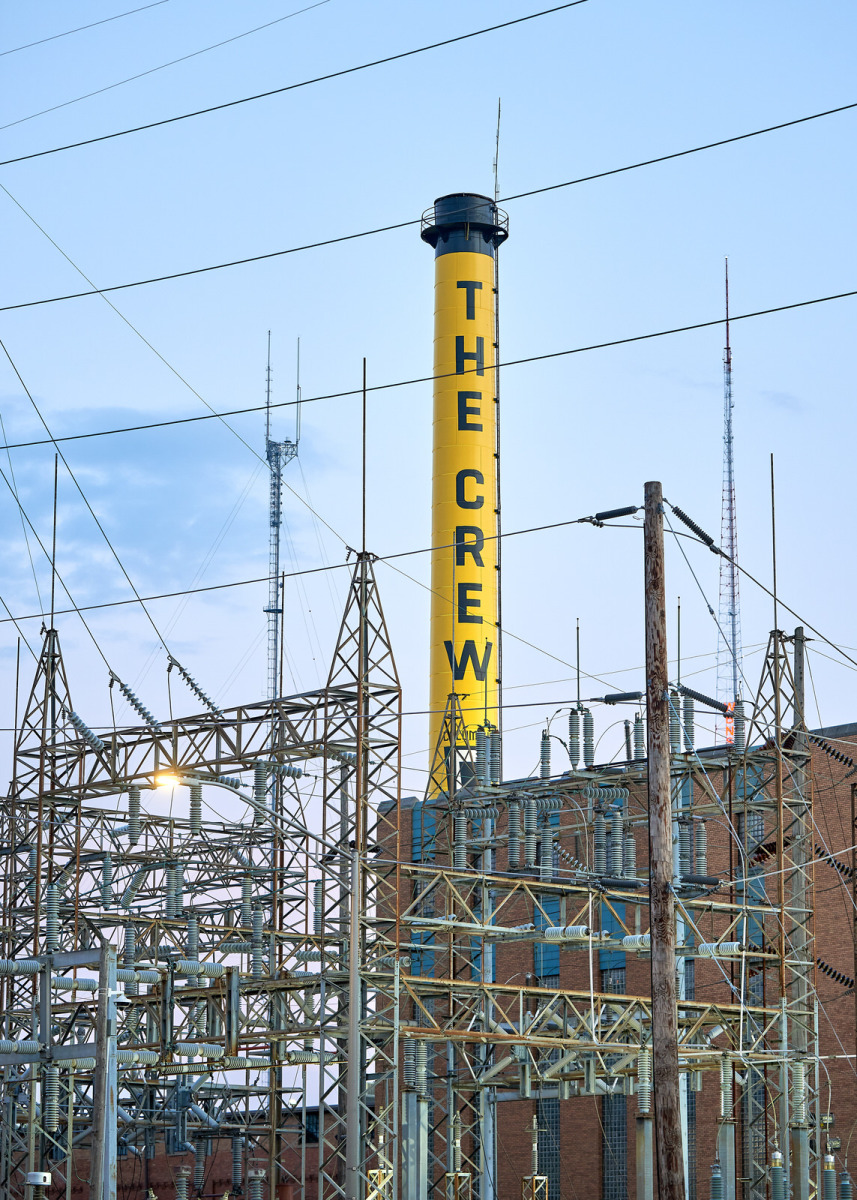
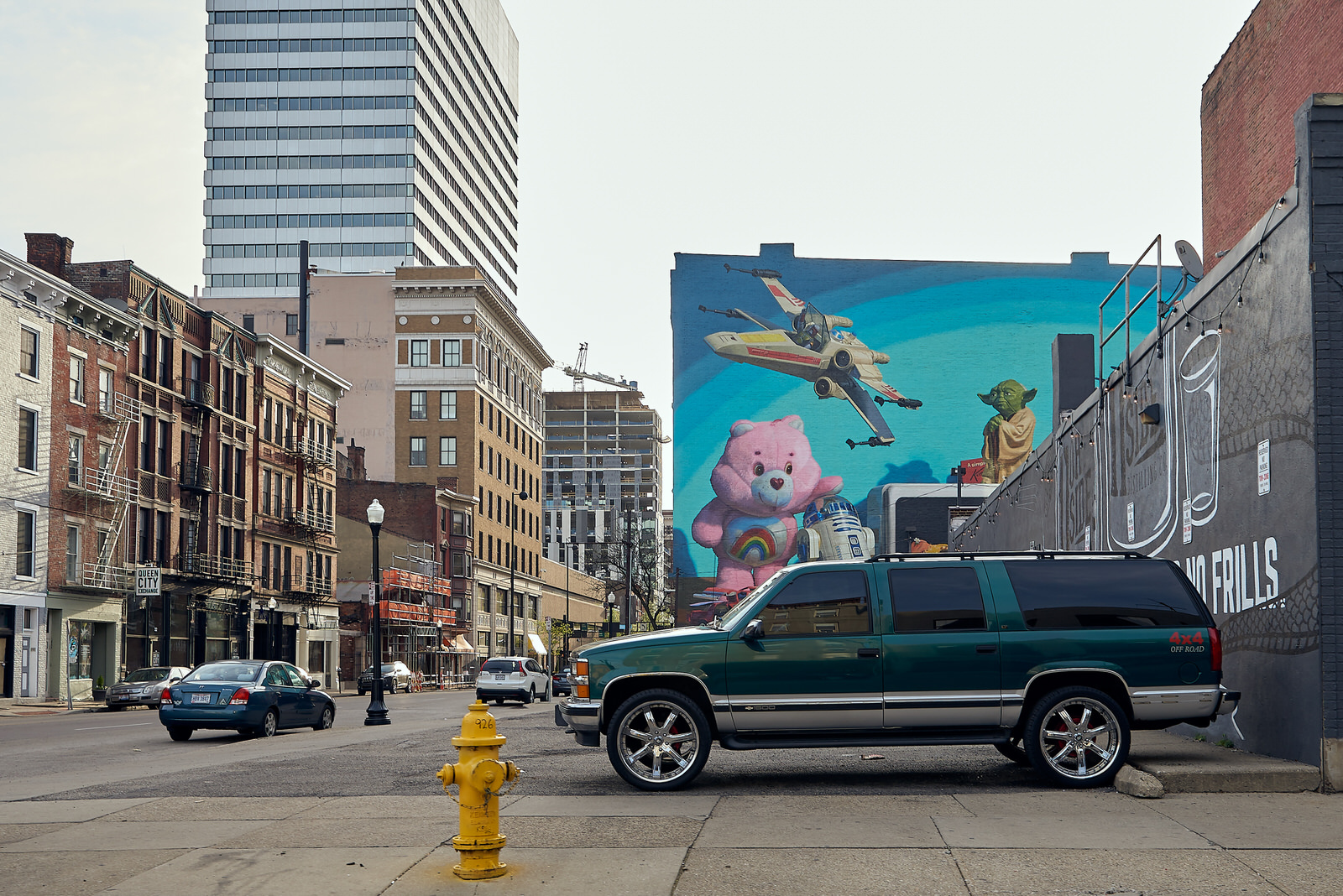
And yet, despite these advantages, we do not build enough cities—or, more precisely, enough places that capture what makes cities so appealing. In many desirable urban areas, housing prices have become extraordinarily high, placing the benefits of city life beyond the reach of many people who would like to experience them. The irony is striking: the places that can accommodate people most efficiently often become the places where only a relatively privileged segment of the population can afford to live.





Why is this the case? Cities can support far more people on a given amount of land than sprawling suburbs or rural developments. Apartments, townhouses, and mixed-use buildings allow homes, businesses, and public amenities to exist in close proximity. Shared walls, compact street networks, and concentrated development can reduce the amount of infrastructure required per person. A city can serve thousands of residents with a relatively small network of roads, water pipes, sewer lines, and electrical connections, while a low-density development may require miles of additional pavement and utility infrastructure to serve the same number of people. When residents can walk, cycle, or take public transportation, they can also reduce their dependence on cars, along with the costs, land consumption, and environmental impacts that come with them.




Of course, density alone does not guarantee affordability, sustainability, or a high quality of life. Cities require thoughtful planning, well-maintained infrastructure, accessible public spaces, and housing that meets the needs of people at different income levels. But the underlying potential is undeniable. By bringing people and activities closer together, cities can make more efficient use of land and resources while offering a richer range of opportunities. Why, then, do we so often make it difficult to build more housing in the very places where people most want to live? Why do we allow scarcity to drive prices upward when greater abundance could make urban life accessible to more people?




The answers reveal something important about the relationship between cities and the societies that create them. Cities do not simply emerge from economic forces or develop according to neutral planning principles. They are shaped by laws, political decisions, cultural expectations, and the competing interests of the people who live in them and beyond their borders. Housing prices, transportation networks, public spaces, and neighborhood boundaries are all, to some extent, reflections of collective choices. What we build—and what we choose not to build—says something about what we value and who we are.