The Eastern Light
There is something intoxicating about Asia, an overwhelming density of life that seems to engage every sense at once. The streets pulse with movement, color, sound, and energy, creating a visual rhythm that is impossible to ignore. There is an abundance of detail everywhere you look: layers of architecture, tangled networks of overhead wires, glowing signs, bustling markets, and people moving through the landscape with an effortless sense of purpose. It is a place where the ordinary becomes extraordinary simply through the sheer volume of life unfolding around you. For a photographer, it is an endless invitation to look closer, to find beauty in the chaos, and to embrace the unexpected.


Perhaps one of the greatest pleasures of exploring Asia is the architecture. Unlike so many cities where development has become increasingly standardized, its urban landscapes retain a remarkable sense of individuality. Buildings seem to tell their own stories, often existing in delightful contradiction with the structures beside them. Modern towers rise above centuries-old temples, narrow storefronts give way to unexpected courtyards, and seemingly unremarkable alleyways reveal extraordinary architectural discoveries. There is a sense that every turn holds a surprise, that the city has not been designed to conform to a singular aesthetic but has evolved organically over generations. This architectural unpredictability gives each neighborhood its own personality and makes wandering an act of discovery.


The culinary traditions of Asia are equally captivating, rooted in histories that stretch back generations and shaped by geography, culture, trade, and ritual. Food here is so much more than sustenance; it is an expression of identity and an invitation to experience a place through its flavors. The aromas of street stalls, the complexity of regional spices, the delicate balance of sweet, sour, salty, and bitter, and the care devoted to even the simplest dishes create an extraordinary sensory experience. Every meal feels connected to something larger, whether a family tradition, a regional specialty, or a centuries-old technique. Eating becomes another way of exploring, and often one of the most memorable ways of understanding a culture.


There is also something deeply beautiful about the way public spaces are embraced as extensions of everyday life. Parks, plazas, sidewalks, and waterfronts become gathering places where communities come together not simply to pass through, but to participate in life. At sunrise, groups gather for tai chi, dance, and communal exercise. Later in the day, open spaces become places for conversation, recreation, performance, and shared meals. Strangers move together in synchronized routines, older generations pass traditions to younger ones, and the boundaries between private and public life seem wonderfully fluid. These spaces reveal a different understanding of the city: not merely as a place to live and work, but as a place to belong.


The walkability of Asian cities is another gift, offering an intimacy with the urban environment that is increasingly difficult to find elsewhere. So much of a city’s character reveals itself only on foot. A short walk can carry you from a bustling commercial district into a quiet residential lane, past a neighborhood temple, through a crowded market, and into a hidden garden or unexpected café. There is a freedom in being able to follow curiosity without a predetermined destination. You notice the small gestures, the fleeting expressions, the textures of everyday life, and the subtle interactions that give a place its soul. Walking allows the city to unfold at its own pace, and in doing so, transforms exploration into a deeply personal experience.


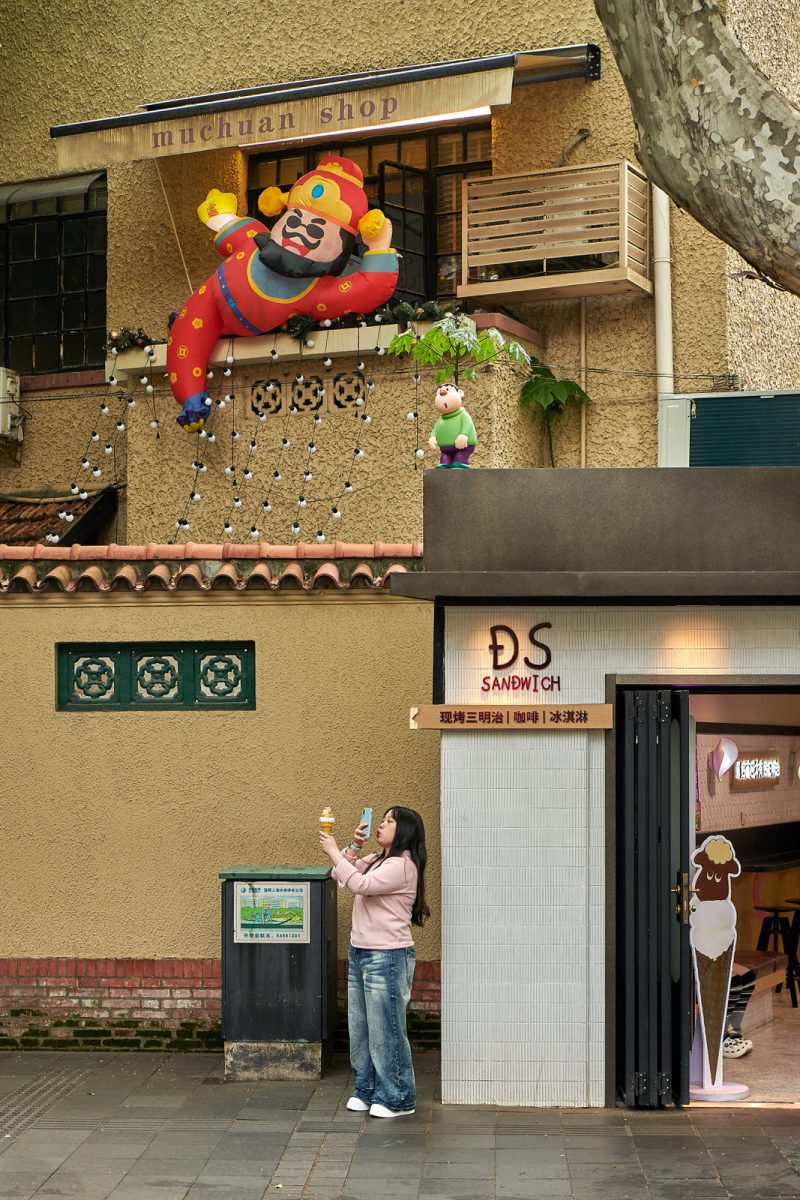
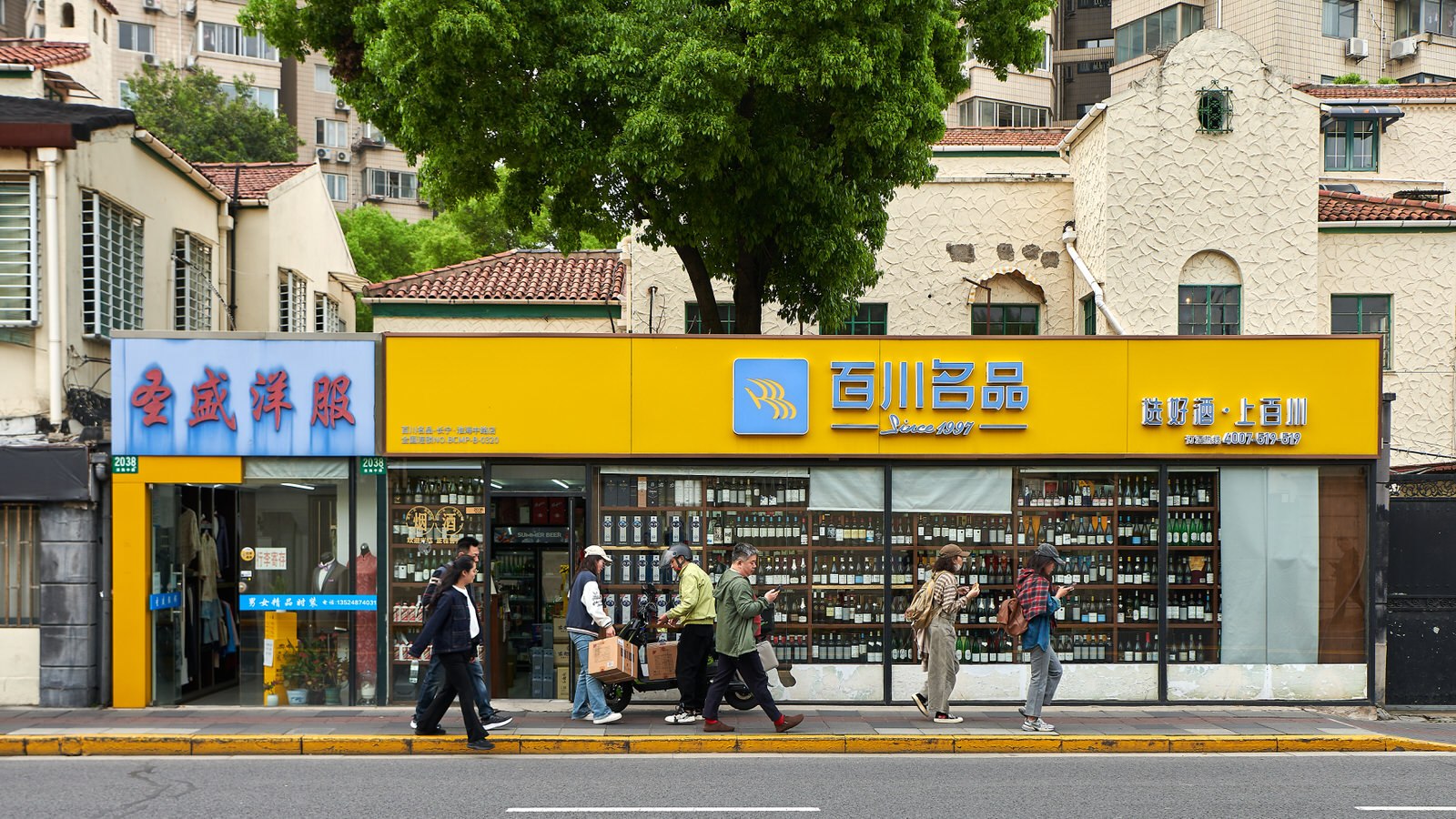


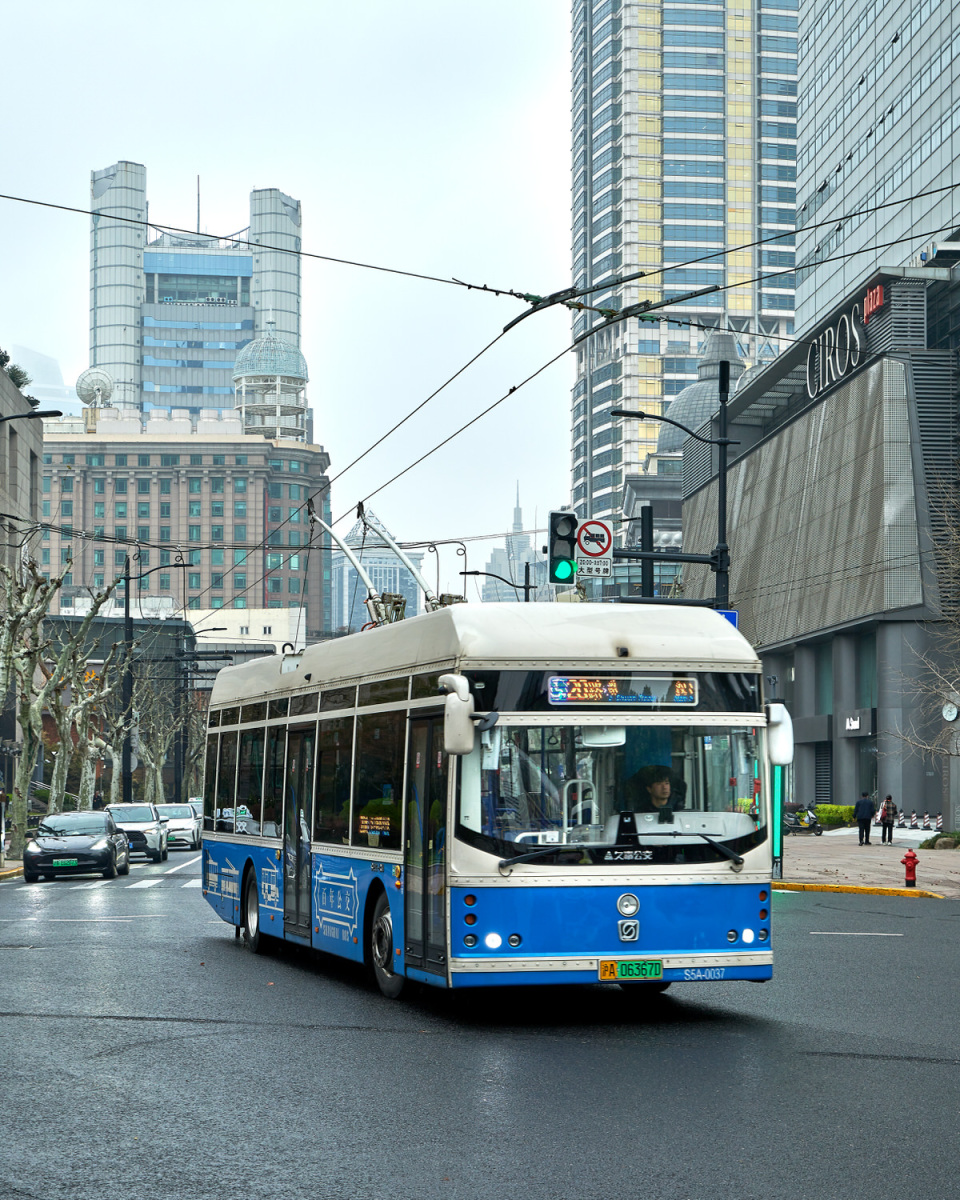


Equally striking is the apparent respect for shared surroundings. In many of the places encountered, there is a visible sense of civic pride reflected in the care people take with their streets, buildings, and public spaces. There is often remarkably little litter or graffiti, and a collective awareness of the importance of maintaining an environment that everyone shares. This consideration extends beyond the physical landscape to personal presentation and behavior. People take pride in how they dress, how they carry themselves, and how they interact with others. It creates an atmosphere in which respect is communicated through countless small, everyday actions. These observations are not universal, of course, but where this sensibility is present, it is both refreshing and inspiring.


The public transportation systems are another marvel, reflecting an impressive understanding of how cities can function efficiently at an extraordinary scale. Trains, subways, buses, and high-speed rail networks connect neighborhoods, cities, and entire regions with remarkable precision. They are often clean, intuitive, affordable, and astonishingly reliable, allowing millions of people to move through their days with a sense of ease. There is something beautiful about the choreography of it all: the quiet order of a crowded platform, the seamless transfer between lines, the steady rhythm of trains arriving and departing. Public transportation does more than move people; it creates access, encourages exploration, and makes the vastness of these cities feel wonderfully navigable.


And then there is the history, perhaps the most humbling dimension of all. Across Asia, historical sites possess a profound sense of scale and permanence, reminding us that the present is only a small chapter in a much longer human story. Ancient temples, imperial palaces, sacred shrines, monumental walls, and centuries-old streets stand as physical connections to civilizations whose influence continues to shape the world. To walk through these places is to experience a kind of awe that transcends architecture or photography. They invite reflection on the passage of time, the endurance of culture, and the extraordinary achievements of generations before us. Asia is, ultimately, a place of endless contrasts: ancient and modern, chaotic and harmonious, intimate and immense. For a photographer, it offers far more than beautiful images. It offers perspective, inspiration, and a renewed appreciation for the richness of the human experience. It is a place that stays with you long after you have left, quietly calling you back to look again.


“To understand another culture requires more than observing its customs; it requires questioning the assumptions of your own.”