Countryside Impressions
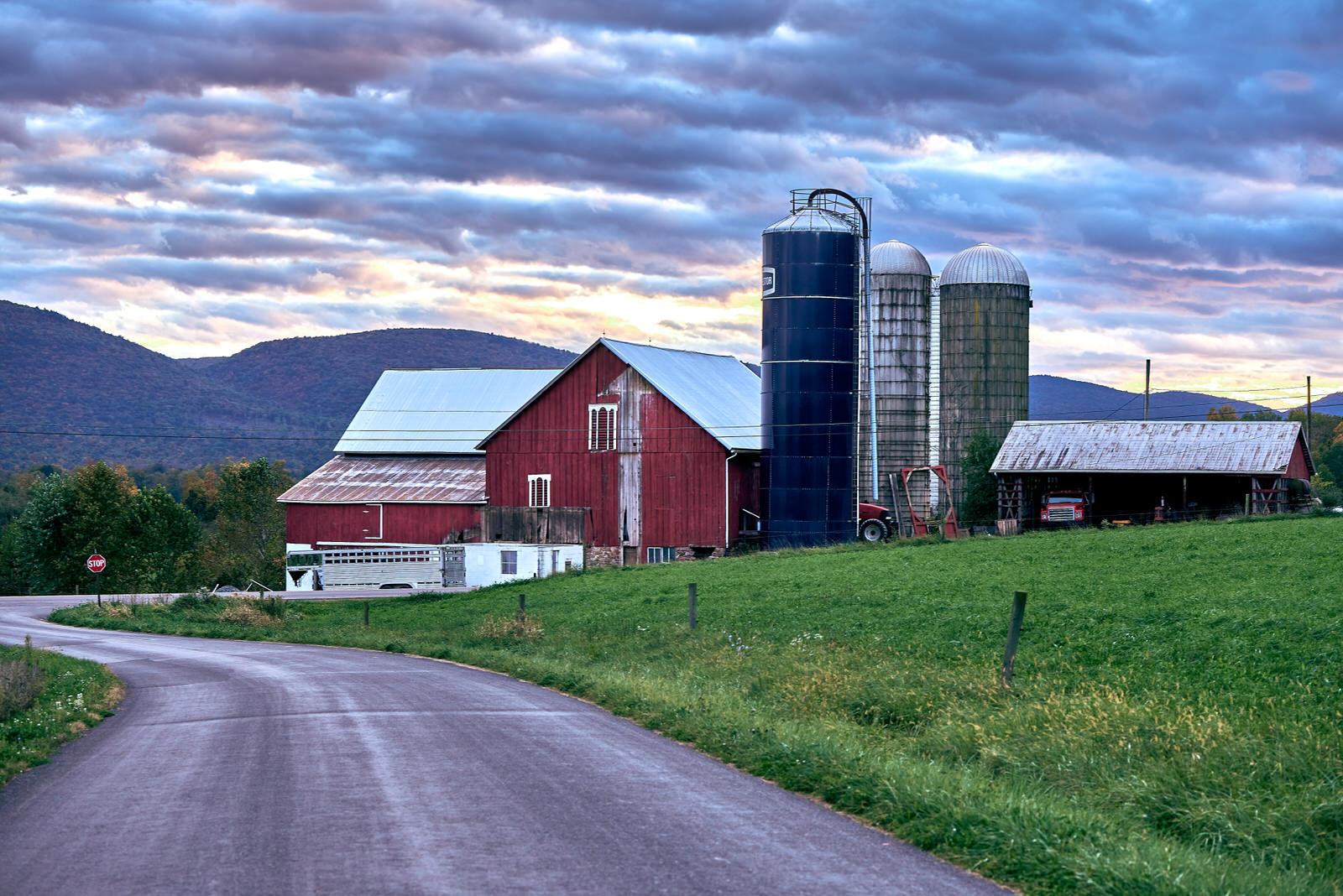
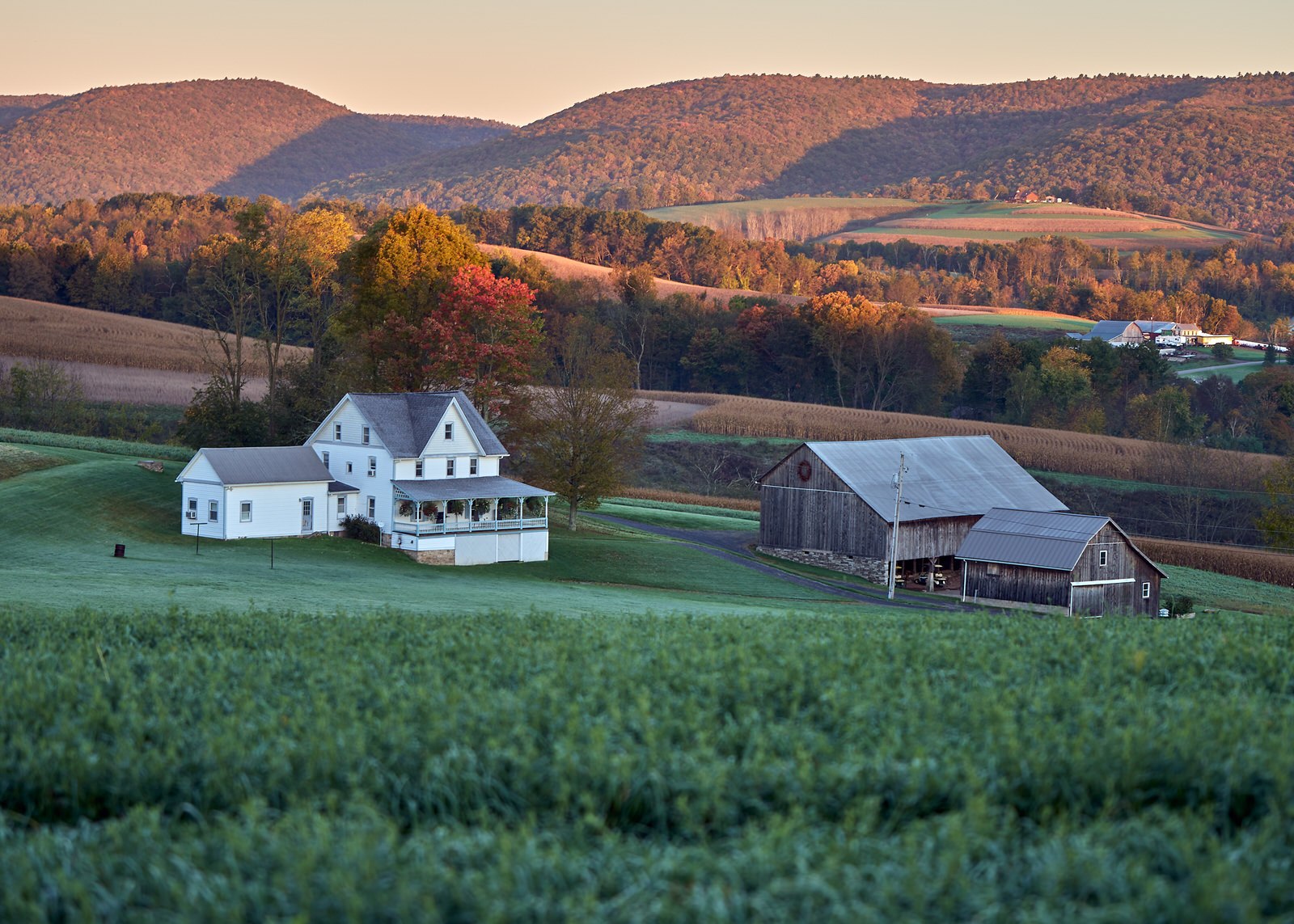
There is a timeless beauty in the relationship between man and the land, a connection shaped by generations of work, patience, and an understanding of the natural world. Across the countryside, farms exist as living landscapes, where the rhythms of the seasons dictate the pace of life and the earth provides both a livelihood and a sense of belonging. Here, the land is more than a backdrop; it is a constant presence, deeply woven into the lives of those who tend it. Its fields, winding lanes, weathered barns, and open horizons tell stories of resilience, continuity, and an enduring bond between people and the places they call home.
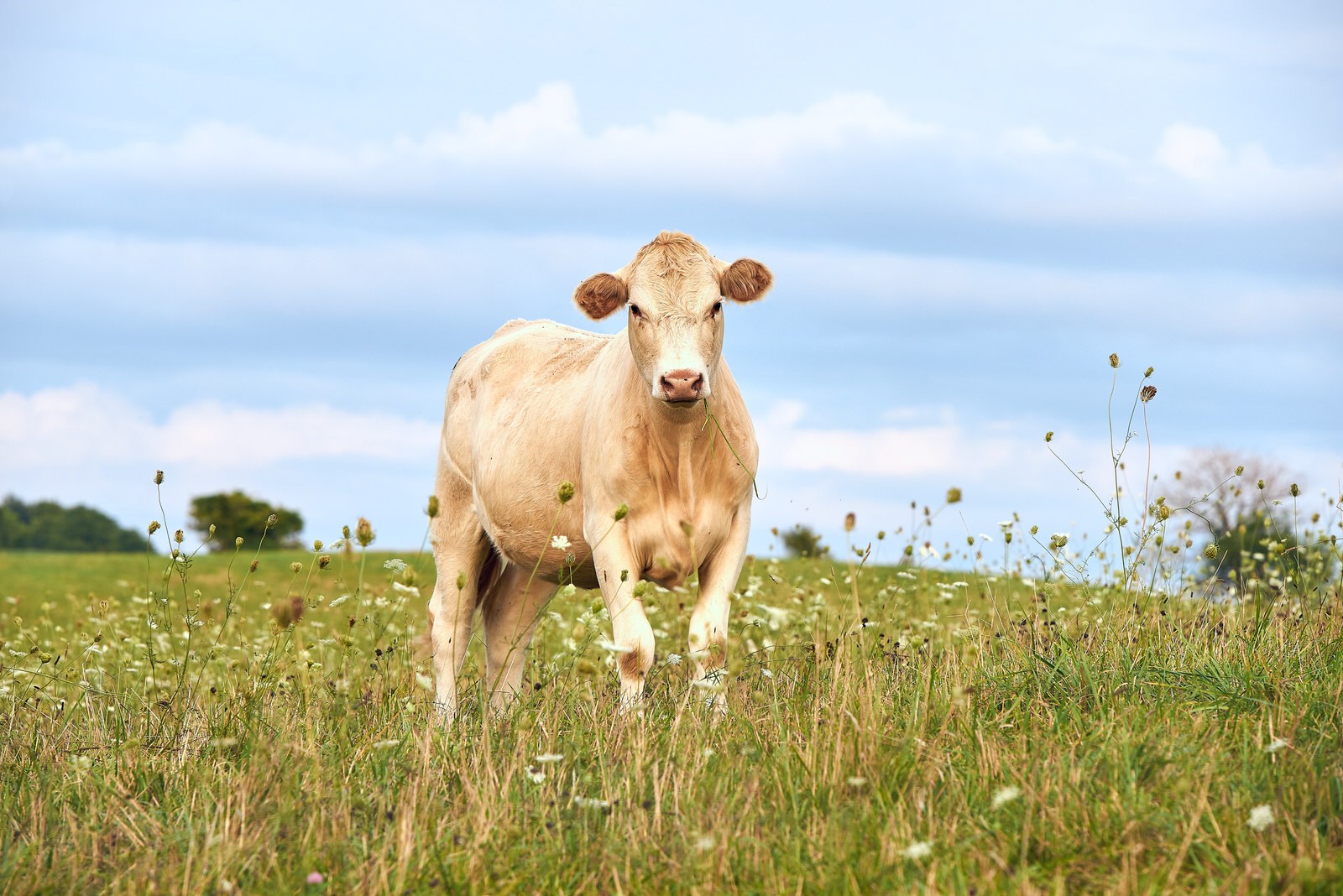
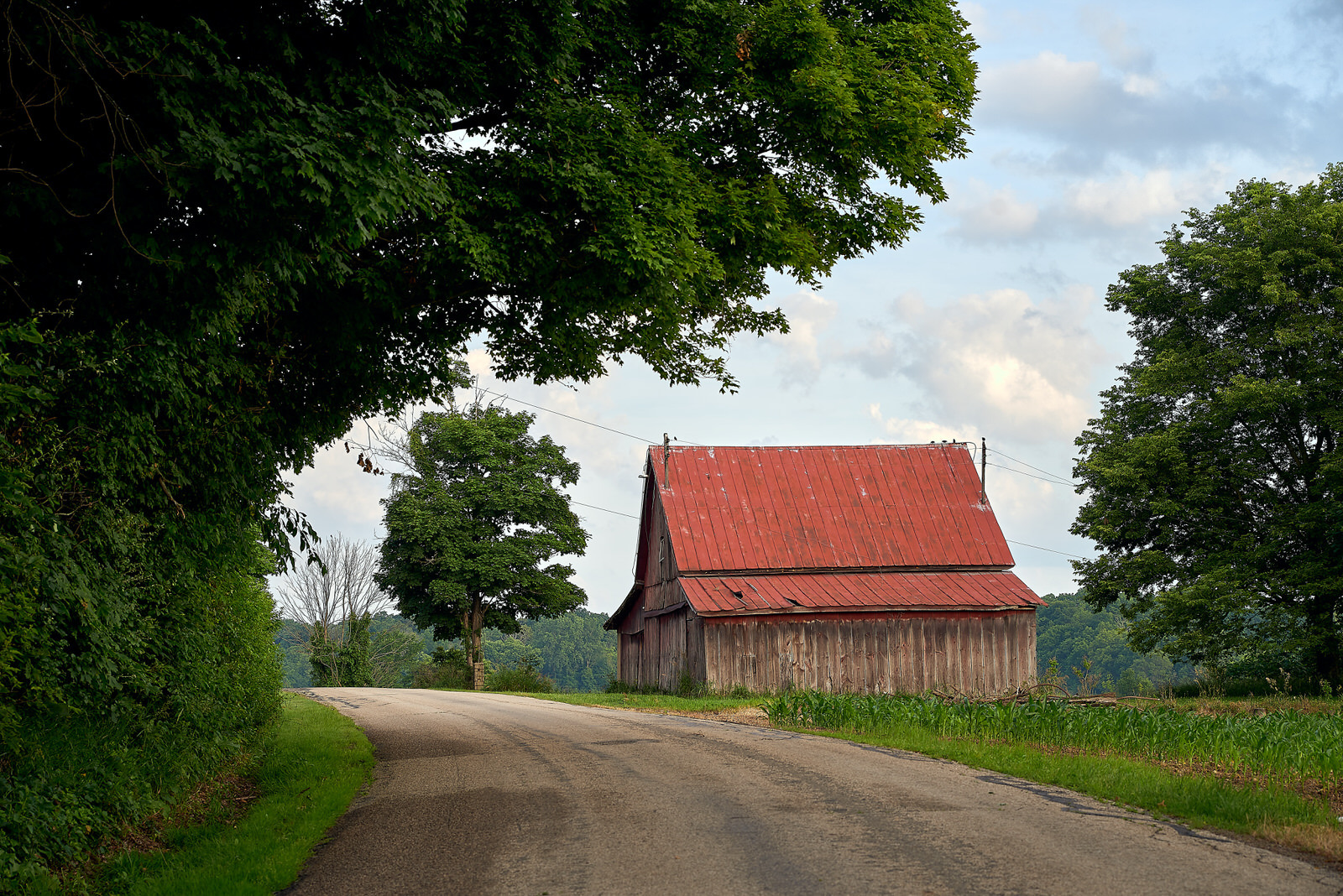
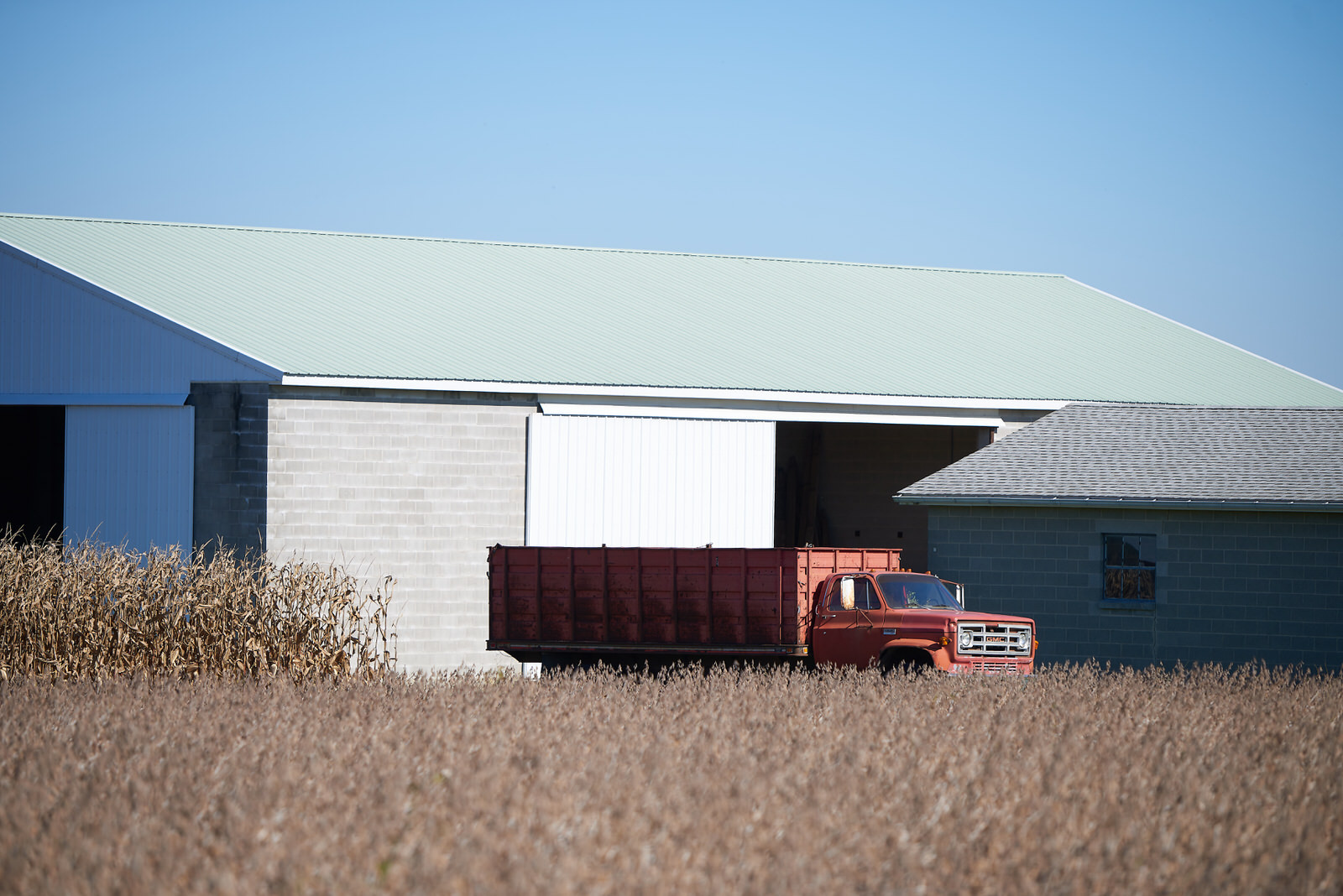
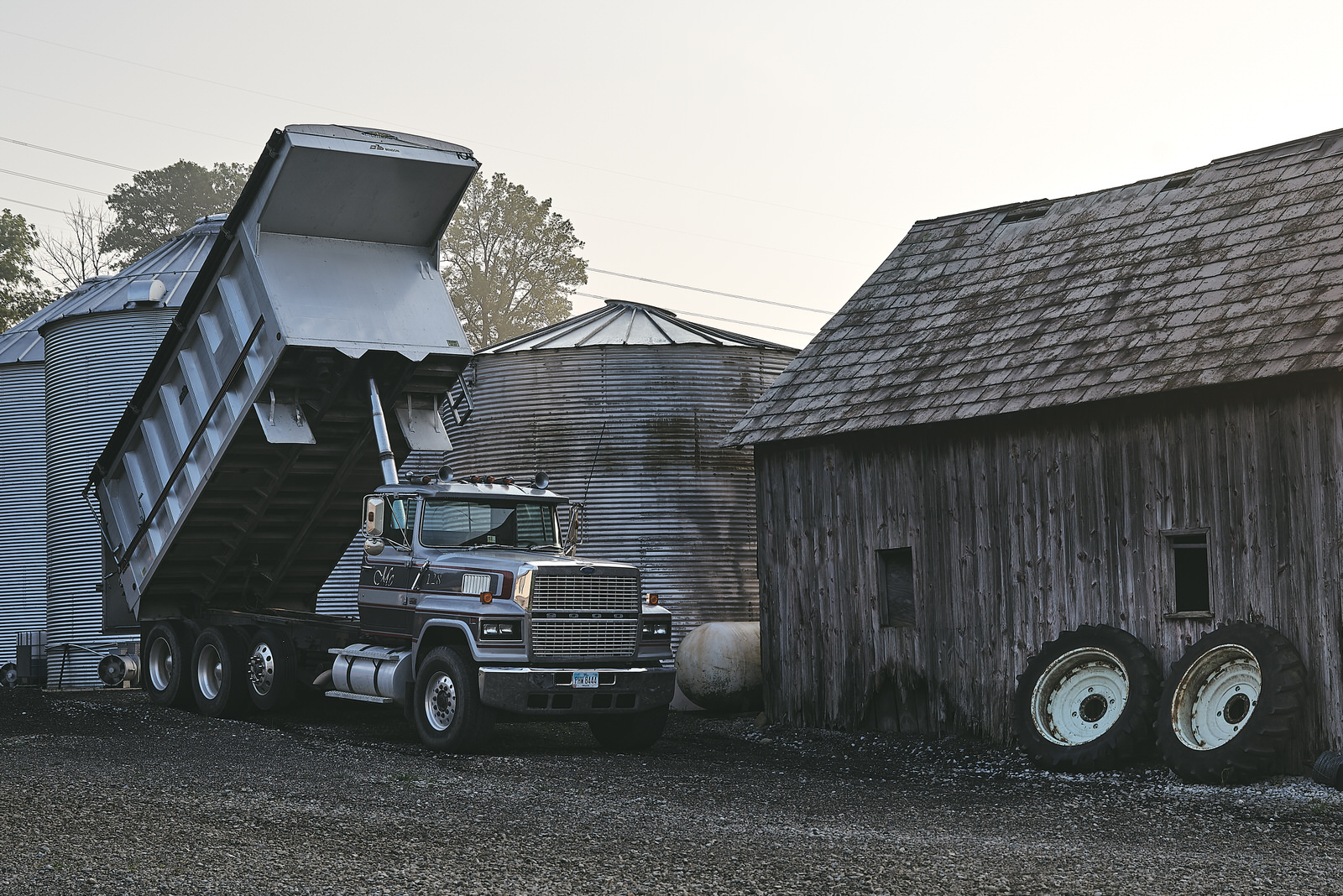
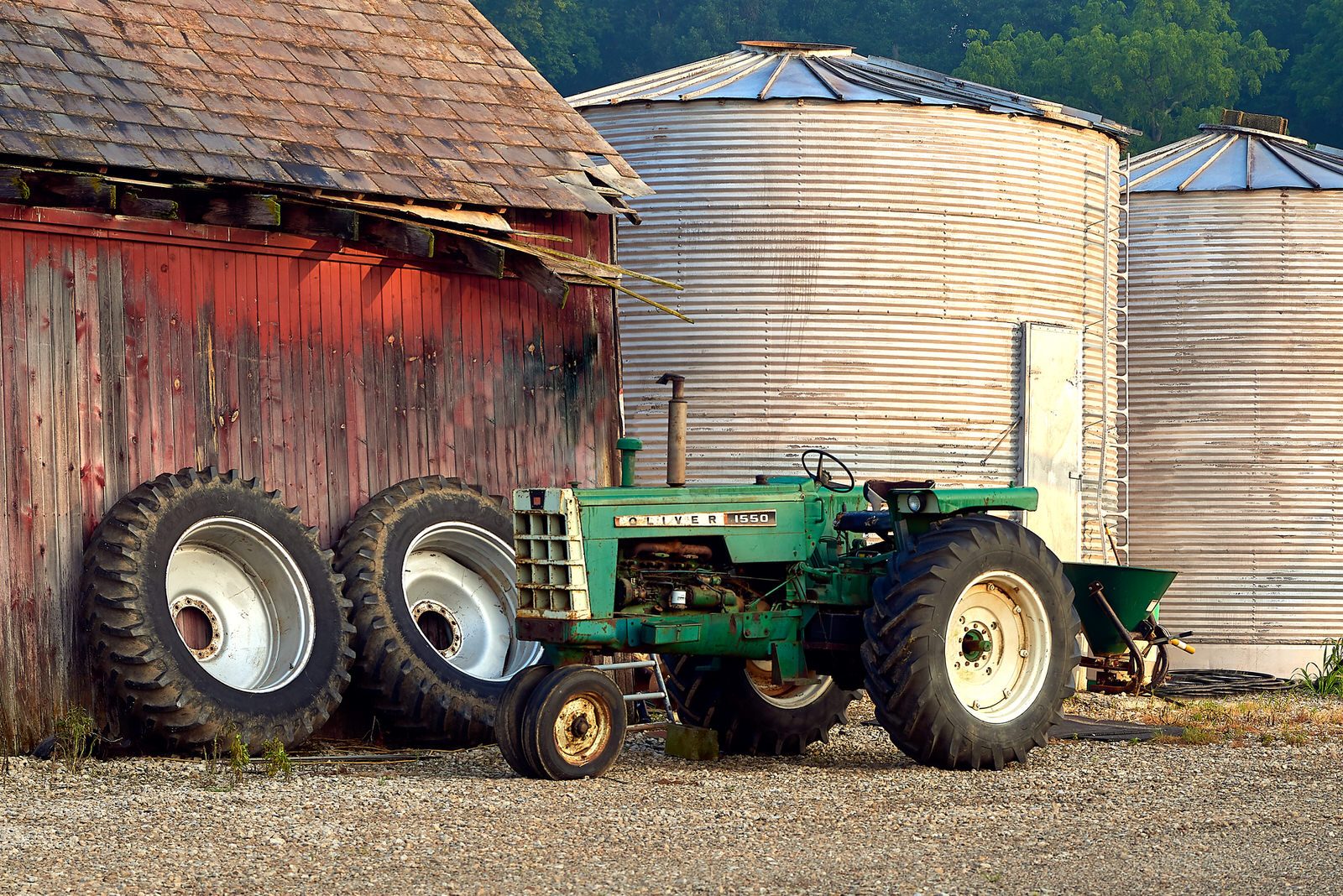
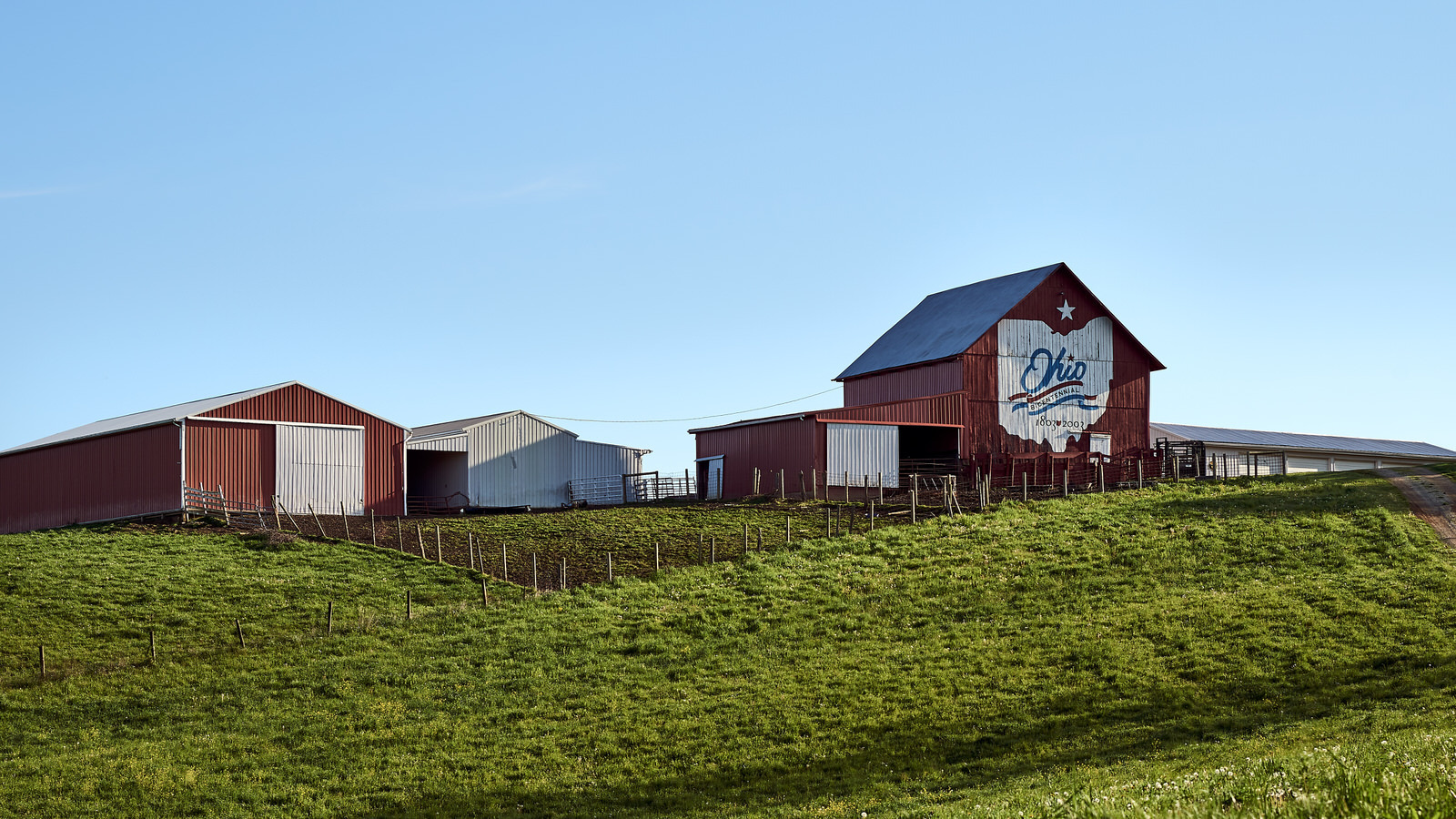
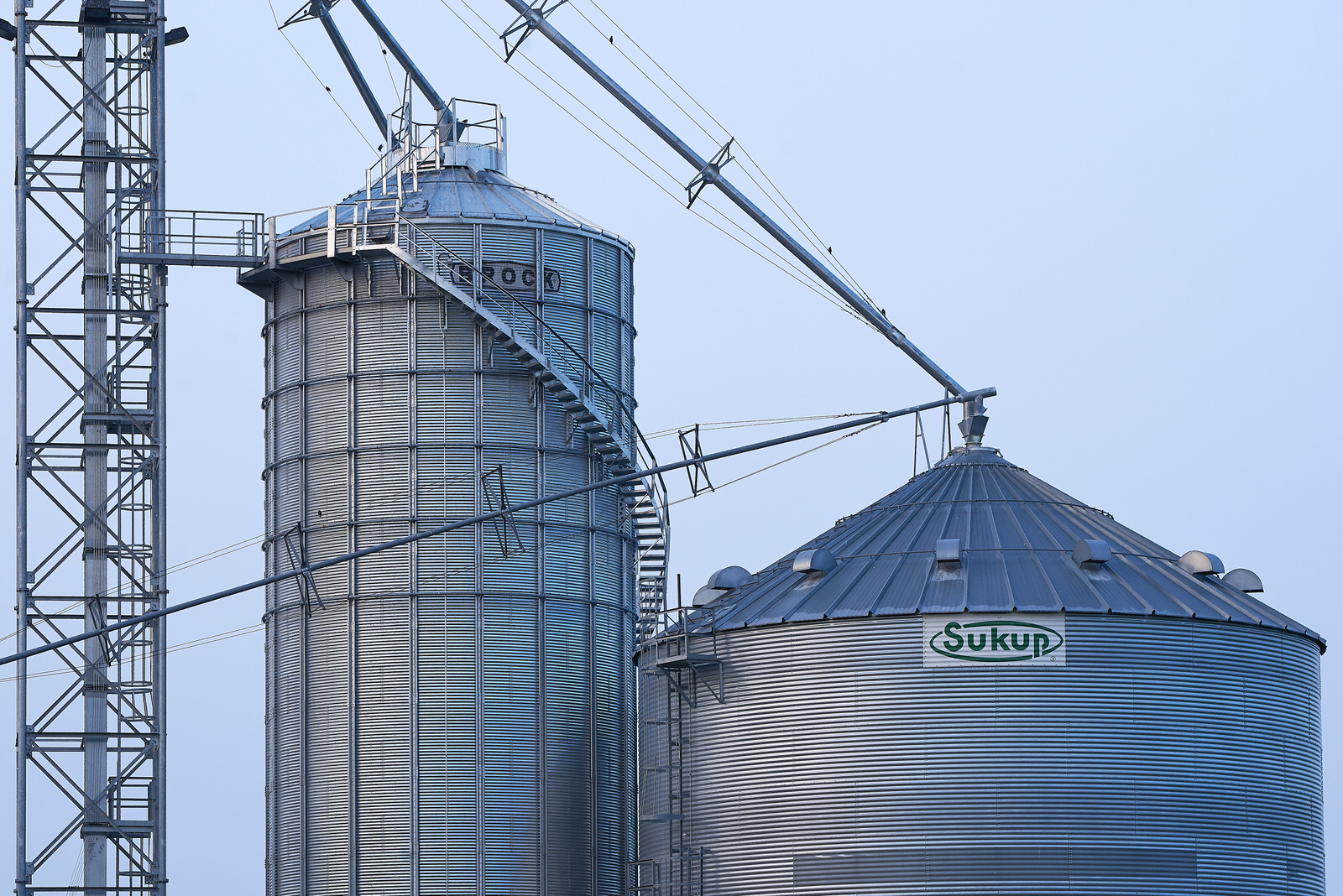
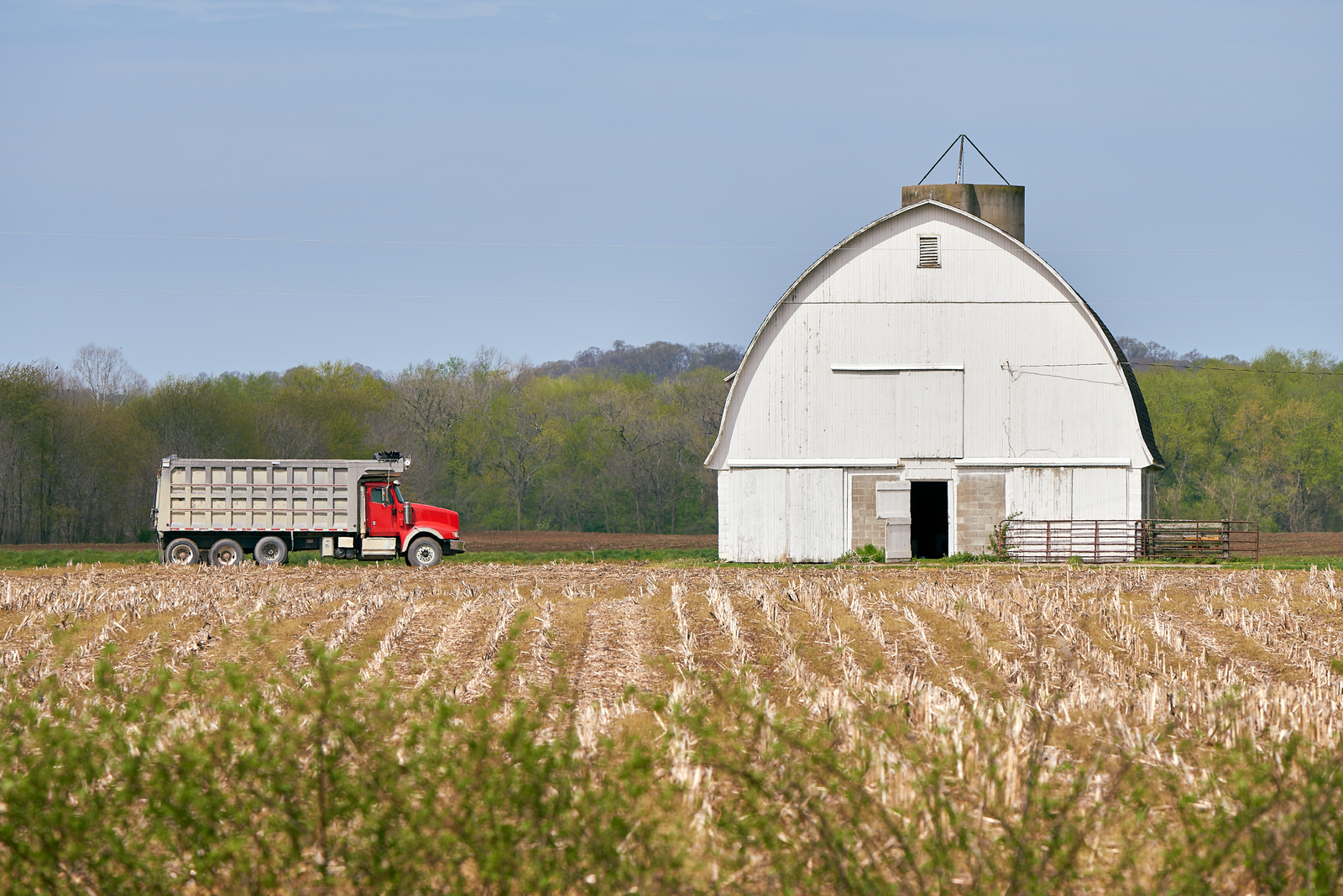
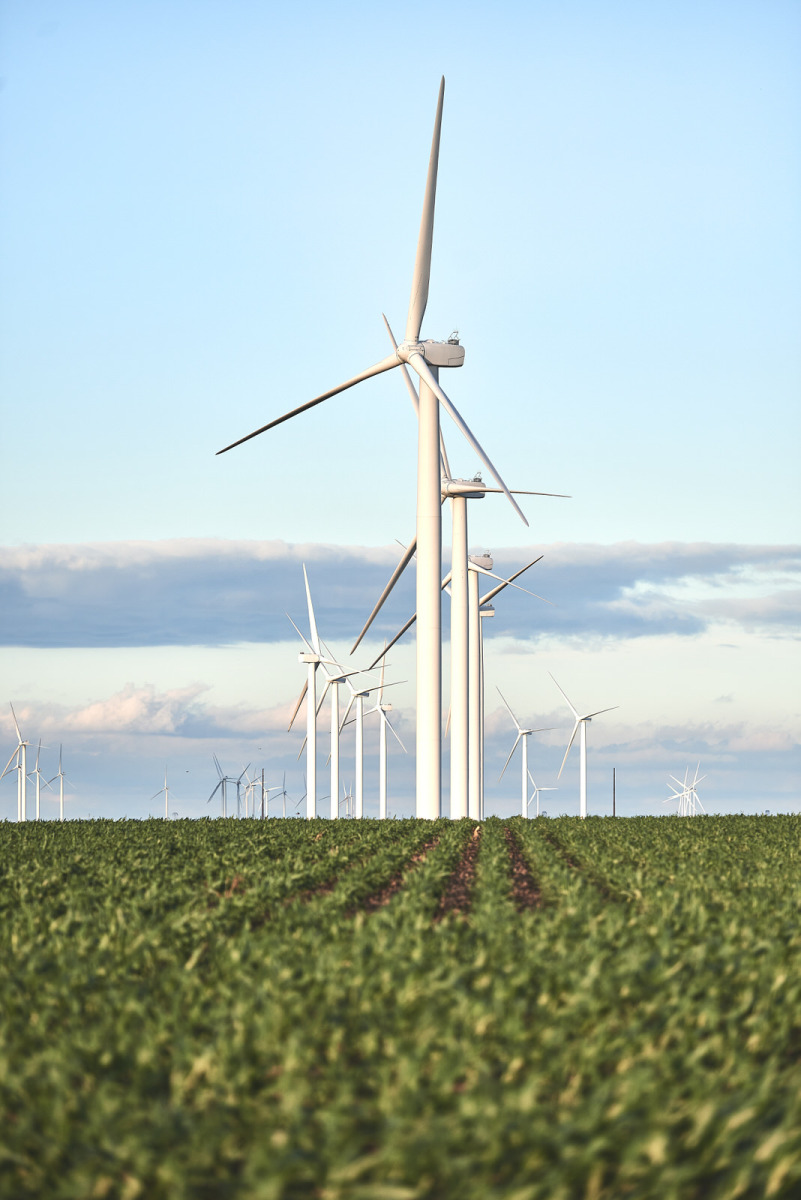
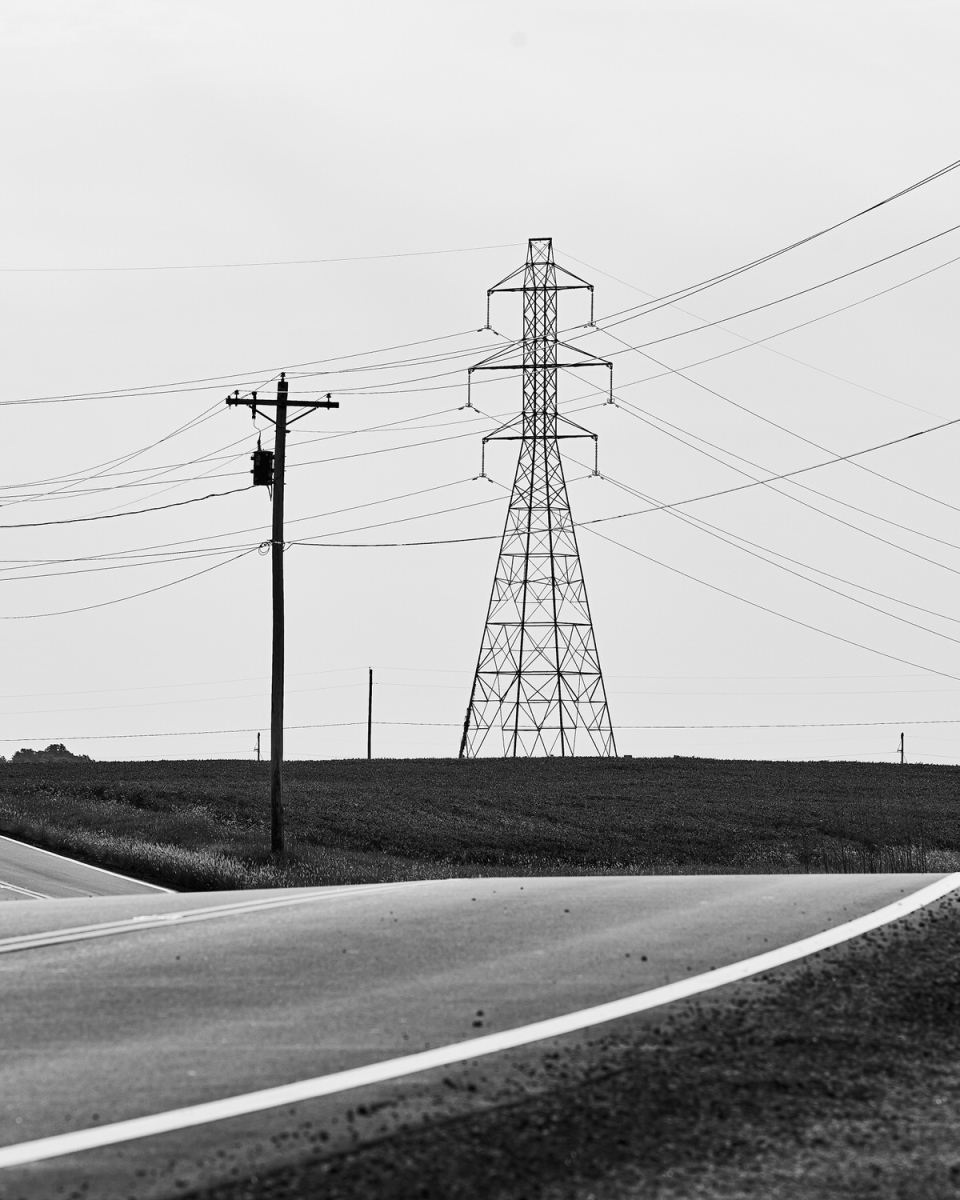
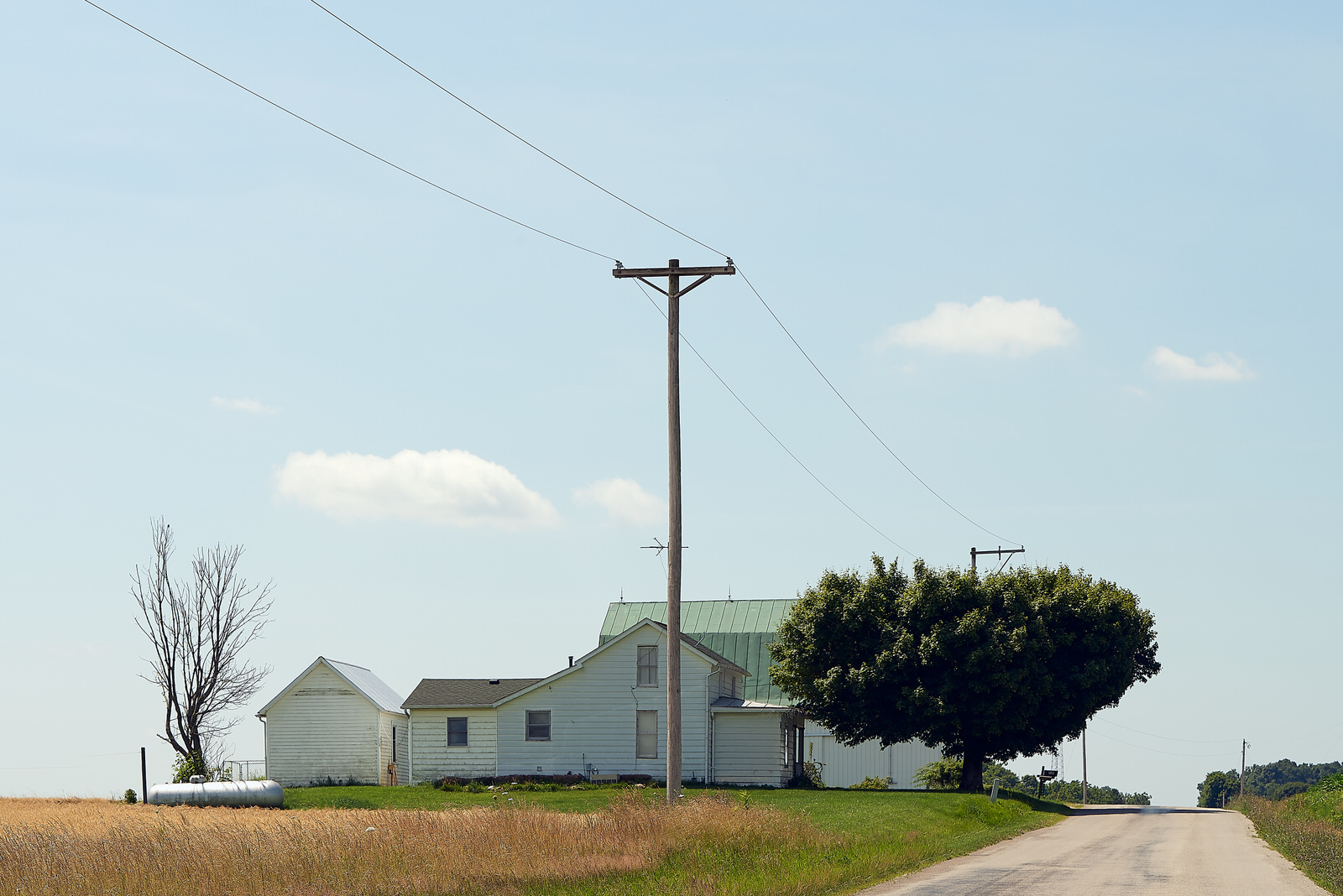
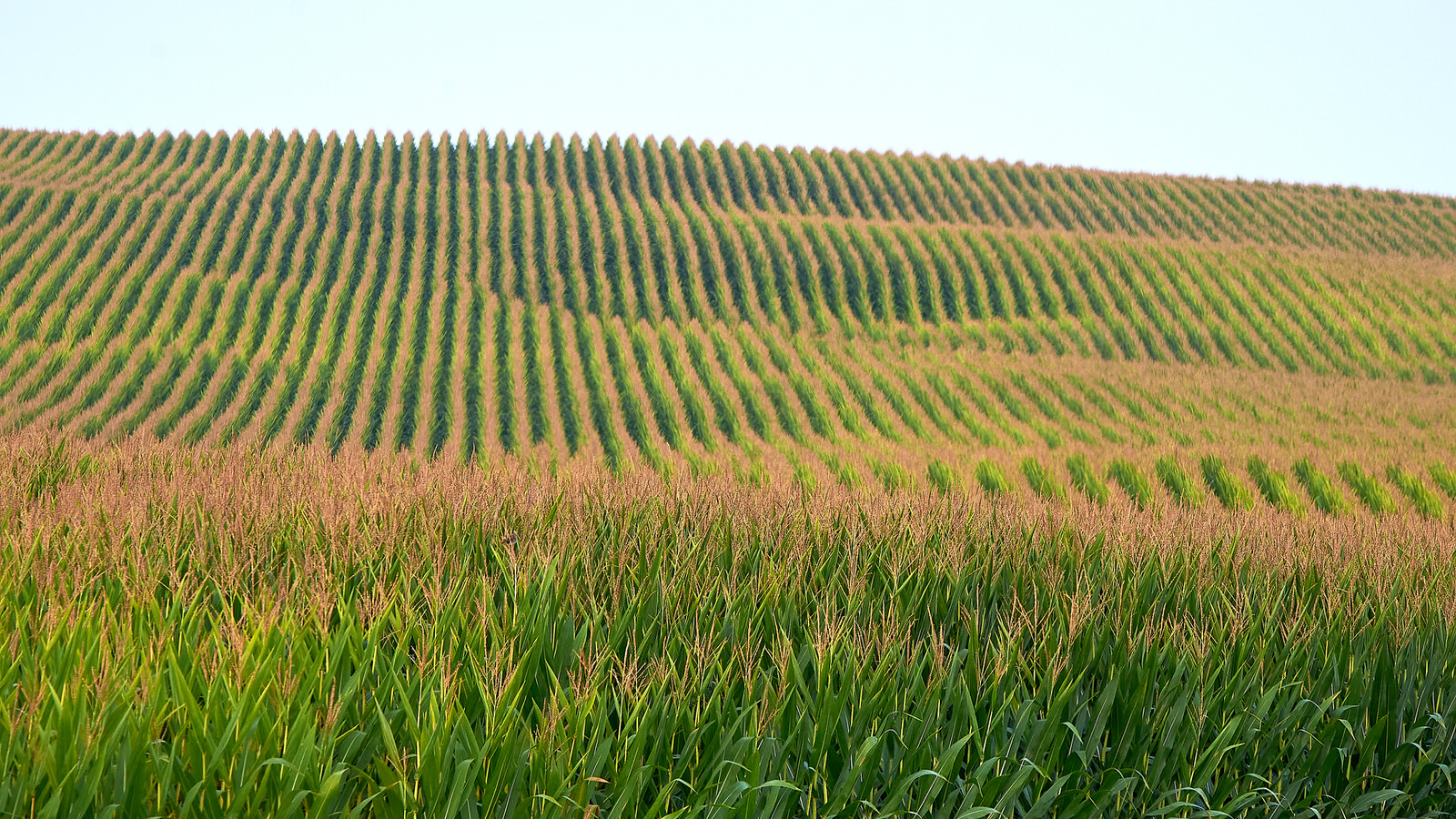
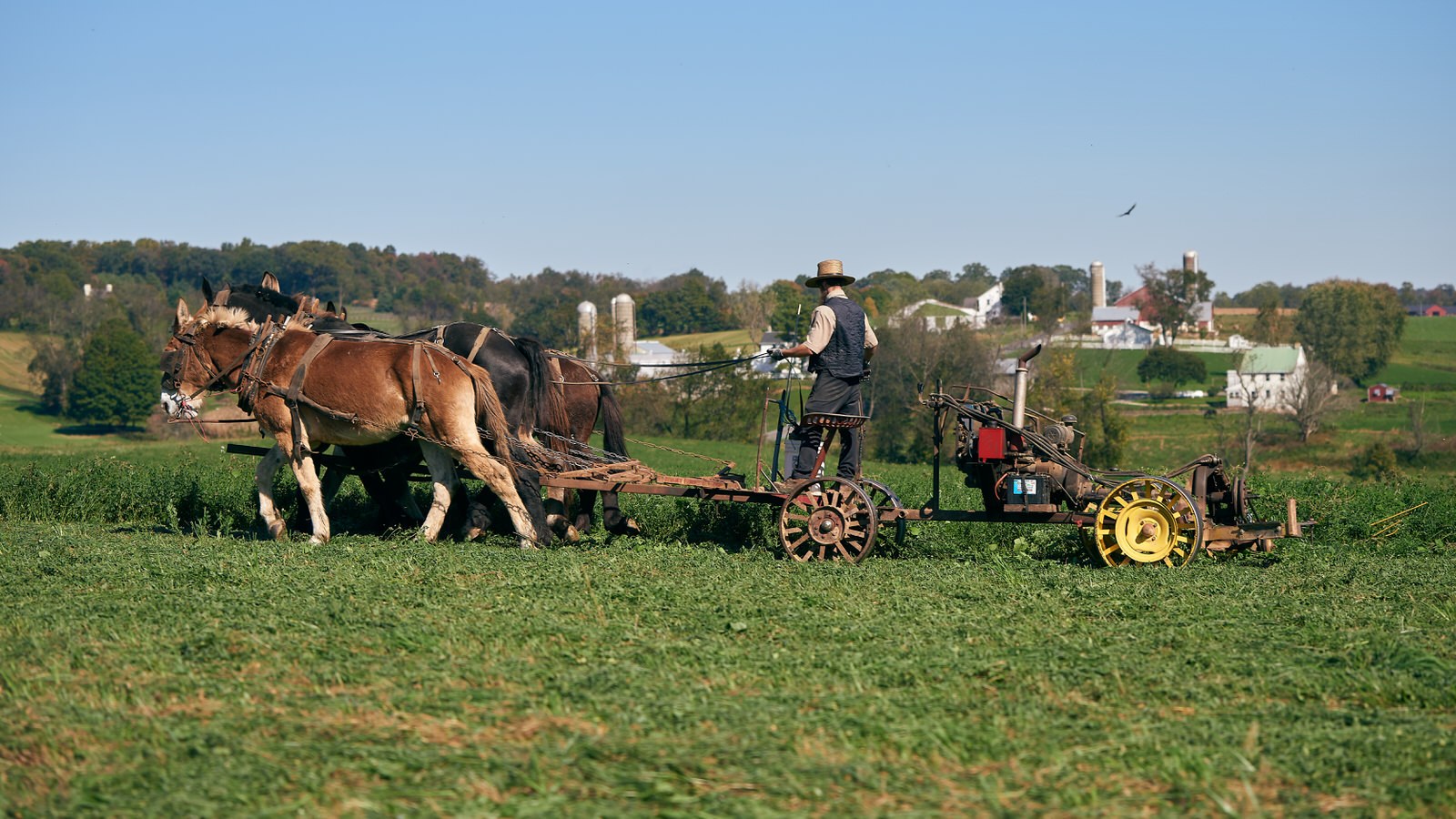
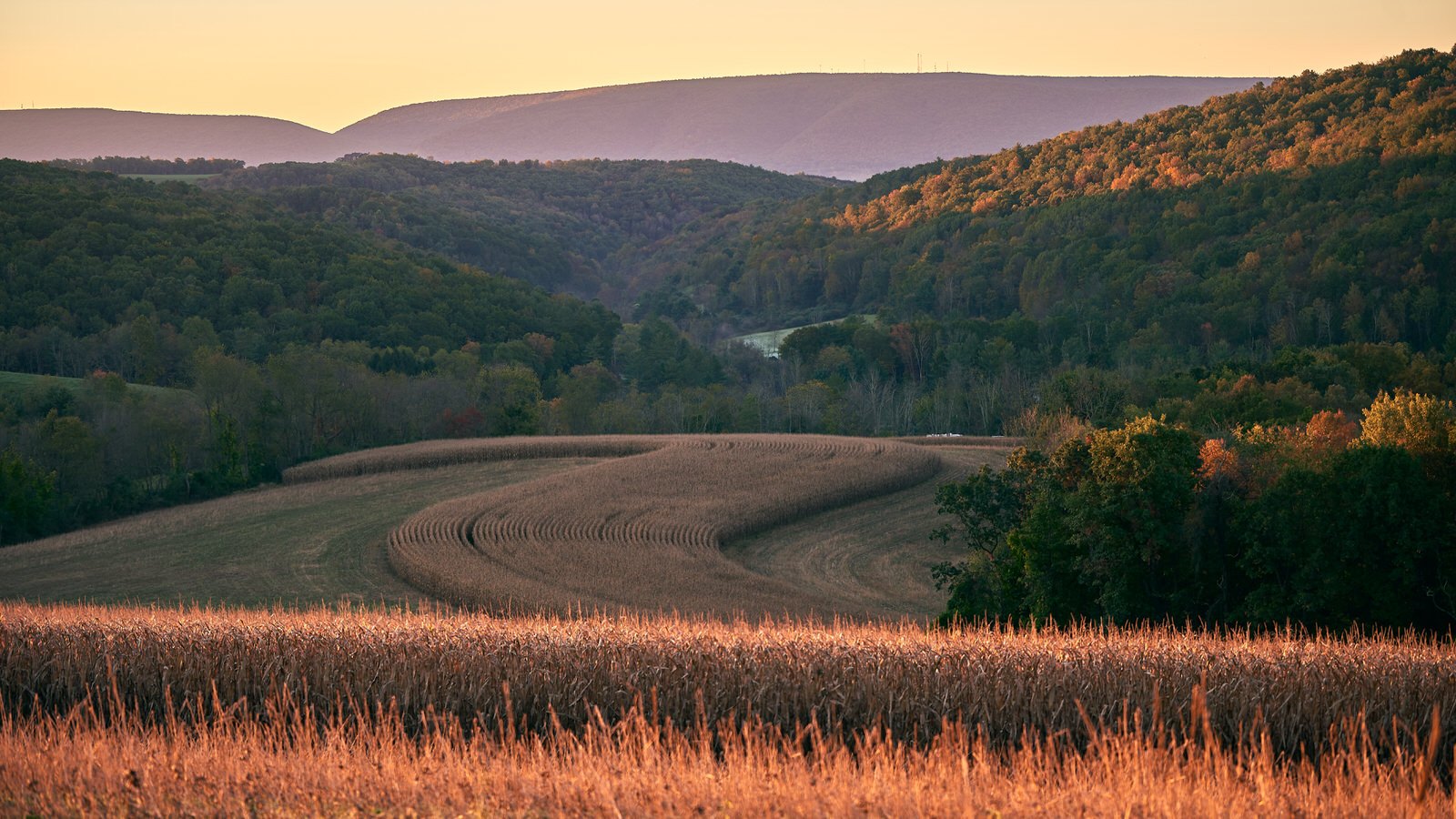
Working the soil is an act of faith as much as it is a labor of necessity. Each season brings its own demands, from preparing the earth and planting seeds to nurturing crops and gathering the harvest. The farmer works in partnership with forces beyond human control, guided by experience, instinct, and an intimate knowledge of the land. There is humility in this relationship, an acceptance that nature follows its own course and that patience is often the greatest virtue. The marks of this work can be seen everywhere: in the furrows of a freshly turned field, the worn hands of a laborer, and the quiet satisfaction of a day’s work completed beneath an expansive sky.
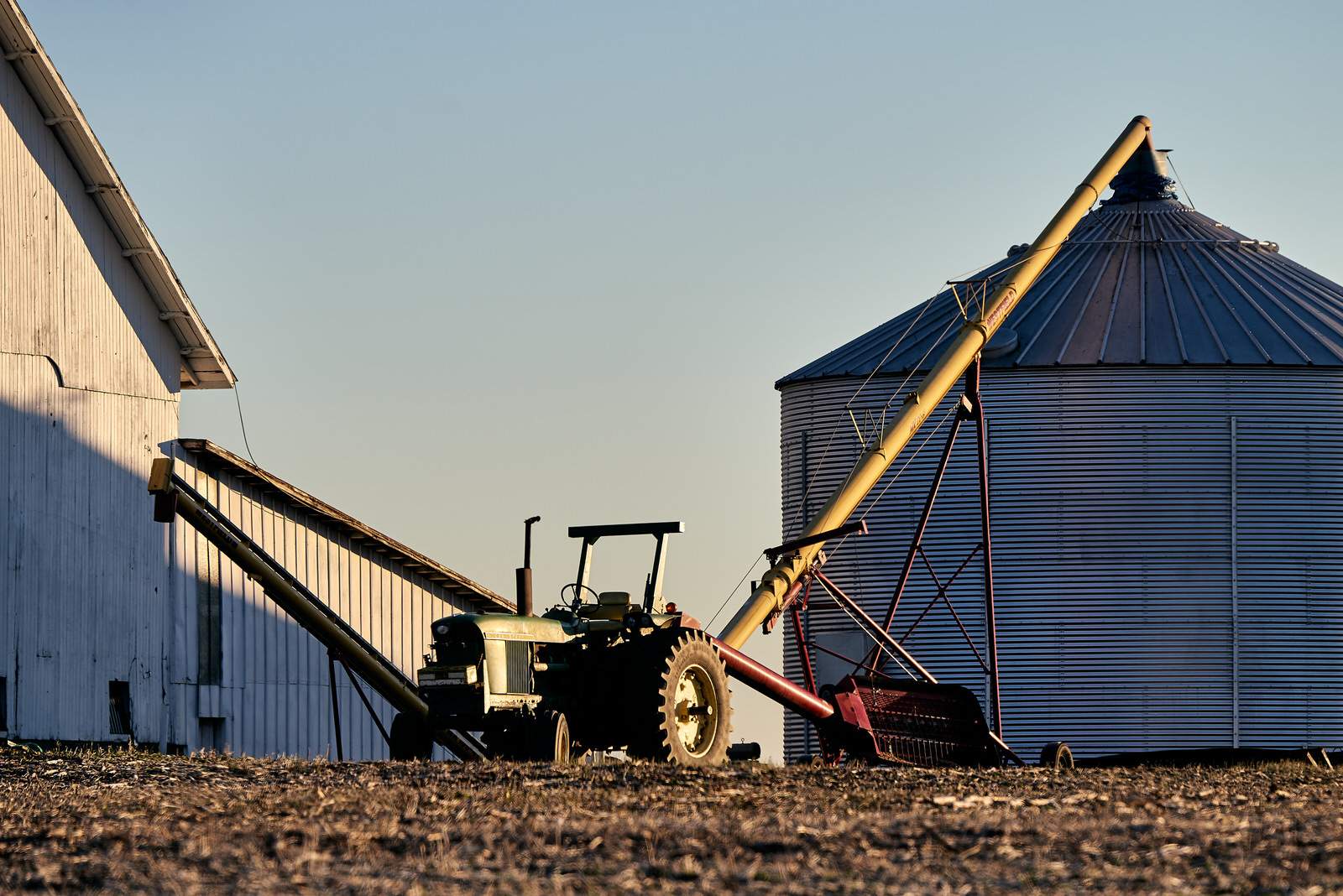
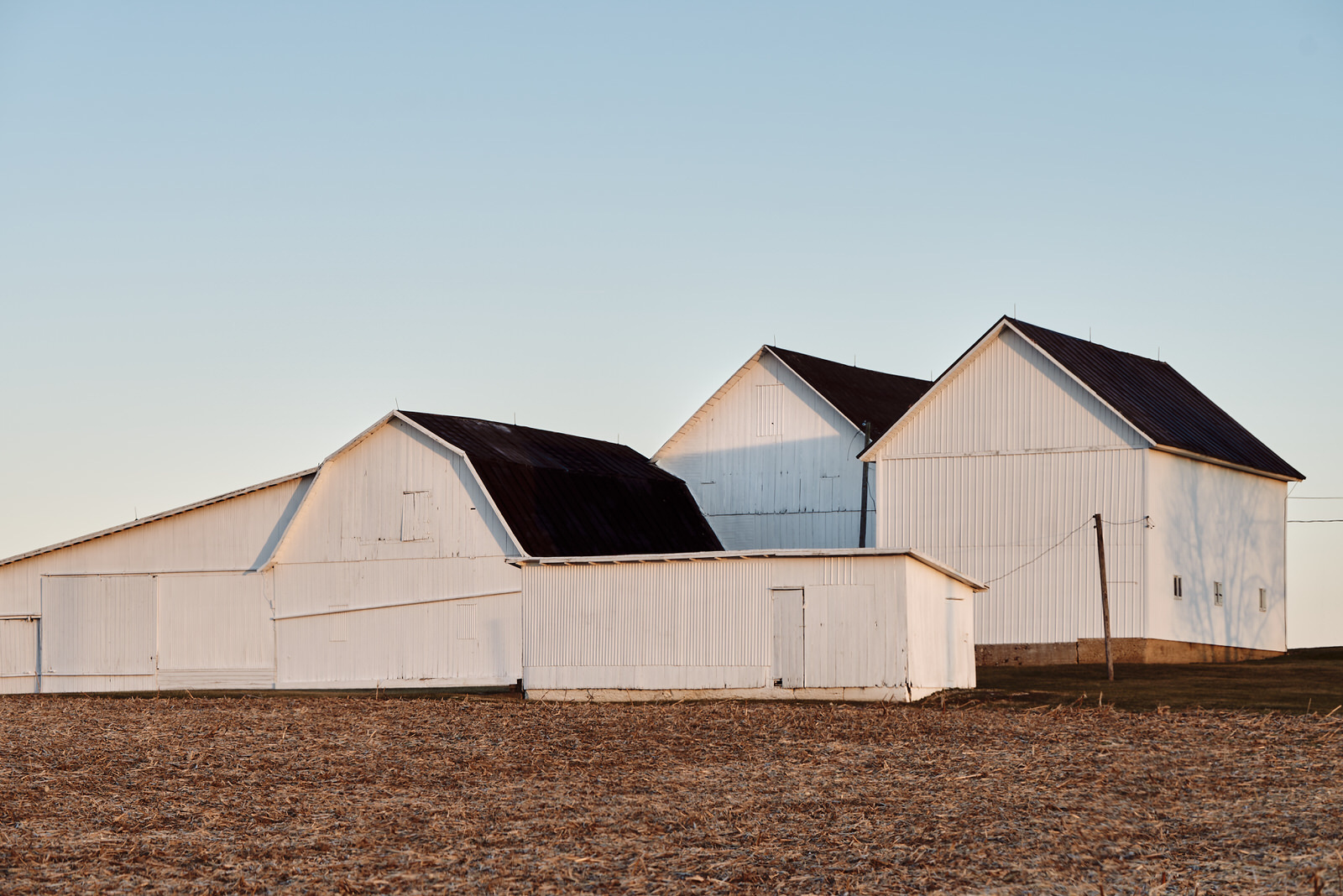
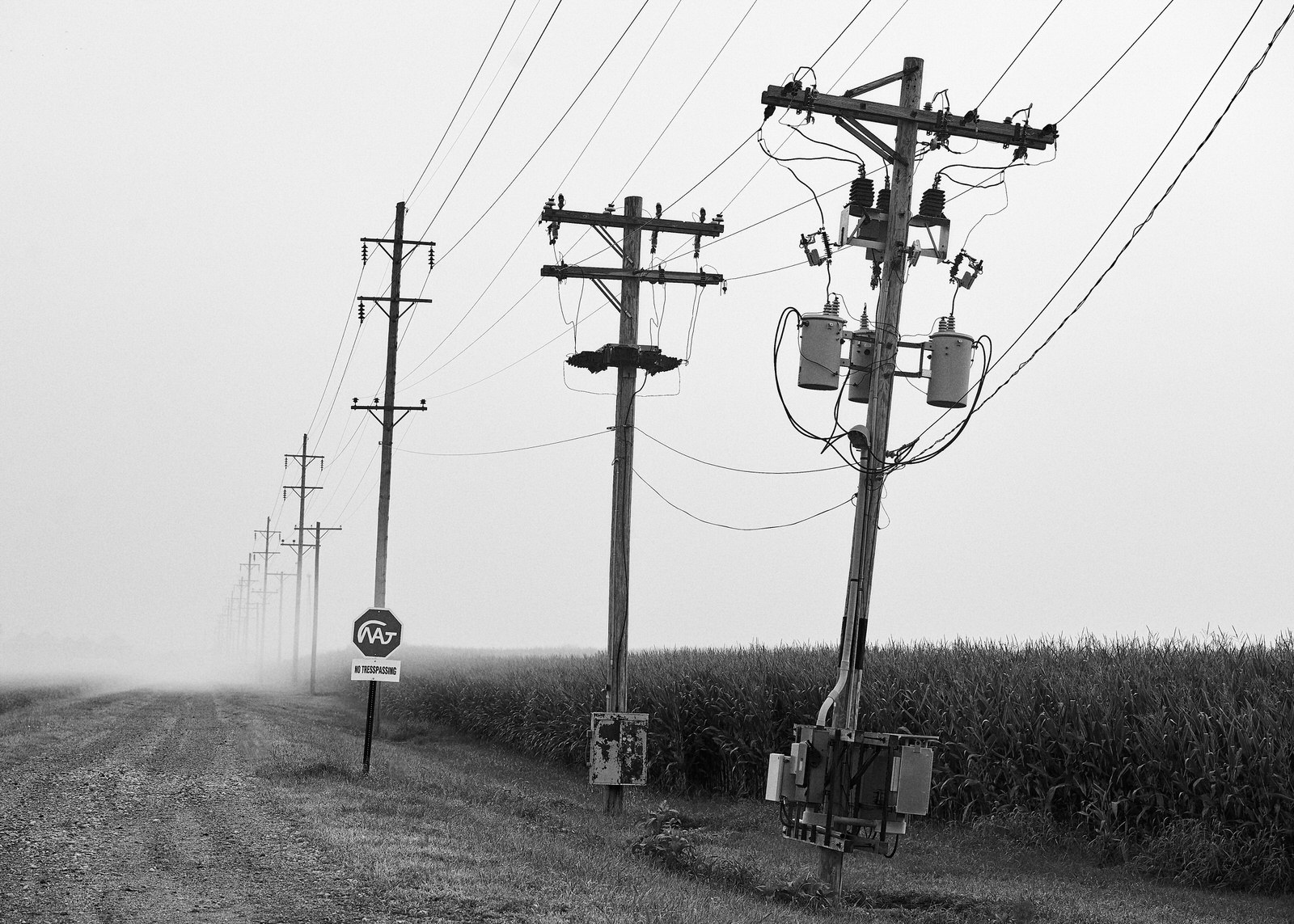
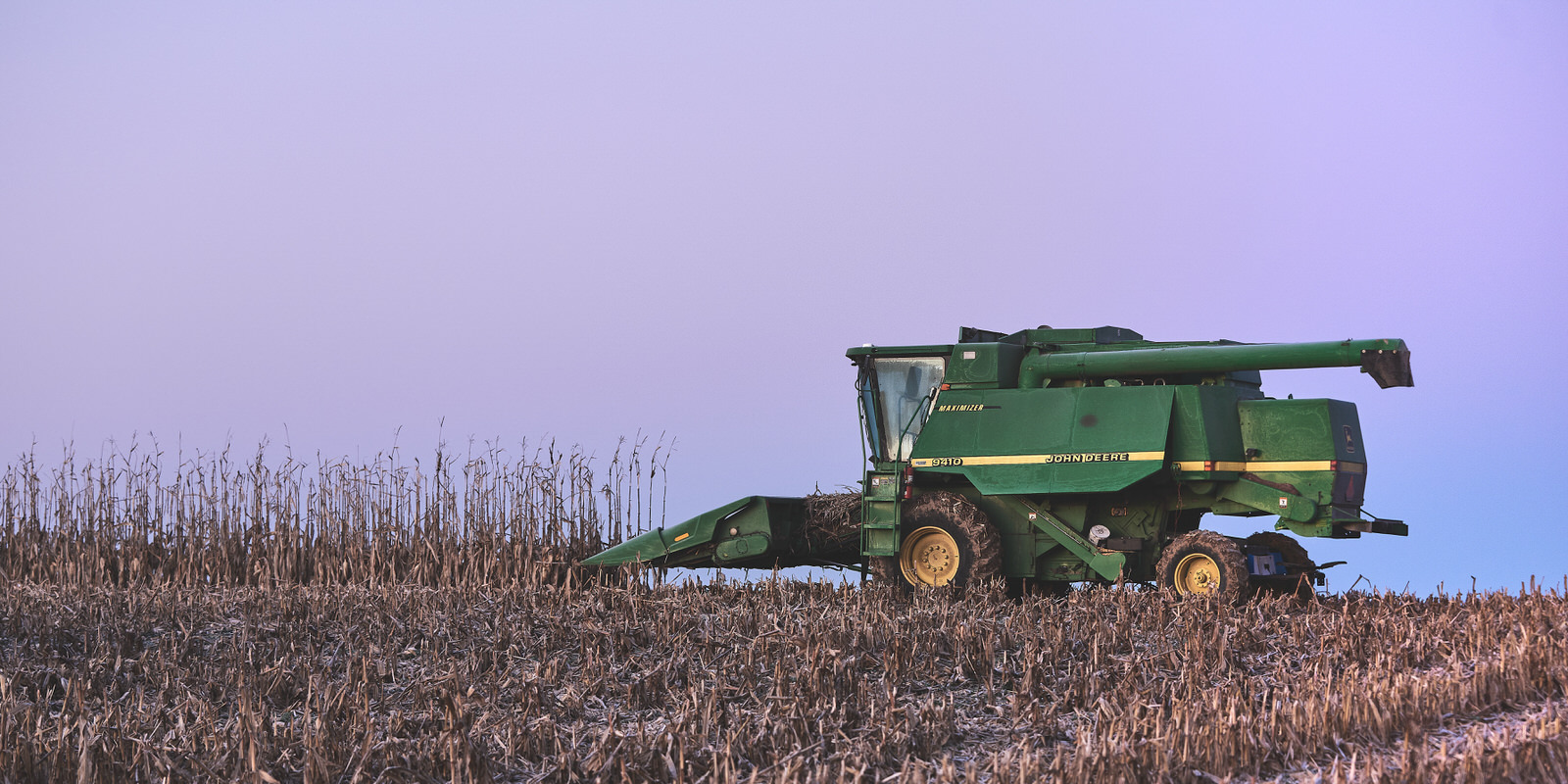
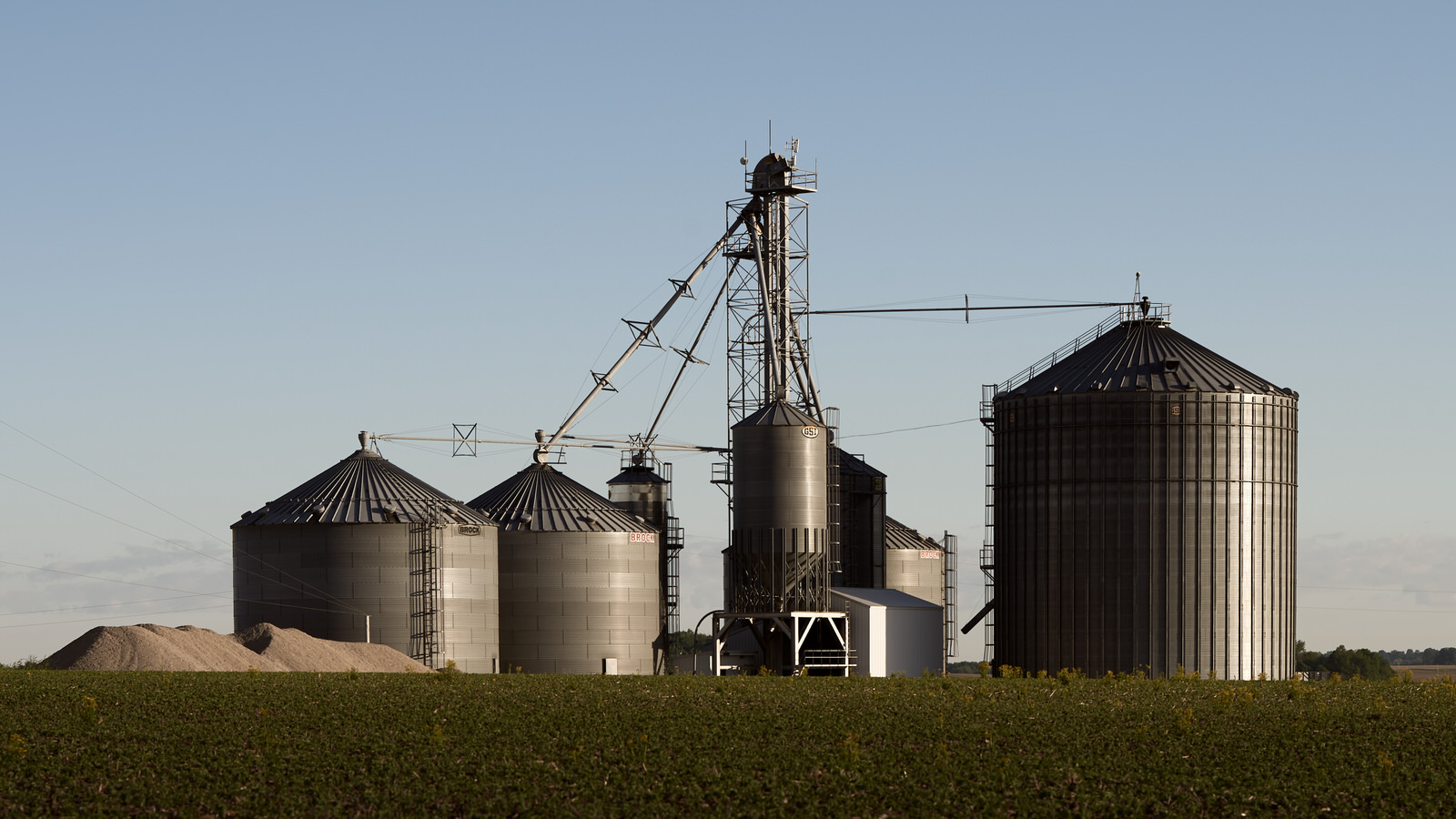
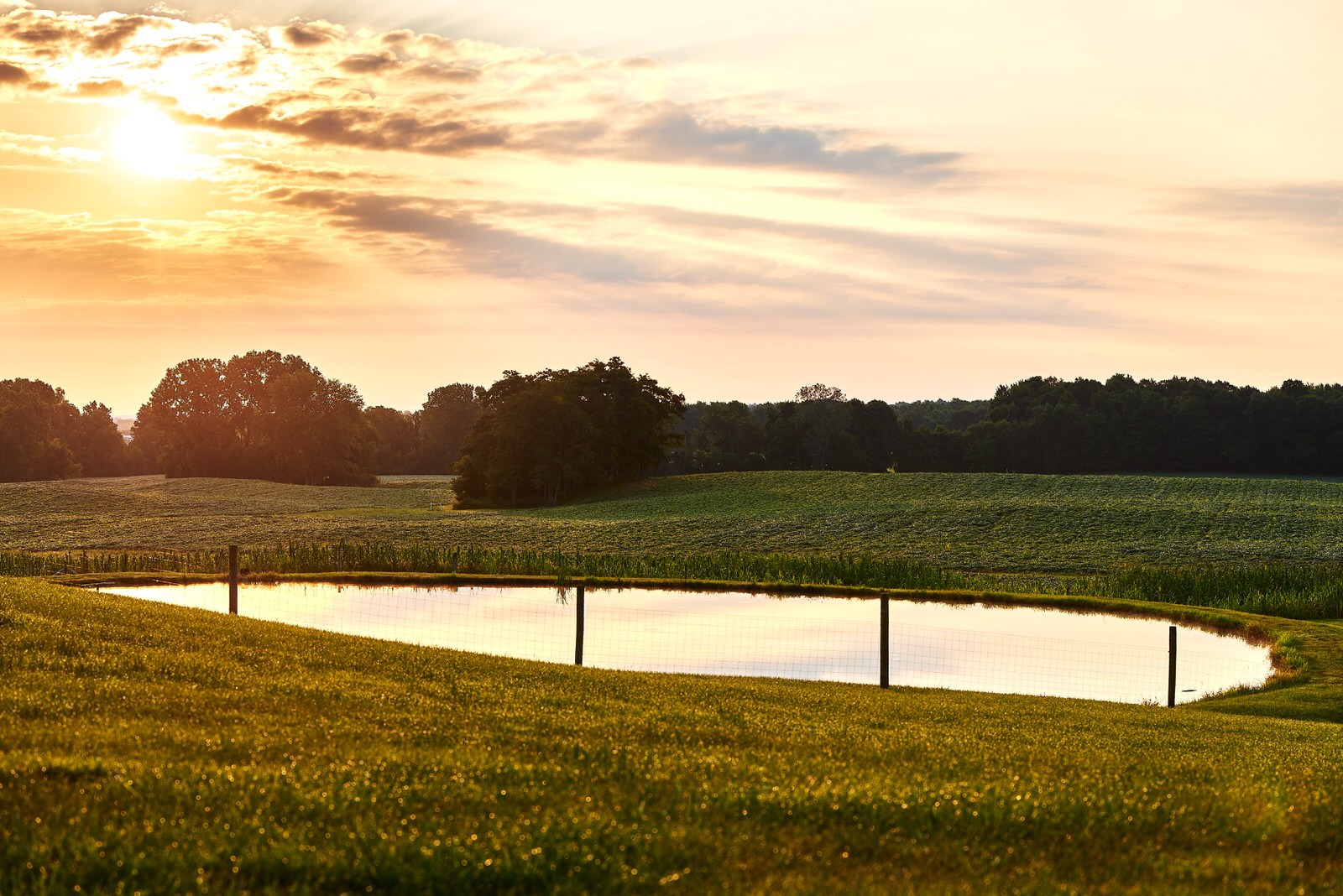
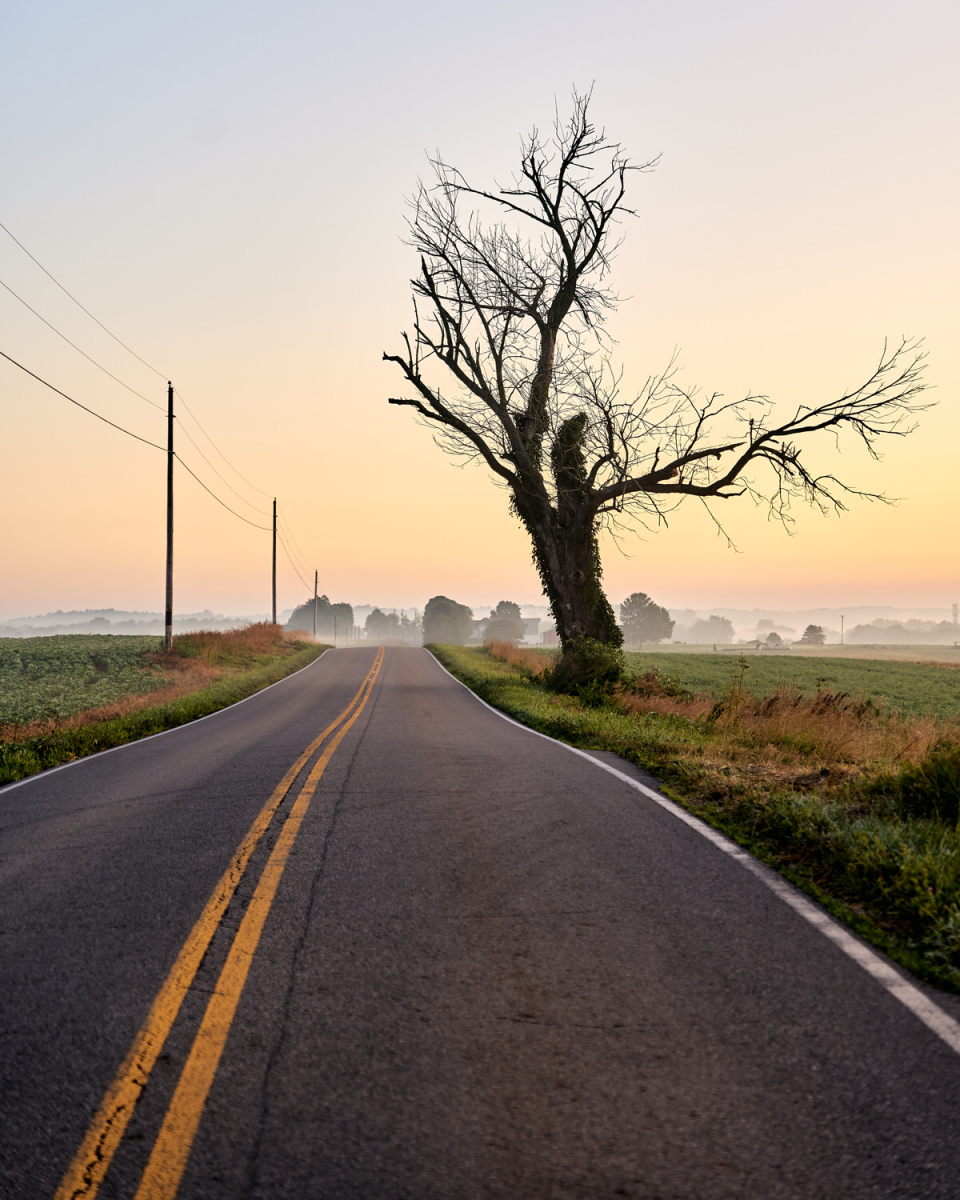
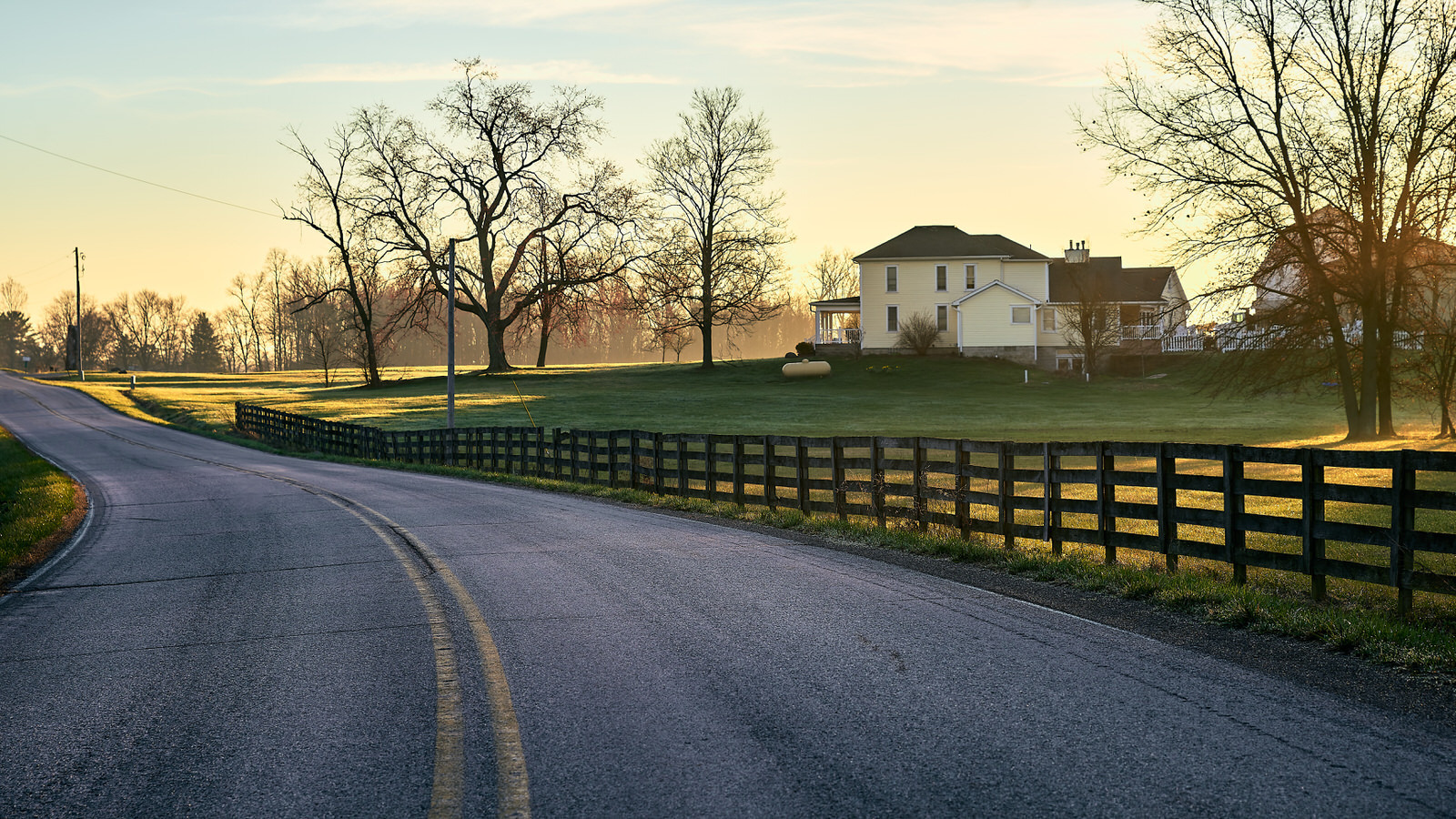
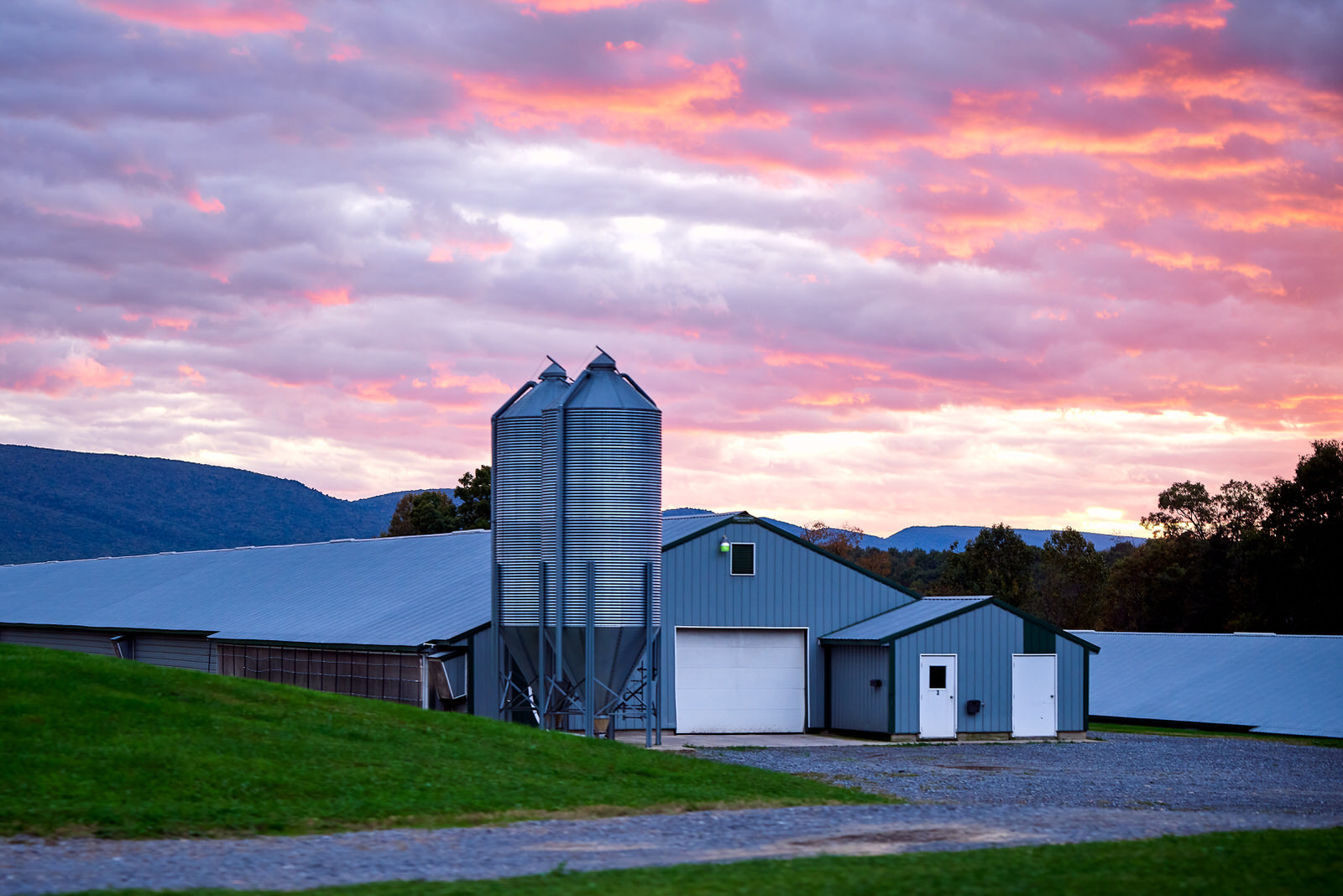
Life in the countryside moves to a different rhythm, one often measured not by clocks or deadlines, but by daylight, weather, and the changing seasons. Mornings begin early, the stillness broken by the sounds of machinery, livestock, and birdsong. Days are shaped by practical demands and physical effort, while evenings bring a quieter kind of reward, as the fading light settles over the fields and the landscape returns to rest. This way of life asks much of those who embrace it, requiring perseverance, resourcefulness, and an ability to adapt. Yet it offers something increasingly rare: a direct connection to the natural world and an appreciation for the simple, fundamental things that sustain us.
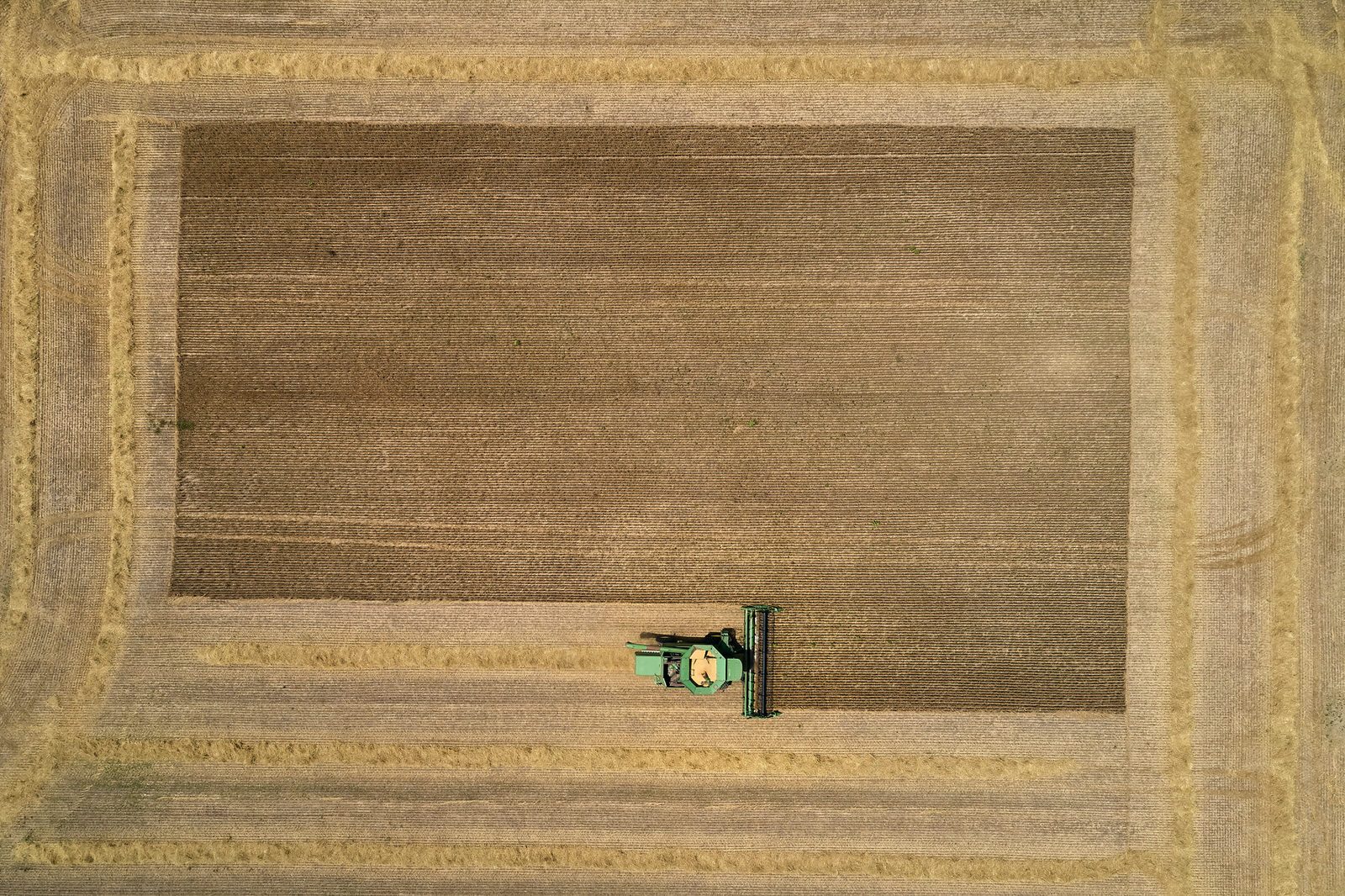
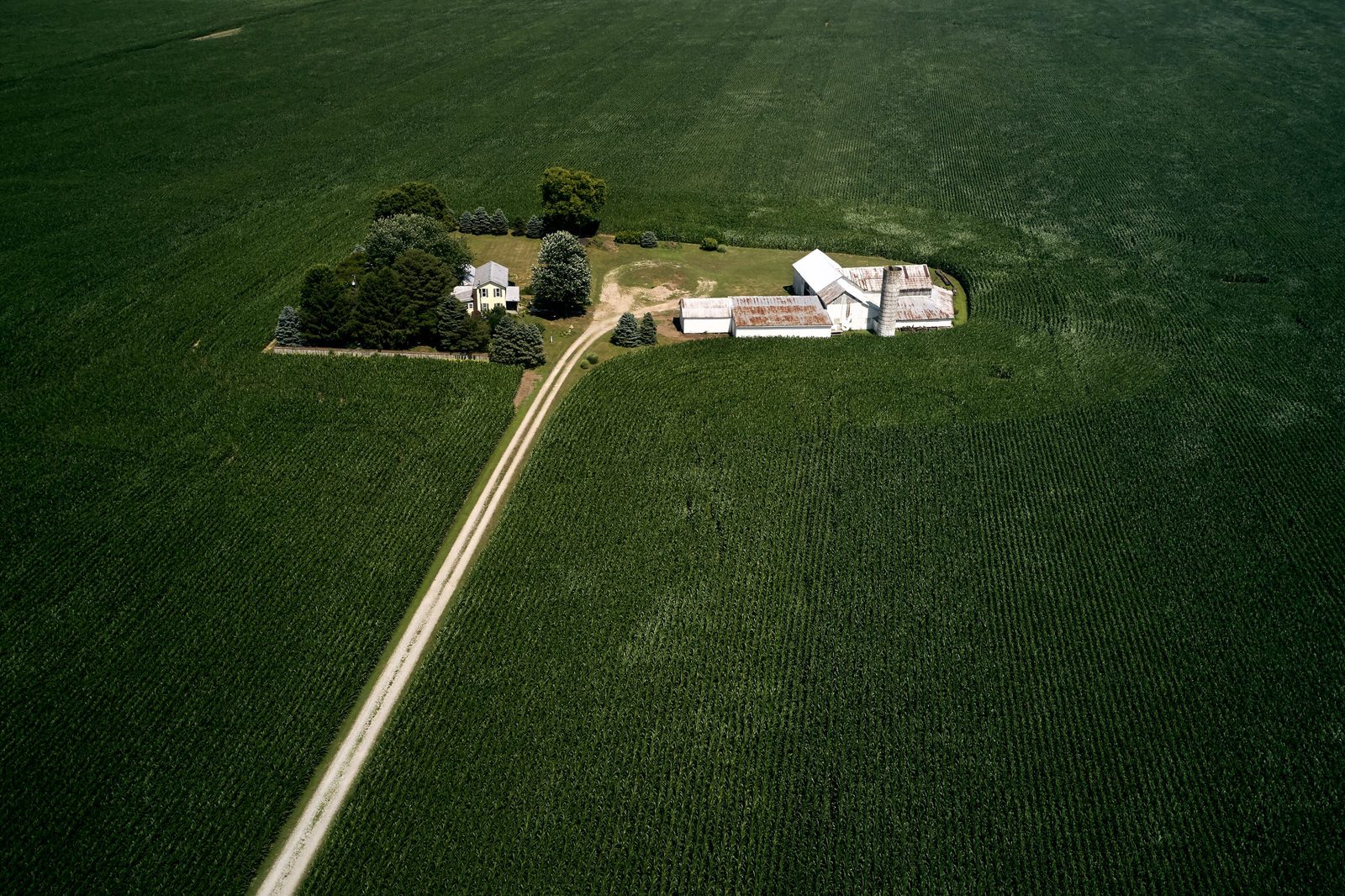
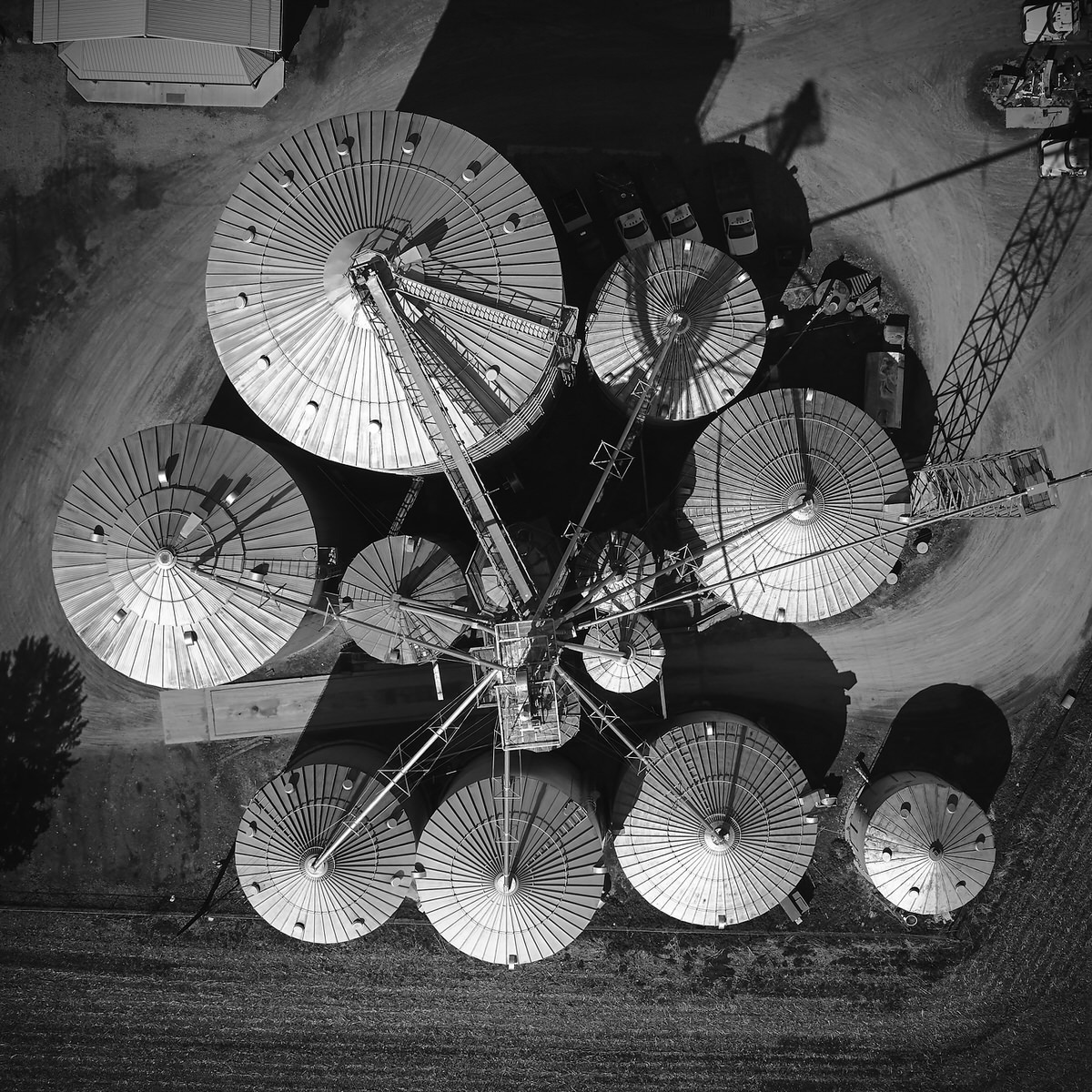
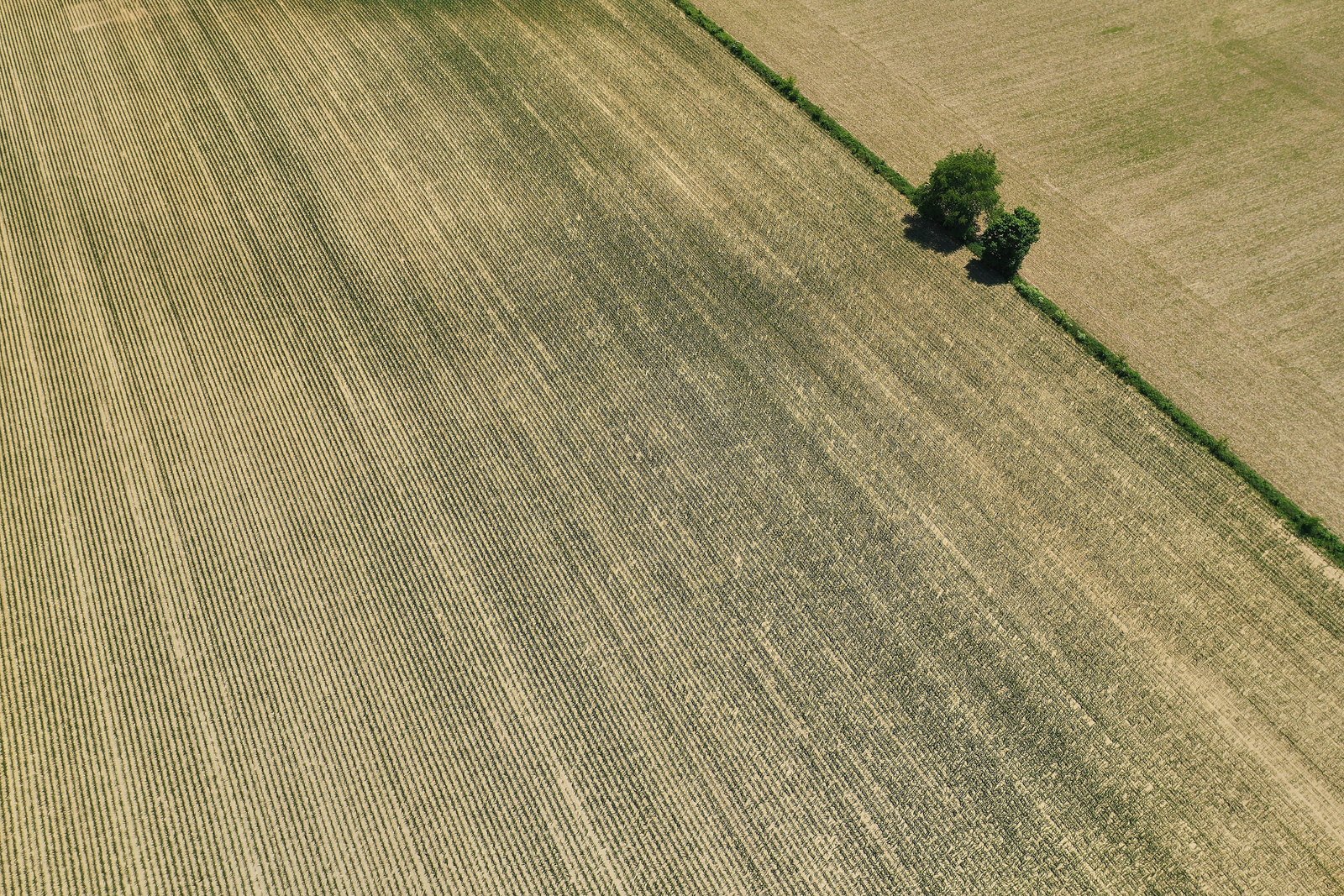
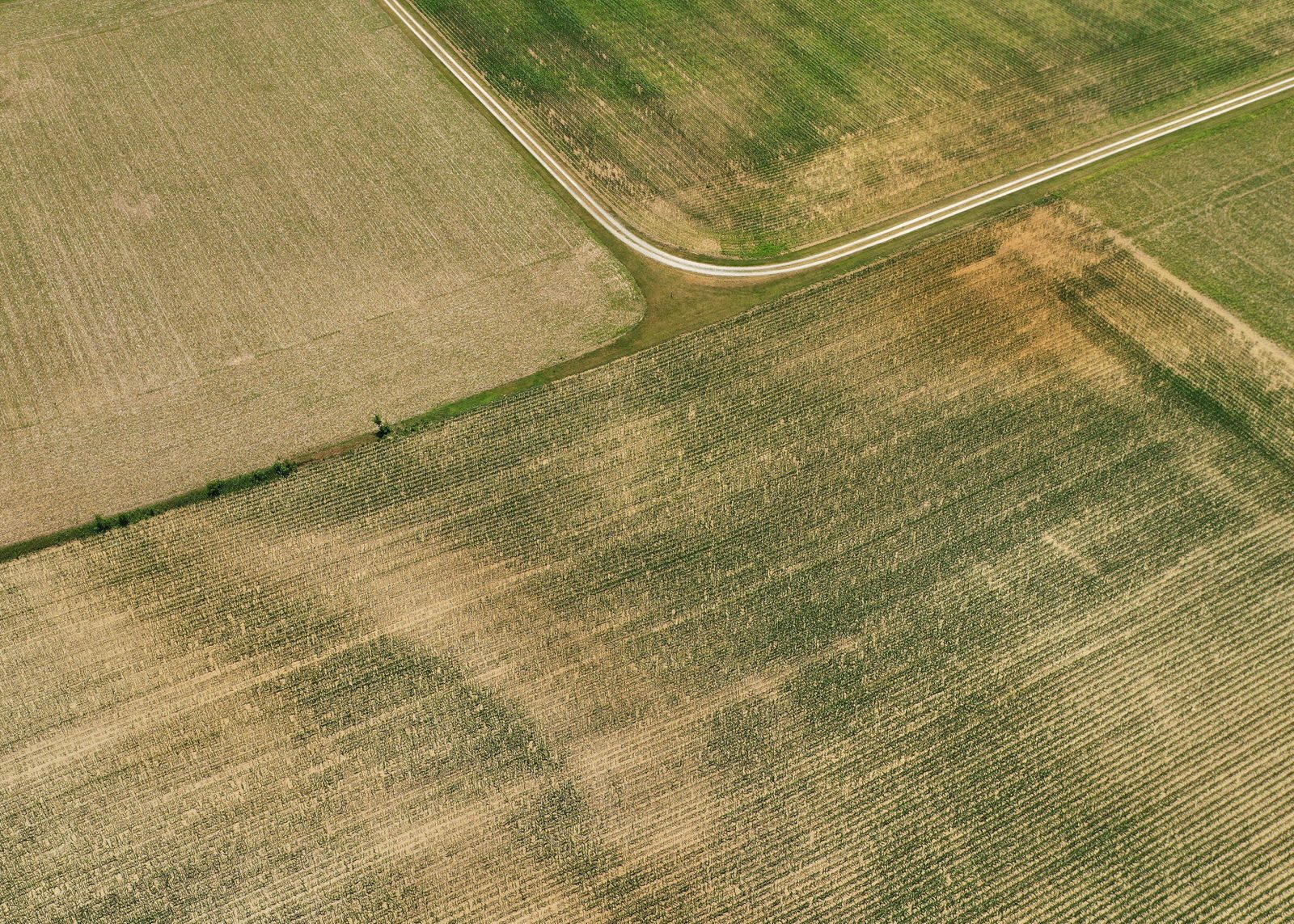
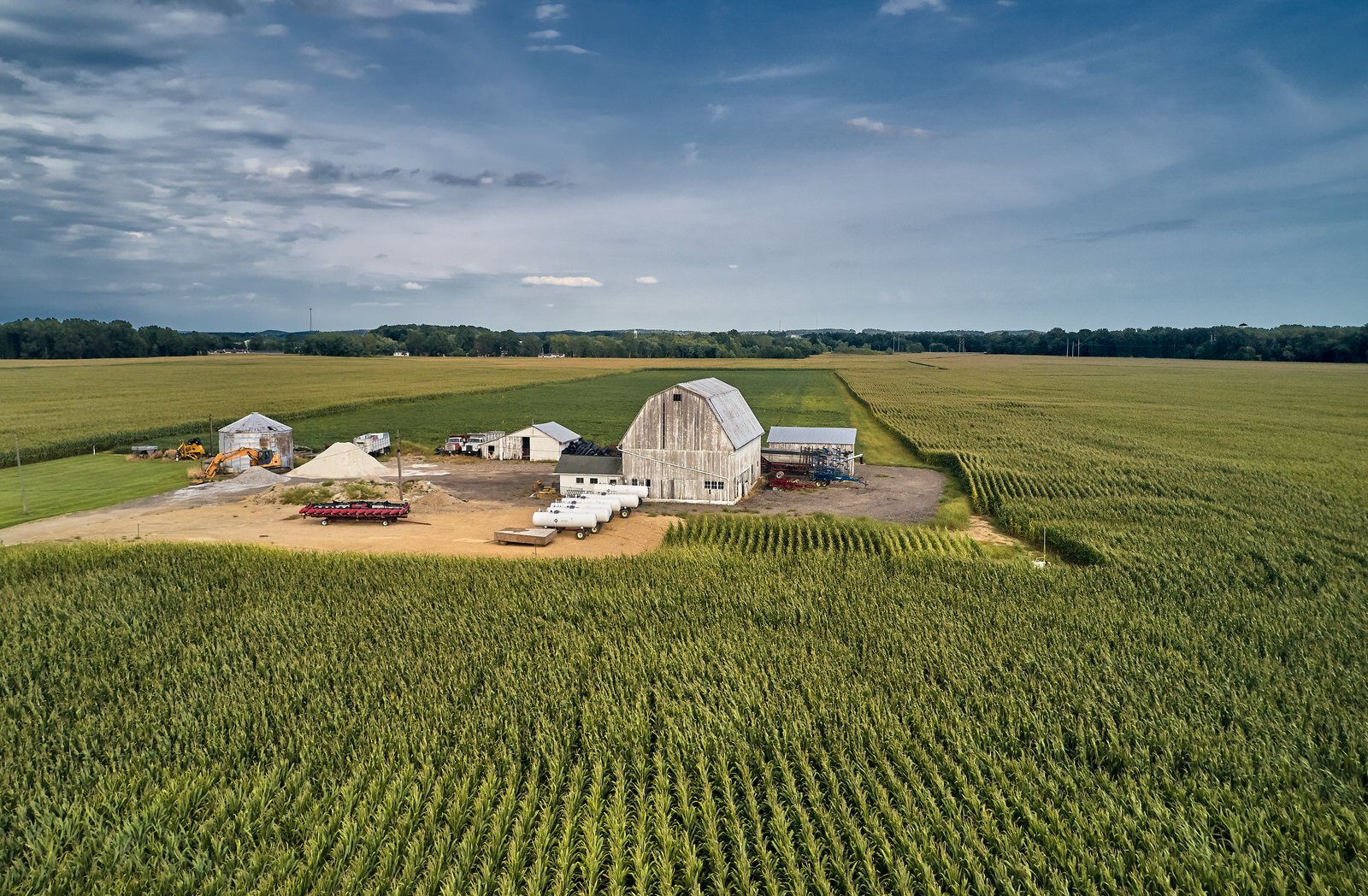
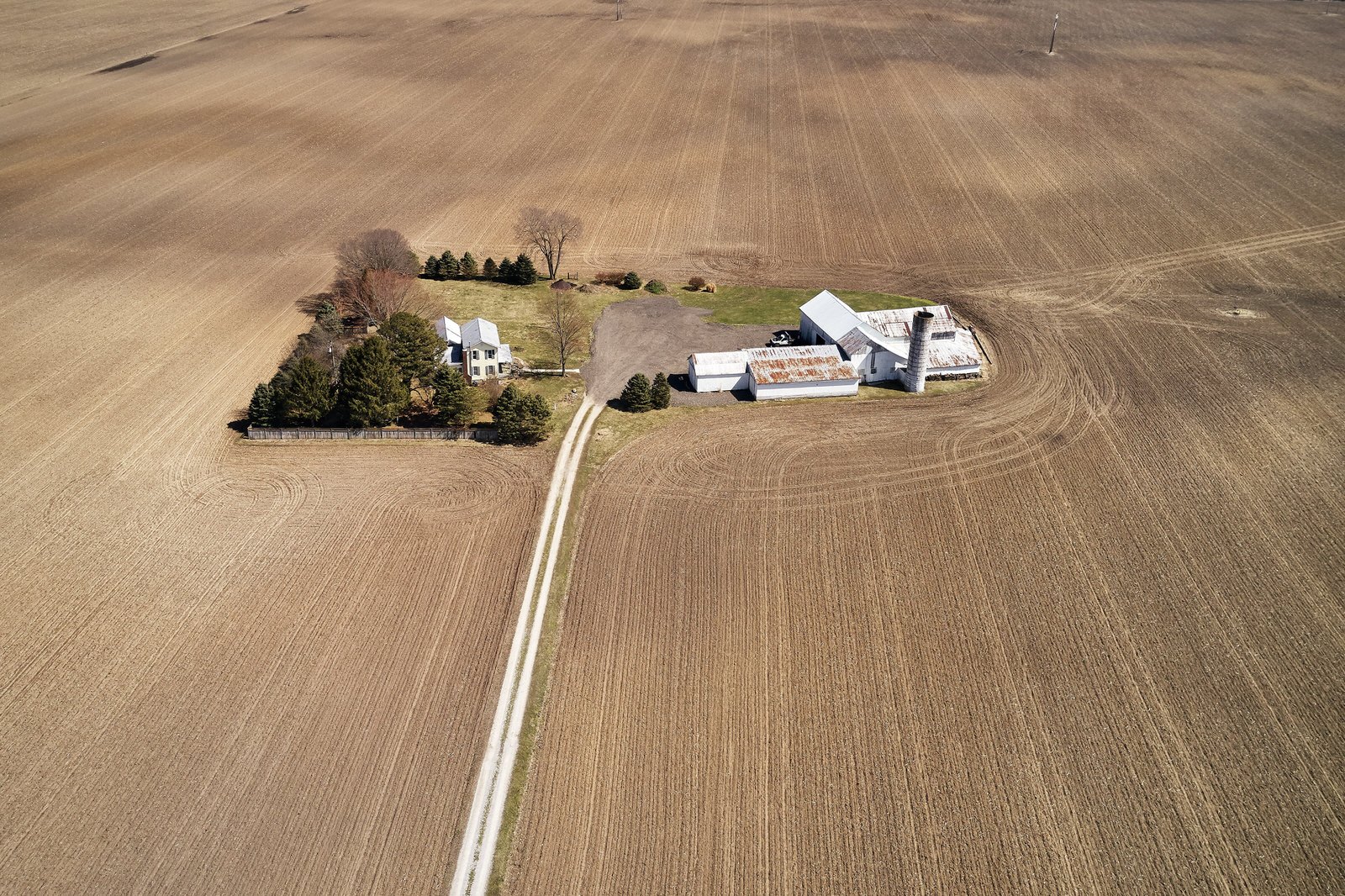
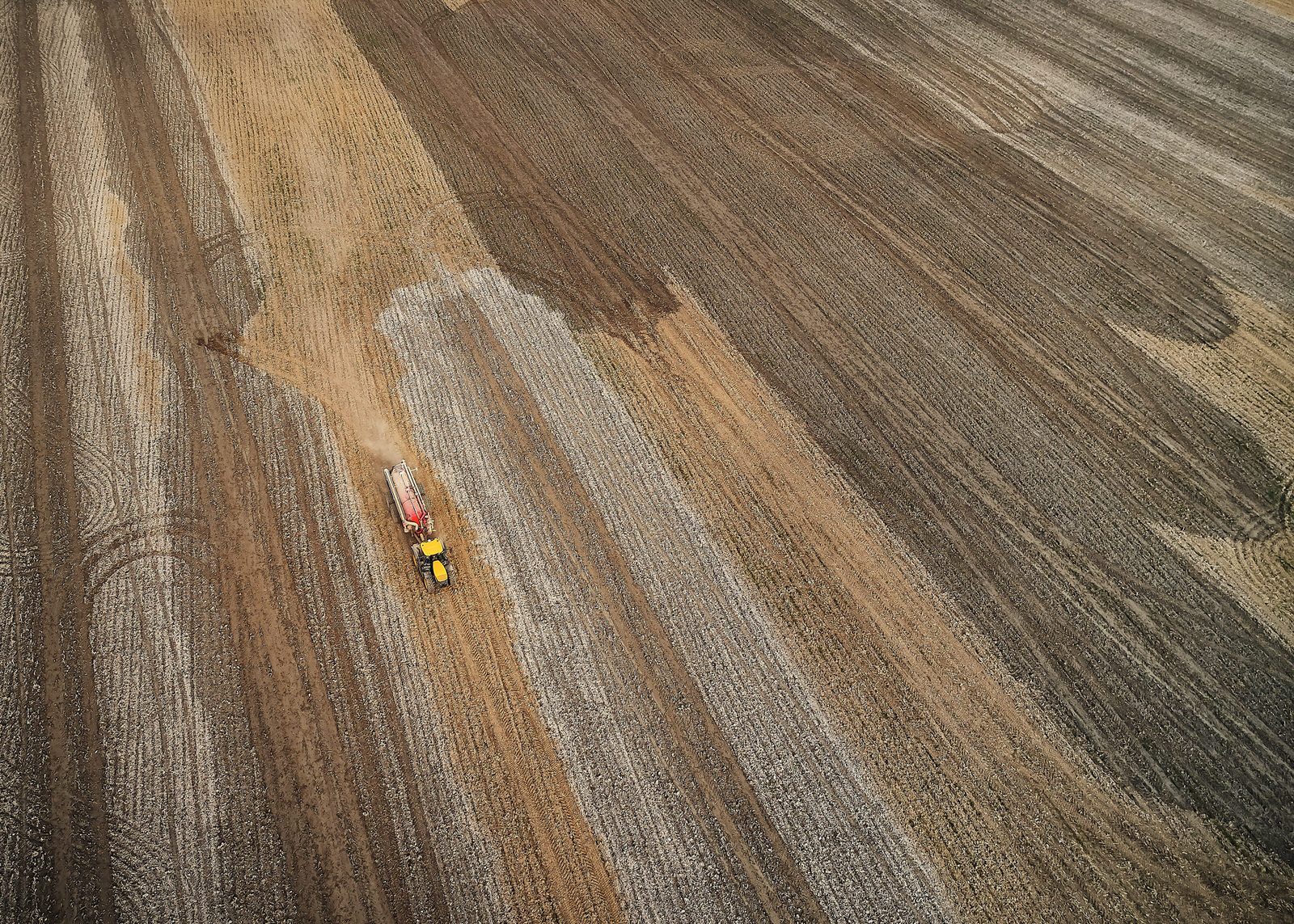
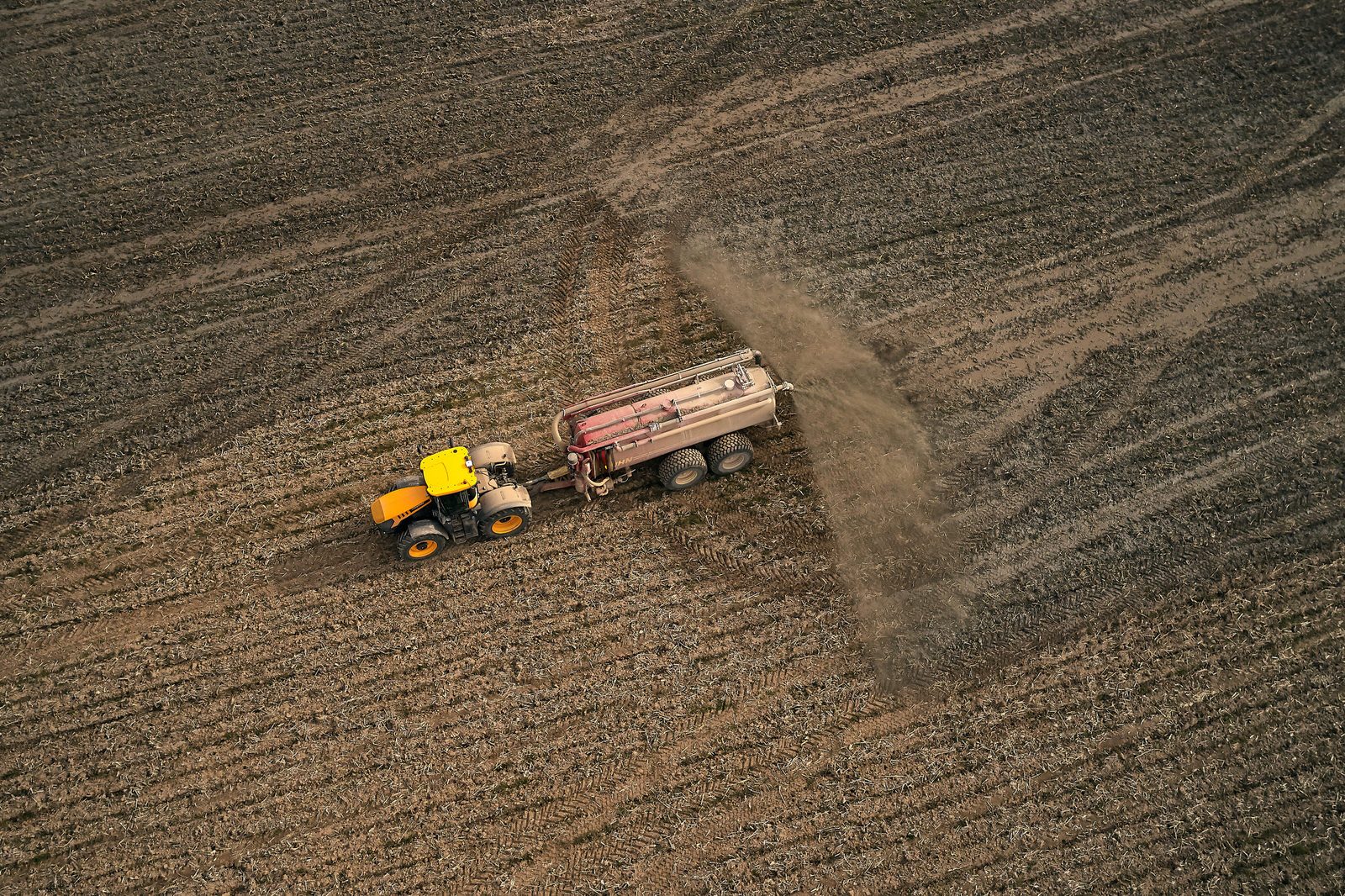
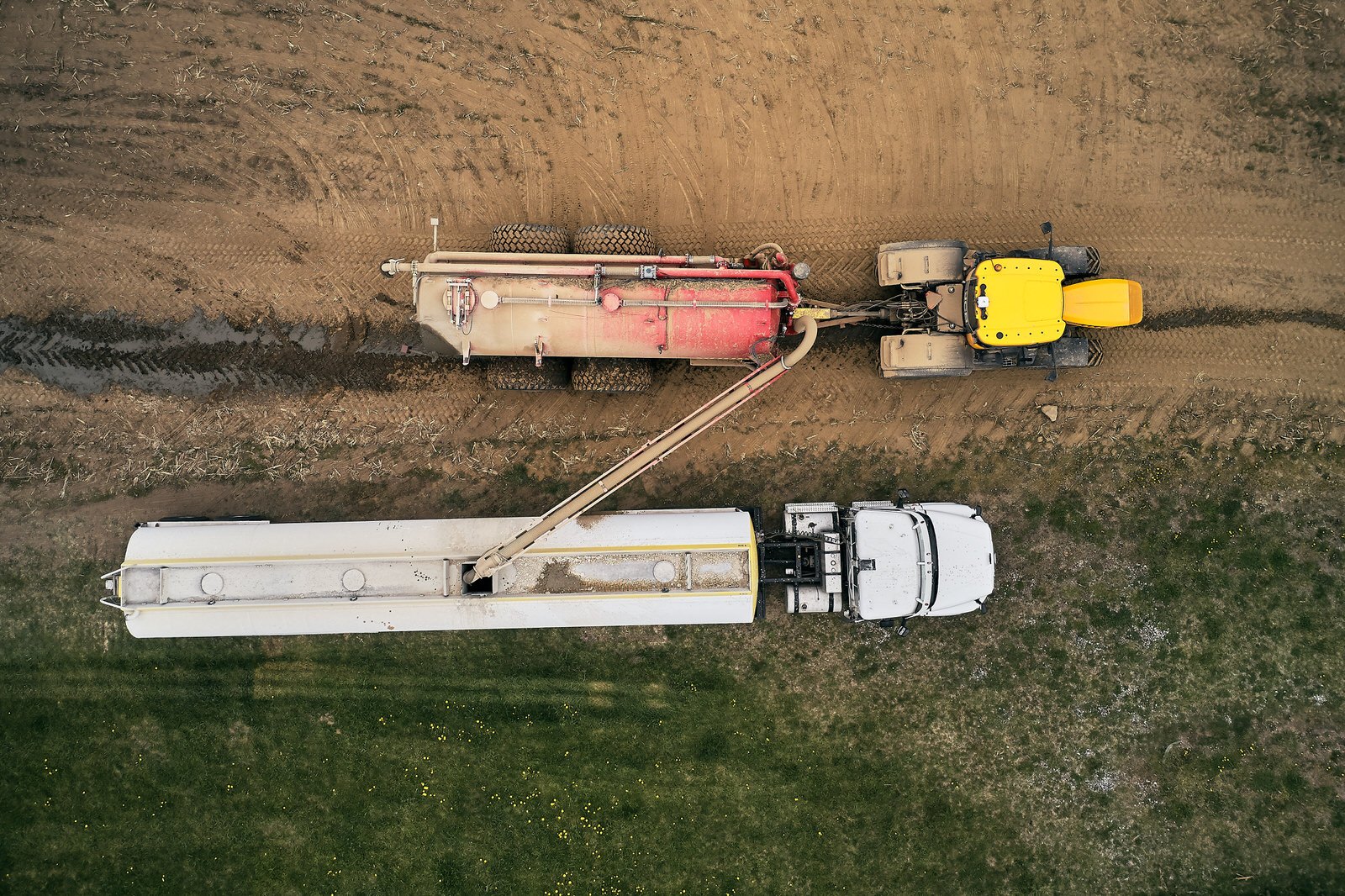
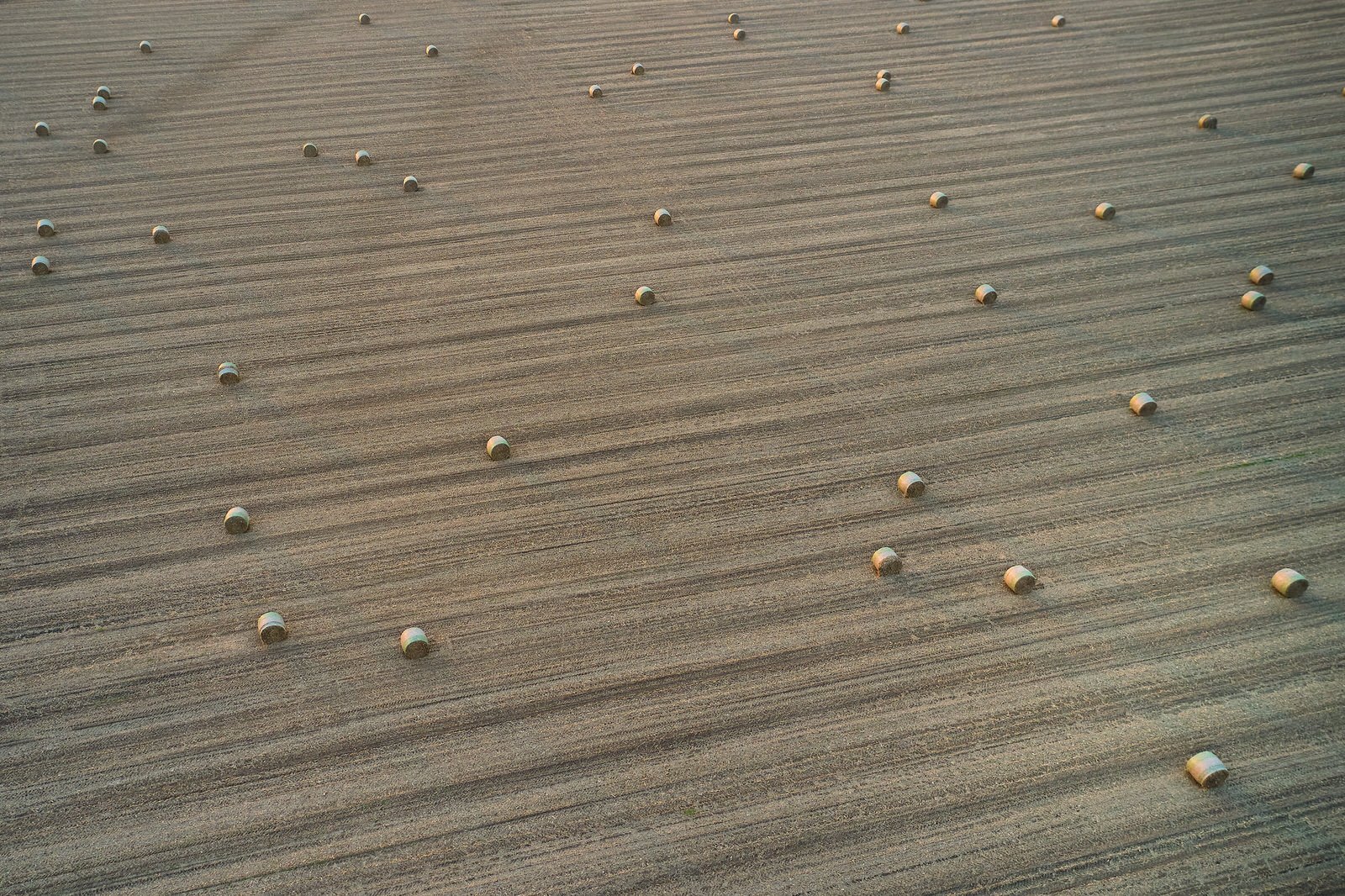
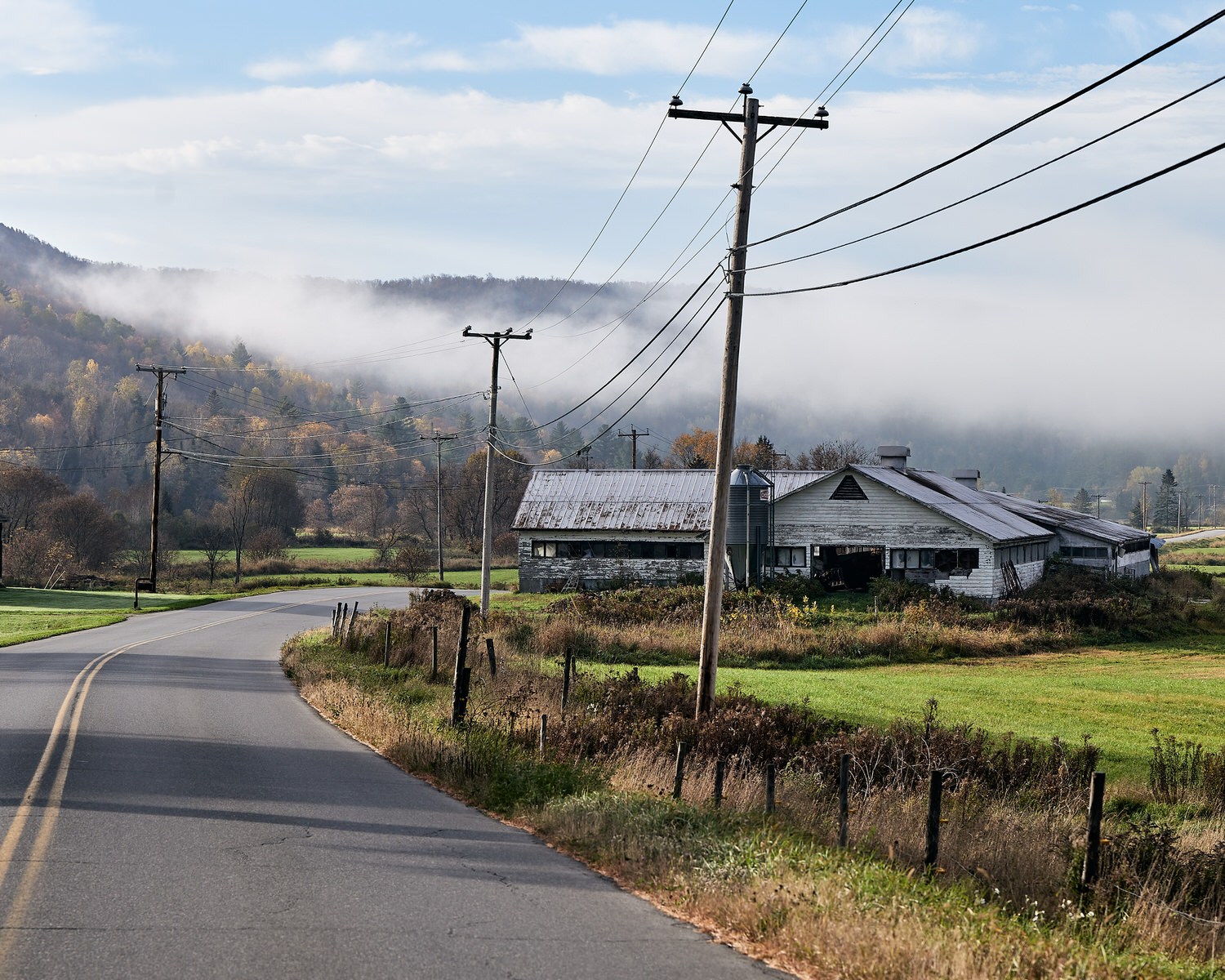
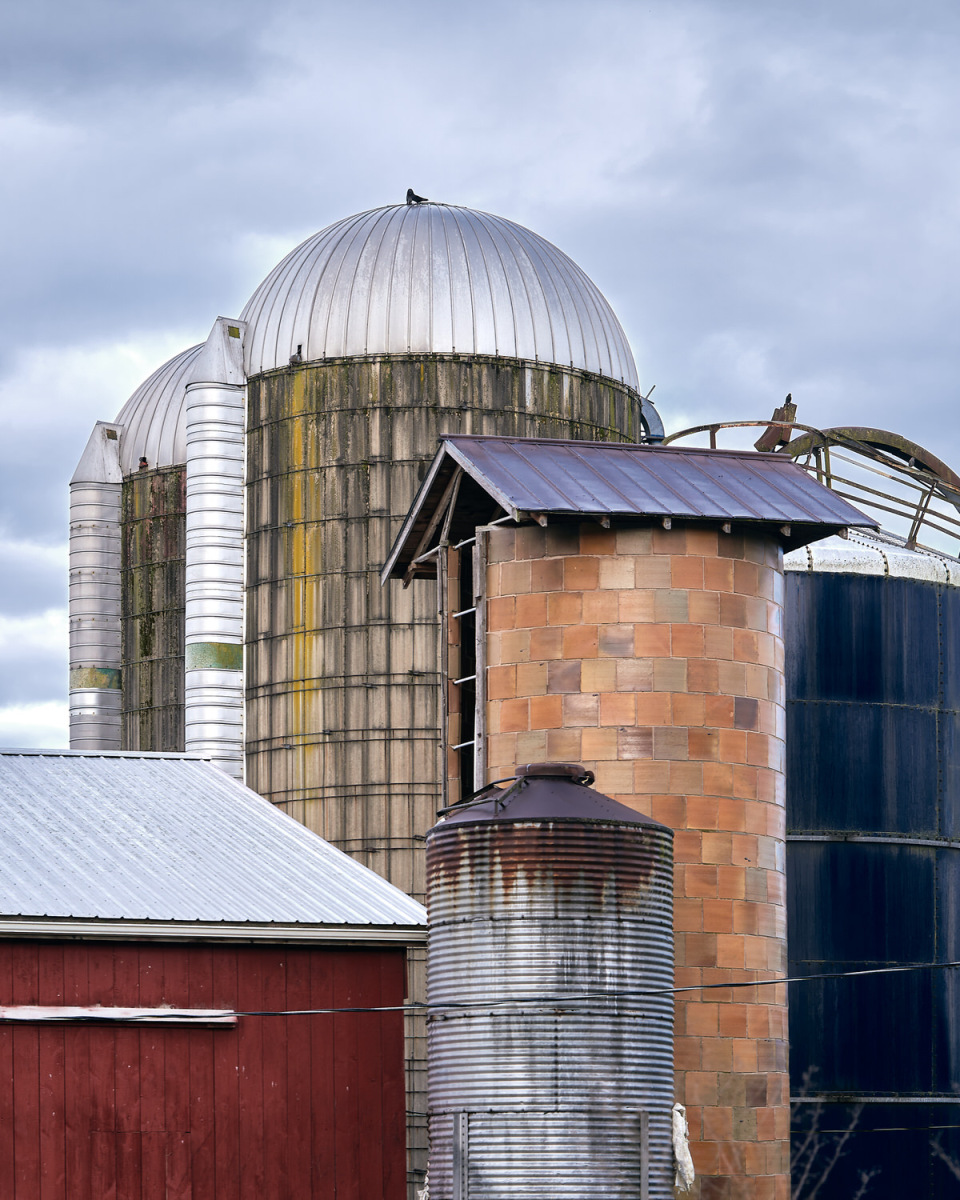
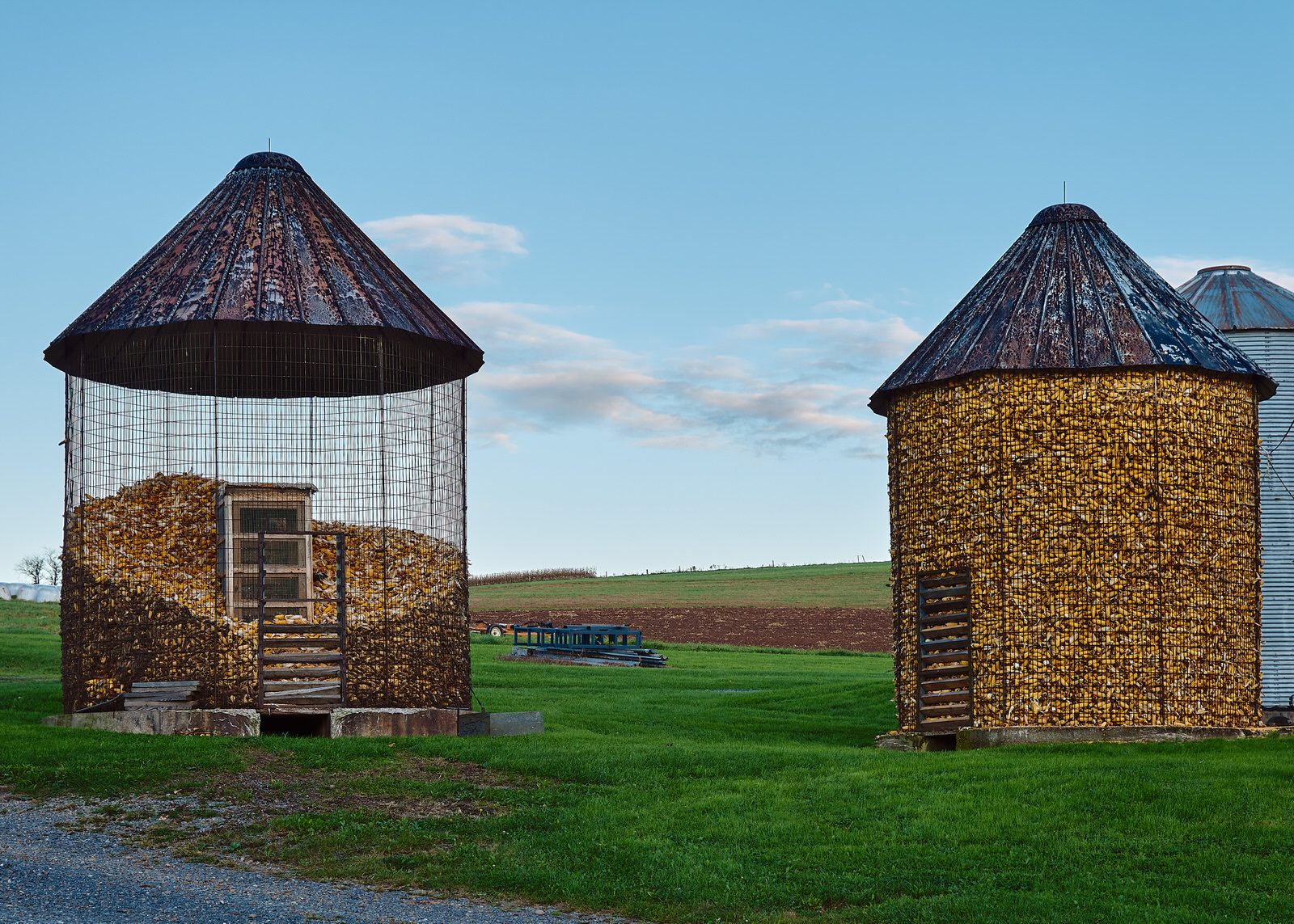
The countryside also carries the weight of time. Generations have walked the same paths, cultivated the same fields, and passed down knowledge earned through years of observation and experience. Old farmhouses, weathered fences, and abandoned outbuildings stand as reminders of lives lived in close association with the earth. Some landscapes speak of prosperity and abundance; others reveal hardship, change, and the gradual passage of rural traditions. Beneath these visible traces lies a quieter story of human endurance, of families who have remained through difficult seasons and of those who have watched familiar landscapes evolve. The land holds these memories, preserving fragments of the past in its textures, contours, and enduring presence.
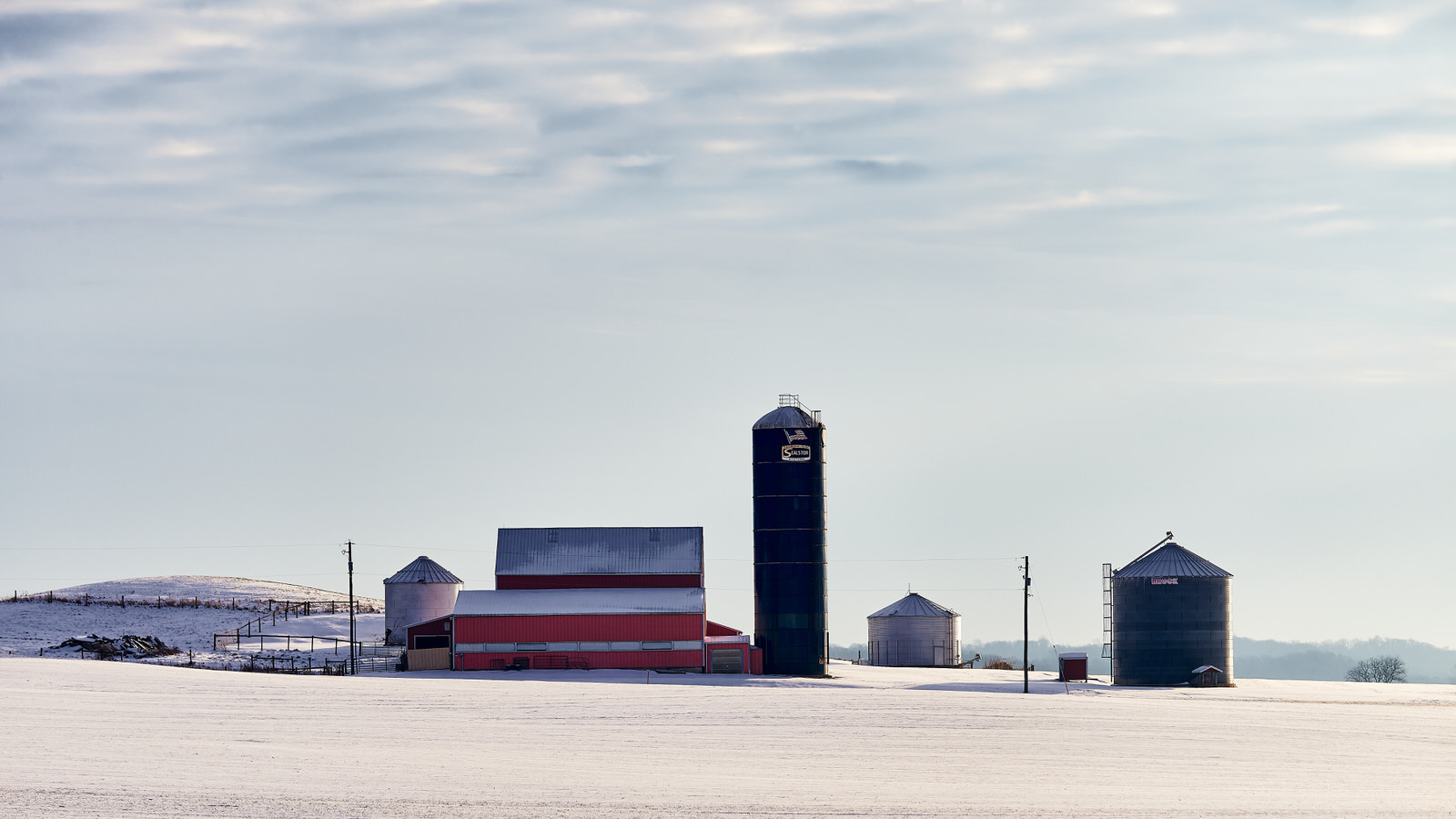
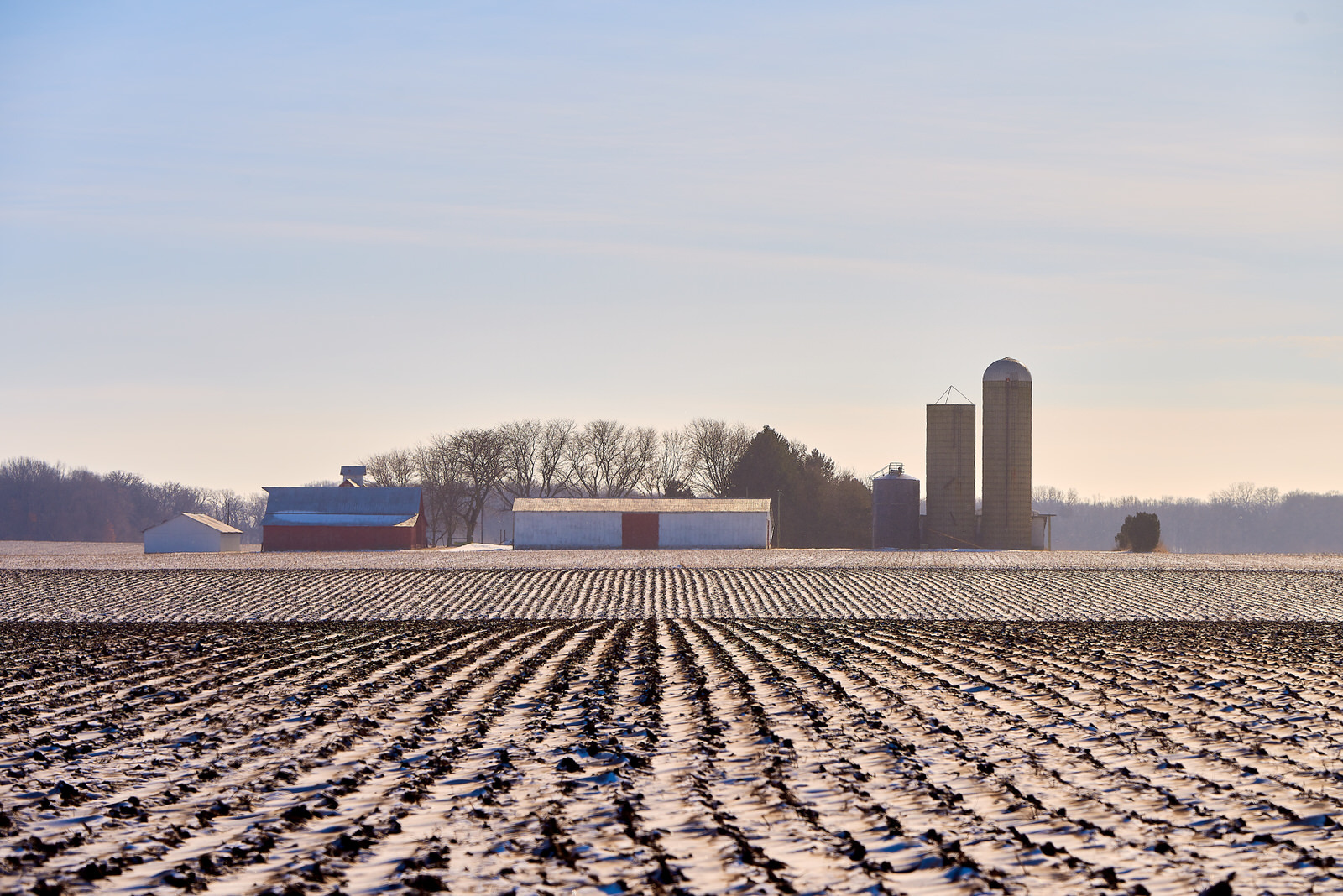
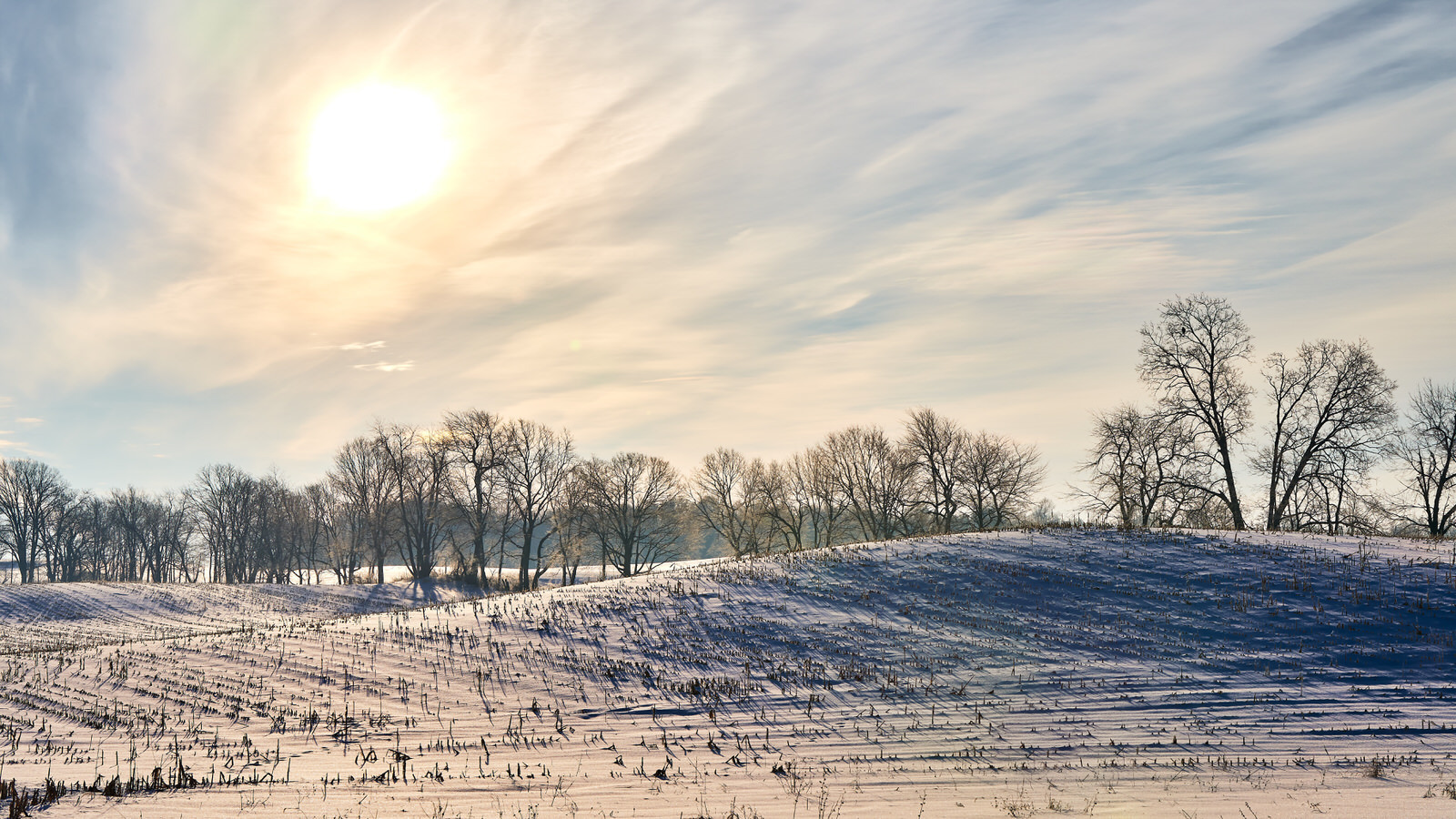
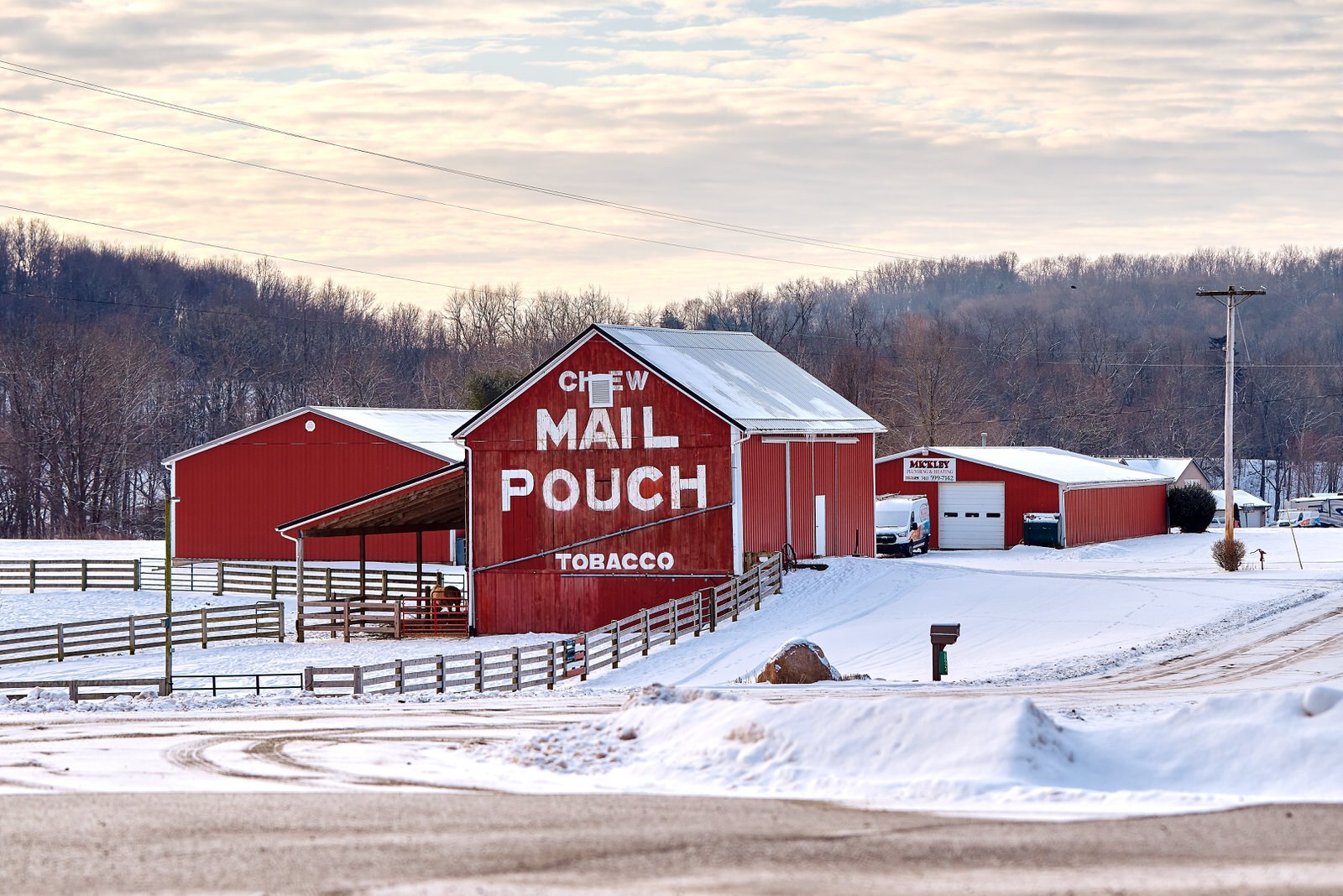
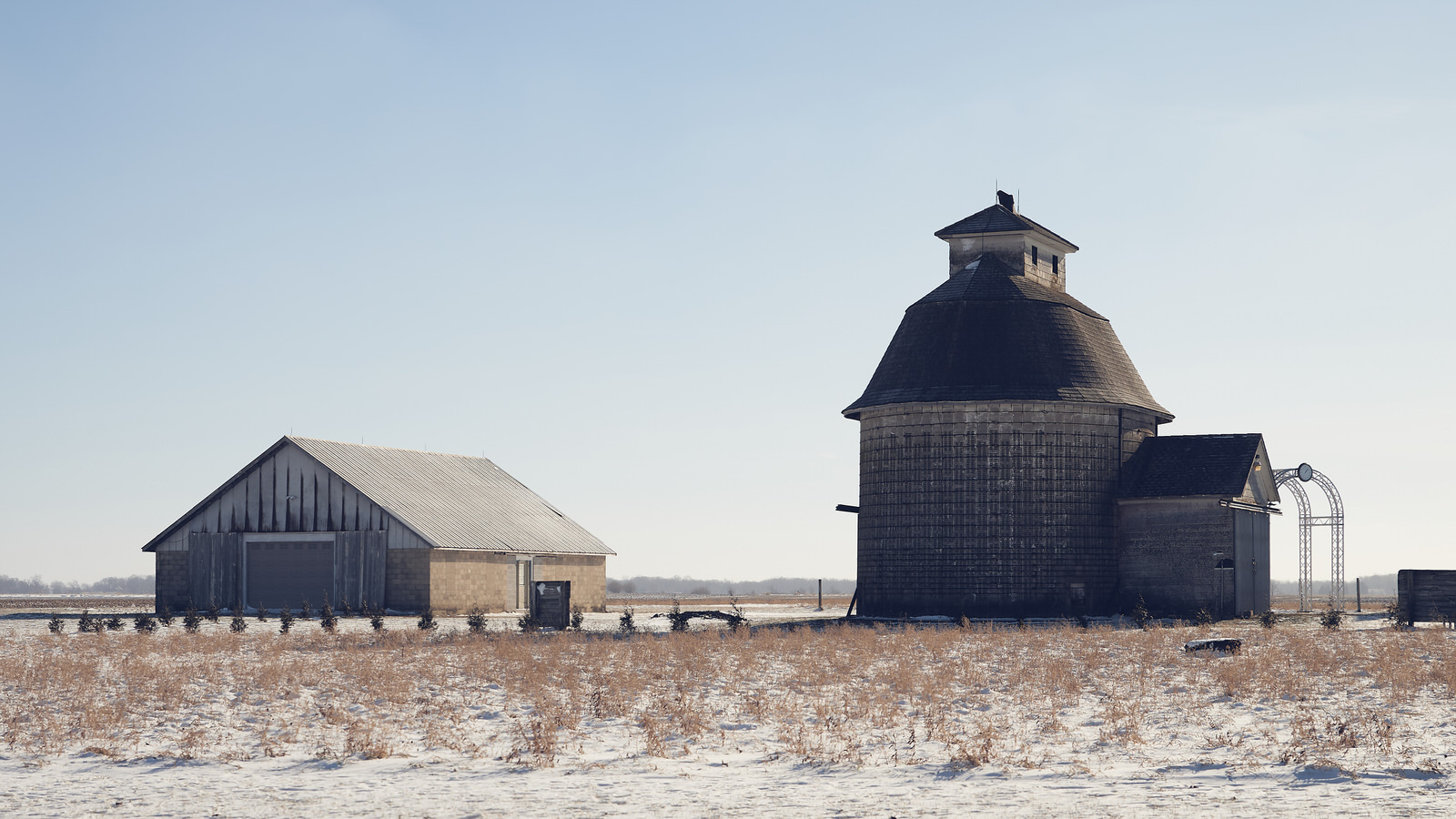
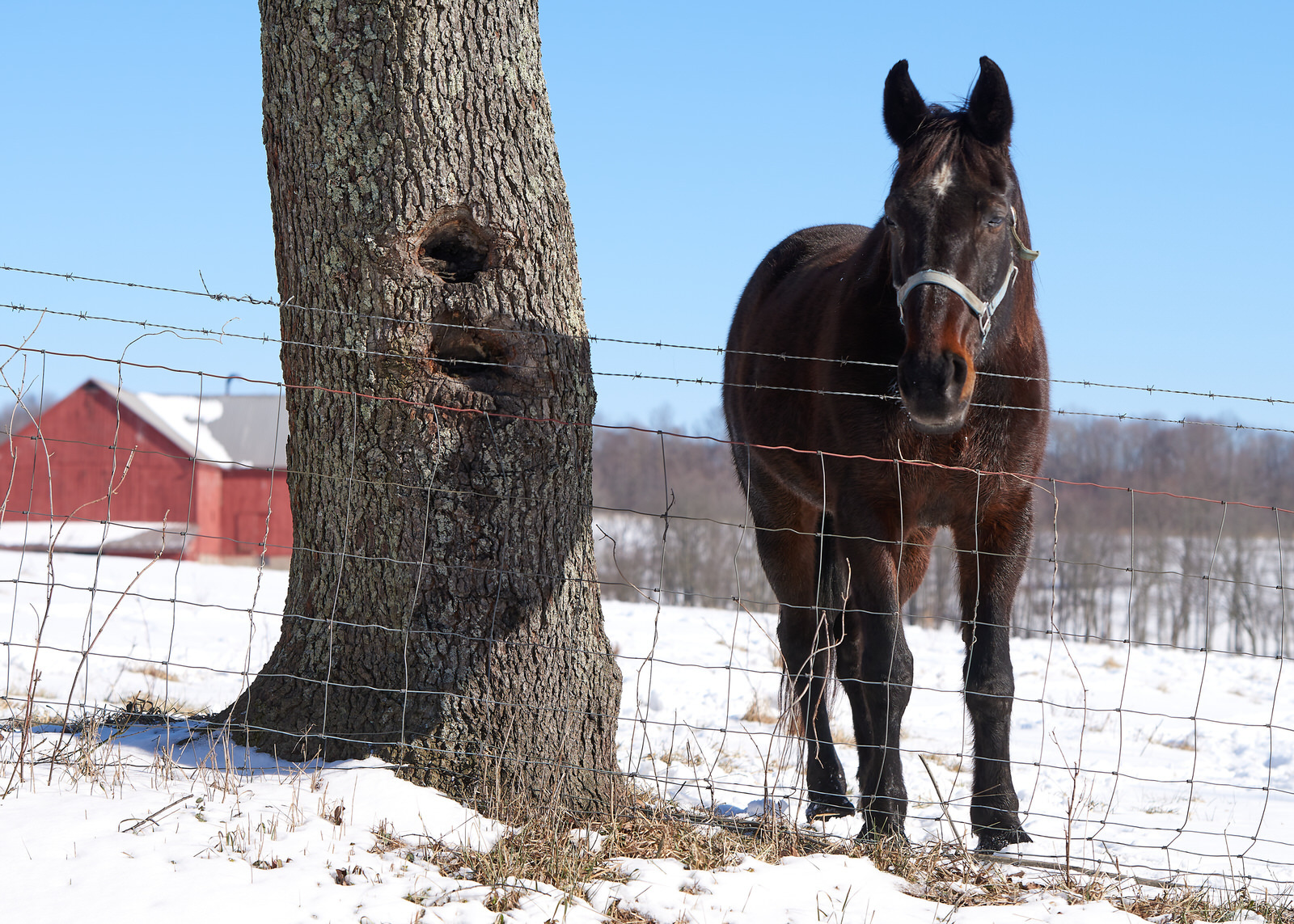
Through the lens of fine art photography, these rural environments become more than documentary records of agricultural life. Light reveals the character of a field, shadow gives depth to a weathered structure, and the solitary figure of a farmer becomes a symbol of humanity’s place within a much larger natural world. A simple gesture, a distant silhouette, or the geometry of cultivated rows can convey the dignity and poetry of everyday labor. By observing rather than imposing, photography invites us to look beyond the familiar and discover the quiet significance of ordinary moments. It finds beauty not only in the grandeur of the landscape, but also in its imperfections, its hardships, and the traces left by those who work the soil.
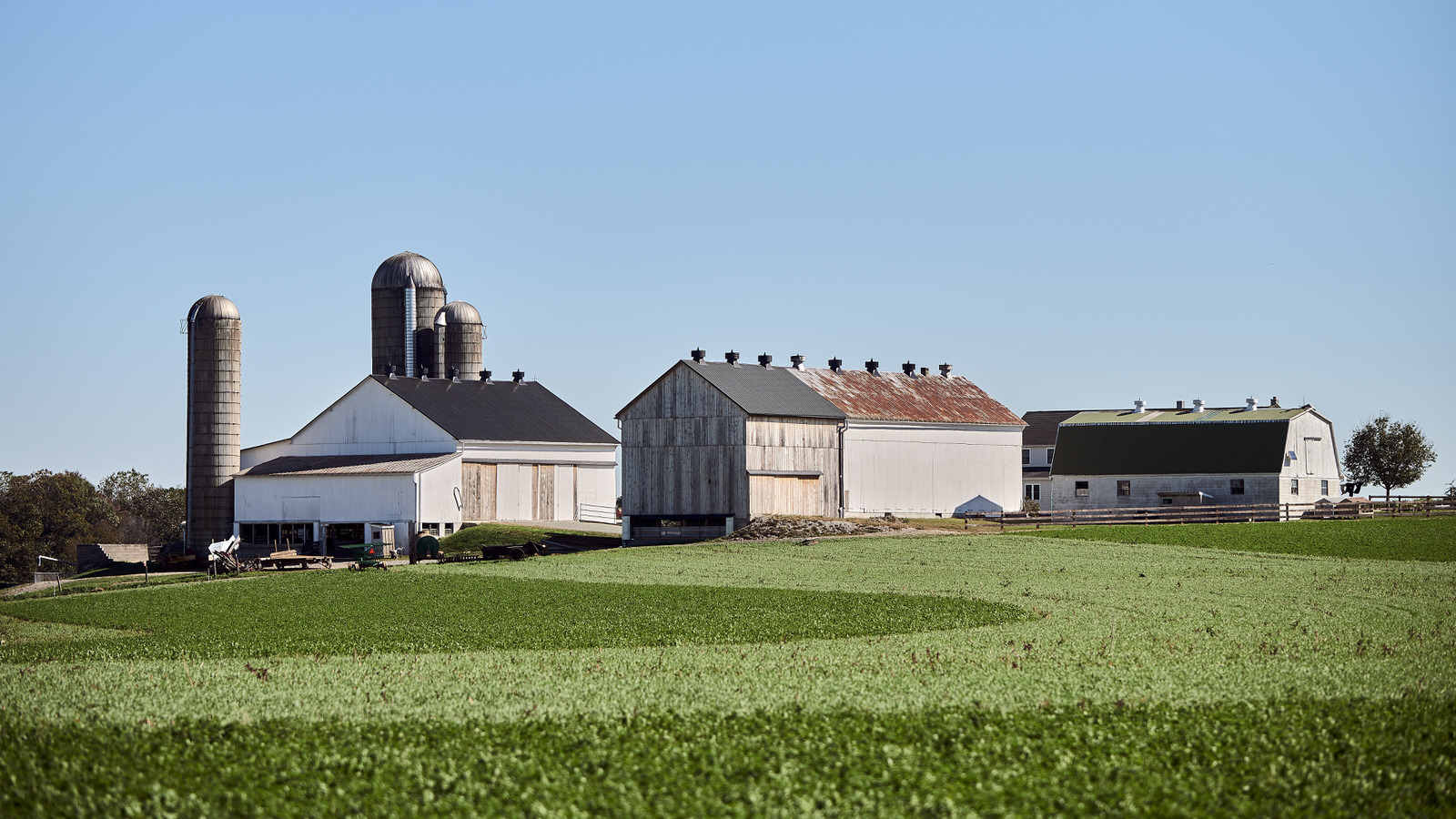
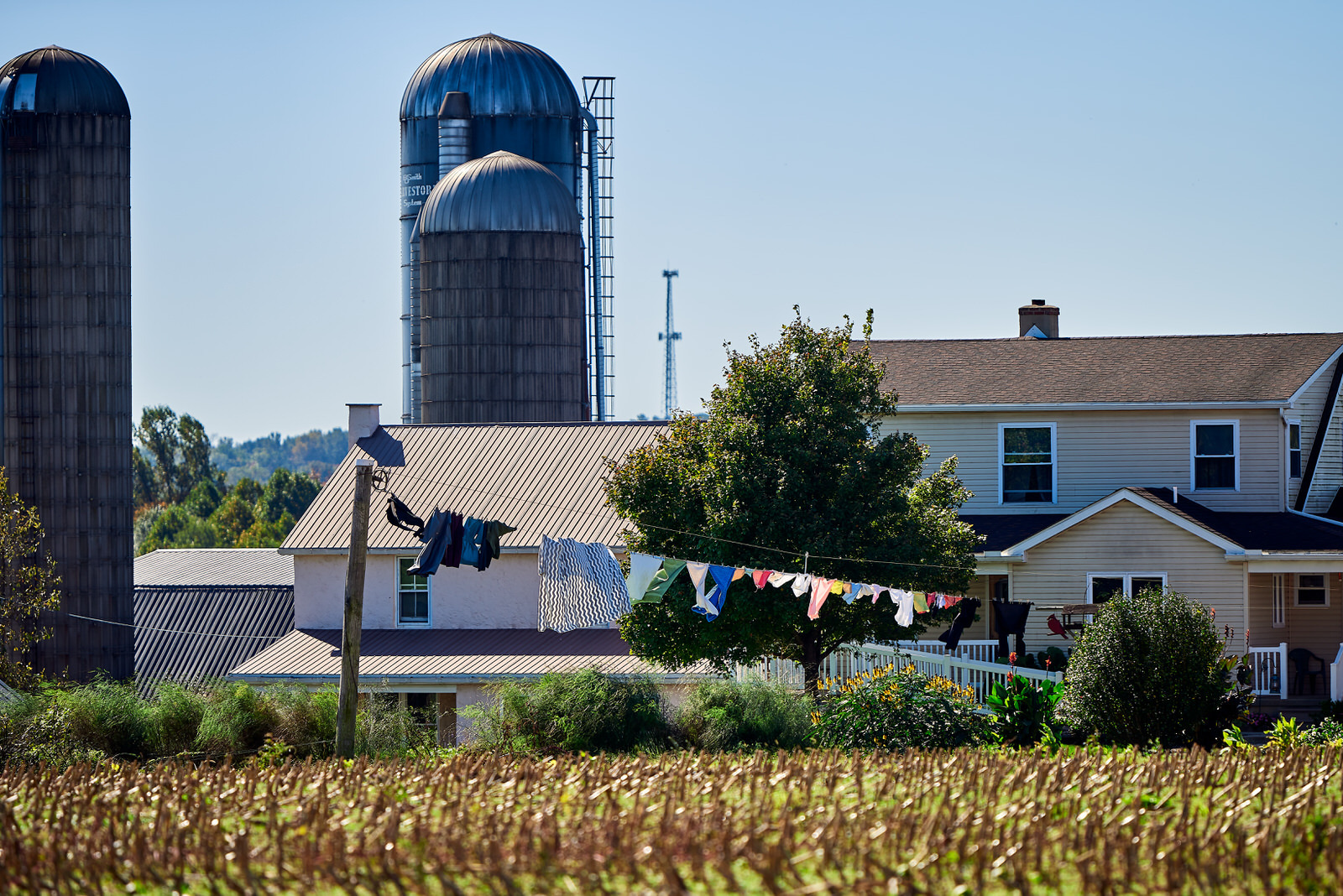
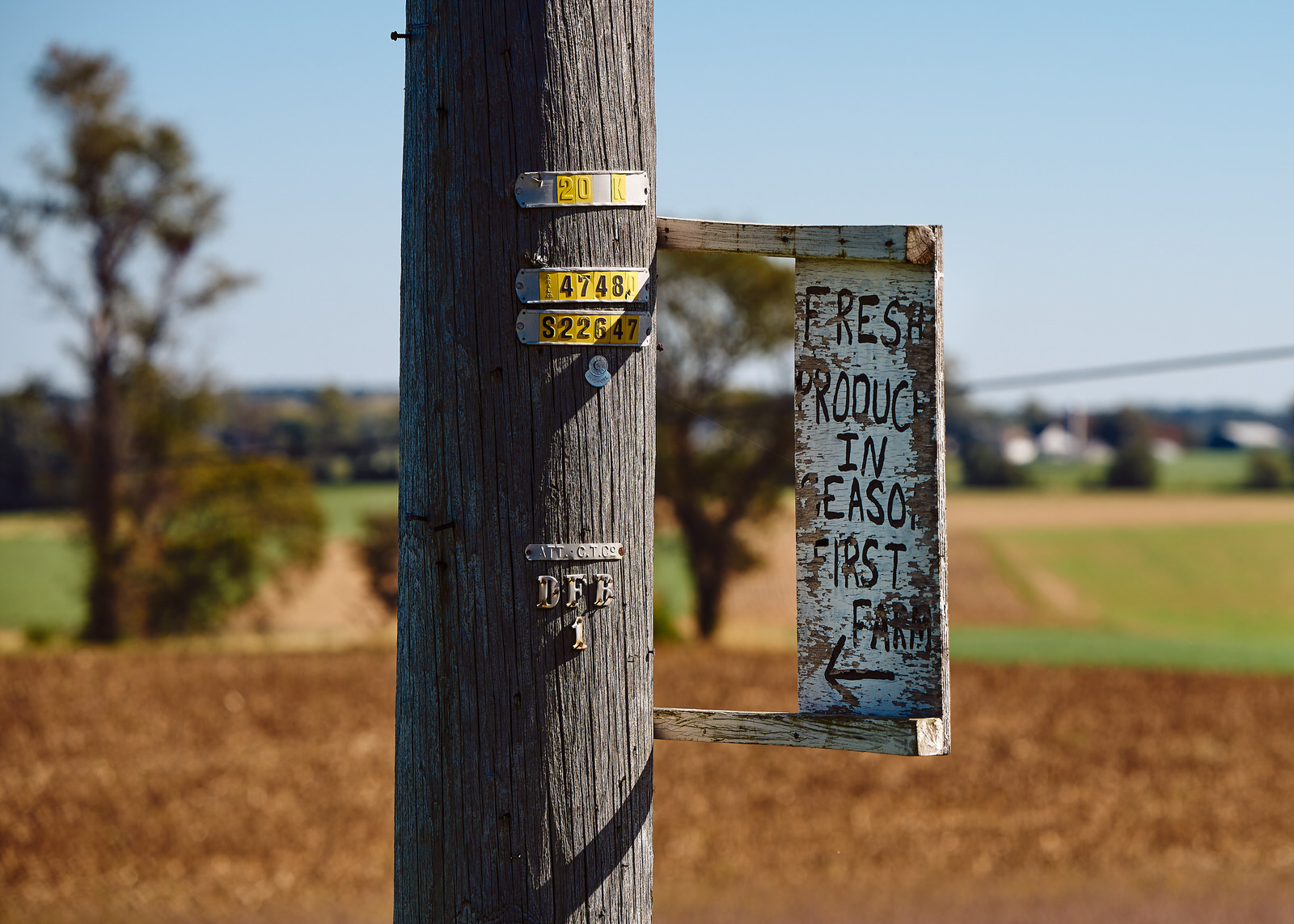
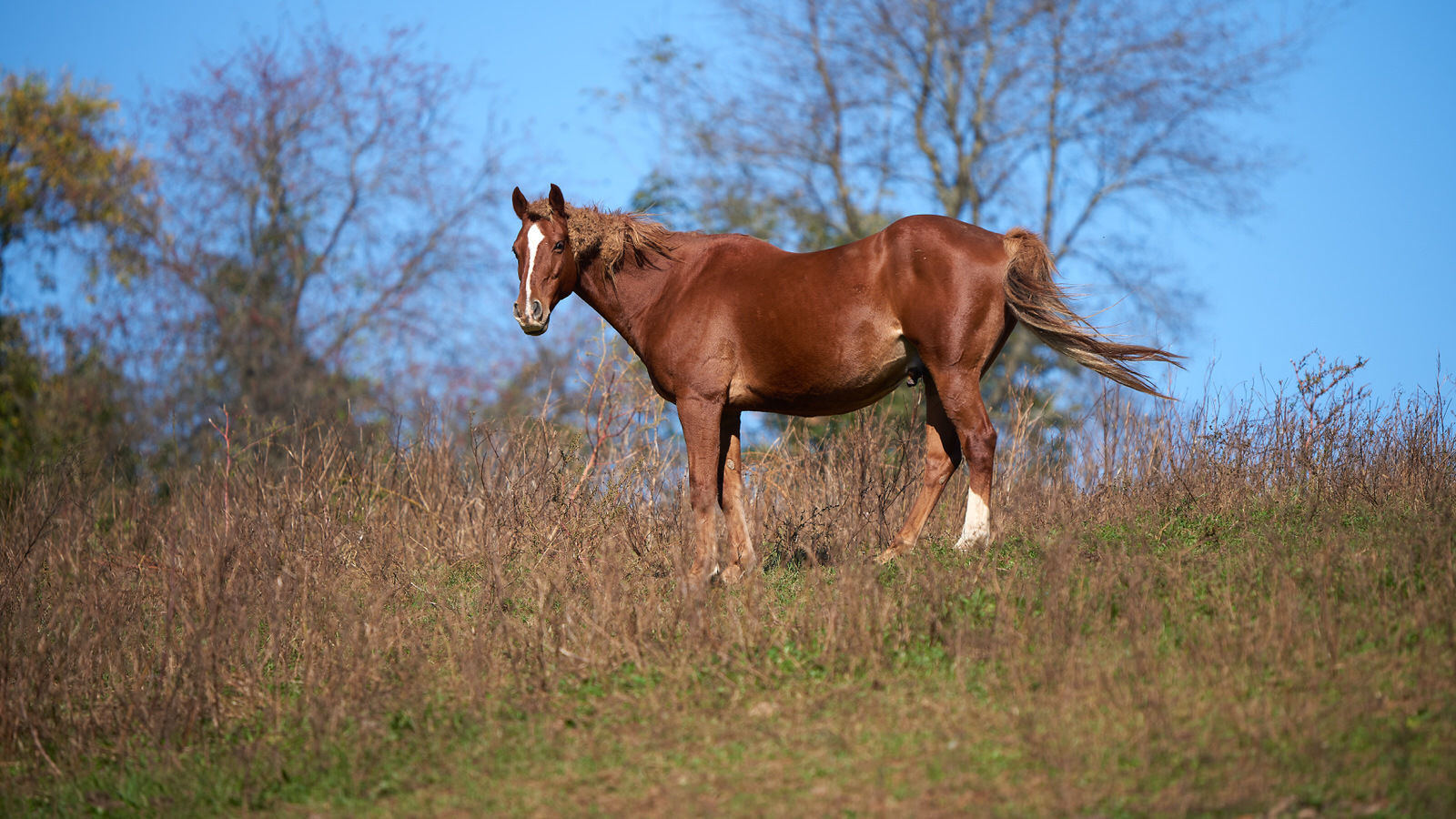
Ultimately, this collection is a reflection on belonging: to a place, to a tradition, and to a way of life shaped by the land. It explores the delicate balance between human effort and nature’s uncertainty, between the demands of survival and the profound rewards of working in harmony with the earth. In an increasingly fast-moving and disconnected world, the countryside reminds us of the value of patience, purpose, and continuity. These photographs offer a glimpse into that world, where the relationship between man and land remains deeply personal and enduring. They invite us to pause, to observe, and to recognize that beneath every cultivated field and along every rural horizon lies a story of human connection, quietly unfolding from one generation to the next.